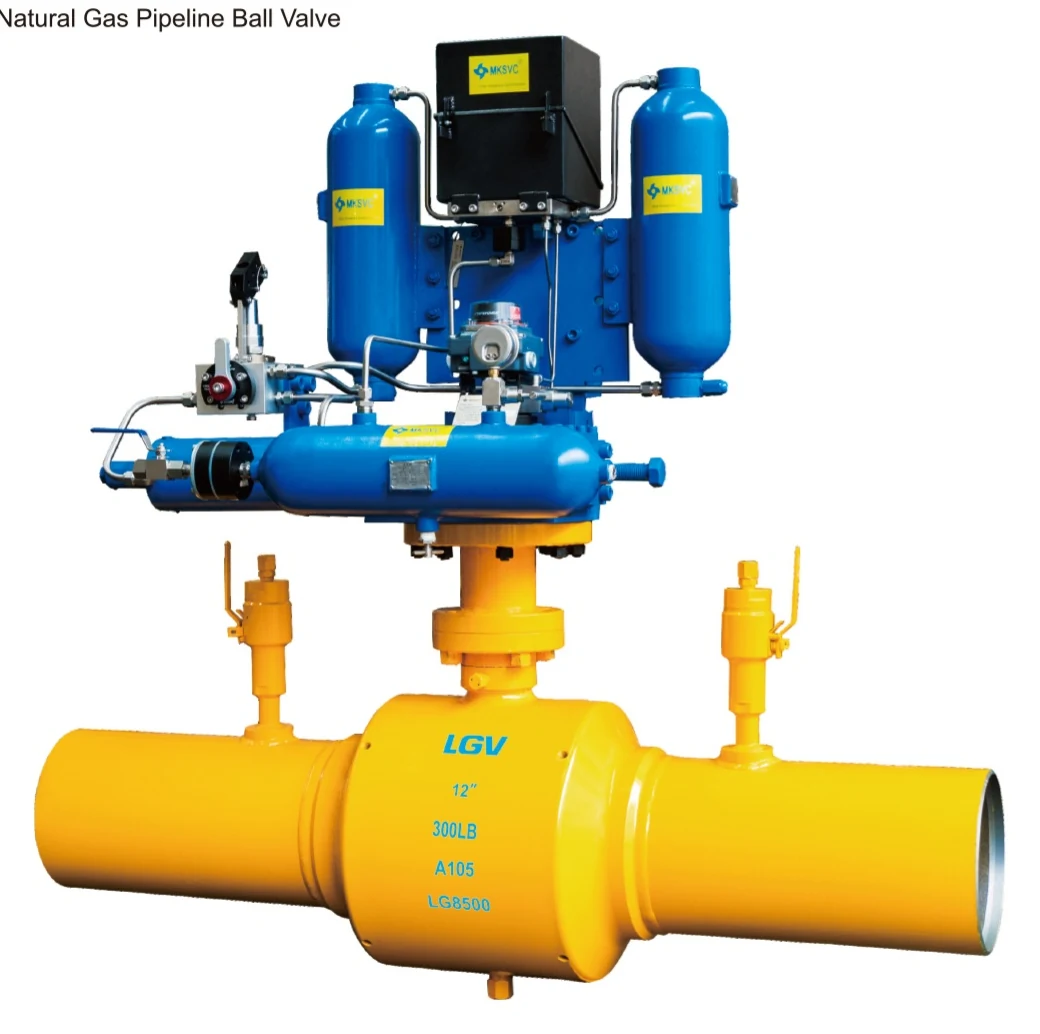
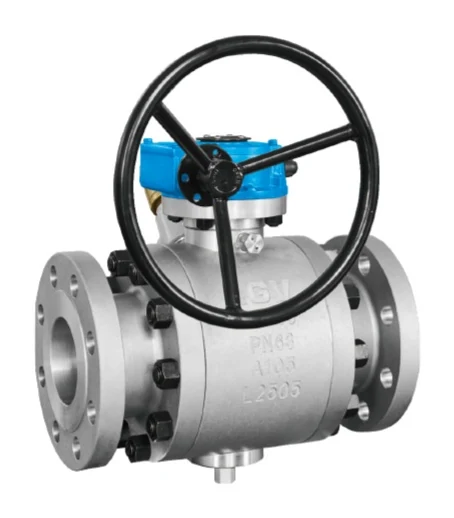
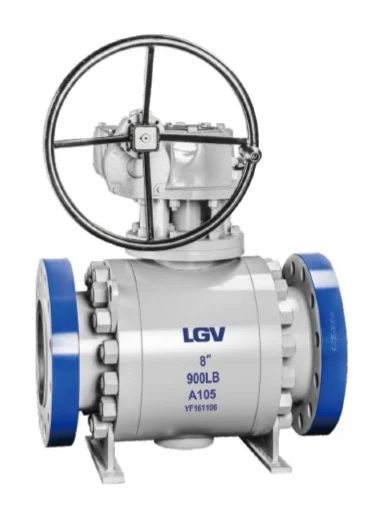
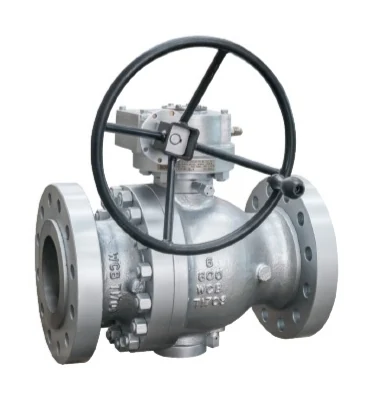
Ball valve category
Start with the duty: on/off isolation, modulating control, pipeline service or maintenance access. Explore seven ball-valve series, then open a named catalog product. The right choice depends on seat arrangement, differential pressure, port, body construction and the available operator—not nominal size alone.
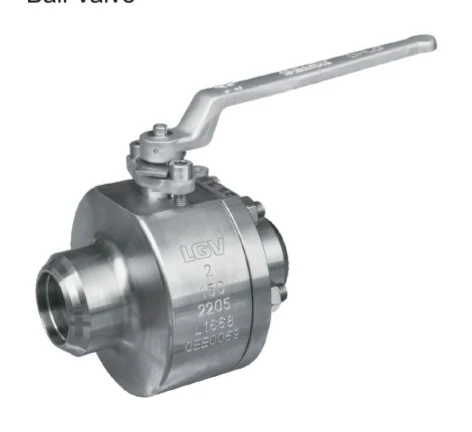
Shown: the 2205 Duplex Steel Welded Ball Valve as labeled in the source catalog. This example does not establish material certification, pressure-temperature ratings, or the available configuration of a quoted valve.
Browse by construction and function
An isolation valve, a control valve and a double-isolation package solve different problems. Start with the function below; each series keeps its own product scope and documentation.
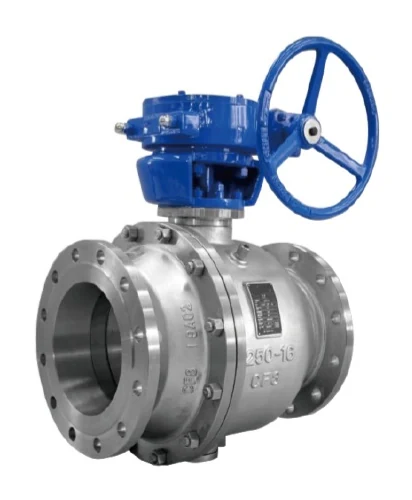
For conventional on/off service when pressure differential, seat loading and operating torque suit a floating-ball design.
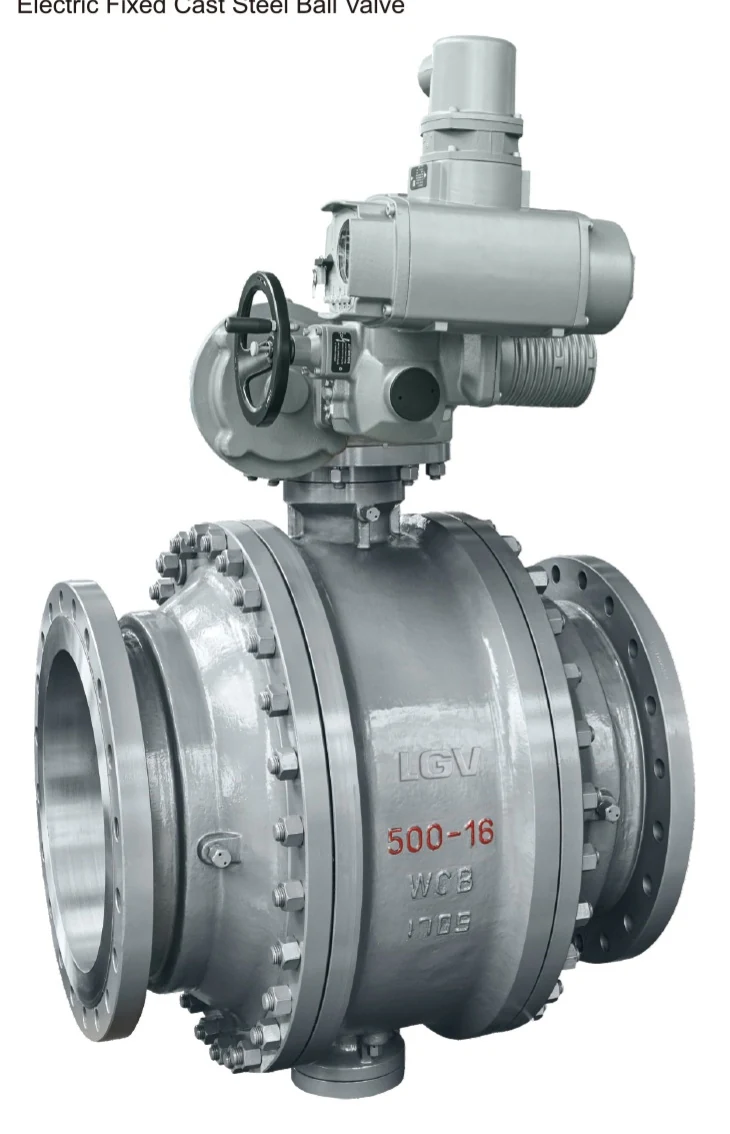
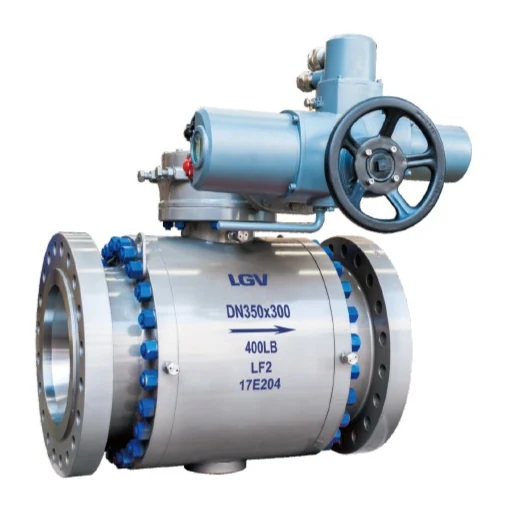
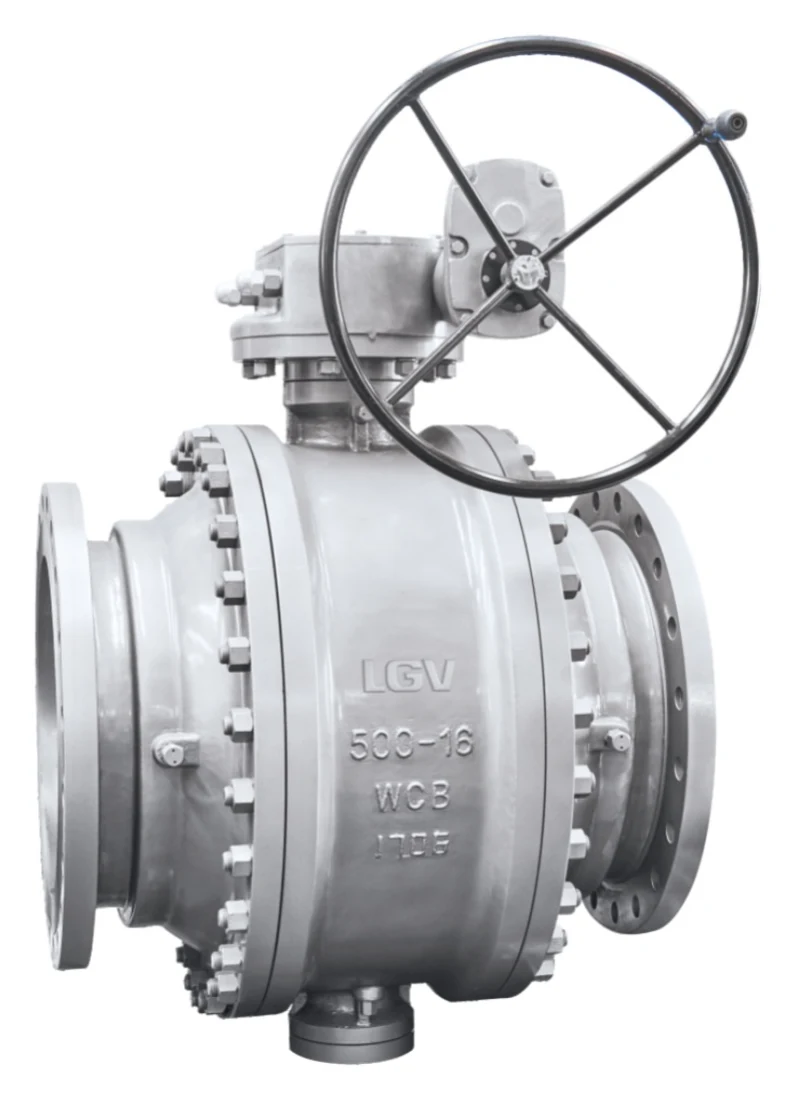
For size, pressure thrust or torque demands that justify a supported ball. Seat design—not the trunnion name—determines isolation behavior.
Ball valve series
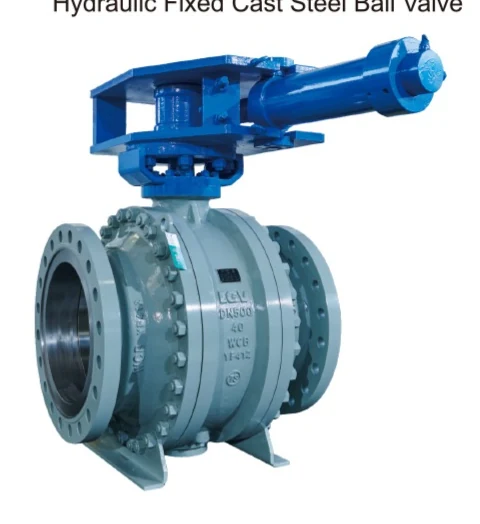
For serviceable body construction where the maintenance method, end connection and available working space affect selection.
For projects where access to internal components without removing the entire body is a priority; verify actual maintenance clearances.
Ball valve series
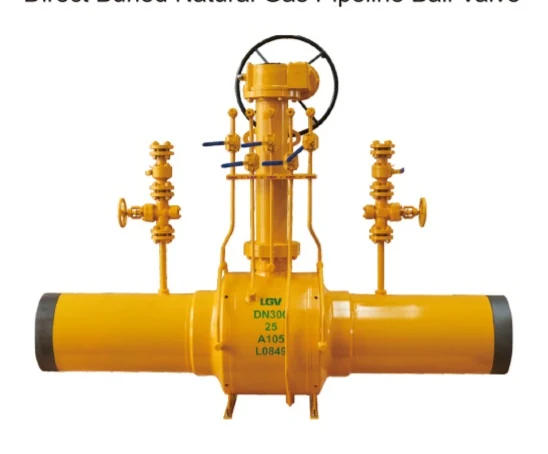
For pipeline or buried-service body arrangements where welded joints and repair access are central to the design.
For modulating control with a characterized port; specify the flow cases, pressure drop, shutoff class and actuator requirements.
For a specified double-isolation and bleed function; establish seat directions, cavity connections and verification method.
Selection logic
Three decisions usually narrow the route faster than a long specification list. Size and Class remain necessary, but neither tells you whether the valve can modulate, how it seals under differential pressure, or how it will be operated.
A floating ball can move toward the downstream seat under differential pressure. A trunnion-supported ball transfers thrust through its supports while seats move toward the ball. Choose from the actual pressure-temperature envelope, seat arrangement and torque data; there is no universal size or Class cutoff.
For repeated fully open/fully closed duty, review a suitable isolation design. For sustained throttling, go to the V-port or a purpose-designed control valve with stated Cv and pressure-drop cases; do not assume a standard on/off ball valve is suitable just because its lever can stop between positions. Full bore may be needed for pigging, while reduced bore changes pressure loss.
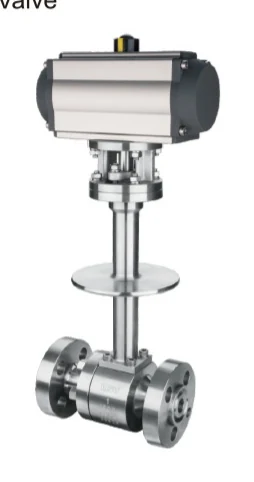
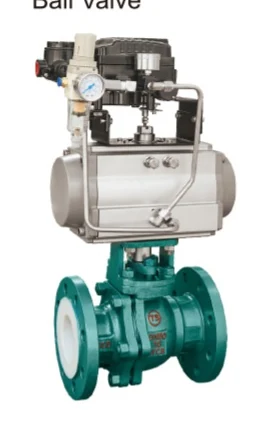
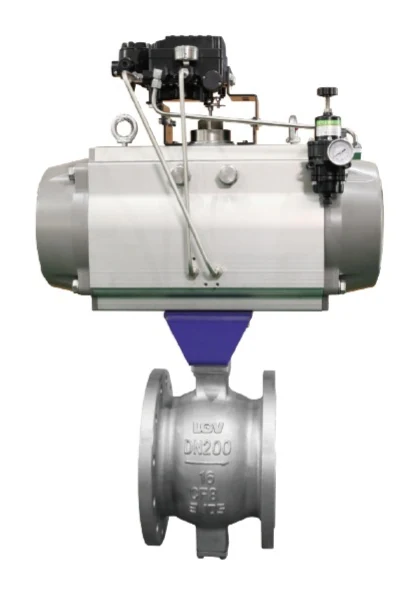
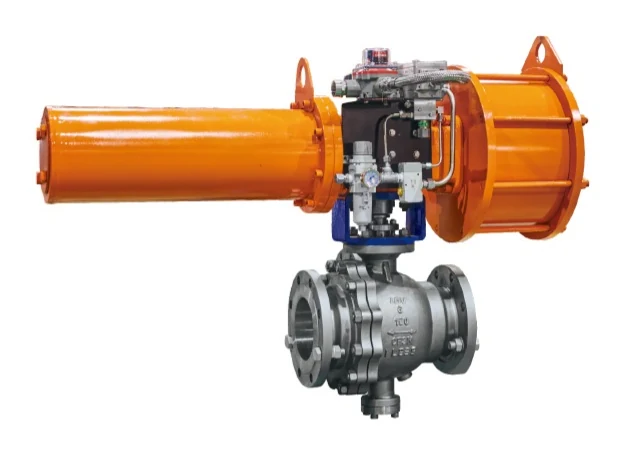
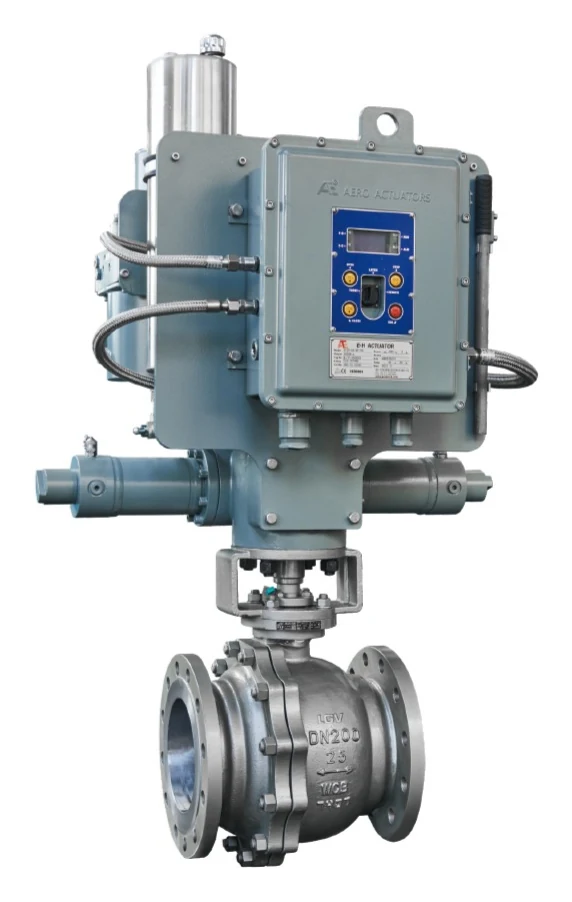
Manual operation is relevant only if operating torque and access allow it. Pneumatic or electric actuation needs the valve torque across the specified differential-pressure and temperature cases, plus supply availability, duty cycle, fail action and feedback requirements. The actuator label on a catalog photo does not specify the delivered package.
These entries show named products and configuration routes, not a single range-wide rating or approval. Select the closest documented item, then provide the service data for a configuration-specific response.
Engineering RFQ
Define the service and required evidence first. The material grade, seat, body, end connection and actuator must describe the same offered configuration, not unrelated maximum values taken from different catalog entries.
| Specify | Supply with the RFQ | Decision it changes |
|---|---|---|
| Duty and medium | On/off, emergency isolation or modulating; fluid, phase, solids and cycling | Determines the seat, port and intended operating mode |
| Pressure and temperature | Design/operating cases, differential pressure and minimum/maximum temperature | Sets the applicable pressure-temperature and sealing envelope |
| Bore and end connection | NPS/DN, required bore, flange or weld details, pigging or cleaning requirement | Checks piping fit, pressure loss and installation constraints |
| Body and seats | Required construction, access, seat concept, leakage expectation and project standard | Changes shutoff function and service/maintenance method |
| Operator and evidence | Manual/actuated, utilities, fail action; drawings, inspection and material documentation requested | Defines a reviewable actuator package and deliverable documents |

Technical inquiry
Send the closest catalog entry or series together with your design and normal operating conditions. Unknown items can remain open; identify which documents the purchase order will require.