Industries / applications
Industrial Valve Applications Across Nine Industries
VALMORA supports industrial valve inquiries across nine sectors, from chemical processing and water systems to energy, mining and marine service. Find your industry first, then narrow the valve route by duty, fluid and operating conditions.
Choose an industry below, or start from the valve function if your project spans several process systems.
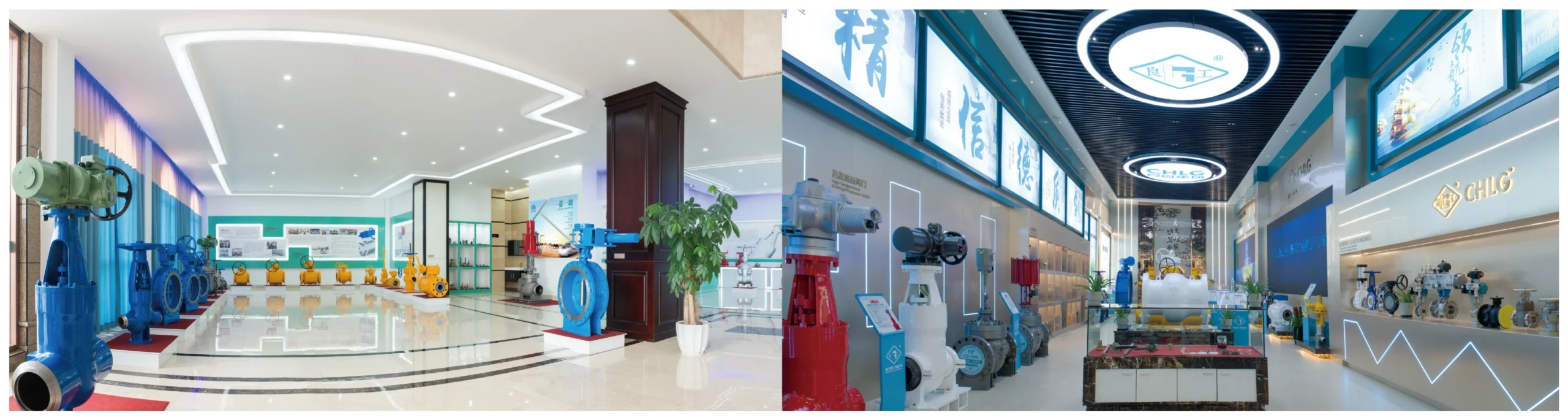
Supplier catalog showroom display (Lianggong); not a VALMORA-owned facility.
Find your sector
Choose an industry by its operating challenge
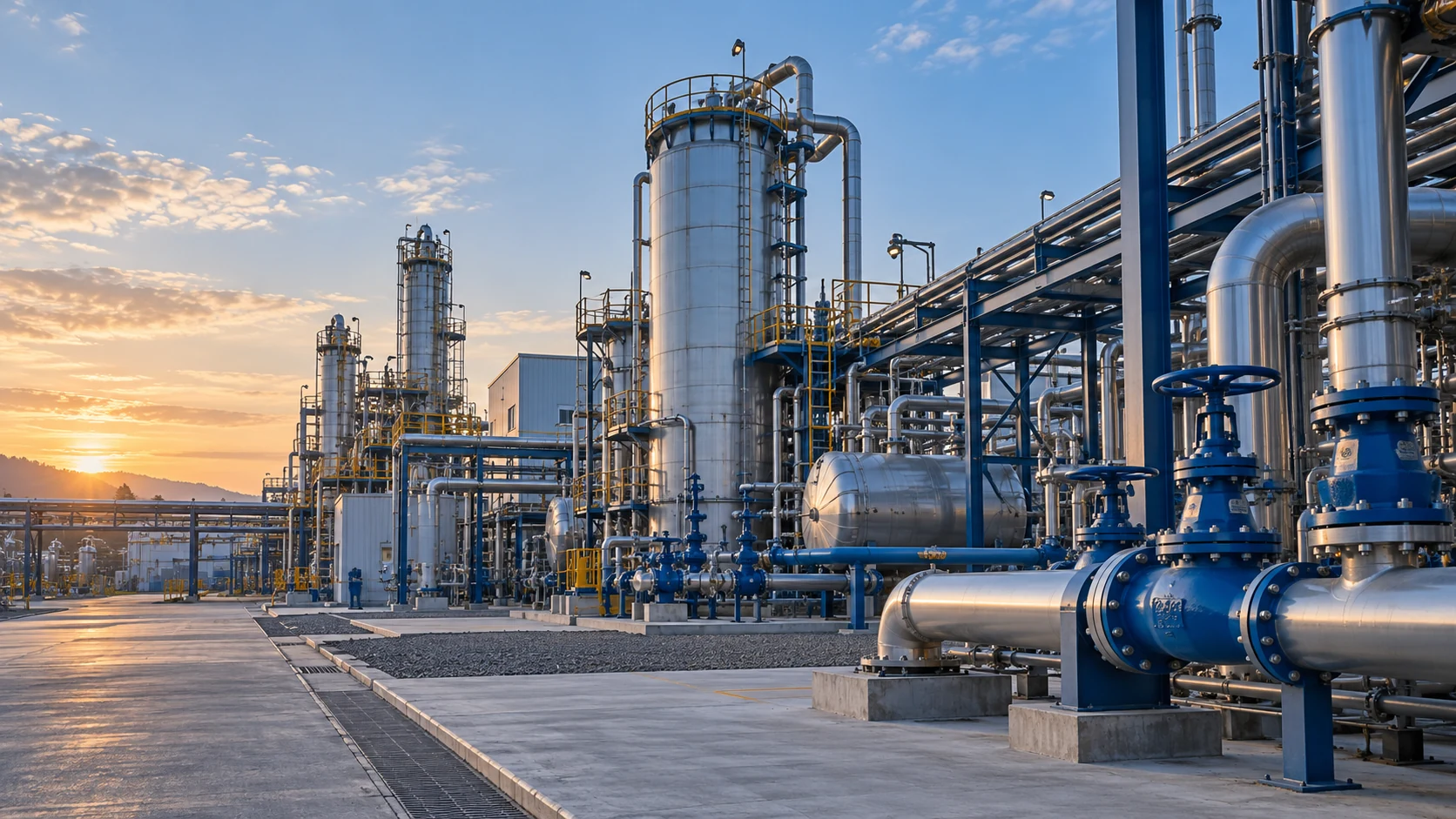
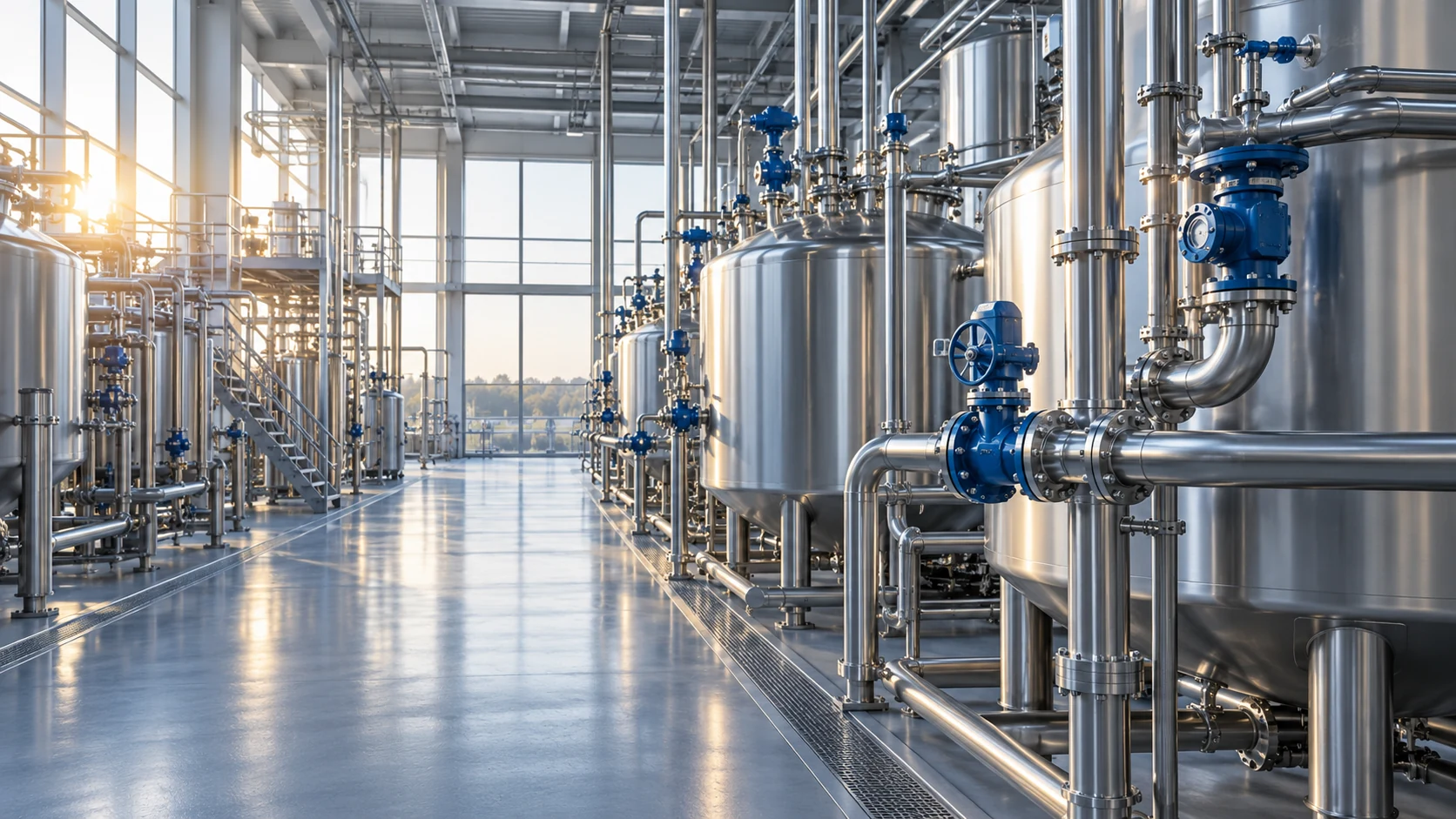
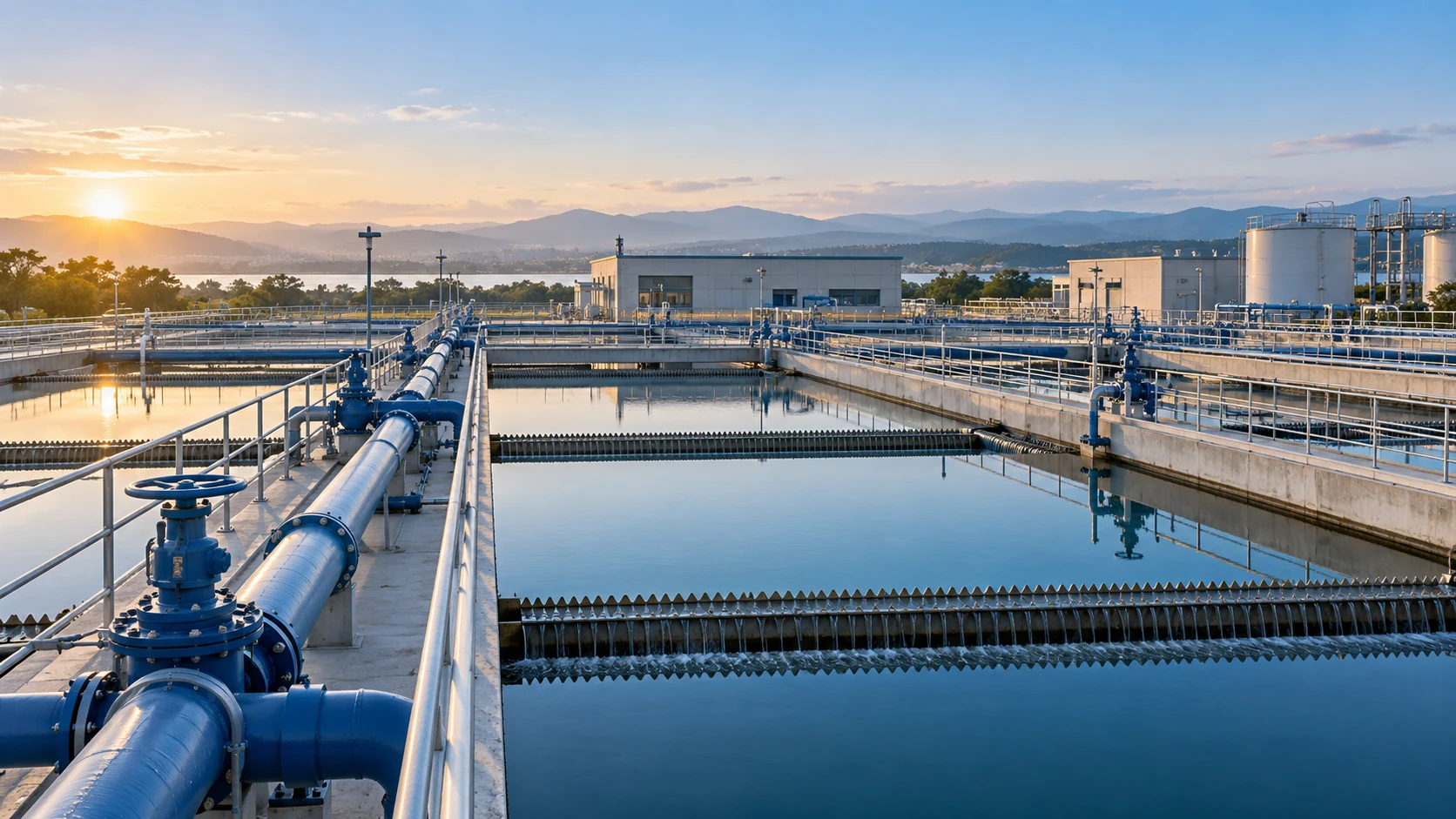
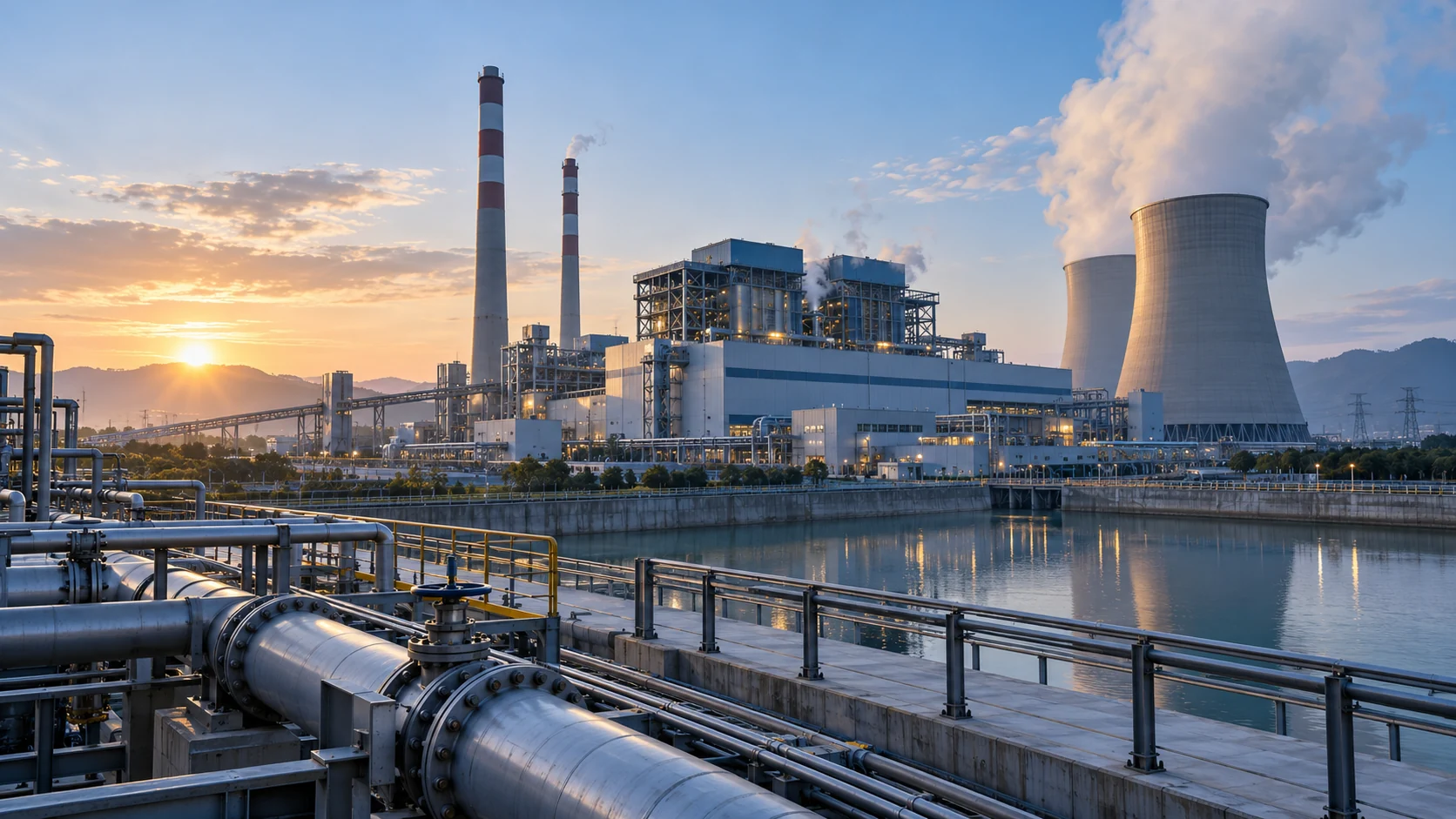
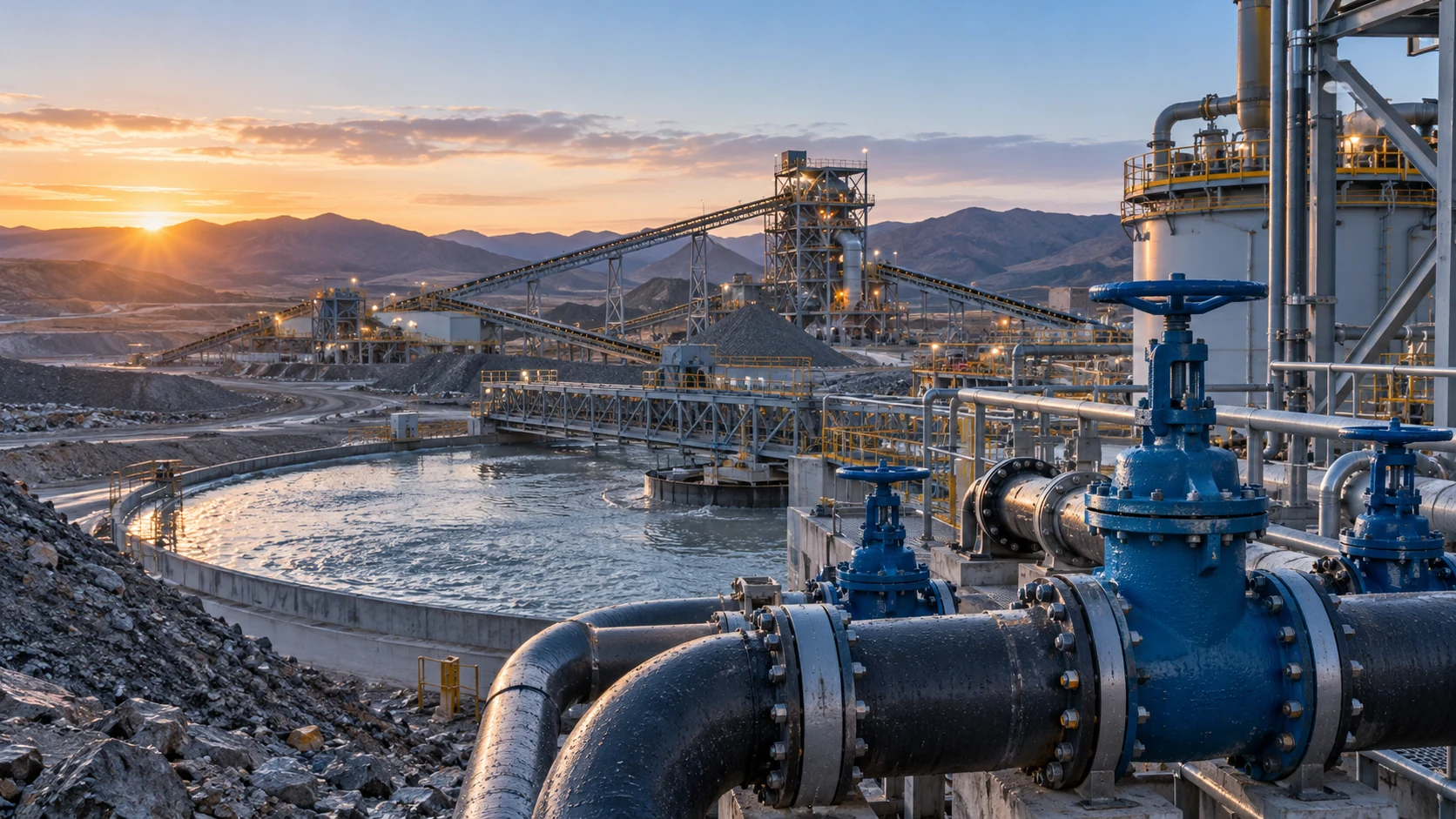
Open an industry page for the systems and service conditions that affect your request. The scenes below illustrate typical applications; they are not photographs of VALMORA projects.
Corrosive liquids, solvents and mixed process streams call for chemical-compatibility and sealing checks. Fluid concentration and temperature can change the material or lining choice.
Separate product-contact duties from plant utilities. Wetted materials, cleaning method, connection geometry and applicable hygienic requirements determine the route.
Distribution isolation, pressure-zone management and reverse-flow prevention are different duties. Water quality, surge conditions and available maintenance access matter.
Pipeline isolation, processing and wellsite equipment do not share one valve specification. Define the fluid phase, operating cases and project inspection basis.
Steam, feedwater, cooling and auxiliary services demand different configurations. Startup and shutdown transients may matter as much as normal temperature.
Distinguish seawater, freshwater, fuel and ballast duties. Fluid exposure, corrosion protection, installation space and maintenance access affect selection.
Slurry isolation begins with solids, particle size, wear and blockage risk; clean-water circuits may need a different valve family.
Topside process isolation and marine utility systems have different demands. Specify the medium, salt exposure, actuation access and project criteria.
Fiber-laden stock, chemical recovery and water or steam utilities require different choices. Plugging, abrasive wear and cleaning strategy are early checks.
Choose by valve duty
What must the valve do in the system?
Industry labels narrow the environment; valve function determines the product starting point. Use these routes to create an initial shortlist, then check the exact design against service conditions.
Isolate a line
For on/off isolation, compare ball, gate and butterfly valves. Leakage target, size, pressure-temperature limits and operation frequency change the choice.
Modulate or regulate
Start with control valves for modulating flow and pressure-reducing valves for downstream pressure regulation. Relief valves serve an overpressure-protection function, not routine pressure reduction.
Handle solids or reverse flow
For solids-laden isolation, assess knife gate or pinch valve designs intended for the medium. For backflow prevention, review check valves and their closing behavior. None is a universal fit.
Prepare the service brief
Five inputs that change the initial valve choice
A useful first inquiry starts with the system and the valve duty, not a preferred model number. If a value is unknown, identify it as open rather than assuming a rating or material.
| Input | Provide | Selection consequence |
|---|---|---|
| Valve function | On/off isolation, modulating control, non-return, pressure regulation or overpressure protection | Directs the request to different valve families rather than one industry-wide type |
| Medium and contamination | Fluid identity, concentration, solids content, particle size and cleaning requirements where applicable | Affects wetted materials, seat/lining choices and risk of clogging or erosion |
| Pressure, temperature and flow cases | Design and normal conditions, startup/shutdown cases, differential pressure and flow range | Determines which operating envelope and control or closure behavior must be checked |
| Piping and operation | Nominal size, end connection, pipe specification, installation orientation, operation frequency and actuation | Rules out incompatible ends, drives and installation arrangements |
| Project requirements | Applicable standards, leakage criteria, test and document requirements; drawings when available | Defines what the exact offer must substantiate before approval |
Supplier catalog examples
Recognize a product route before specifying a model
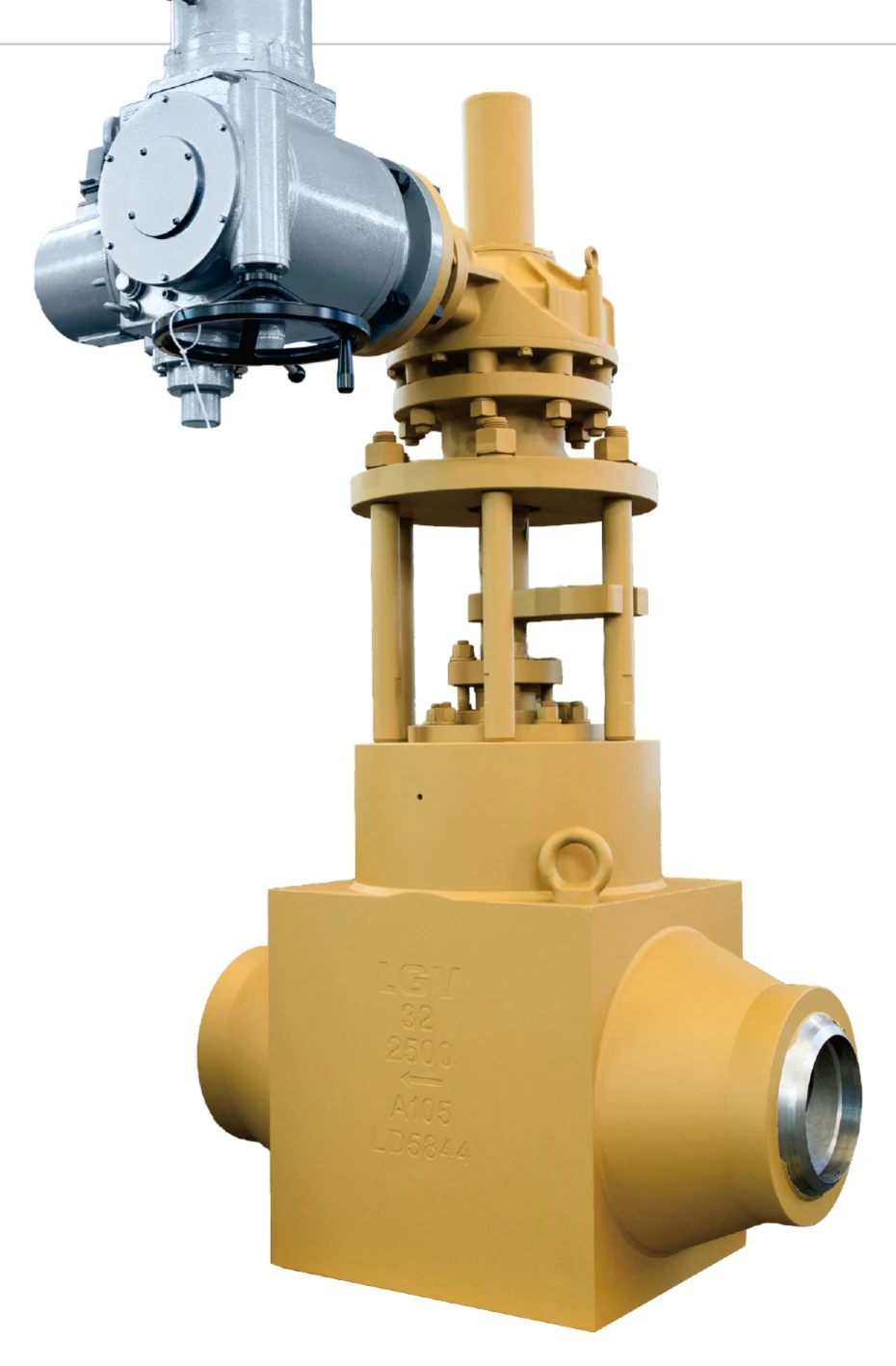
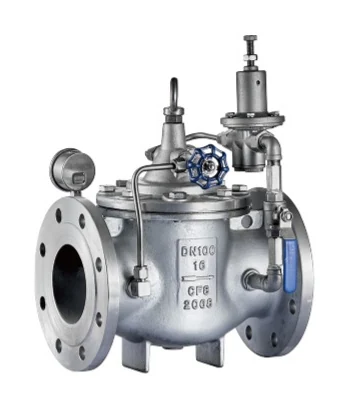
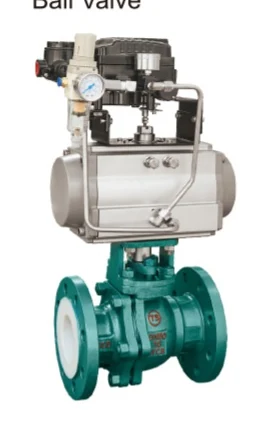
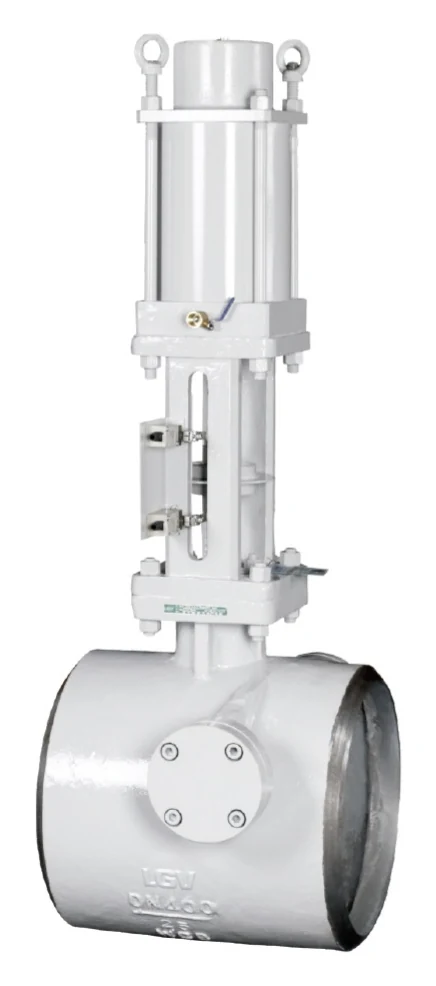
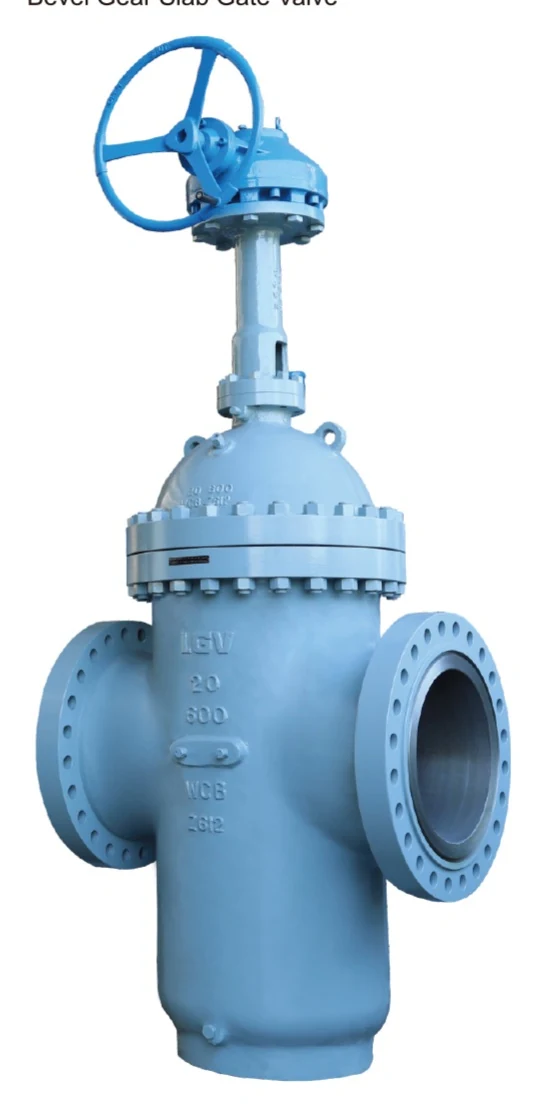
These five photographs reproduce identifiable valve examples from the Lianggong/CHLG supplier catalog. They illustrate different product families—not VALMORA installation records, verified application approvals or specifications for a new inquiry. Confirm the offered product and duty through its category or series page.
Electric power-plant gate valve · Power Generation Valves →
200X stainless steel pressure-reducing valve · Pressure Reducing Valves →
PTFE-lined pneumatic ball valve · Lined & Anti-corrosion Valves →
Quick-closing check valve shown in the supplier catalog · Check Valves →

Slab gate valve shown in the oilfield valve catalog · Oilfield Valves →
Technical and commercial contact
Request a valve review with the operating conditions
Share the plant system and valve duty, medium (including solids if present), pressure and temperature cases, nominal size, connections, manual or automated operation, and required standards or drawings. If you already know the valve type, start at the product catalog. Unknown inputs can be identified for follow-up instead of guessed.