Manufacturing
Industrial Valve Manufacturing for Traceable Product Review
Review Lianggong manufacturing context through documented machining, component preparation, assembly and workshop imagery. The page explains a verification workflow without claiming that every machine, process or inspection applies to every valve.
Project focus: valve manufacturing. Use the product, industry and resource links below to continue from this page’s defined scope.
Buyer decision
What a buyer should inspect in a valve manufacturing workflow
A production photograph is a starting point, not a release record. Ask how the offered valve's drawing, materials, process stages and inspection checkpoints stay connected to its order identity.
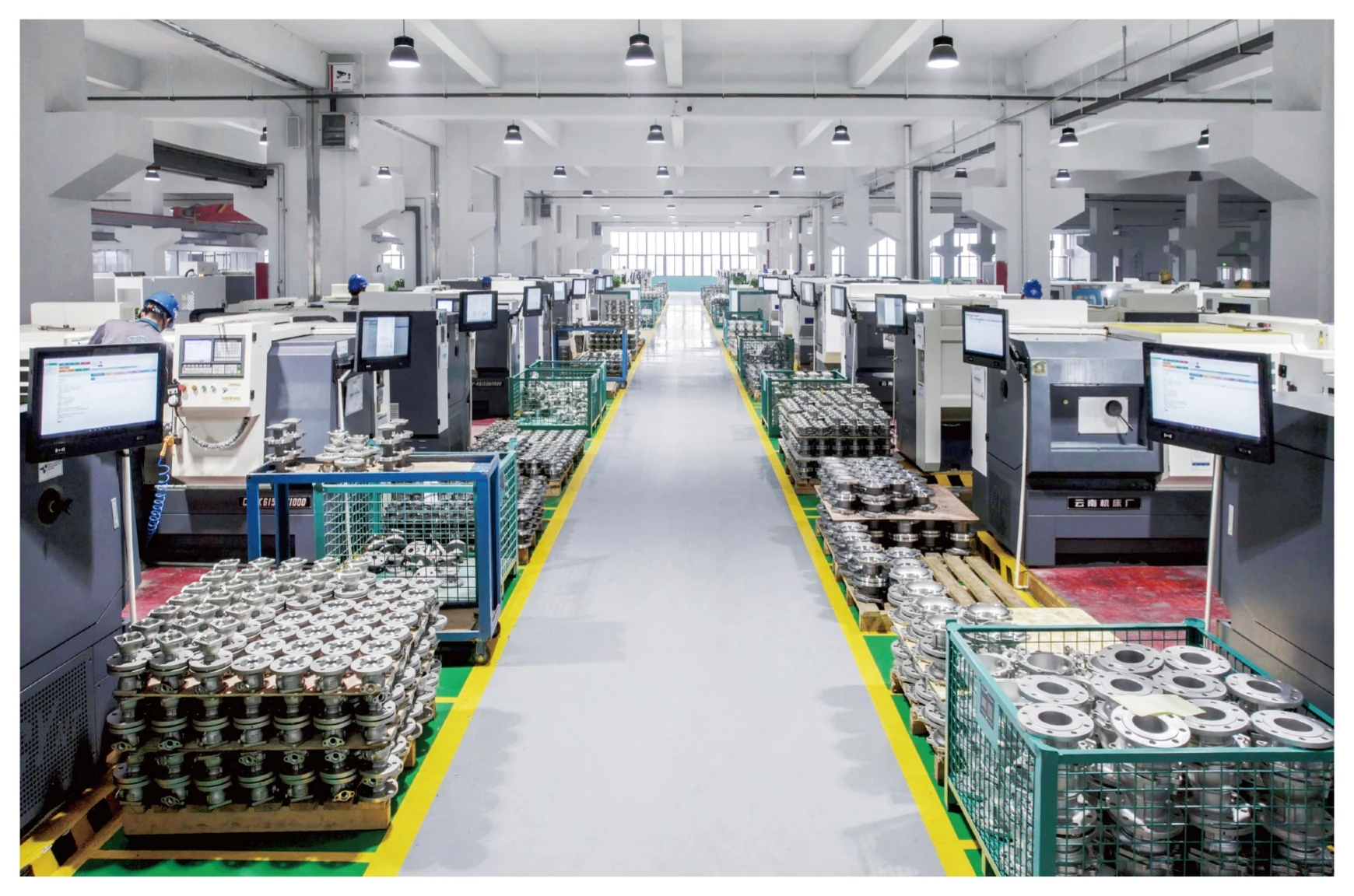
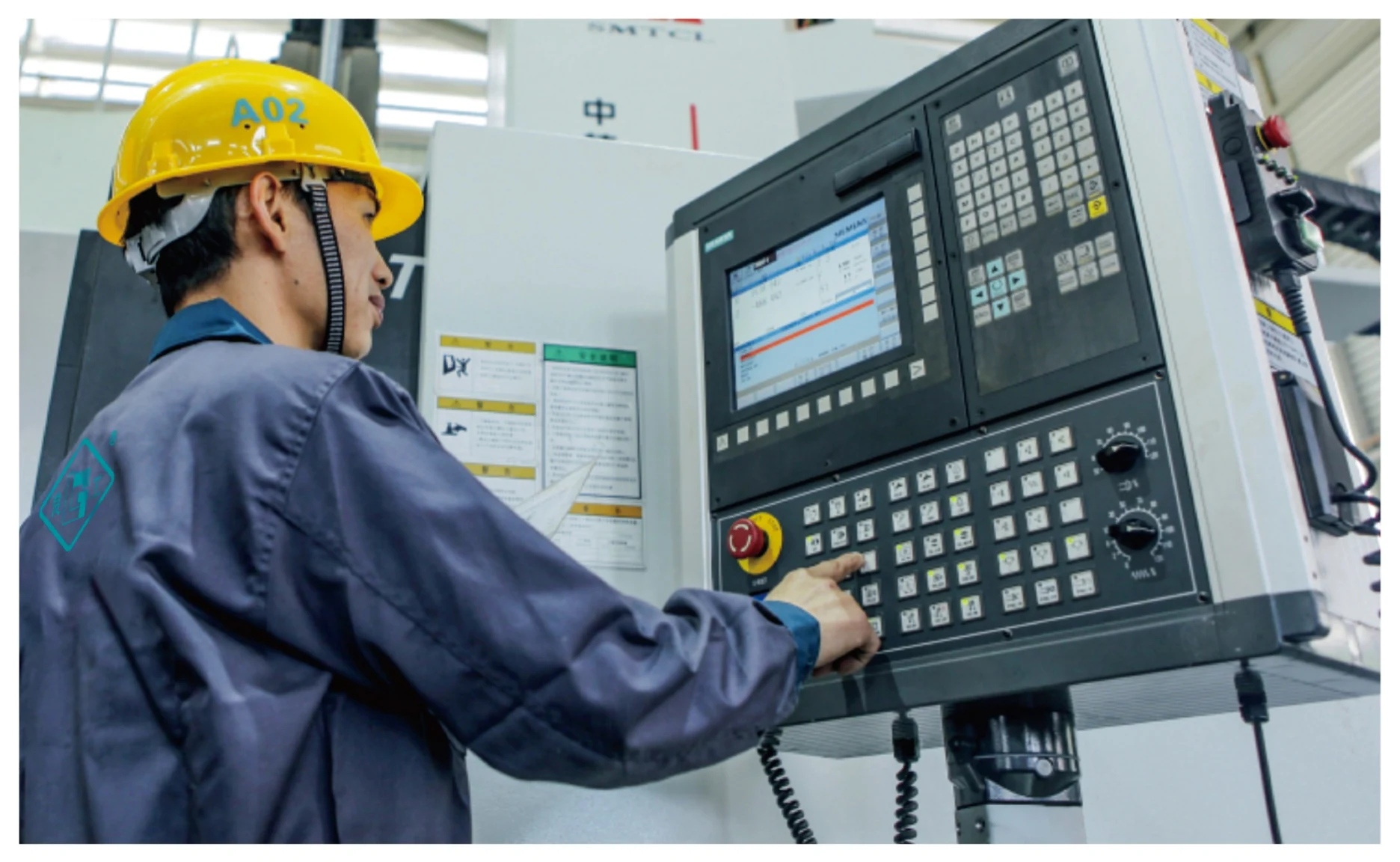
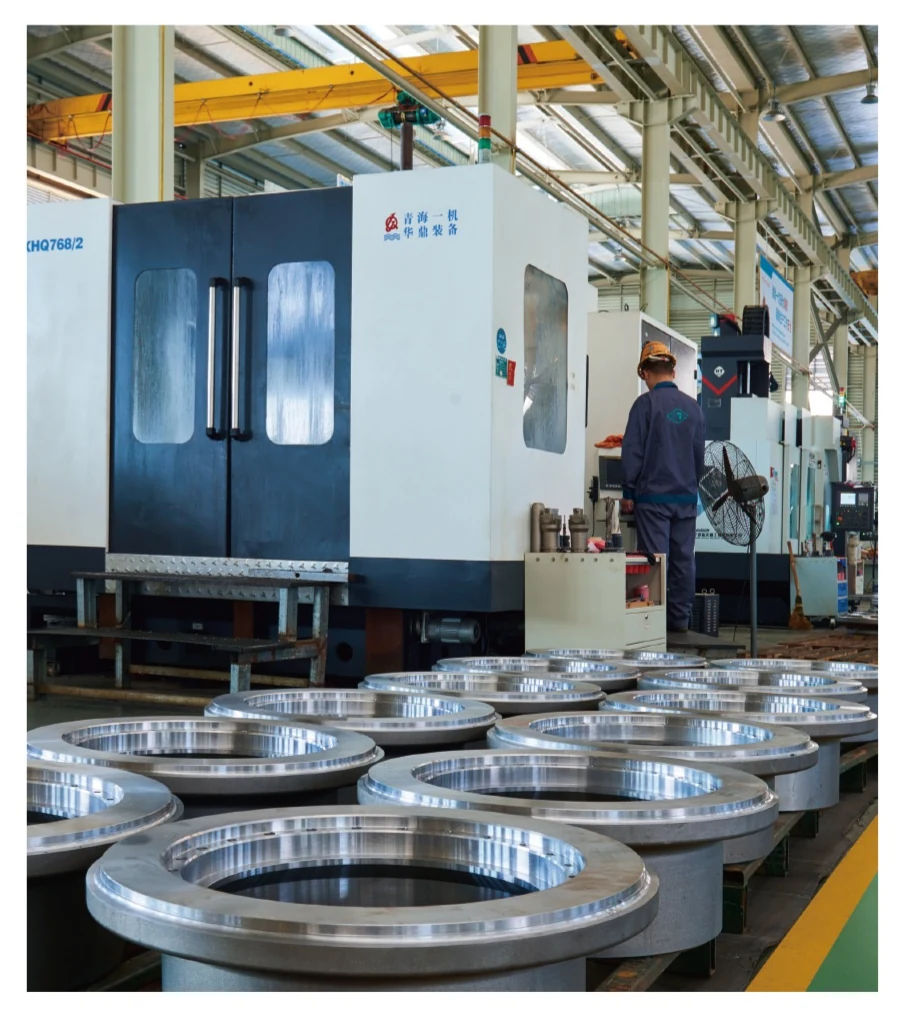
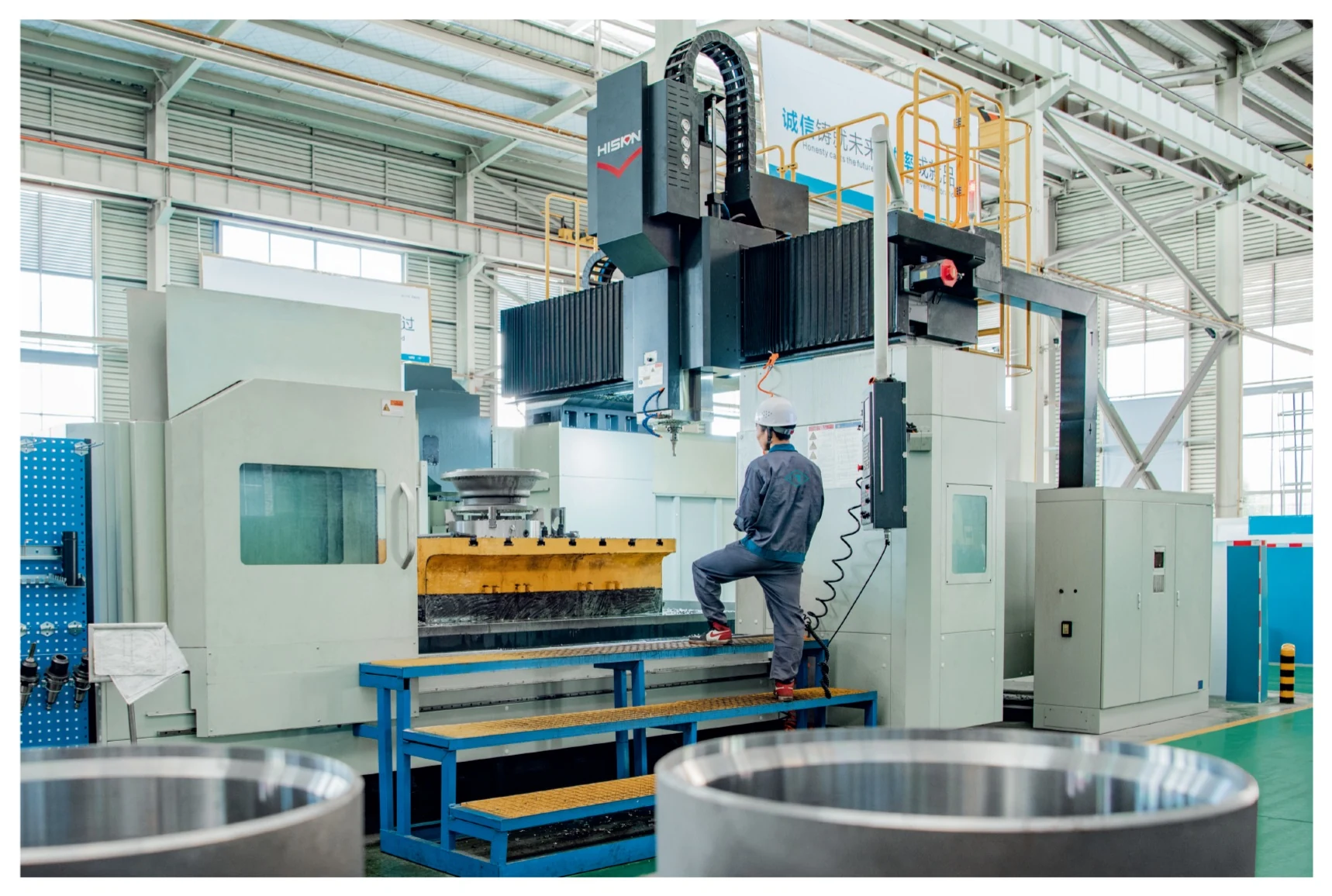
Machining context
Documented equipment and component images support a visible manufacturing environment.
Assembly context
Workshop and valve assembly images support process context, not hidden model specifications.
Order traceability
The offered product should connect drawings, materials, process controls, inspections and records to the purchase order.
Information framework
Trace the ordered valve from drawing to release
The approved configuration should drive material control, machining, assembly and final verification. The buyer can ask for the route and records applicable to the exact item—not assume every visible process applies.
| Decision area | Buyer inputs | Why it matters |
|---|---|---|
| Engineering input | Approved drawing, bill of materials and process requirements | Defines what should be manufactured |
| Material control | Specified materials, identification and required records | Maintains pressure-boundary traceability |
| Process route | Machining, preparation, assembly and applicable special processes | Connects work stages to the product |
| Release evidence | Inspection, testing, nonconformance and document completion | Supports final acceptance |
Documented visual evidence
See documented machining and assembly context
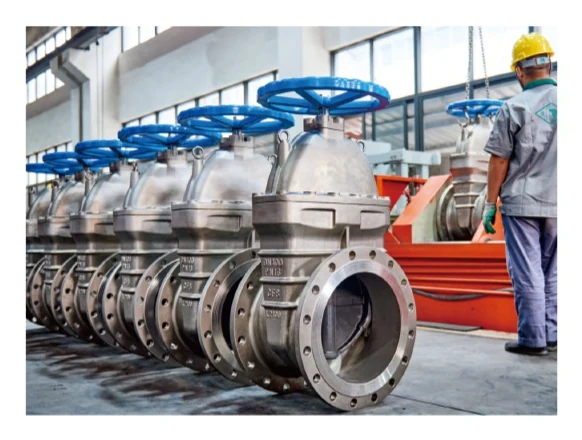
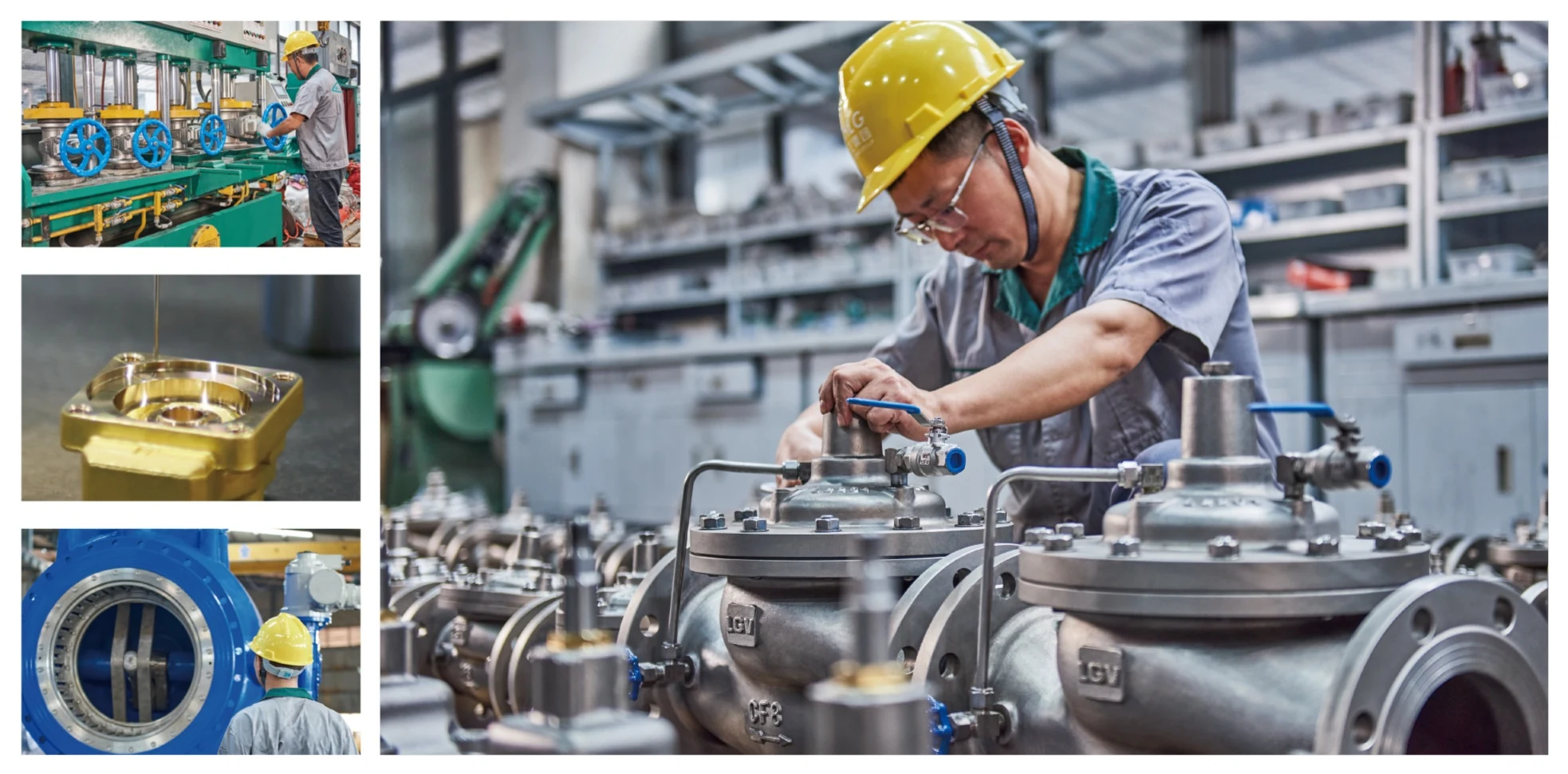
These source images show workshop and component context. They do not by themselves establish machine capacity, tolerance, special-process ownership or completion of a particular purchase order.
Evidence and claim limits
Where workshop imagery ends and order evidence begins
Machining and assembly images support a real manufacturing context. For a purchase decision, tie each claimed operation or special process to the offered valve and the current order documentation.
Verified public context
For buyers using the Manufacturing page, use only documented page and product identities, mapped assets and facts supported by the current source files.
Configuration-specific facts
When using Manufacturing for project handoff, keep materials, pressure, temperature, dimensions, standards and tests tied to the exact offered product.
Independent proof required
For the next action from Manufacturing, certificates, named customers, projects, shipments and quantitative claims require their own current records.
Quality and trust risks
Manufacturing claims that need product-level proof
Do not infer in-house welding, heat treatment, coating, output capacity or dimensional tolerance from a general workshop photograph. Request the relevant procedure and record when such scope matters.
- Claiming every photographed machine made every product
- Publishing capacity, tolerance or process values without evidence
- Treating manufacturing imagery as product certification
- Separating shop-floor work from the approved product definition
- Using generic quality language instead of order-specific records
Practical next step
Agree the manufacturing and inspection handoff
Agree the drawing revision, material identification, process checkpoints, inspection plan and document register before treating a manufacturing route as an accepted supply package.
1. Name the decision
State what must be selected, verified, quoted or documented.
2. Attach the inputs
Share relevant datasheets, schedules, drawings and project specifications.
3. Identify unknowns
Mark missing fields and responsibility instead of inserting assumed values.
4. Confirm the output
Agree the required quotation, submittal, record or follow-up route.
Practical buyer guidance
What useful factory evidence looks like
A credible factory review connects the valve identity to controlled drawings, material records, in-process checks, test requirements and deviations.
Drawings control the work
Manufacturing review should begin with the approved configuration, bill of materials and project requirements. Equipment photographs demonstrate context, while revision-controlled drawings and process instructions define what a particular order requires.
Material identity must travel
Specified pressure-boundary, trim, bolting and sealing materials should remain traceable through receiving, machining, assembly, inspection and final documentation. The exact identification method and records belong to the agreed order scope.
Special processes require scope
Heat treatment, welding, coating, nondestructive examination and other special activities should never be implied from general workshop imagery. Their procedure, personnel, acceptance and subcontracting status require explicit evidence where applicable.
Manufacturing and quality connect
Machining and assembly create the product; inspection verifies defined characteristics. A buyer should review how product identity, checkpoints, deviations and records stay linked rather than treating production and quality as unrelated marketing sections.
Decision record
Record the manufacturing evidence still needed
List open manufacturing questions by product ID or valve tag. Record which drawing, material document, process record or inspection result will close each item.
Selected route
Record the product, industry, resource or contact owner that now holds the decision.
Open questions
When using Manufacturing for project handoff, list missing technical, commercial, evidence and responsibility items with an owner for follow-up.
Required deliverable
For buyers using the Manufacturing page, define whether the next output is a shortlist, clarification, quotation, drawing, datasheet, inspection plan or document package.
Buyer questions
Questions about Lianggong's manufacturing scope
These answers distinguish visible workshop context from verified order-specific manufacturing evidence.
What does the manufacturing page prove?
It proves documented facility, equipment, component and assembly context shown in the current source assets.
Does it prove every special process is in-house?
No. Special-process capability and scope require explicit evidence.
What should a buyer request?
Request the approved drawing, material basis, process/inspection plan, tests and order-specific document register.
Choose the next evidence
Connect manufacturing evidence to the product and acceptance plan
Use the product owner for the configuration, Quality Control for acceptance records, and the document route for the files actually needed by the project.
Select the product owner
Find the category or documented series that matches the manufacturing question.
Define quality acceptance
Agree inspections, tests, hold points and order-specific release evidence.
Request technical documents
Check which catalogs are available and ask for the exact revision-controlled file.
Prepare an RFQ
Include the drawings, standards, inspection scope and open manufacturing questions.
Documented manufacturing footprint
Manufacturing evidence from the current company catalog
The catalog documents a multi-site manufacturing group and names production resources used across valve operations. Capability at quotation level must still be matched to the exact valve, material, size, pressure class and inspection plan.
Multiple specialised facilities
The source identifies the Wenzhou headquarters together with valve, control-valve, safety-valve, water-valve and casting operations.
Machining resources
The source records CNC machining centres, horizontal machining centres and large vertical lathes as group-level production resources.
Automated welding and flow production
The source records automatic welding equipment and a complete flow-production platform. Applicable procedures remain product and order specific.
Evidence source: Lianggong Valve Product Catalog EN, issued 30 June 2026, group overview and production-control pages 4 and 17–23
Technical and commercial contact
Request a manufacturing-evidence review
Send the product or series identity, drawing basis, required process controls and any inspection or witness requirements for review.