Industrial product category
Industrial Ball Valves for On-Off and Flow-Control Duties
Compare documented ball valve routes by shutoff duty, bore arrangement, body construction, seat system and actuation. The category page helps a project team define the service before it moves to a verified series or documented product.
Category scope: ball valve selection, documented product routing and RFQ preparation for industrial buyers.
Selection framework
Select a ball valve by duty, not by diameter alone
A nominal size does not define the valve. Buyers also need to resolve operating pressure and temperature, media compatibility, cycling frequency, leakage expectations, access and the required actuation philosophy.
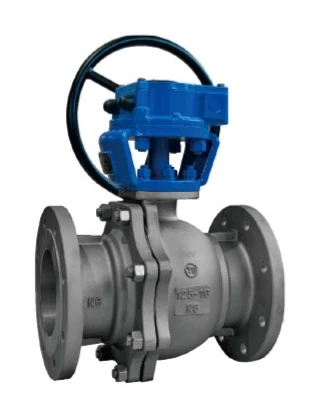
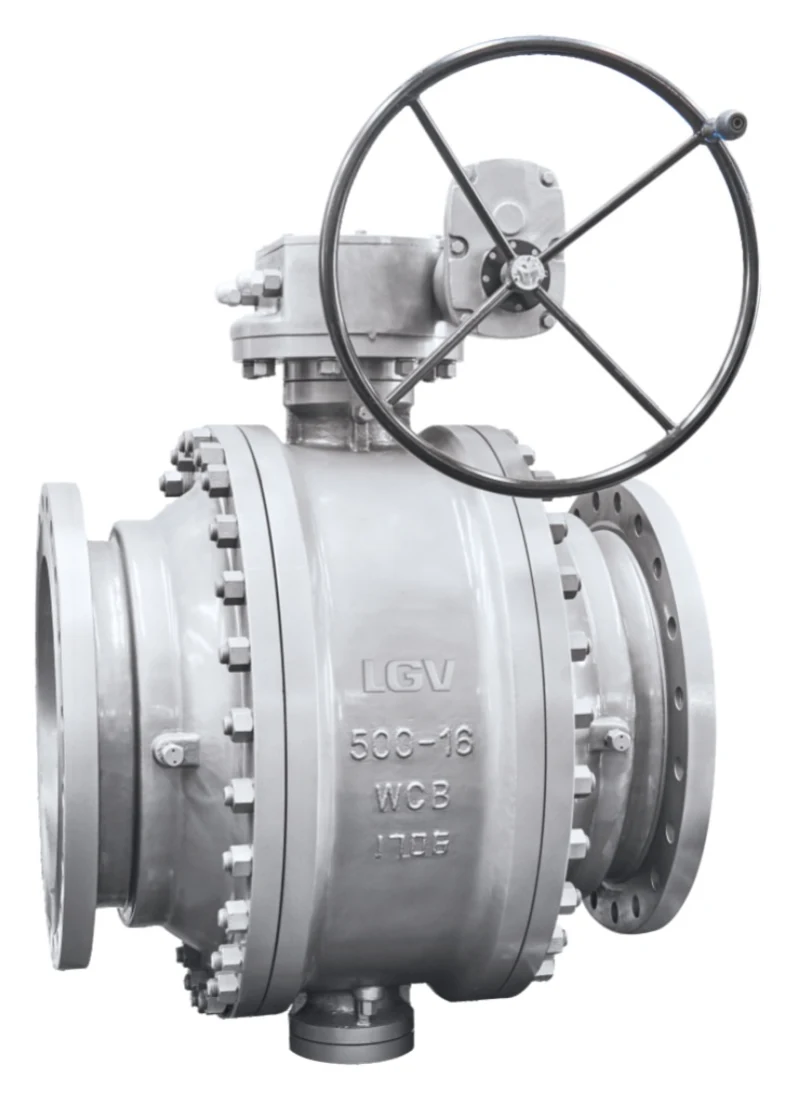
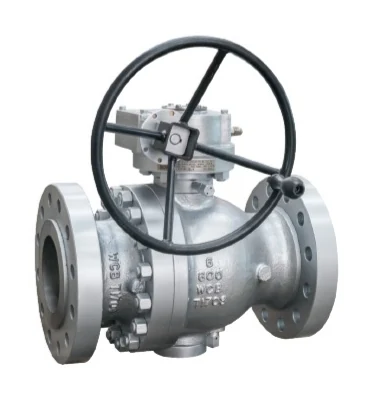
Floating or trunnion-mounted
Line size, pressure, torque and seat-loading behavior help determine which construction should be reviewed. The final choice belongs to a documented series or quoted configuration.
Full bore, reduced bore or characterized port
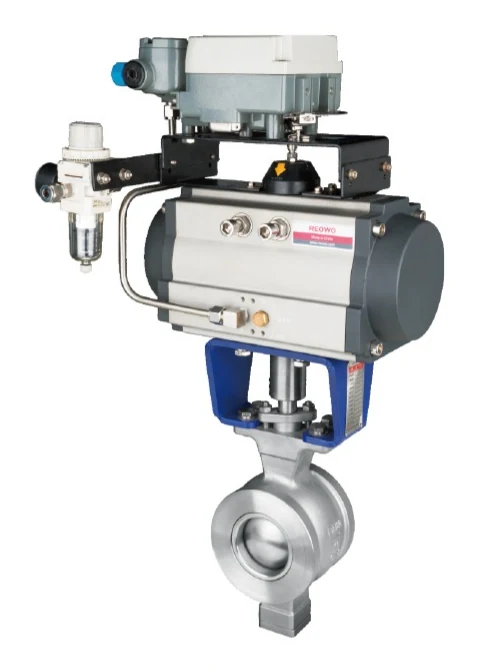
Isolation, pigging, pressure-drop and control requirements affect the bore and port decision. A V-port request should state the intended control duty and available process data.
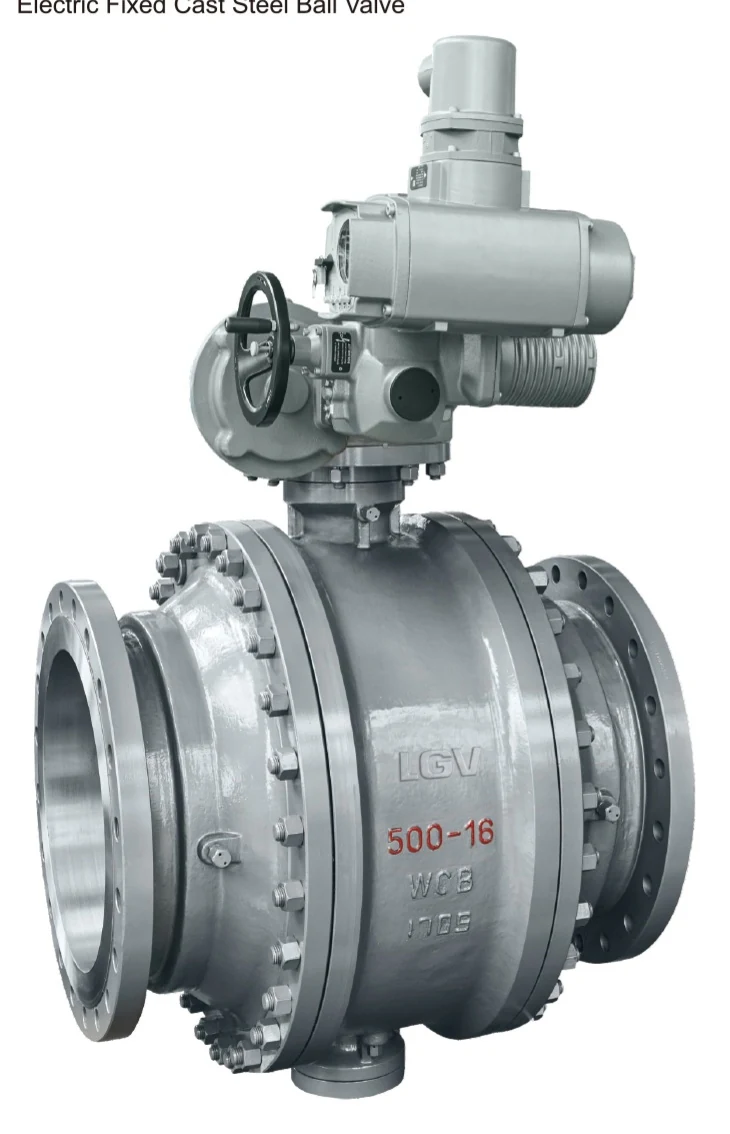
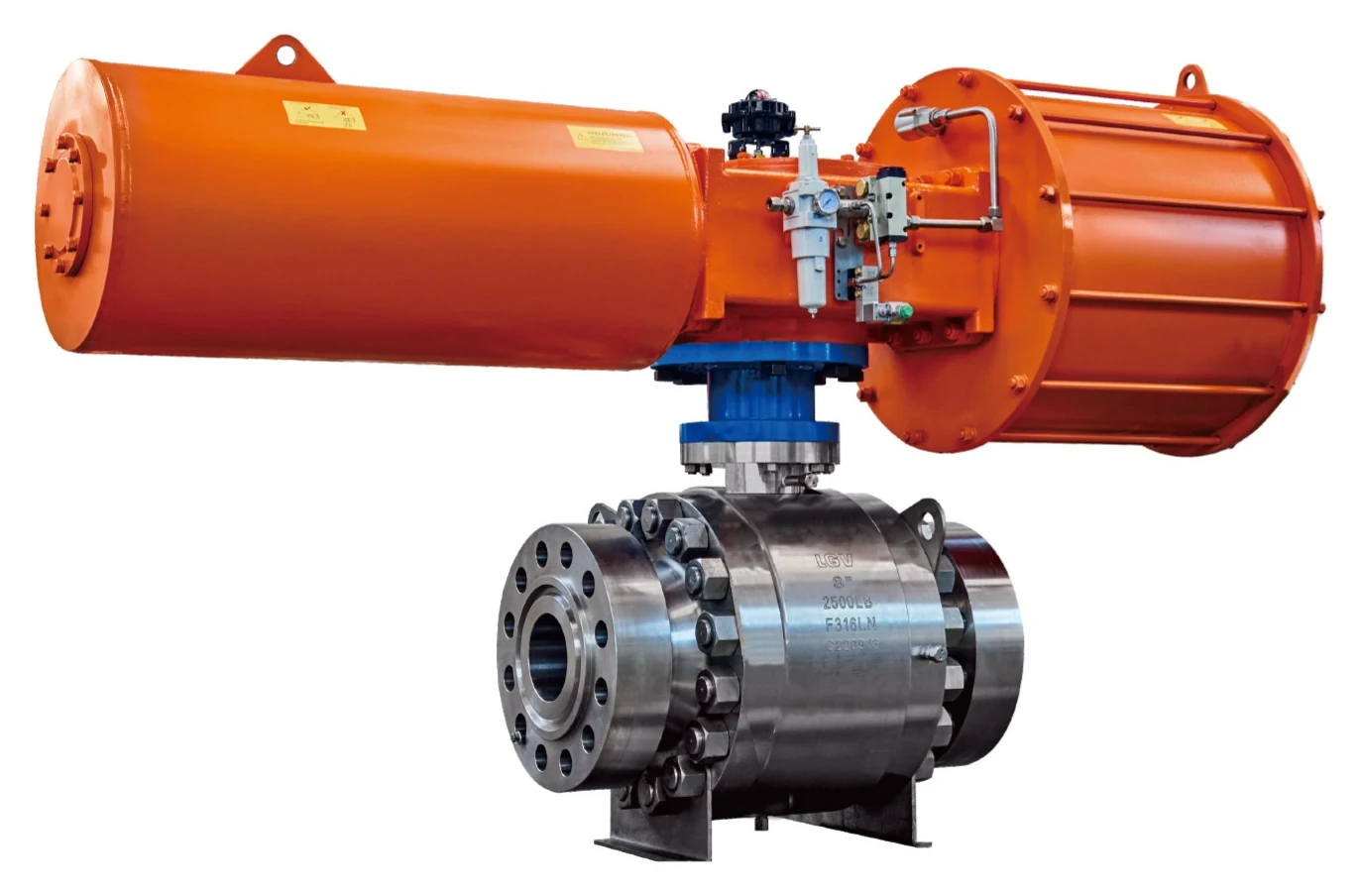
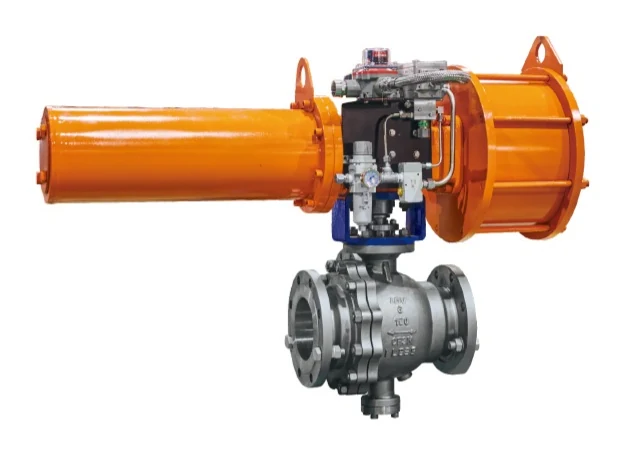
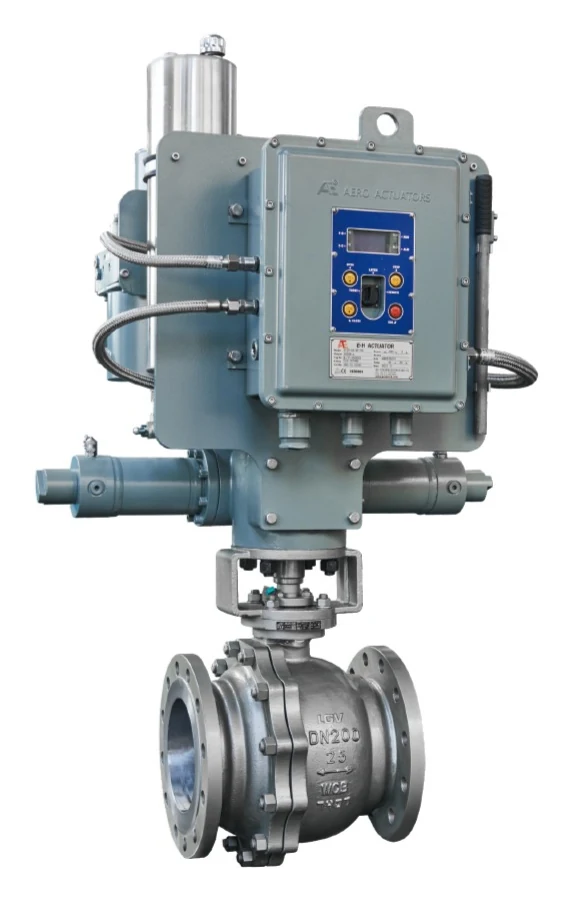
Manual, pneumatic or electric actuation
Cycle frequency, fail position, available utilities, area conditions and required feedback should be provided before actuator sizing or control accessories are discussed.
Specification and procurement
Ball valve configuration decisions to settle before quotation
Use the table as an RFQ checklist. It is a decision framework, not a claim that every combination is available.
| Decision area | Buyer inputs | Why it matters |
|---|---|---|
| Service envelope | Design and operating pressure, temperature range, medium and phase | Defines the basic pressure-containing and sealing review |
| Shutoff duty | Isolation, emergency isolation, frequent cycling or modulating service | Changes seat, torque, actuator and testing priorities |
| Body and access | One-, two- or three-piece; side entry, top entry or welded body | Affects maintenance access, leakage paths and installation strategy |
| Ends and bore | Flanged, welded or threaded where applicable; full or reduced bore | Must match piping, cleaning, pressure-drop and access needs |
Engineering pain points
Common ball valve inquiry gaps that delay technical review
The fastest route to a defensible selection is to remove ambiguity before price comparison.
- Quoting only size and pressure class
- Using “high pressure” without a design pressure and temperature
- Requesting fire-safe or cryogenic service without the required test or document basis
- Treating actuator selection as independent of valve torque and fail action
Application intent
Where ball valve selection becomes application-specific
Water, natural gas, cryogenic and high-pressure searches describe different engineering problems. They should not be collapsed into a single unsupported specification.
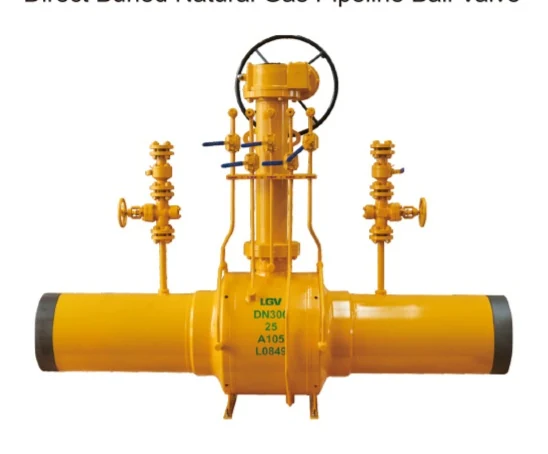
Pipeline and gas isolation
Confirm bore, seat behavior, operating torque, buried-service access and any pigging or emergency-shutdown requirement.
Cryogenic service review
State minimum temperature, material and seat expectations, stem-extension needs, test documentation and the governing project specification.
Water and utility duty
Separate industrial or municipal project requirements from household replacement intent. Provide water quality, pressure, temperature and actuation needs.
Product architecture
Continue to a documented ball valves series
When evaluating ball valve, these series are distinct product routes rather than duplicate category pages. Each keeps its documented scope and only uses claims supported for that series.
Verified series owner
Three-piece Ball Valves
For ball valve selection, open the series page for its documented identity, configuration scope and related catalog products.
Verified series owner
Fully Welded Ball Valves
For ball valve selection, open the series page for its documented identity, configuration scope and related catalog products.
Commercial procurement intent
How to evaluate an industrial ball valve manufacturer or supplier
Searches for a ball valve manufacturer, supplier or factory usually signal a buying decision. Compare the quality of the engineering response and the documented evidence limits—not only a price or a polished catalog image.
Seat, bore and torque traceability
A credible proposal identifies the documented body, port and seat concept and explains how the operating envelope informs torque and actuation.
Actuator package definition
The quotation should separate valve scope, actuator, controls, feedback and fail behavior instead of hiding them behind a generic “actuated valve” label.
Inspection aligned to the purchase order
Ask which drawings, pressure tests, material records and inspection points apply to the offered configuration—not to the product family in general.
Documented evidence and claim limits
What the current ball valves evidence can—and cannot—prove
Before requesting ball valve pricing, Lianggong’s confirmed supply capability permits commercial positioning for this category. Public technical claims still require product-level evidence, and standards or approvals must be verified for the quoted scope.
Documented identity
In a ball valve shortlist, catalog names and mapped product images can support identity. They do not prove every rating, dimension, material, test or certification.
Configuration-specific review
In a ball valve shortlist, pressure-temperature limits, materials, ends, actuation and testing remain tied to the quoted configuration and governing project documents.
Procurement traceability
In a ball valve shortlist, the RFQ should state required drawings, datasheets, inspection records, material records and certificates without assuming they already exist.
Documented products in this category
For ball valve selection, each card represents one documented catalog product. Technical values appear only when supported by mapped product evidence.
Documented product
ASME Hard Sealed Ball Valve
→
Buyer questions
Questions industrial buyers ask about ball valves
Before requesting ball valve pricing, these answers clarify category-level intent. Product-specific values remain in verified product documents and quotations.
Is a trunnion ball valve automatically the right choice for every high-pressure line?
No. Size, pressure, seat design, torque, duty and project specification must be reviewed together.
Can a ball valve be used for throttling?
A standard on-off ball valve should not be assumed suitable for control duty. Characterized-port geometry and operating conditions require a separate review.
What should a ball valve manufacturer receive with an RFQ?
Provide the service envelope, medium, size, ends, duty, actuation, leakage or test expectations, applicable standards and required documents.
Commercial routing
Continue the ball valves buying journey
When evaluating ball valve, internal links keep category, industry, company and resource intent distinct while giving buyers a clear next step.
Browse all valve products
When defining a ball valve inquiry, compare related valve families, then return here when this category best fits the required duty.
Review industry applications
Connect the valve family to service challenges and application-level selection context.
Inspect manufacturing and quality
In a ball valve shortlist, review company-level manufacturing and inspection evidence separately from product claims.
Use technical resources
When defining a ball valve inquiry, continue to guides and comparisons without moving informational intent into the product owner.
Technical inquiry
Prepare a reviewable ball valve RFQ
Before requesting ball valve pricing, share the available operating cases and procurement documents. Unknown fields can be marked for technical confirmation; they should not be filled with assumed values.
- Design and operating pressure
- Minimum, normal and maximum temperature
- Medium, composition and phase
- Nominal size and end connection
- Operating duty and cycle frequency
- Actuation, fail action and control signal
- Applicable standard, edition and project specification
- Testing, inspection and document requirements
Product series selection routes
Continue from the category to the appropriate series decision
Use these routes to organize buying intent and technical questions. Exact models and specifications remain controlled by the linked catalog evidence and quotation review.
Floating Ball Valves
Compare the documented floating-ball route by service duty, seat loading, bore, ends and operation.
Top Entry Ball Valves
Review maintenance access, body construction, bore and actuation against catalog evidence.
Trunnion Mounted Ball Valves
Define supported-ball intent, seat behavior, bore, service envelope and actuation before product confirmation.
V-Port Ball Valves
Route characterized-control demand through process cases, Cv review, shutoff and actuator requirements.
Double Block and Bleed Ball Valves
Define the isolation philosophy, pressure directions, bleed function and verification method.