Industrial product category
Industrial Check Valves for Reverse-Flow Protection
Select a check valve around system dynamics: normal velocity, reverse-flow event, closing response, orientation, available space and maintenance access. The category routes broad demand to documented check-valve constructions.
Category scope: check valve selection, documented product routing and RFQ preparation for industrial buyers.
Engineering pain points
Symptoms that point to a system-selection problem
Noise after installation is often a signal, not a complete diagnosis.
- Valve slam after pump trip
- Chatter at low or unstable flow
- Oversizing that prevents stable opening
- Installation orientation that conflicts with the closing mechanism
Selection framework
Choose the closing behavior before choosing the body shape
Swing, lift, ball, dual-plate and assisted-closing concepts respond differently to changing flow. A generic size-and-class request does not show whether slam, chatter or excessive pressure loss is the real risk.
Gravity or spring-assisted closing
Flow direction, orientation, minimum velocity and transient behavior affect whether assistance should be reviewed.
Swing, lift, ball or plate concept
Available envelope, pressure loss, solids, cleanliness and access guide the design family.
Quick-, slow- or controlled closing
Where transients matter, provide pump and line data rather than relying on a descriptive product name alone.
Specification and procurement
Check valve system data that supports a closing review
The valve must be considered as part of the piping system, especially around pumps and long water lines.
| Decision area | Buyer inputs | Why it matters |
|---|---|---|
| Flow profile | Normal, minimum and maximum flow or velocity | Helps assess stable opening and pressure loss |
| Reverse event | Pump trip, compressor stop, elevation change or process backflow | Defines the closing problem |
| Installation | Horizontal or vertical line, flow direction, nearby fittings and space | Affects mechanical behavior and serviceability |
| Medium | Phase, solids, viscosity, corrosivity and temperature | Influences closure element and material review |
Application intent
Reverse-flow protection has different failure modes
Water hammer, compressor backflow and solids-laden service should not be treated as one generic check-valve application.
Pump discharge
Provide pump curve, line profile, velocity, stop scenario and permitted surge so closing response can be evaluated.
Gas or compressor service
State gas conditions, pulsation, minimum flow, orientation and leakage expectations.
Slurry or dirty service
Describe particle size, concentration, settling behavior and maintenance access before selecting the closure concept.
Product architecture
Continue to a documented check valves series
When evaluating check valve, these series are distinct product routes rather than duplicate category pages. Each keeps its documented scope and only uses claims supported for that series.
Commercial procurement intent
How to evaluate an industrial check valve manufacturer or supplier
Searches for a check valve manufacturer, supplier or factory usually signal a buying decision. Compare the quality of the engineering response and the documented evidence limits—not only a price or a polished catalog image.
The protected problem is defined
When defining a check valve inquiry, a credible proposal starts with the equipment, process or downstream component being protected and the actual failure or contamination scenario.
Materials follow the real medium
When evaluating check valve, compatibility, wear and cleaning statements should reference the submitted fluid, solids and temperature conditions—not a broad industry label.
Evidence matches the offered configuration
For check valve selection, ask for the drawings, data, tests, material records and installation limits that apply to the quoted product rather than the category as a whole.
Documented evidence and claim limits
What the current check valves evidence can—and cannot—prove
Before requesting check valve pricing, Lianggong’s confirmed supply capability permits commercial positioning for this category. Public technical claims still require product-level evidence, and standards or approvals must be verified for the quoted scope.
Documented identity
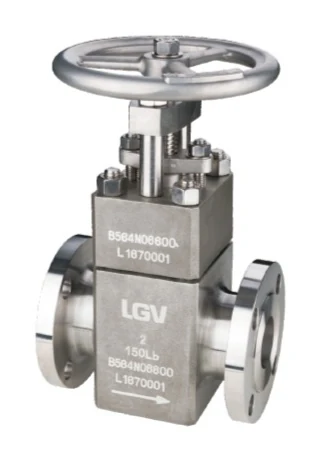
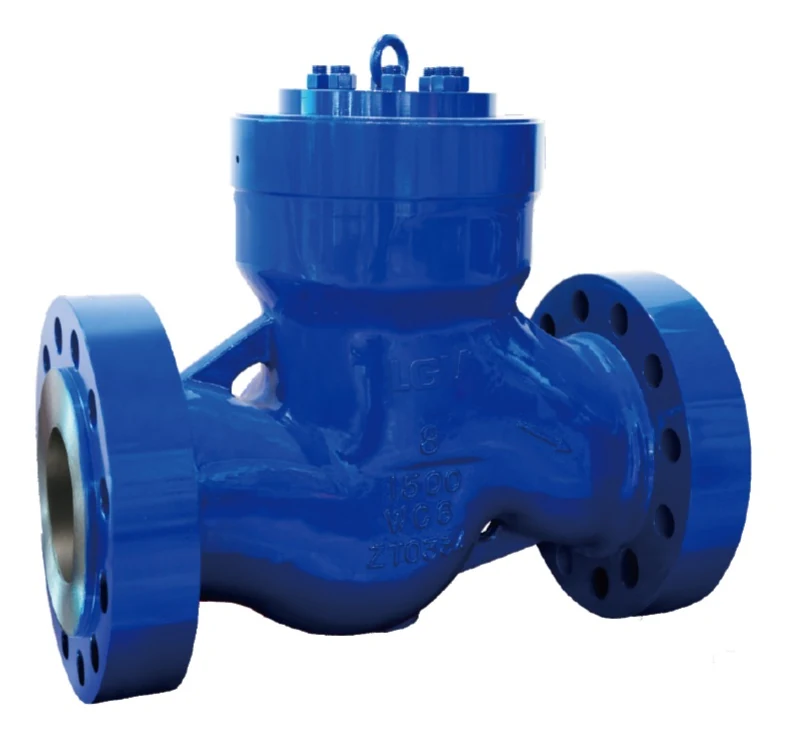
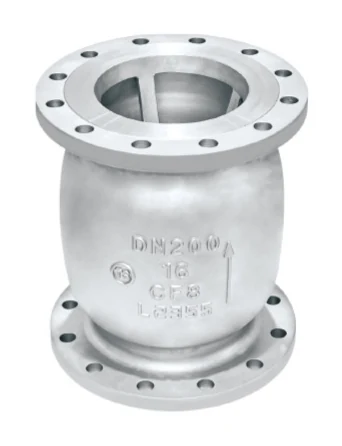
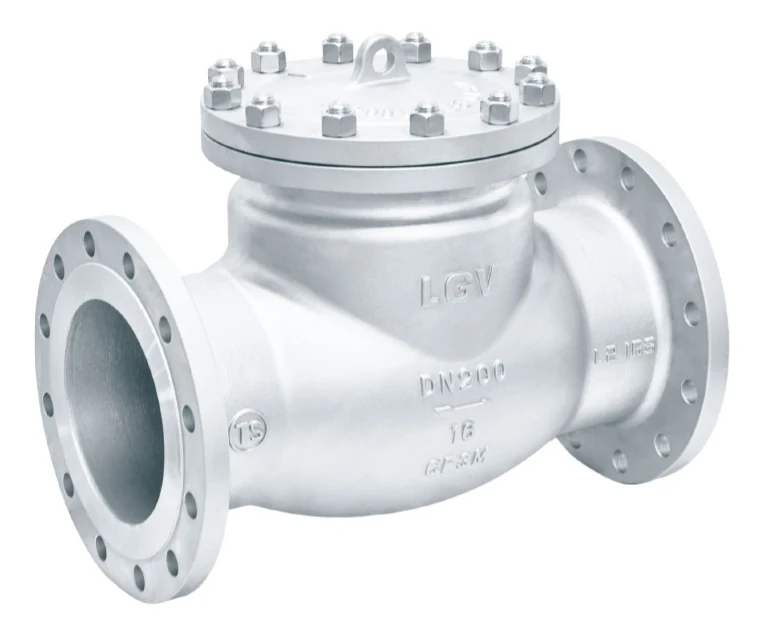
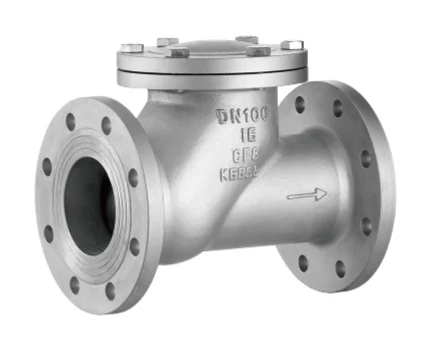
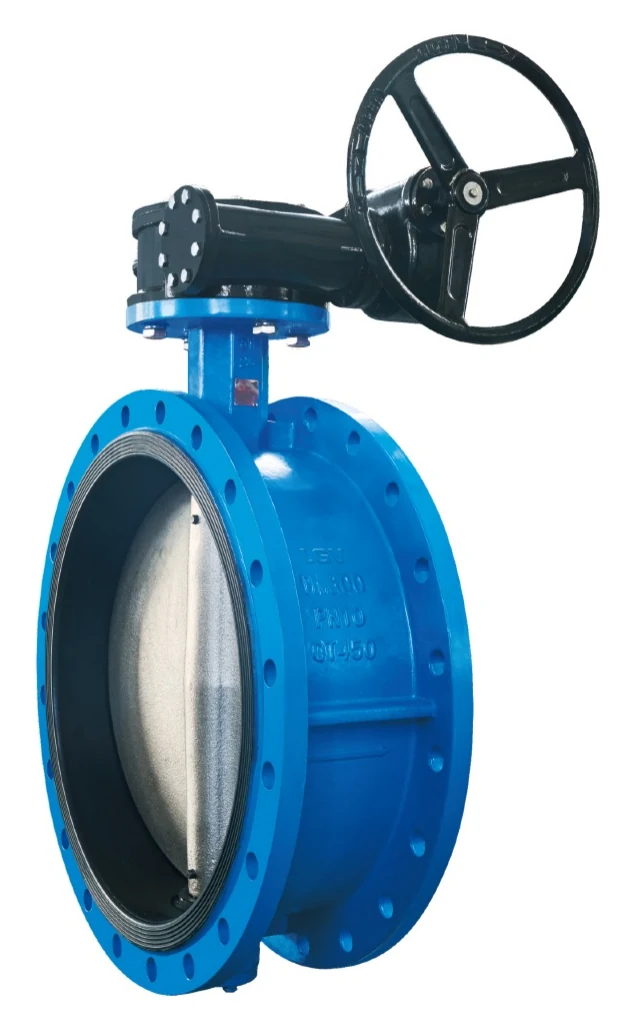
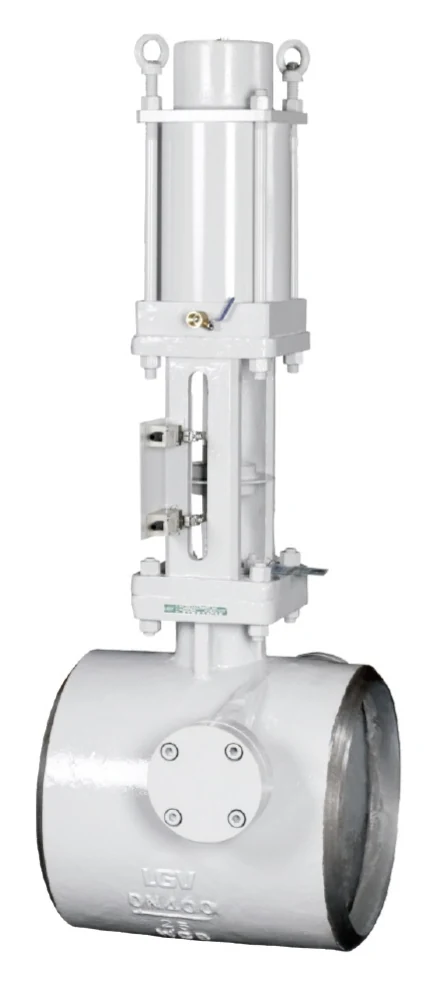
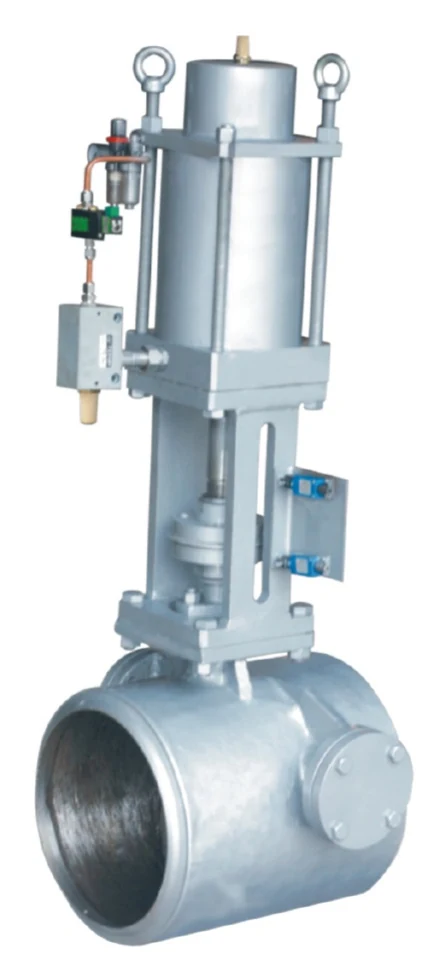
In a check valve shortlist, catalog names and mapped product images can support identity. They do not prove every rating, dimension, material, test or certification.
Configuration-specific review
In a check valve shortlist, pressure-temperature limits, materials, ends, actuation and testing remain tied to the quoted configuration and governing project documents.
Procurement traceability
In a check valve shortlist, the RFQ should state required drawings, datasheets, inspection records, material records and certificates without assuming they already exist.
Documented products in this category
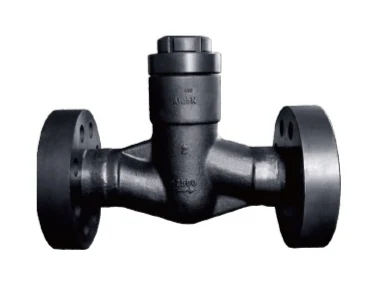
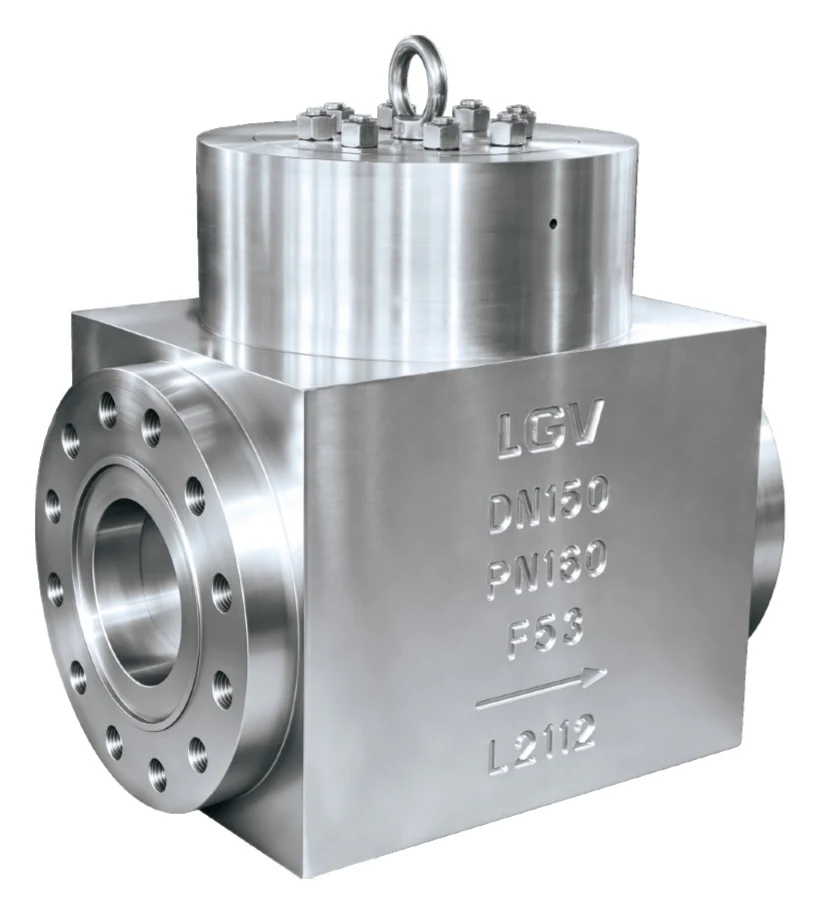
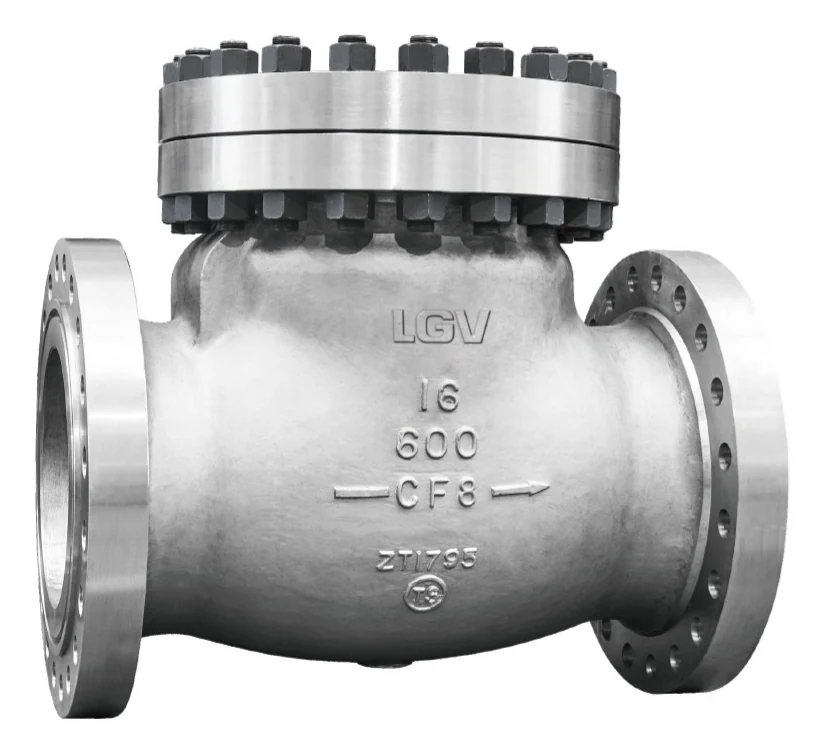
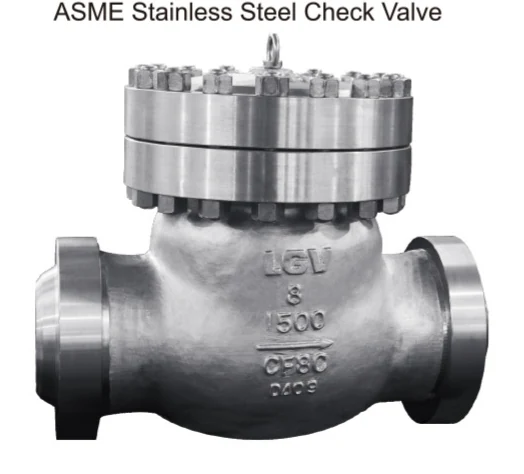
For check valve selection, each card represents one documented catalog product. Technical values appear only when supported by mapped product evidence.
Buyer questions
Questions industrial buyers ask about check valves
Before requesting check valve pricing, these answers clarify category-level intent. Product-specific values remain in verified product documents and quotations.
What causes check valve slam?
Reverse velocity and closing timing can make the closure element stop abruptly. System data is required before a solution is selected.
Does a larger check valve always reduce pressure loss?
Not necessarily. Oversizing may create unstable opening or chatter; line velocity and the documented valve geometry must be reviewed.
Can every check valve be installed vertically?
No general assumption is safe. Flow direction, gravity, spring assistance and the documented installation limits must be confirmed.
Commercial routing
Continue the check valves buying journey
When evaluating check valve, internal links keep category, industry, company and resource intent distinct while giving buyers a clear next step.
Browse all valve products
When defining a check valve inquiry, compare related valve families, then return here when this category best fits the required duty.
Review industry applications
Connect the valve family to service challenges and application-level selection context.
Inspect manufacturing and quality
In a check valve shortlist, review company-level manufacturing and inspection evidence separately from product claims.
Use technical resources
When defining a check valve inquiry, continue to guides and comparisons without moving informational intent into the product owner.
Technical inquiry
Prepare a reviewable check valve RFQ
Before requesting check valve pricing, share the available operating cases and procurement documents. Unknown fields can be marked for technical confirmation; they should not be filled with assumed values.
- Design and operating pressure
- Minimum, normal and maximum temperature
- Medium, composition and phase
- Nominal size and end connection
- Operating duty and cycle frequency
- Actuation, fail action and control signal
- Applicable standard, edition and project specification
- Testing, inspection and document requirements
Product series selection routes
Continue from the category to the appropriate series decision
Use these routes to organize buying intent and technical questions. Exact models and specifications remain controlled by the linked catalog evidence and quotation review.
Lift Check Valves
Match guided closure to flow stability, reverse-flow events and documented orientation limits.
Swing Check Valves
Define the reverse-flow event, velocity, orientation, closure response and maintenance constraints.
Silent Check Valves
Translate low-impact closure demand into transient, line-profile and acceptance requirements.