Industrial comparison guide
Ball Valve vs. Butterfly Valve: Differences and Selection Considerations
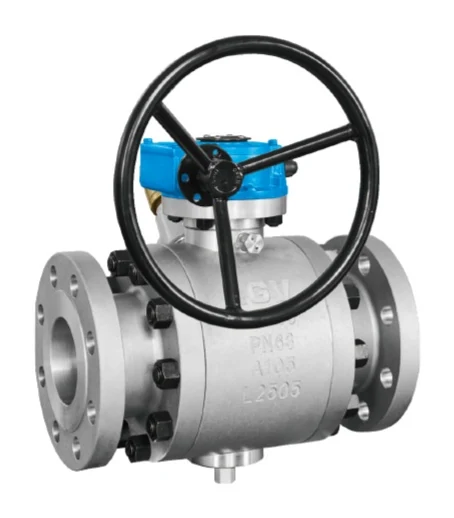
This evidence-led guide answers ball valve vs butterfly valve intent for industrial buyers. It supports a product decision without replacing the selected product datasheet, project specification or engineering review.
Short answer
The decision is not simply Ball valve or Butterfly valve
Ball valve and Butterfly valve use different geometry or operating behavior. Choose from the service duty, installation, operating cases and documented product evidence—not from a universal winner.
When Ball valve leads
Use the ball-valve route where bore, shutoff and quarter-turn package requirements dominate.
When Butterfly valve leads
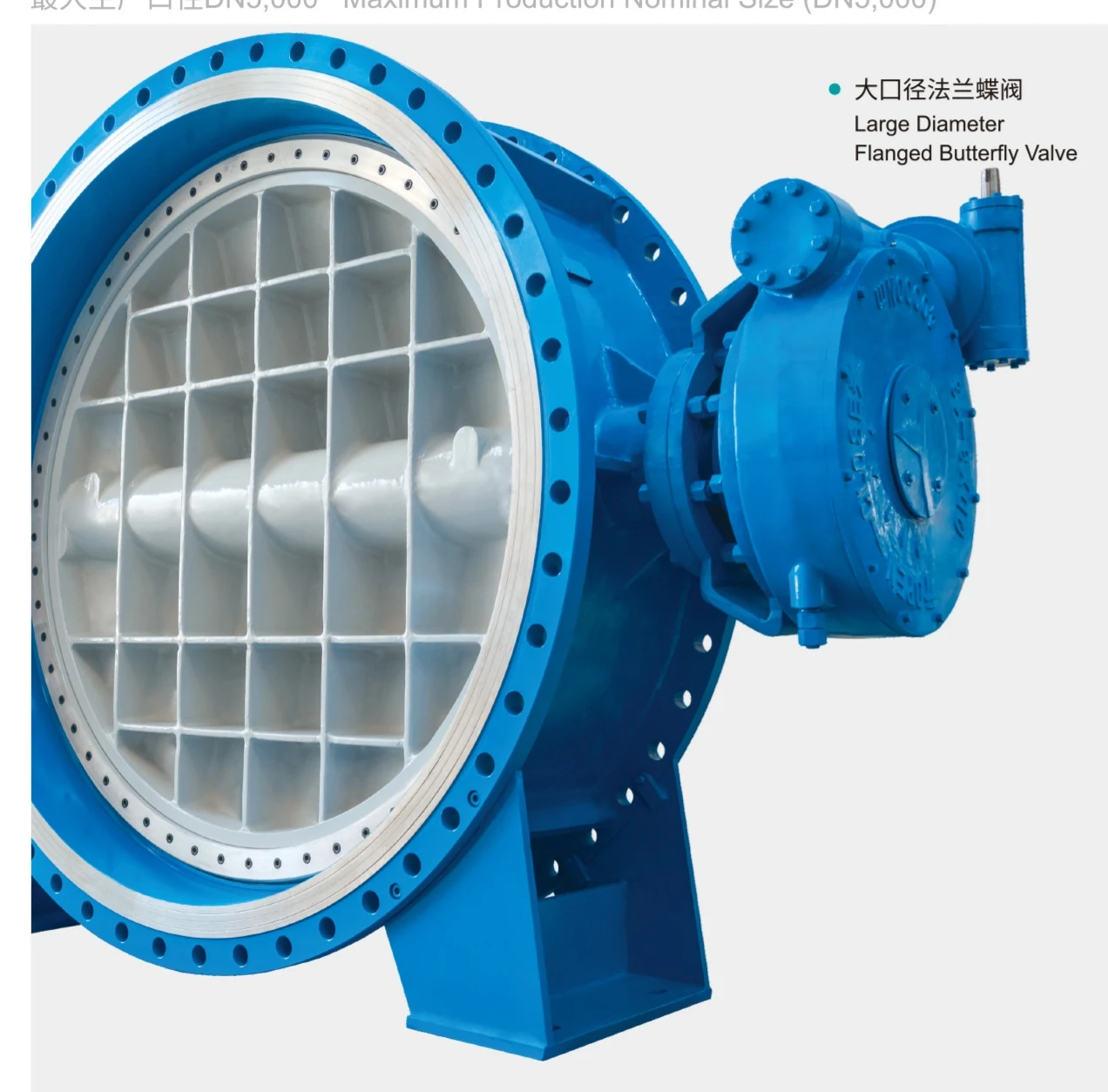
Use the butterfly-valve route where compact line integration and documented seat/disc construction fit.
When neither is proven
At the ball vs butterfly valve decision point, keep the decision open when the service envelope, product identity or evidence package is incomplete.
Side-by-side comparison
Compare Ball valve and Butterfly valve on the dimensions that change the purchase
For engineering teams comparing ball vs butterfly valve, the table describes decision logic, not guaranteed product performance. Verify the offered construction and operating limits.
| Comparison point | Ball valve | Butterfly valve |
|---|---|---|
| Closure geometry | A rotating ball and seat system controls the bore. | A rotating disc remains within the flow path. |
| Installation envelope | Body and end construction determine weight, access and maintenance. | Compact face-to-face arrangements may help large-line layouts. |
| Hydraulics | Bore and port geometry determine pressure loss. | Disc, opening angle and seat geometry affect flow and torque. |
| RFQ focus | Bore, seat, body access, ends and torque. | Offset, seat, disc, ends, flange interface and torque. |
How to choose
A five-step ball valve vs butterfly valve selection method
Before using ball vs butterfly valve guidance in an RFQ, a consistent sequence prevents the comparison from collapsing into price, nominal size or a single feature.
1. Define the function
State isolation, regulation, non-return or protection duty and consequence of failure.
2. Record the cases
Provide pressure, temperature, flow, medium and credible transient or upset conditions.
3. Check installation
Resolve ends, orientation, space, maintenance, actuation and access.
4. Compare evidence
Review drawings, datasheets, materials, tests, standards and explicit exceptions.
5. Select the owner
Move to the documented product page and exact catalog identity before quotation.
Selection mistakes
Avoid false conclusions in the ball valve vs butterfly valve comparison
For a traceable ball vs butterfly valve inquiry, search snippets often compress a multi-variable engineering decision into one advantage. These shortcuts should remain outside the final specification.
- Declaring one design universally better
- Using a competitor drawing as product evidence
- Comparing unaligned pressure-temperature or material scopes
- Turning a common tendency into a guaranteed performance claim
- Skipping actuation, installation or maintenance constraints
Evidence to verify before selection
Verify the offered Ball valve or Butterfly valve—not the generic label
For a traceable ball vs butterfly valve inquiry, Lianggong product images support visual/product context only. Exact materials, dimensions, ratings, tests and standards require the selected product document.
Product identity
Name the exact category, series and catalog member under review.
Technical basis
Align service cases, design assumptions, calculations and acceptance criteria.
Procurement proof
At the ball vs butterfly valve decision point, request drawings, datasheets, material/test records and applicable certificates for the offered scope.
Engineering and procurement use
Convert the ball valve vs. butterfly valve: differences and selection considerations into a controlled project decision
When researching ball vs butterfly valve, a useful guide creates shared language across process, piping, mechanical, maintenance and procurement teams. It should make missing information obvious before a vendor is asked to confirm a configuration.
Engineering review
In a ball vs butterfly valve review, record the service cases, assumptions, consequences and acceptance criteria that determine technical suitability.
Commercial comparison
For a traceable ball vs butterfly valve inquiry, issue the same data and document requirements to each supplier, then compare explicit inclusions, exclusions and deviations.
Approval handoff
For engineering teams comparing ball vs butterfly valve, tie the selected product identity to the approved drawing, datasheet, calculations, material records, tests and revision-controlled submittal list.
Commercial-owner sovereignty
Use this ball valve vs. butterfly valve: differences and selection considerations guide to support—not replace—the product owner
In a ball vs butterfly valve review, use Resources for education and comparison, then continue to product pages for manufacturer evaluation, specifications and RFQ preparation.
Review the commercial product owner
Continue to documented product categories or series for buying intent.
Browse all products
Before using ball vs butterfly valve guidance in an RFQ, compare the relevant product routes, then continue to the product page that matches the selected design.
Explore industry applications
Connect the decision to service conditions and operating consequences.
Prepare an RFQ
Send operating cases and evidence requirements for technical review.
Buyer questions
Questions buyers ask after a ball valve vs butterfly valve search
The correct answer depends on the submitted project and documented product.
Which option is more reliable?
Before using ball vs butterfly valve guidance in an RFQ, reliability is duty- and product-specific. Compare the mechanism, operating cases, evidence and maintenance plan.
Which option has lower pressure drop?
For engineering teams comparing ball vs butterfly valve, use verified geometry or coefficients at the relevant operating point; do not assume from the generic type.
Which option costs less?
In a ball vs butterfly valve review, compare the complete valve, actuator, installation, testing, documentation and lifecycle scope.
Decision handoff
Turn the ball valve vs butterfly valve research into a reviewable inquiry
At the ball vs butterfly valve decision point, provide the actual medium, operating cases, line interface, duty, actuation, project standards and required evidence. Unknowns may stay open for confirmation.
- Minimum, normal, maximum and upset operating cases
- Medium composition, phase, solids and temperature
- Line size, ends, orientation and available envelope
- Required function, cycling, fail action and controls
- Applicable standards, editions and project exceptions
- Drawings, testing, inspection and document deliverables