Industrial Butterfly Valves for Compact Flow Isolation
Evaluate butterfly valves by seat concept, disc offset, end pattern, pressure-temperature envelope and actuator duty. This owner routes broad category demand to the most defensible documented product or series.
Category scope: butterfly valve selection, documented product routing and RFQ preparation for industrial buyers.
Start with the sealing system and installation envelope
Wafer, lugged, flanged and welded arrangements solve different piping and maintenance problems. Disc position, seat construction and line geometry also affect torque, shutoff and installation clearance.
Concentric or offset design
Temperature, pressure, cycling and shutoff expectations determine whether a resilient-seat or offset metal-seat concept should be reviewed.
Wafer, lugged, flanged or welded ends
The piping layout, dead-end service, removal strategy and flange standard must be stated before the end pattern is selected.
Manual, electric or hydraulic operation
Valve torque, travel time, fail behavior, controls and operating frequency are part of the valve package—not an afterthought.
Specification and procurement
Butterfly valve inputs that control fit and performance
Provide actual operating data rather than selecting from a generic catalog image.
Decision area
Buyer inputs
Why it matters
Seat and disc
Resilient, lined or metal-seat expectation; medium and temperature
Controls compatibility and shutoff review
Disc offset
Concentric, double-offset or triple-offset requirement
Changes sealing geometry and duty envelope
Piping interface
Wafer, lugged, flanged or welded; mating flange and face-to-face needs
Prevents installation and replacement conflicts
Actuation
Torque basis, travel time, utilities, fail position and feedback
Defines actuator and control accessory review
Engineering pain points
Installation risks to resolve before butterfly valve sizing
The nominal line size is only one part of a usable butterfly valve specification.
Disc interference with adjacent pipework or check valves
Unverified flange compatibility
Actuator sizing without maximum differential pressure
Assuming every seat material fits every temperature or medium
Application intent
Application questions behind common butterfly valve searches
Large diameter, vacuum, ventilation, cryogenic and high-pressure services cannot share one assumed configuration.
Large-diameter water systems
Provide hydraulic duty, maximum differential pressure, closing time, surge considerations and installation orientation.
High-temperature or hard-seat duty
Define temperature, cycling, shutoff class or leakage expectation and the required material documentation.
Vacuum or ventilation service
State the operating pressure range, medium, tightness expectation, duct or pipe interface and actuator controls.
Product architecture
Continue to a documented butterfly valves series
When evaluating butterfly valve, these series are distinct product routes rather than duplicate category pages. Each keeps its documented scope and only uses claims supported for that series.
How to evaluate an industrial butterfly valve manufacturer or supplier
Searches for a butterfly valve manufacturer, supplier or factory usually signal a buying decision. Compare the quality of the engineering response and the documented evidence limits—not only a price or a polished catalog image.
Seat, bore and torque traceability
A credible proposal identifies the documented body, port and seat concept and explains how the operating envelope informs torque and actuation.
Actuator package definition
The quotation should separate valve scope, actuator, controls, feedback and fail behavior instead of hiding them behind a generic “actuated valve” label.
Inspection aligned to the purchase order
Ask which drawings, pressure tests, material records and inspection points apply to the offered configuration—not to the product family in general.
Documented evidence and claim limits
What the current butterfly valves evidence can—and cannot—prove
Before requesting butterfly valve pricing, Lianggong’s confirmed supply capability permits commercial positioning for this category. Public technical claims still require product-level evidence, and standards or approvals must be verified for the quoted scope.
Documented identity
In a butterfly valve shortlist, catalog names and mapped product images can support identity. They do not prove every rating, dimension, material, test or certification.
Configuration-specific review
In a butterfly valve shortlist, pressure-temperature limits, materials, ends, actuation and testing remain tied to the quoted configuration and governing project documents.
Procurement traceability
In a butterfly valve shortlist, the RFQ should state required drawings, datasheets, inspection records, material records and certificates without assuming they already exist.
Documented products in this category
For butterfly valve selection, each card represents one documented catalog product. Technical values appear only when supported by mapped product evidence.
Documented product
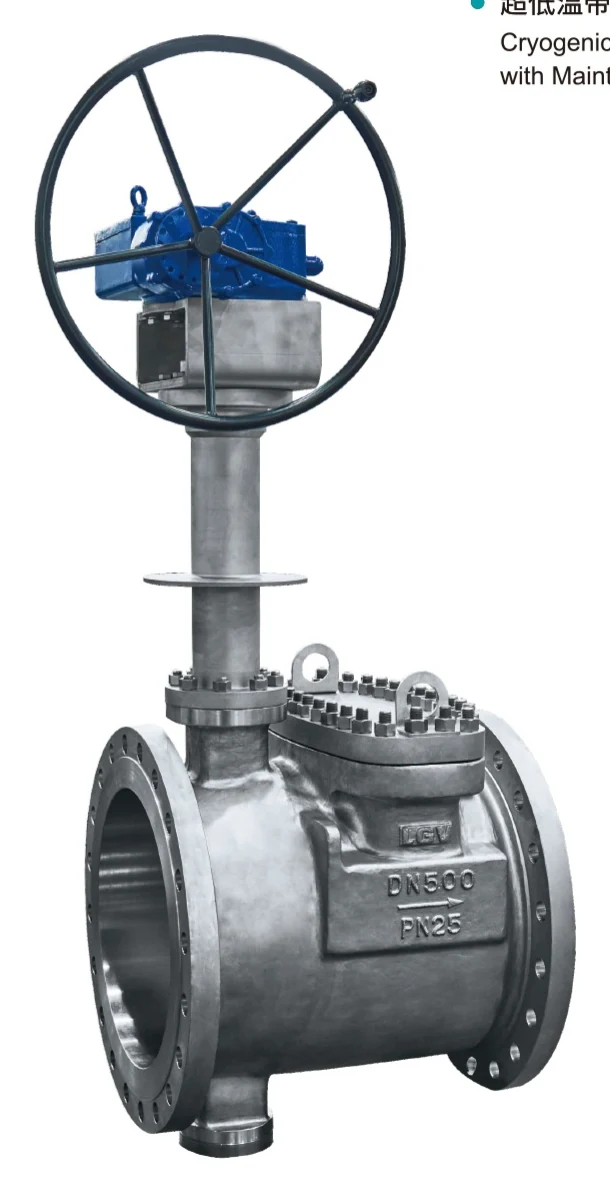
Cryogenic Butterfly Valve with Maintenance Port
→
Documented product
DN5,000 Electric Vacuum Butterfly Valve
→
Documented product
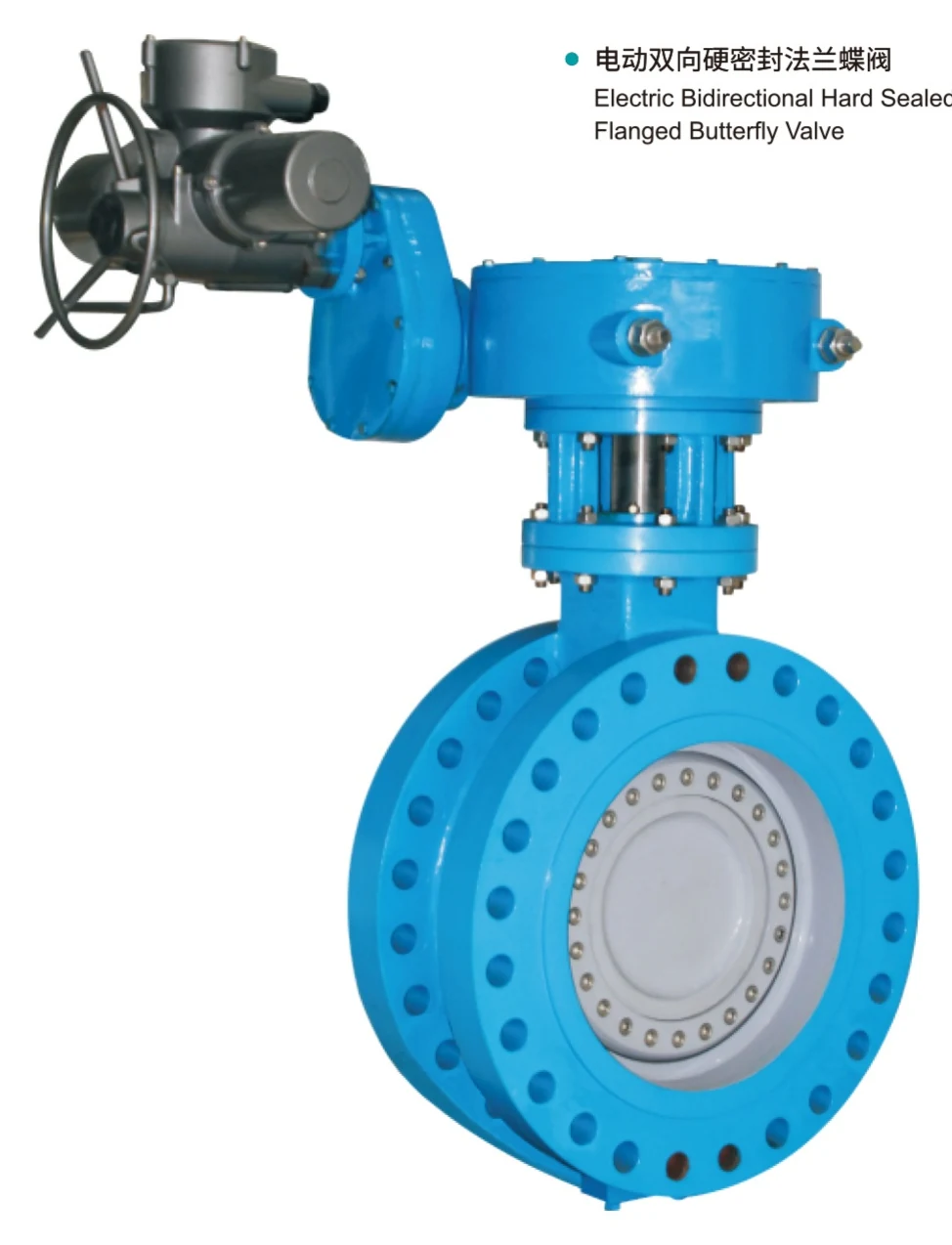
Electric Bidirectional Hard Sealed Flanged Butterfly Valve
→
Documented product
Electric Butterfly Valve
→
Documented product
Electric Flanged Ventilation Butterfly Valve
→
Documented product
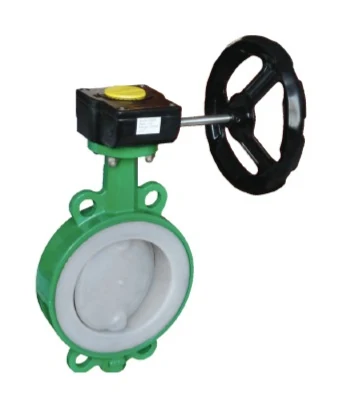
Electric PTFE Lined Flanged Butterfly Valve
→
Documented product
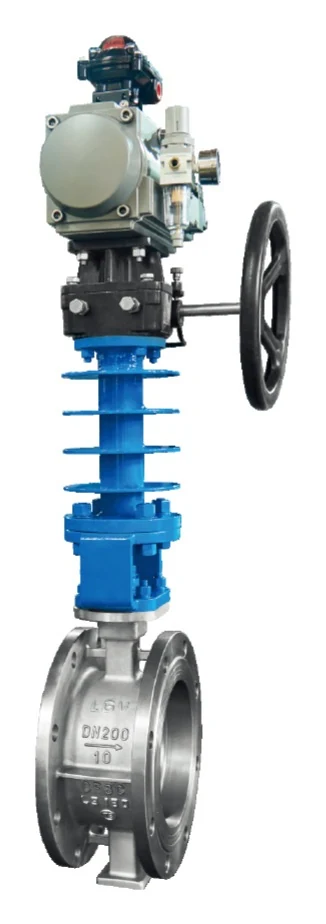
Electric Stainless Steel Flanged Butterfly Valve
→
Documented product
Electric Triple Eccentric Metal-to-Metal Fully Welded Butterfly Valve
→
Documented product
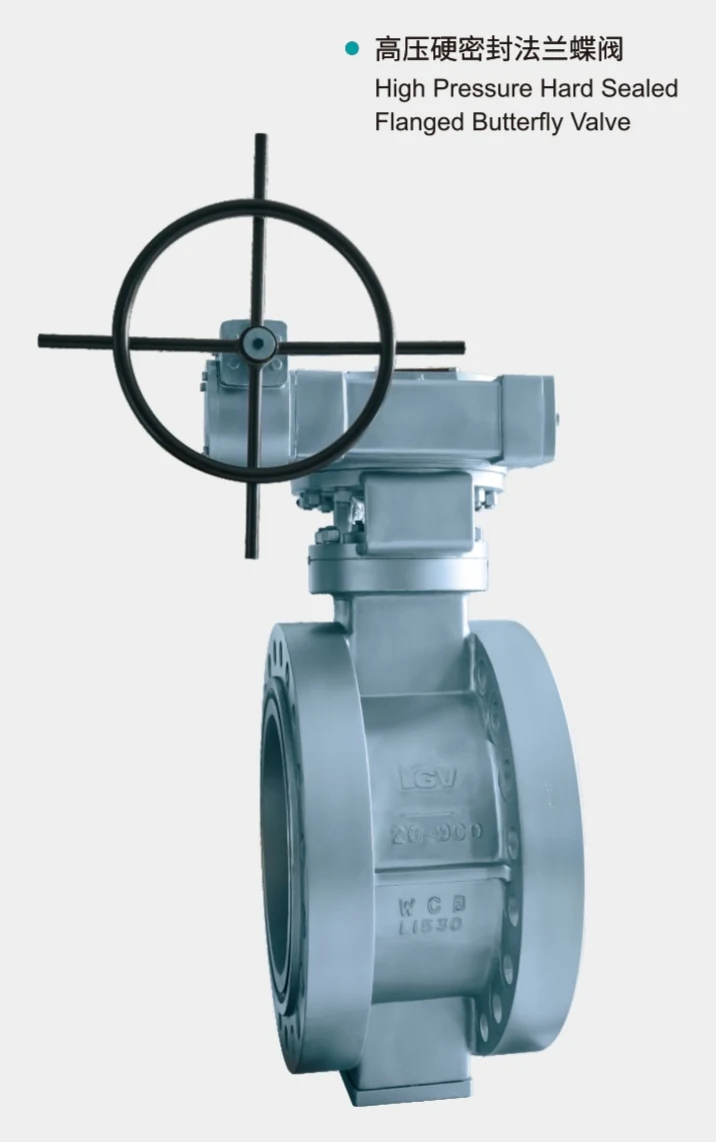
High Pressure Hard Sealed Fully Welded Butterfly Valve
→
Documented product
Hydraulic Butterfly Valve
→
Documented product
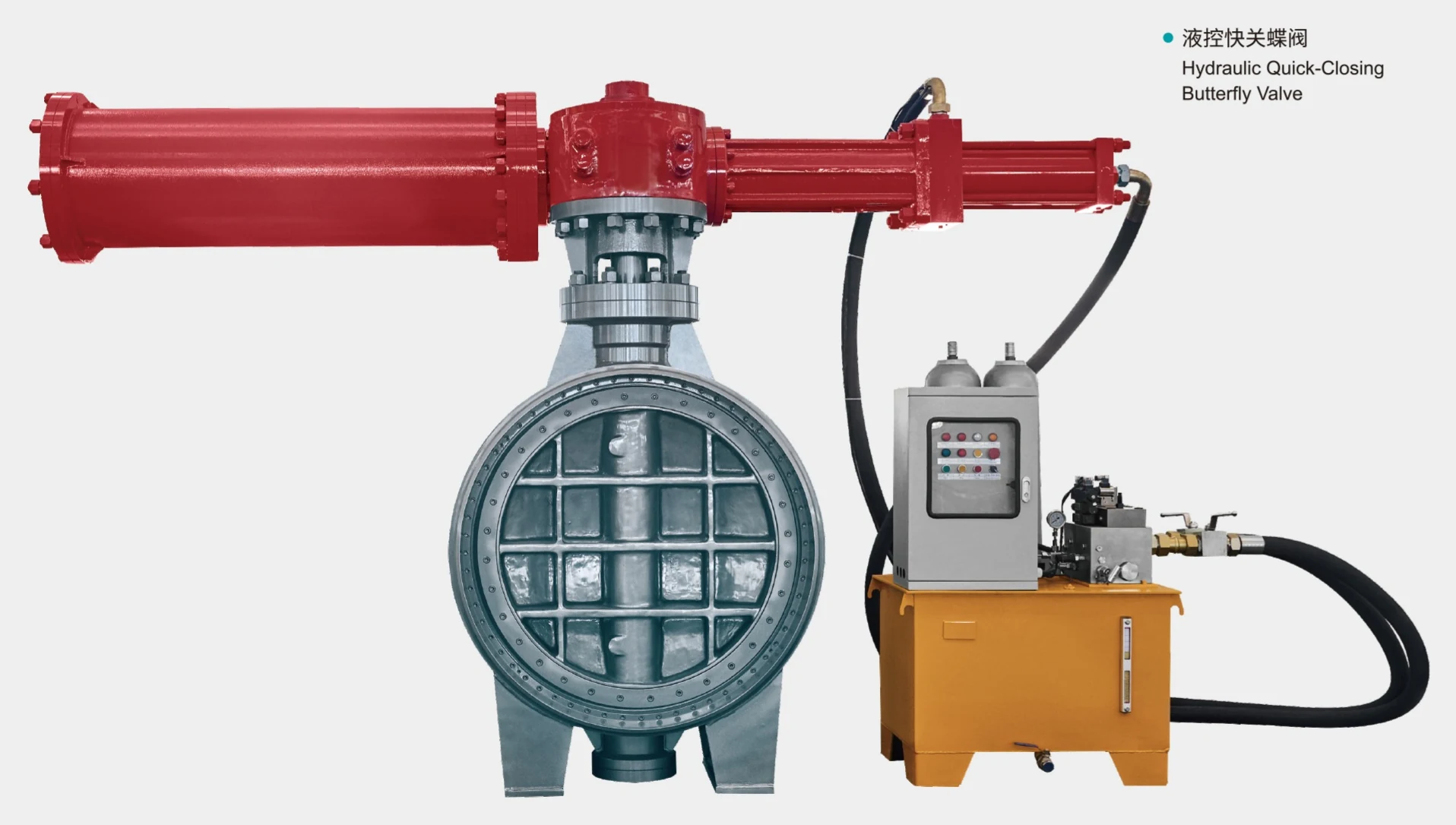
Hydraulic Quick-Closing Butterfly Valve
→
Documented product
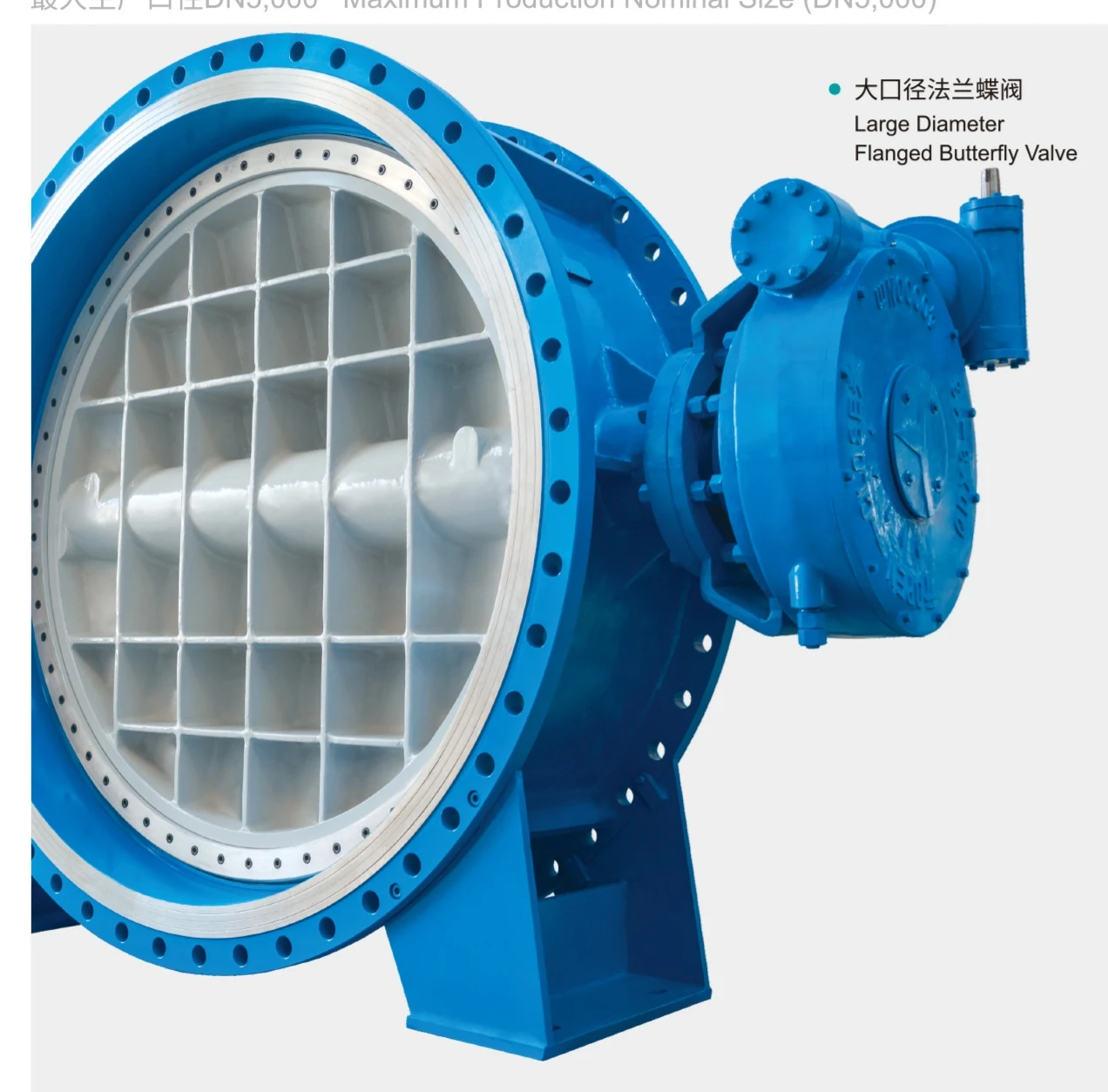
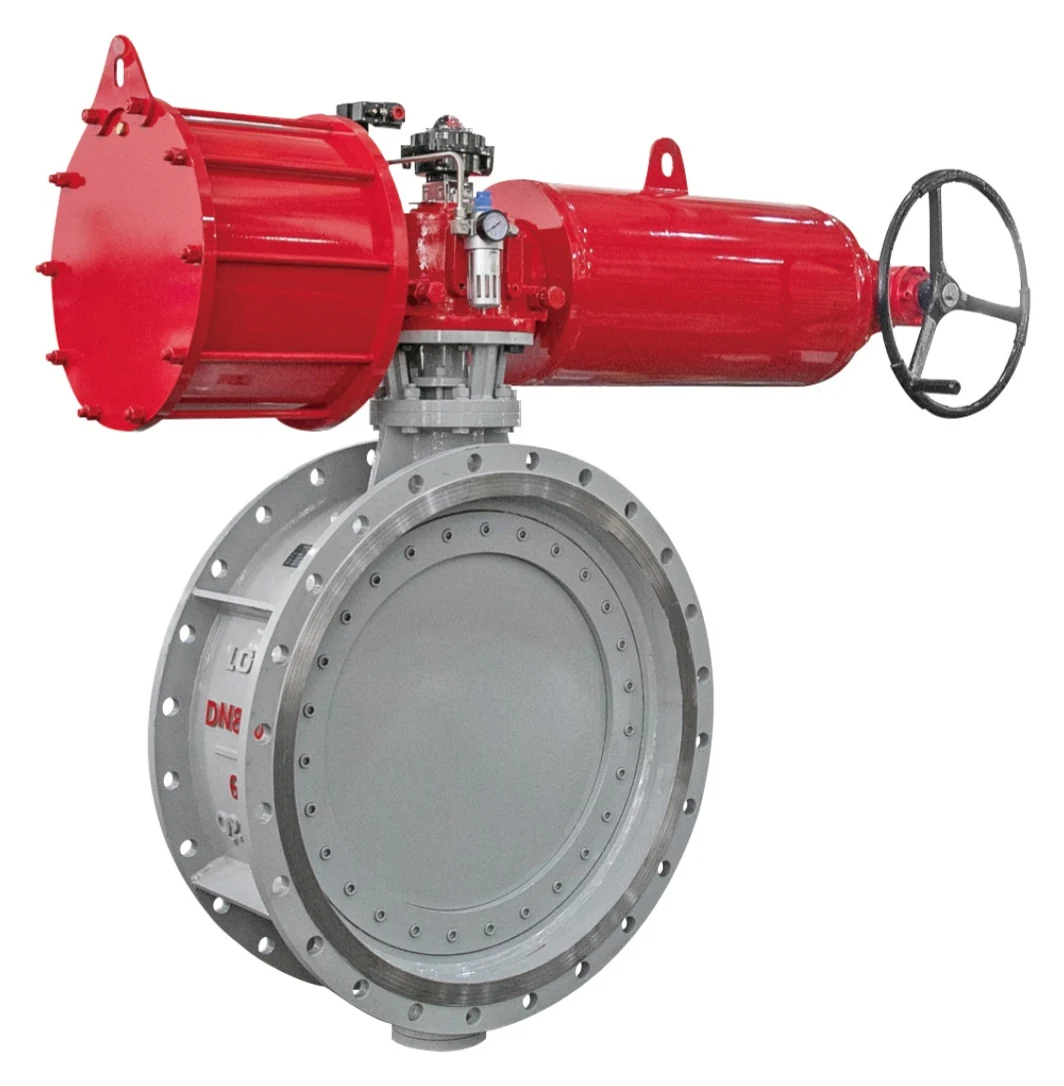
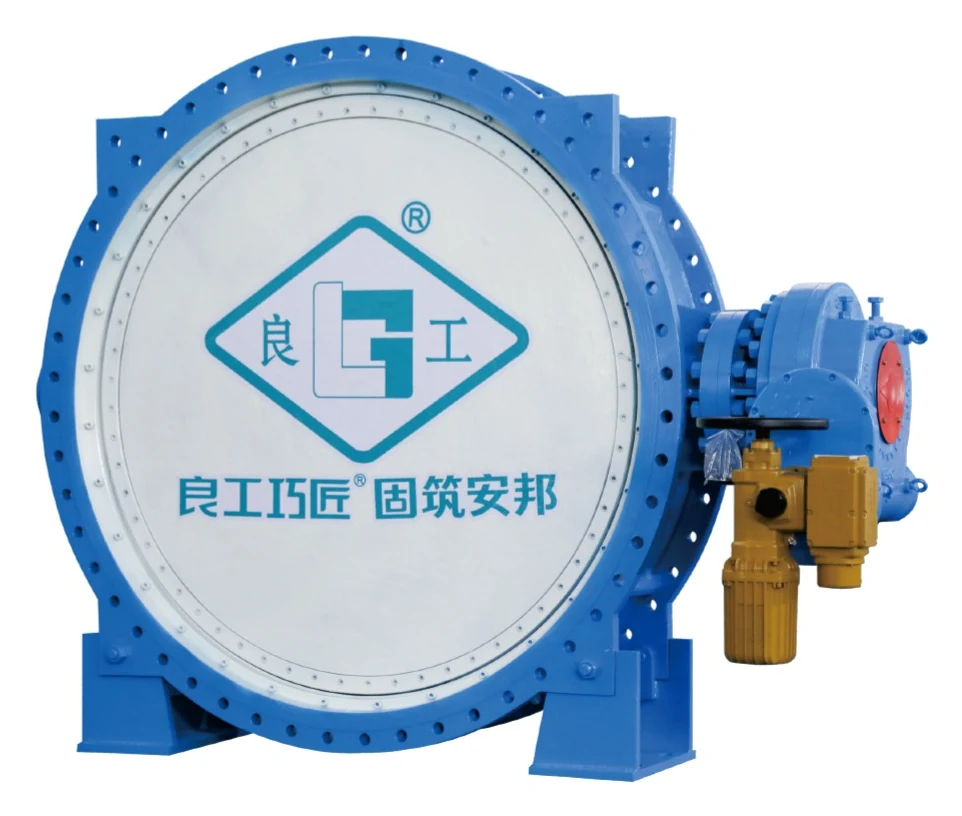
Large Diameter Flanged Butterfly Valve
→
Buyer questions
Questions industrial buyers ask about butterfly valves
Before requesting butterfly valve pricing, these answers clarify category-level intent. Product-specific values remain in verified product documents and quotations.
What is the difference between wafer and lugged butterfly valves?
The body-to-pipe arrangement and removal or dead-end requirements differ. The project piping and maintenance plan should determine the review.
When is a triple-offset butterfly valve considered?
It is commonly evaluated where temperature, pressure, cycling or metal-seat shutoff requirements exceed a resilient-seat concept, but the actual specification governs.
What information is needed for actuator sizing?
Provide valve size, pressure differential, medium, frequency, travel time, fail position, utilities and control signal requirements.
Commercial routing
Continue the butterfly valves buying journey
When evaluating butterfly valve, internal links keep category, industry, company and resource intent distinct while giving buyers a clear next step.
Before requesting butterfly valve pricing, share the available operating cases and procurement documents. Unknown fields can be marked for technical confirmation; they should not be filled with assumed values.
Design and operating pressure
Minimum, normal and maximum temperature
Medium, composition and phase
Nominal size and end connection
Operating duty and cycle frequency
Actuation, fail action and control signal
Applicable standard, edition and project specification
Testing, inspection and document requirements
Product series selection routes
Continue from the category to the appropriate series decision
Use these routes to organize buying intent and technical questions. Exact models and specifications remain controlled by the linked catalog evidence and quotation review.