
Catalog-listed fixed ball valve
High Temperature and High Pressure Three-Piece Forged Steel Fixed Ball Valve
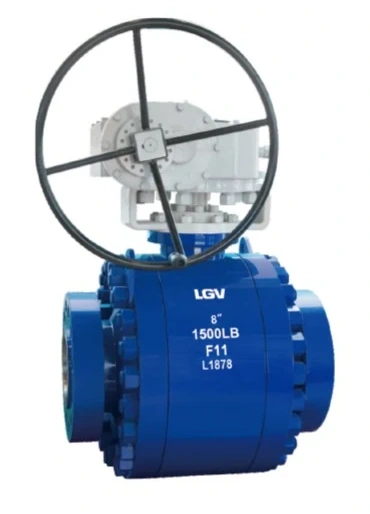
The English product catalog lists this item as a High Temperature and High Pressure Three-Piece Forged Steel Fixed Ball Valve. For procurement, the critical step is matching the project pressure–temperature cases to the exact pressure-boundary, end-connection and seat/seal configuration. The catalog wording alone does not establish those operating limits.
- Valve type: Ball Valve
- Construction: Three-piece (catalog wording)
- Material descriptor: Forged steel (catalog wording)
- Ball configuration: Fixed (catalog wording)
- Service wording: High temperature and high pressure; no numeric rating is stated
Product identity
What this catalog record owns
The catalog places this product in the Ball Valve family. Use the category for the wider product range; use this page to review the exact fixed-ball-valve configuration required for a project. The catalog name is not a substitute for a model-specific datasheet or approved drawing.
Product family
Ball Valve. This page covers one catalog-listed product identity within the wider Ball Valve family.
Evidence source
English product catalog, page 89. The linked catalog is the source for the product identity shown here.
Catalog evidence
Catalog-documented product data
The table records the wording used in the catalog. It does not assign a numeric pressure class, a pressure–temperature curve, an orderable size range, a material grade or a certification.
| Catalog field | Catalog wording | What it establishes |
|---|---|---|
| Valve type | Ball Valve | Identifies the product family. |
| Construction descriptor | Three-piece | Catalog wording; detailed joint arrangement requires the approved drawing. |
| Ball configuration descriptor | Fixed ball valve | Catalog wording; the internal support arrangement is not defined by the title. |
| Material descriptor | Forged steel | Broad product descriptor; exact pressure-boundary and trim grades require the material schedule. |
| Service wording | High temperature and high pressure | Descriptive label only; no numeric pressure–temperature rating is stated. |
| Source reference | English product catalog, page 89 | Product identity reference, not an order datasheet. |
Before ordering: obtain the allowable pressure at the specified minimum, normal and maximum design temperatures for the exact size, material grade and end connection. Check seat, stem-seal and packing temperature limits separately. The usable operating envelope is governed by the most restrictive applicable component or construction limit.
Pressure–temperature limits
What determines the usable pressure–temperature envelope?
The catalog title does not define a working envelope. Pressure rating must be matched to the exact pressure-boundary materials and the specified metal temperature; seats, seals, packing, bolting and end connections may impose additional limits. A pressure class at ambient temperature is not a substitute for the rating at operating temperature. Where the project specification invokes ASME B16.34, use the specified edition and its material-specific pressure–temperature tables. This catalog entry does not state compliance with that standard.
Pressure boundary and rating basis
- Body, closure and pressure-boundary bolting: exact material specifications and grades
- Required design standard and edition, plus the applicable class or documented rating basis
- Allowable pressure at each design metal temperature, including startup, shutdown and upset cases
- End-connection material, rating and mating pipe or flange interface
Seats, seals and operation
- Seat, secondary seal, stem seal and packing materials with minimum and maximum temperature limits
- Maximum differential pressure across the closed valve and required shutoff performance
- Operating torque across the specified pressure and temperature range
- Where the seat arrangement can trap liquid, confirm cavity pressure-relief provisions and thermal-expansion handling
Configuration review
What to specify before selecting this fixed ball valve
Start with the pressure and temperature cases, not the catalog wording. The duty, material schedule and piping interface determine whether the offered configuration can be documented for the project.
Duty and shutoff
State whether the valve is for line isolation, equipment isolation, bypass or throttling, together with cycle frequency and the required shutoff criterion. If continuous throttling is intended, request confirmation that the offered configuration is suitable and provide the relevant flow and pressure-drop conditions; do not assume an isolation configuration is automatically suitable for control duty.
Pressure and temperature profile
Provide design and operating pressure with the corresponding minimum, normal and maximum metal temperatures. Include startup, shutdown, thermal cycling and credible upset cases. State the maximum differential pressure across the closed valve; it affects seat selection and operating torque.
Materials and service medium
Identify the fluid composition, concentration, impurities, solids and corrosion or erosion risks. Require the exact body, closure, ball, stem, seat, seal, packing and bolting grades. “Forged steel” alone is not a complete material schedule.
End connections and dimensions
Specify the required end type, governing connection standard and edition, nominal size, pipe schedule or wall thickness, facing or weld preparation, face-to-face requirement and mating piping details. Confirm the interface against the approved general-arrangement drawing.
Actuation and operating torque
State the required manual/gear, electric, pneumatic or hydraulic operator type. For a powered actuator, provide available supply pressure or voltage, control signal and required fail action. Request valve torque data and an actuator sizing sheet for the specified differential pressure and full temperature range; do not size the operator from nominal pressure class alone.
Inspection and acceptance documents
Agree the required general-arrangement and section drawings, pressure–temperature datasheet, full material schedule and traceability records, shell and seat-leakage test reports, inspection and marking records, and any project-specific certificates or witness points. Confirm document availability and acceptance criteria for the offered configuration before purchase.
Application and installation
Check the service and installation before release
The catalog record does not identify the process medium, plant service or installation arrangement. These details can change the material, sealing, connection and operator selection.
Medium compatibility
Check fluid composition, concentration, water content, contaminants, solids and cleaning fluids against each wetted material and seat or seal compound. Review the expected corrosion, erosion and deposition mechanisms. The catalog title does not establish compatibility with a particular medium.
System function
Identify whether the valve serves line isolation, equipment isolation or bypass duty, and whether it must handle frequent cycling, high differential pressure or trapped-liquid conditions. Do not infer a specific trunnion or seat arrangement from the word “fixed”; verify the internal construction on the section drawing.
Installation and maintenance
Confirm flow direction, orientation, piping loads, thermal expansion, supports, operator access and clearance for removal or maintenance. For a specified welded end, include the mating pipe material, schedule and any welding or post-weld heat-treatment requirements in the project specification.
Related product routes
Compare documented alternatives before RFQ
These are separate catalog records, not interchangeable configurations. Compare each product’s own drawing, material schedule, pressure–temperature data and actuator arrangement before selection; specifications do not transfer between pages.
Three-Piece Forged Steel High Pressure Ball Valve
Separate catalog record. Review its own rated envelope, construction drawing and material schedule; the “high pressure” wording does not establish a high-temperature rating.
Three-Piece Forged Steel Hard Sealed Fixed Ball Valve
Separate catalog record with a hard-sealed descriptor. Confirm its seat design, temperature limits and acceptance criteria independently.
Electric Three-Piece Forged Steel Fixed Ball Valve
Separate catalog record whose title identifies electric actuation. Confirm its actuator, torque basis and utilities from its own datasheet.
Buyer questions
High-temperature and high-pressure fixed ball valve: buyer questions
These answers distinguish the catalog identity from the information needed to approve a specific valve for service.
Does the catalog title establish a pressure class or maximum operating temperature?
No. It identifies the product by descriptive wording only. Request the pressure–temperature rating for the exact material grade, size and end connection, together with the allowable temperature range for the seats, seals and packing. The catalog record does not state a numeric rating.
Why does the pressure rating change with temperature?
Pressure–temperature ratings depend on the pressure-boundary material and the applicable design standard. At elevated temperature, material limits and construction details can reduce the permitted pressure; non-metallic seats and seals can impose separate temperature limits. Use the rating for the actual material group and operating metal temperature, not a room-temperature class value.
What information is needed to size the actuator?
Provide valve size and pressure class, seat and packing details, maximum shutoff differential pressure, operating temperature range, cycle requirements and actuator supply conditions. Request the valve torque data and a sizing sheet covering the required operating cases.
Which documents should be agreed before purchase?
Agree the approved datasheet and general-arrangement or section drawing, pressure–temperature rating basis, full material schedule and traceability records, shell and seat-leakage test reports, inspection and marking records, and any project-specific certificates or witness points. The supplier must confirm which documents are available for the offered configuration.
Technical inquiry
Request a configuration review
Provide the operating cases and connection details below. Use the Technical Requirements and Message fields for key values, drawing references and document requirements. VALMORA must confirm the offered configuration and available documentation before a purchase specification is finalized.
- Valve duty, process medium and fluid conditions
- Nominal size, required end type and governing connection standard / edition
- Operating and design pressure with corresponding temperature cases, transients and maximum shutoff differential pressure
- Body, closure, trim, seat, seal, packing and bolting material grades and traceability requirements
- Operator / actuator type, utilities, control signal and fail action
- Quantity, drawing revision, inspection, testing and certificate requirements