Industrial product category
Gate Valves for Industrial Isolation
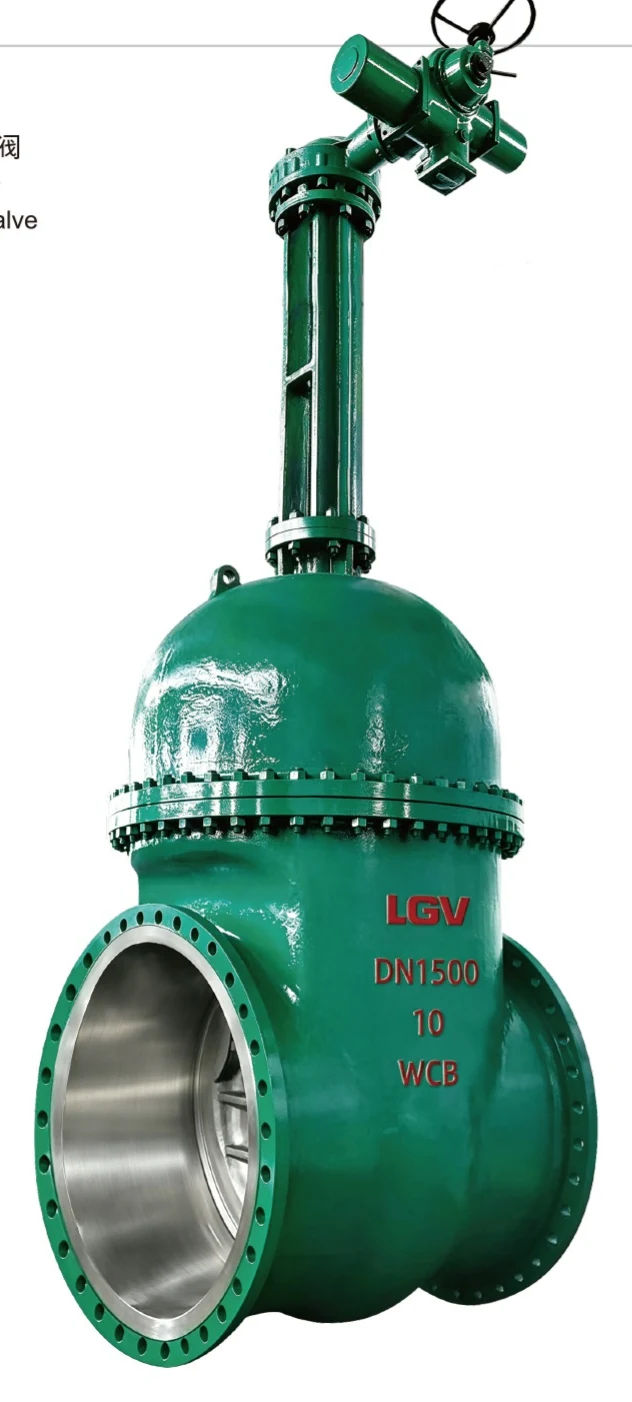
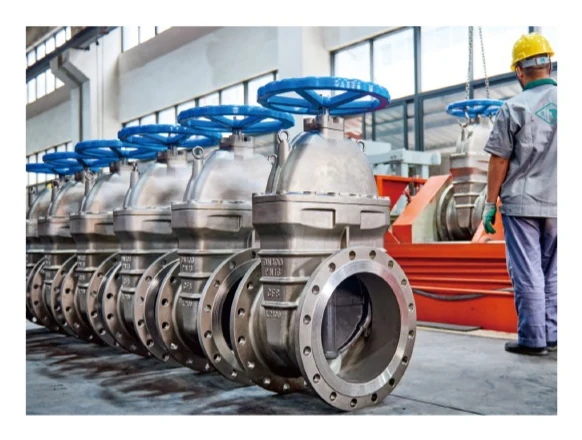
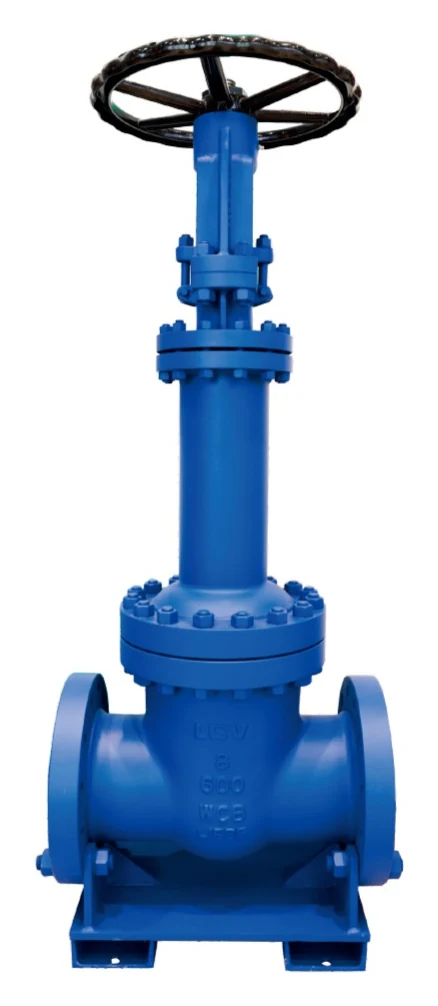
Review gate valves by gate form, stem arrangement, body and bonnet construction, end connection, actuation and service envelope. This category covers broad gate valve selection intent while documented series and catalog products retain their own identities.
Category scope: gate valve selection, documented product routing and RFQ preparation for industrial buyers.
Selection framework
Define the isolation duty before choosing a gate design
Gate valves are normally evaluated for full-open or full-closed service. Line conditions, operating frequency, access, pressure boundary and required documentation should be resolved before a configuration is named.
Wedge, slab or parallel-slide
The gate form should follow the documented design and service duty. Do not infer a construction from a broad search phrase.
Rising or non-rising stem
Available headroom, position indication, environmental exposure and maintenance access influence the stem arrangement.
Manual, bevel gear or powered
Size, differential pressure, frequency, operating time and control requirements determine how actuation is reviewed.
Application intent
Isolation decisions change with the service
Waterworks, pipeline, power and cryogenic searches require different evidence. The category page explains the decision; the quoted configuration proves the result.
Water and municipal networks
State pressure zones, diameter, operating method, surge considerations and the project’s material and coating requirements.
Pipeline isolation
Identify bore, pigging, buried-service, stem-extension and emergency-operating requirements where they apply.
High-temperature or cryogenic duty
Provide the full temperature range, material basis, bonnet or stem requirements, testing and document expectations.
Specification and procurement
Gate valve specification fields that prevent owner confusion
Each input narrows the request without turning a category page into an unsupported model datasheet.
| Decision area | Buyer inputs | Why it matters |
|---|---|---|
| Isolation role | Normal isolation, infrequent isolation, emergency duty or bypass | Clarifies operating frequency and reliability priorities |
| Pressure boundary | Design pressure, temperature, material and bonnet construction | Defines the required configuration and document review |
| Flow path | Full-port expectation, line cleanliness, solids and pigging needs | Separates suitable gate forms and adjacent product owners |
| Installation | Ends, orientation, stem clearance, access and actuator envelope | Reduces site fit and maintenance conflicts |
Engineering pain points
Gate valve selection errors to remove at the RFQ stage
A defensible inquiry makes the operating boundary visible.
- Using a gate valve as a default throttling device
- Ignoring stem and actuator clearance
- Naming a standard without edition or project exceptions
- Assuming catalog naming proves every material, test or pressure rating
Commercial procurement intent
How to evaluate an industrial gate valve manufacturer or supplier
Searches for a gate valve manufacturer, supplier or factory usually signal a buying decision. Compare the quality of the engineering response and the documented evidence limits—not only a price or a polished catalog image.
Pressure boundary and moving parts
A useful proposal identifies the documented body, bonnet, stem and closure construction and keeps unsupported material or trim assumptions out of the datasheet.
Operating thrust and access
Manual gear or powered operation should be reviewed with differential pressure, travel, site clearance, frequency and required indication.
Inspection aligned to the duty
Define pressure testing, dimensional review, material records and any witness points in the inquiry so the evidence package matches the purchase order.
Documented evidence and claim limits
What the current gate valves evidence can—and cannot—prove
Before requesting gate valve pricing, Lianggong’s confirmed supply capability permits commercial positioning for this category. Public technical claims still require product-level evidence, and standards or approvals must be verified for the quoted scope.
Documented identity
In a gate valve shortlist, catalog names and mapped product images can support identity. They do not prove every rating, dimension, material, test or certification.
Configuration-specific review
In a gate valve shortlist, pressure-temperature limits, materials, ends, actuation and testing remain tied to the quoted configuration and governing project documents.
Procurement traceability
In a gate valve shortlist, the RFQ should state required drawings, datasheets, inspection records, material records and certificates without assuming they already exist.
Documented products in this category
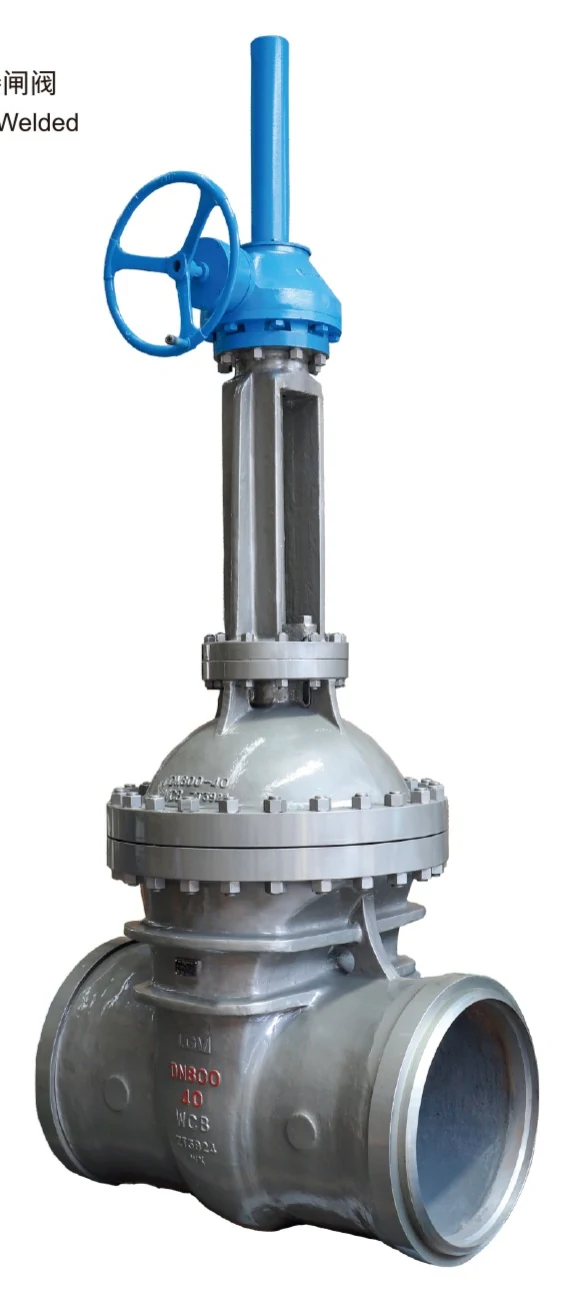
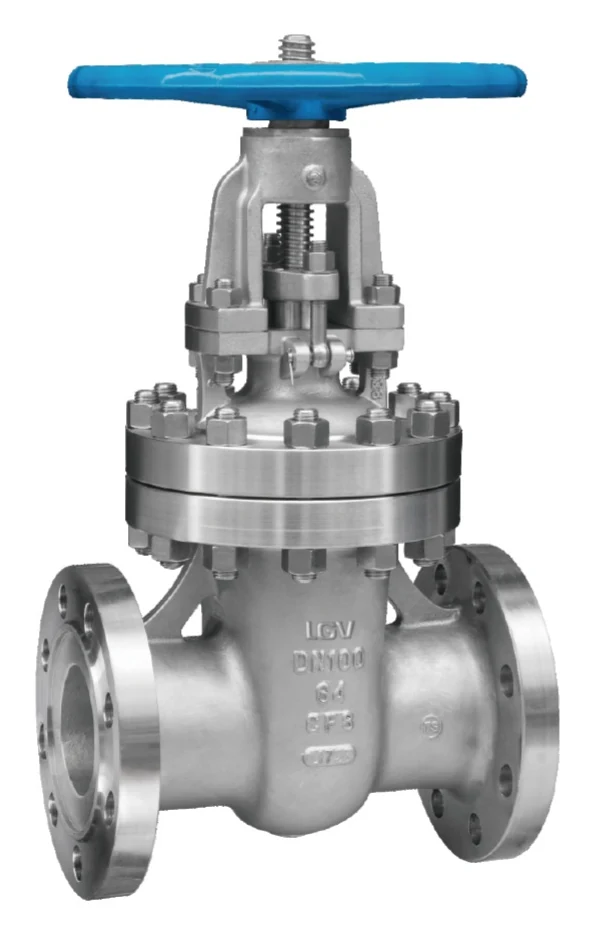
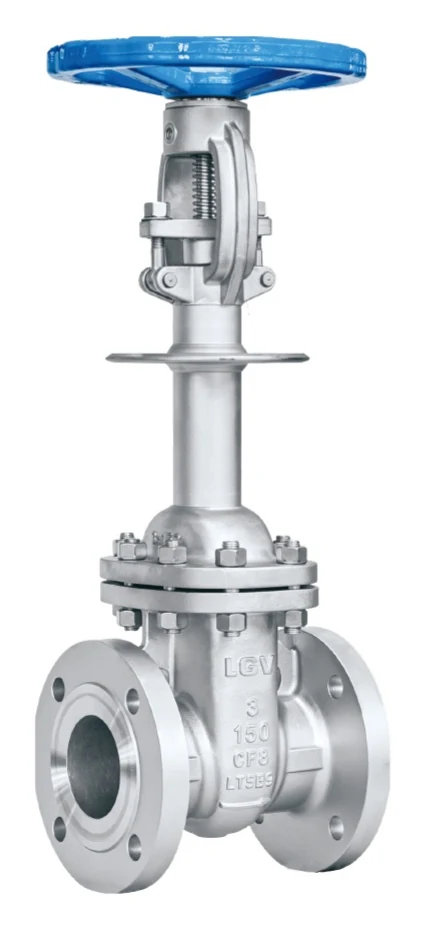
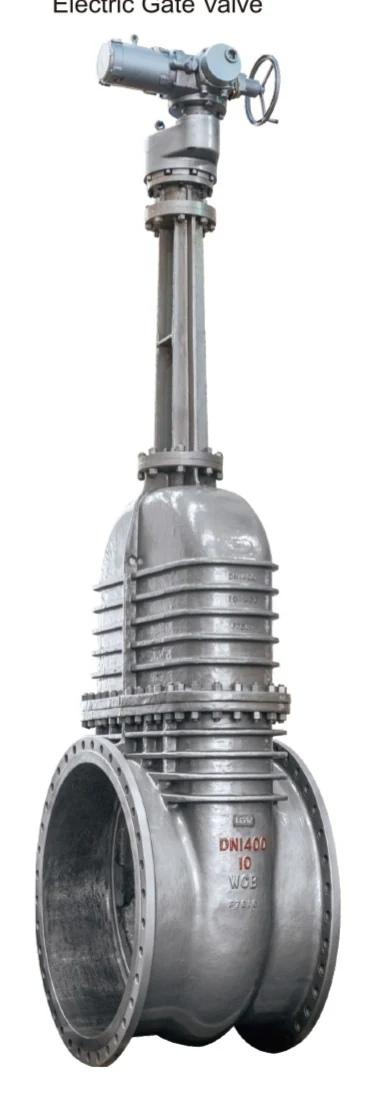
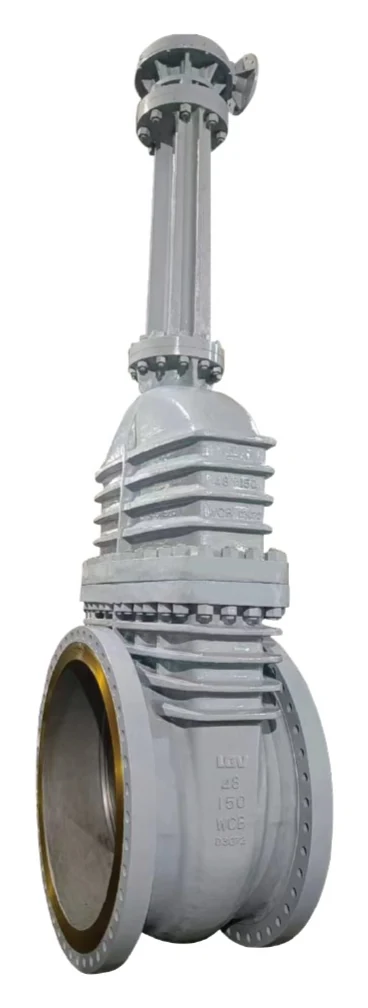
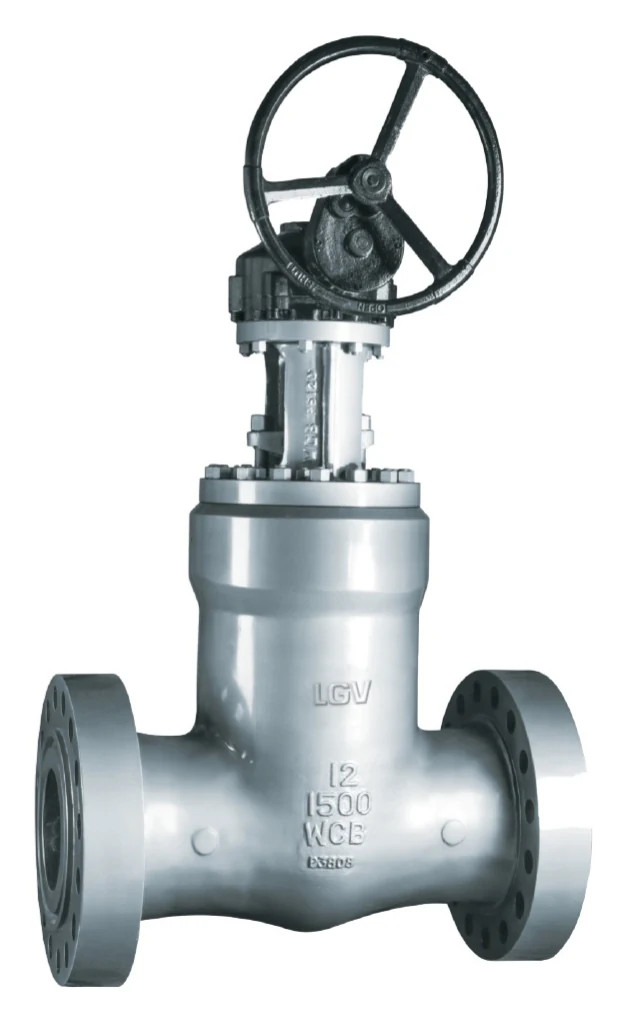
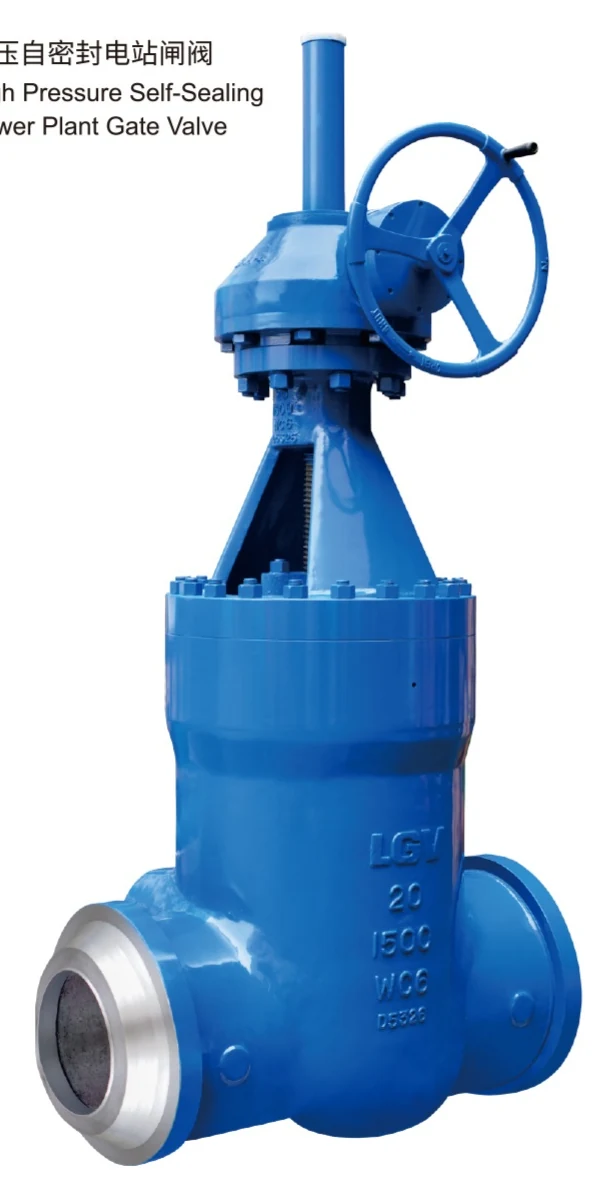
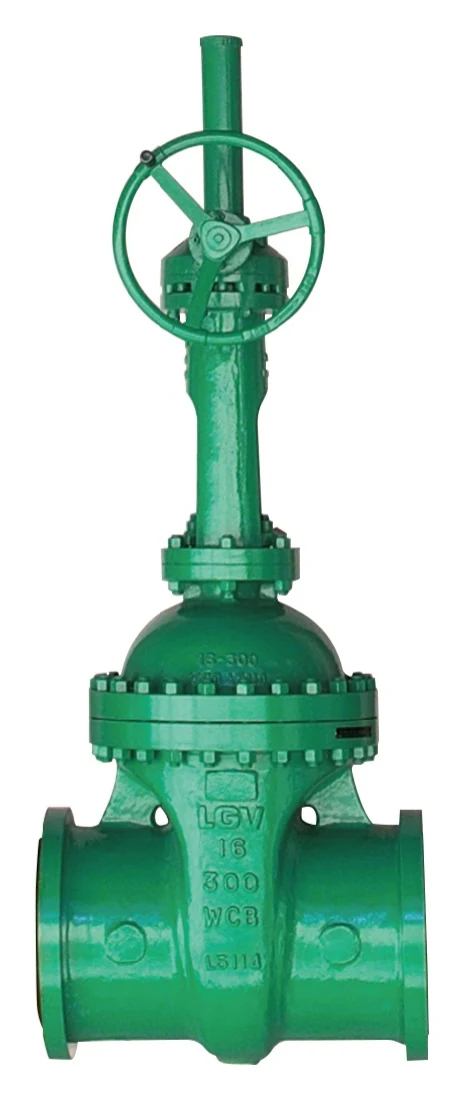
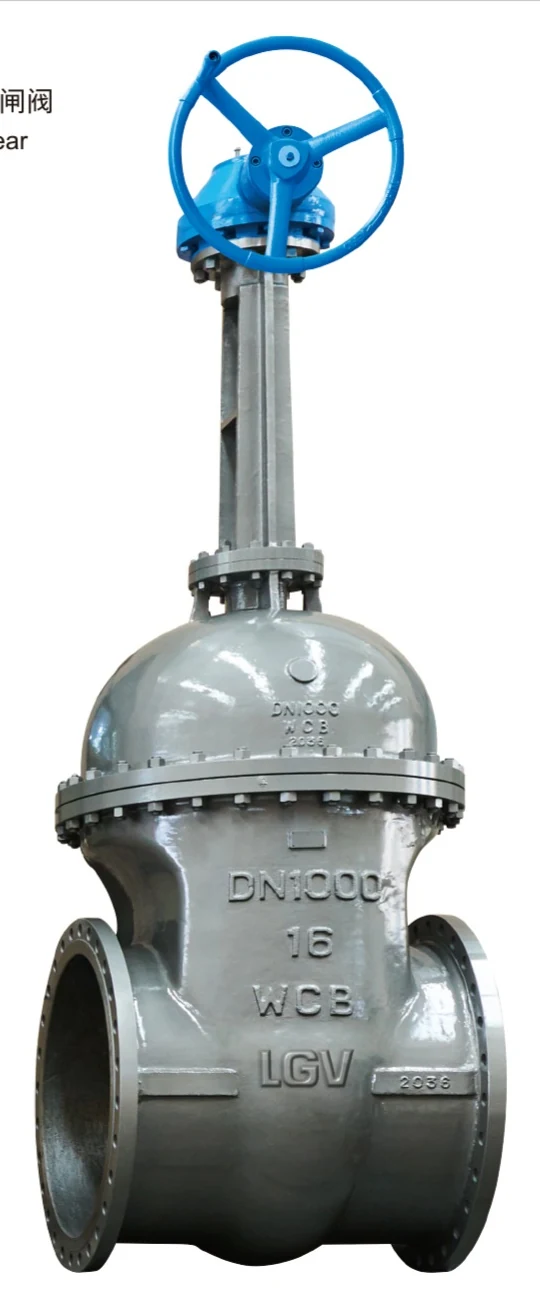
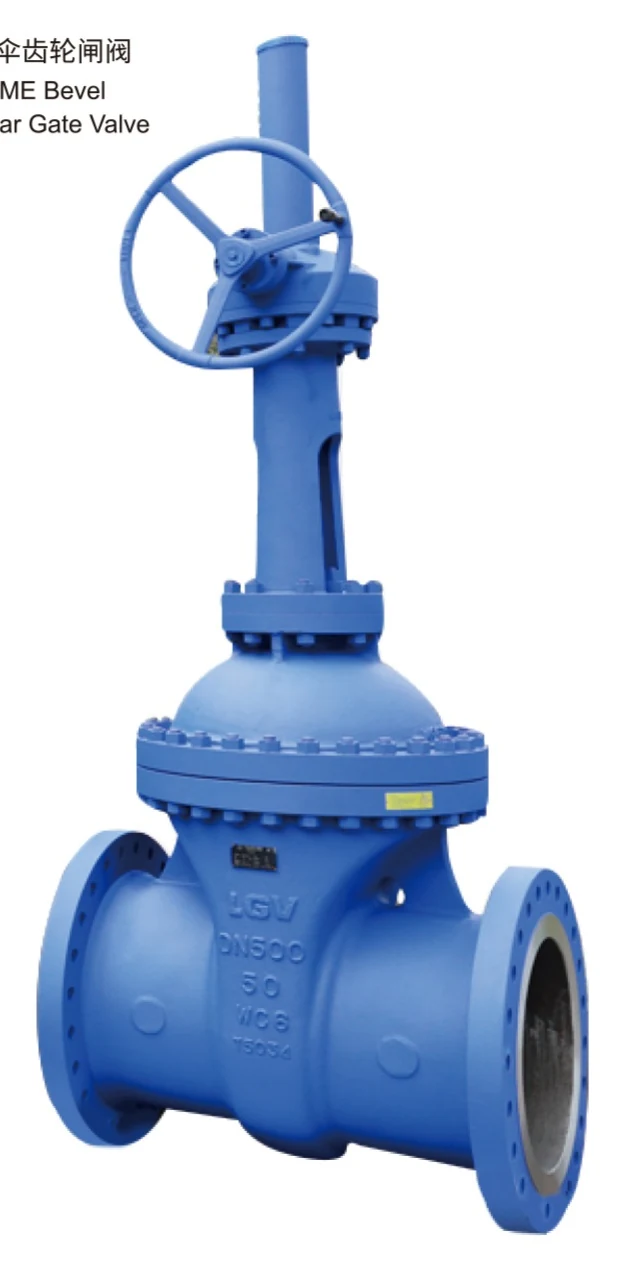
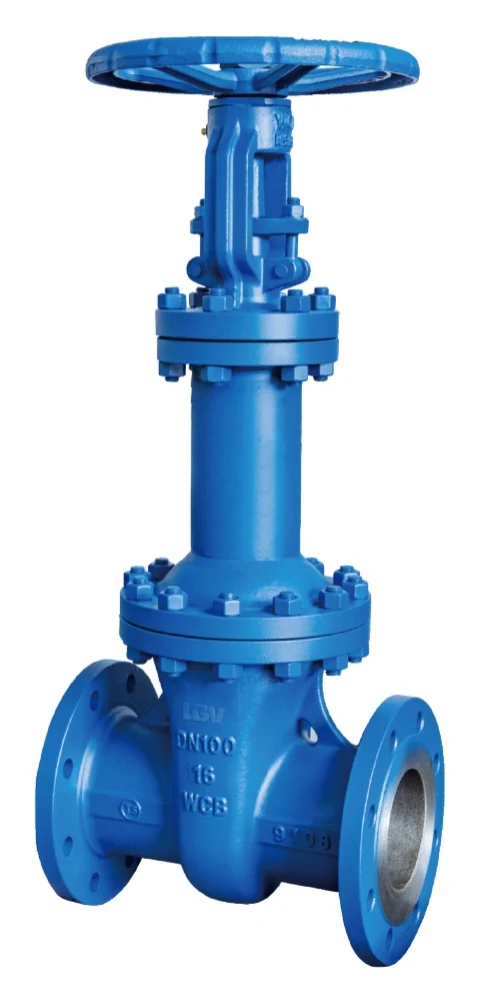
For gate valve selection, each card represents one documented catalog product. Technical values appear only when supported by mapped product evidence.
Buyer questions
Questions industrial buyers ask about gate valves
Before requesting gate valve pricing, these answers clarify category-level intent. Product-specific values remain in verified product documents and quotations.
Are gate valves intended for throttling?
They are generally selected for isolation. Any regulating duty needs a separate engineering review and may belong to a different product owner.
What is the practical difference between rising and non-rising stems?
The arrangements differ in space, indication and exposure considerations. Installation access and operating practice should drive the choice.
How should a gate valve inquiry describe standards?
Name the governing standard, edition, pressure designation, material specification, testing and required certificates or records.
Commercial routing
Continue the gate valves buying journey
When evaluating gate valve, internal links keep category, industry, company and resource intent distinct while giving buyers a clear next step.
Browse all valve products
When defining a gate valve inquiry, compare related valve families, then return here when this category best fits the required duty.
Review industry applications
Connect the valve family to service challenges and application-level selection context.
Inspect manufacturing and quality
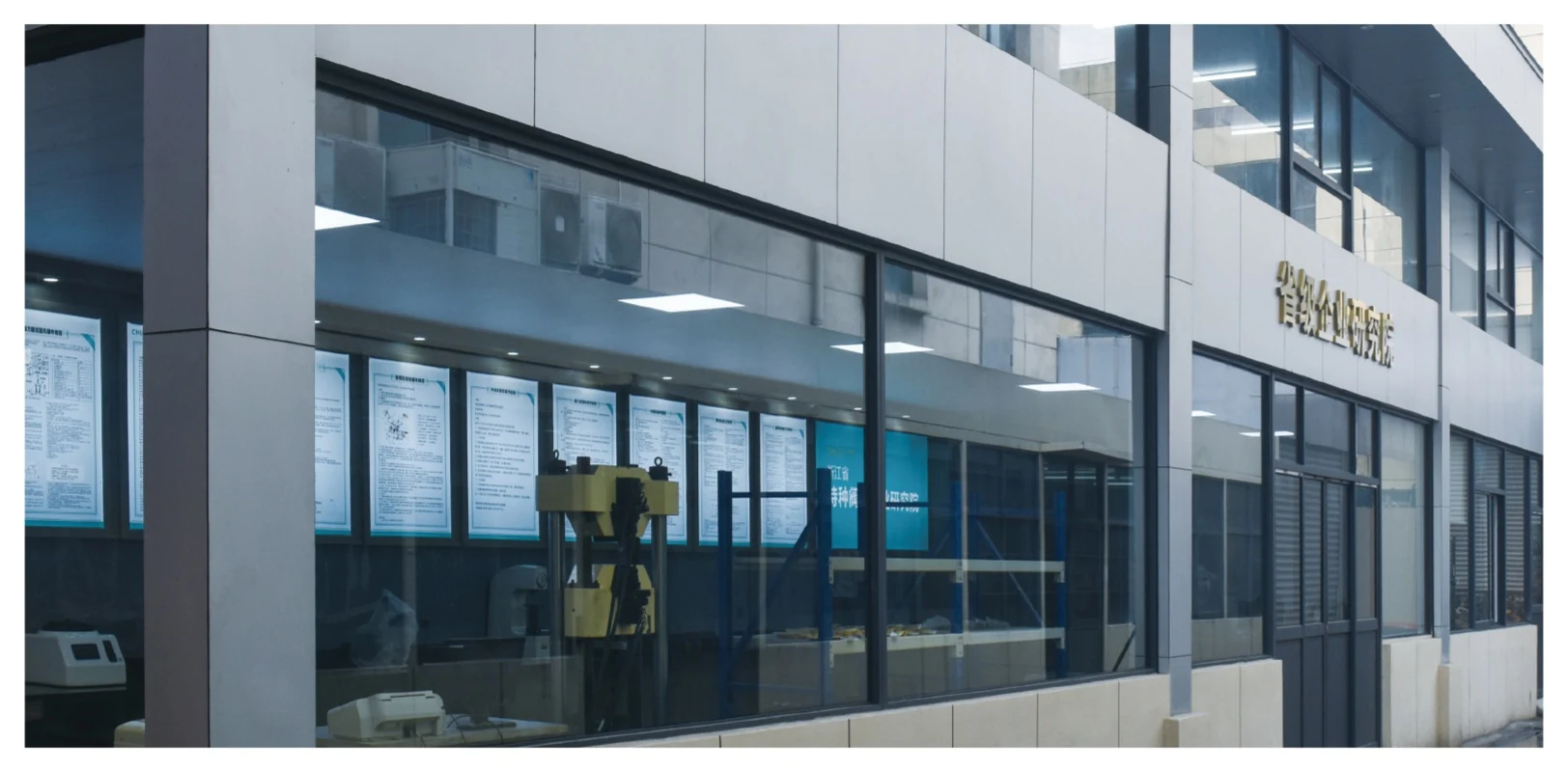
In a gate valve shortlist, review company-level manufacturing and inspection evidence separately from product claims.
Use technical resources
When defining a gate valve inquiry, continue to guides and comparisons without moving informational intent into the product owner.
Technical inquiry
Prepare a reviewable gate valve RFQ
Before requesting gate valve pricing, share the available operating cases and procurement documents. Unknown fields can be marked for technical confirmation; they should not be filled with assumed values.
- Design and operating pressure
- Minimum, normal and maximum temperature
- Medium, composition and phase
- Nominal size and end connection
- Operating duty and cycle frequency
- Actuation, fail action and control signal
- Applicable standard, edition and project specification
- Testing, inspection and document requirements