
Catalog-matched power station valve
Electric Forged Steel Power Plant Gate Valve
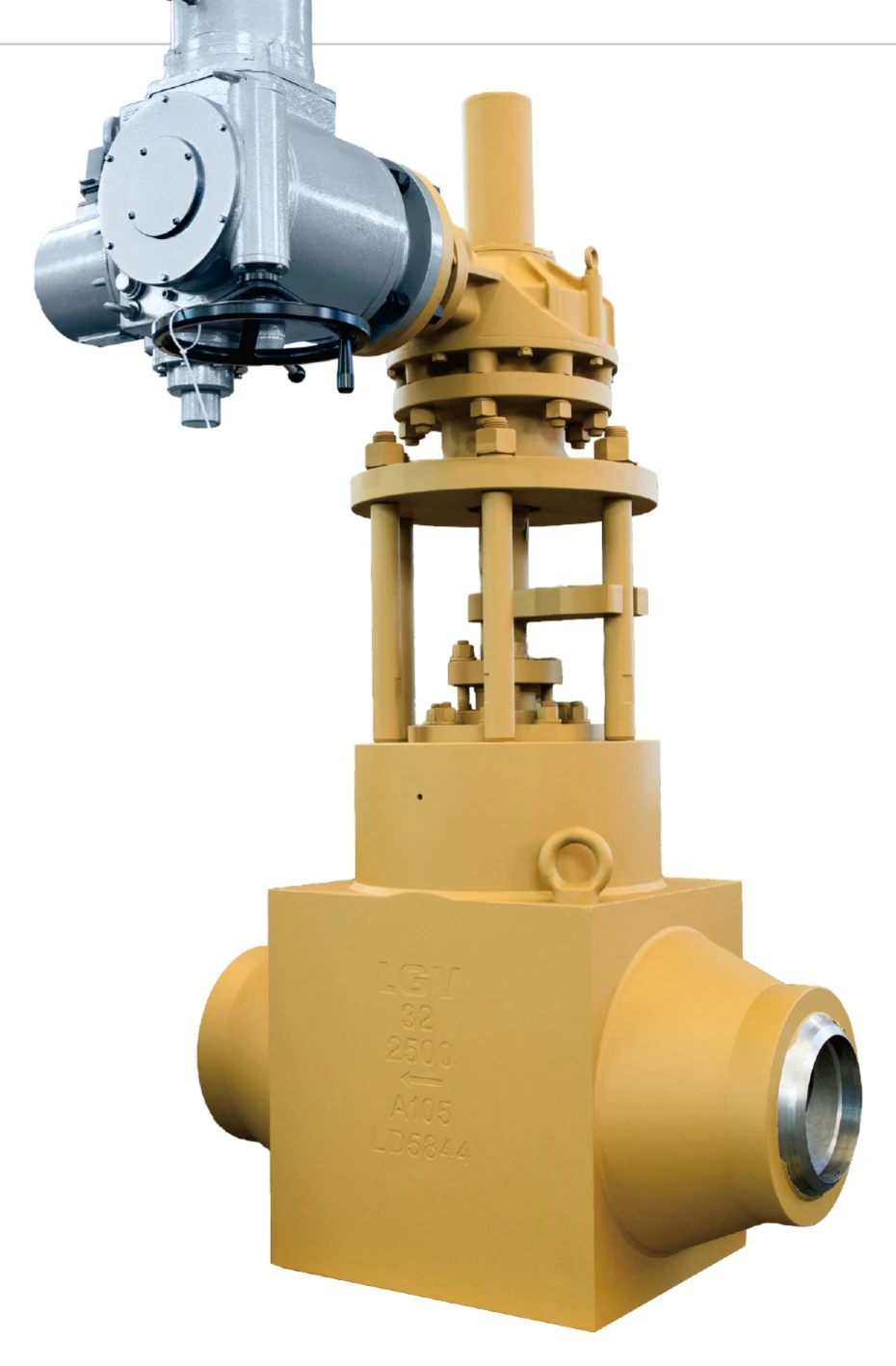
The catalog identifies an Electric Forged Steel Power Plant Gate Valve in its Power Station Valve range. Treat it as a candidate for motor-operated on/off isolation, not as a documented pressure rating or a throttling valve. To evaluate a quotation, specify the actual fluid, temperature and pressure, maximum differential pressure during opening or closing, and the required electric-actuator function.
- Gate valve — on/off isolation duty to be reviewed
- Forged steel — exact material grade not stated
- Electric actuation — drive and controls to be selected
- Power-generation catalog context — fluid not specified
Product identity
Start with the valve duty, not the catalog name
The name confirms the product category, material descriptor and actuation method. It does not determine whether a specific valve–actuator assembly will operate reliably at the pressure difference or temperature required by your plant.
Isolation, not routine throttling
A conventional gate valve is intended to be fully open or fully closed. If continuous flow regulation is required, begin with the control valve range instead of assuming that a partly open gate valve is suitable.
Electric operation requires a matched drive
The electric actuator must be selected for the valve’s operating torque or stem thrust, full travel, opening/closing time and duty frequency. The word “electric” does not establish the power supply, control logic or behavior on power loss.
Power generation is an industry, not a fluid
Identify whether the line carries steam, feedwater, condensate or another medium, with its actual operating and upset conditions. Catalog images on PDF physical pages 58 and 64 establish the listed product identity, not the approved service envelope.
Catalog evidence
What the catalog actually confirms
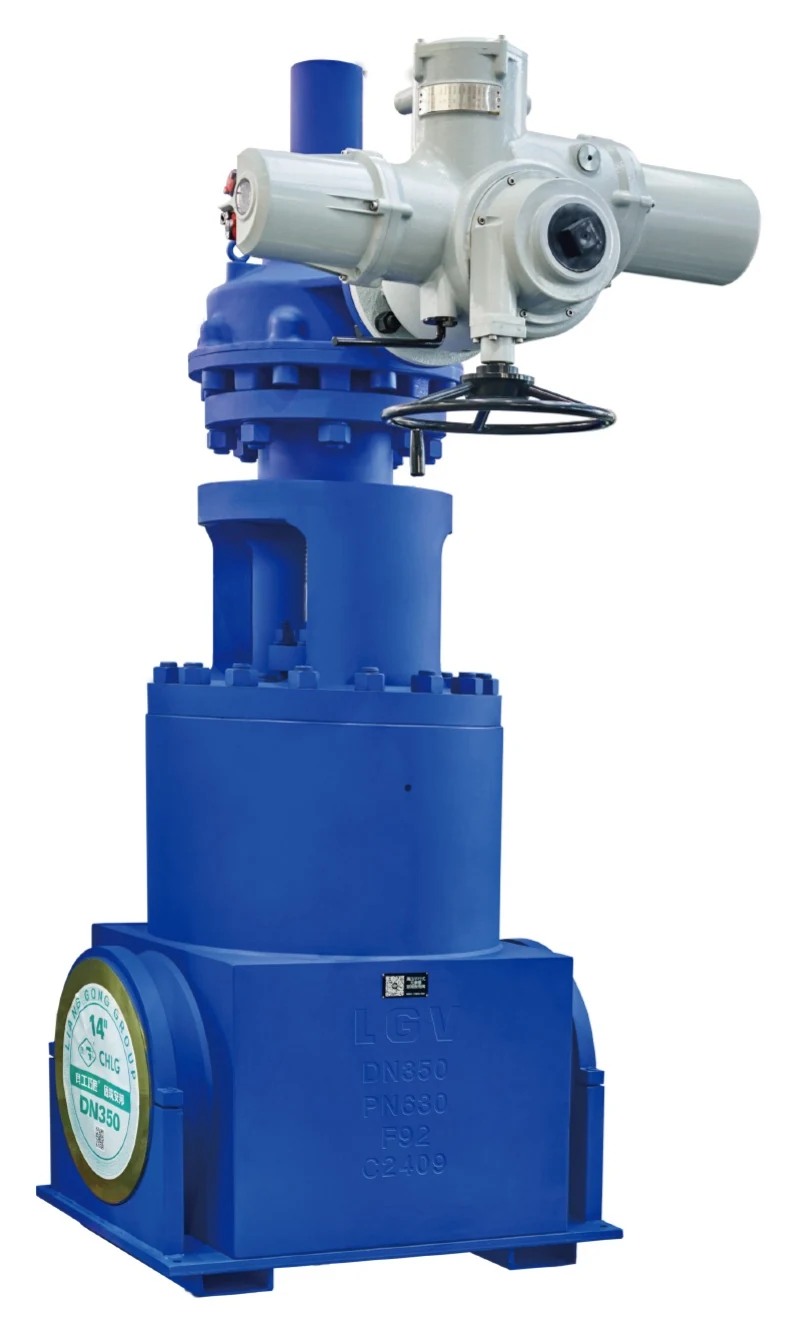
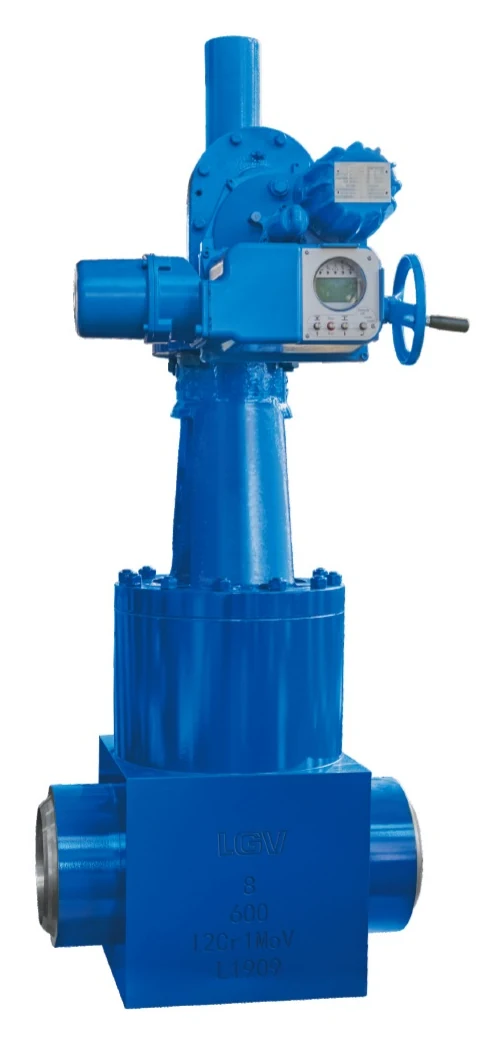
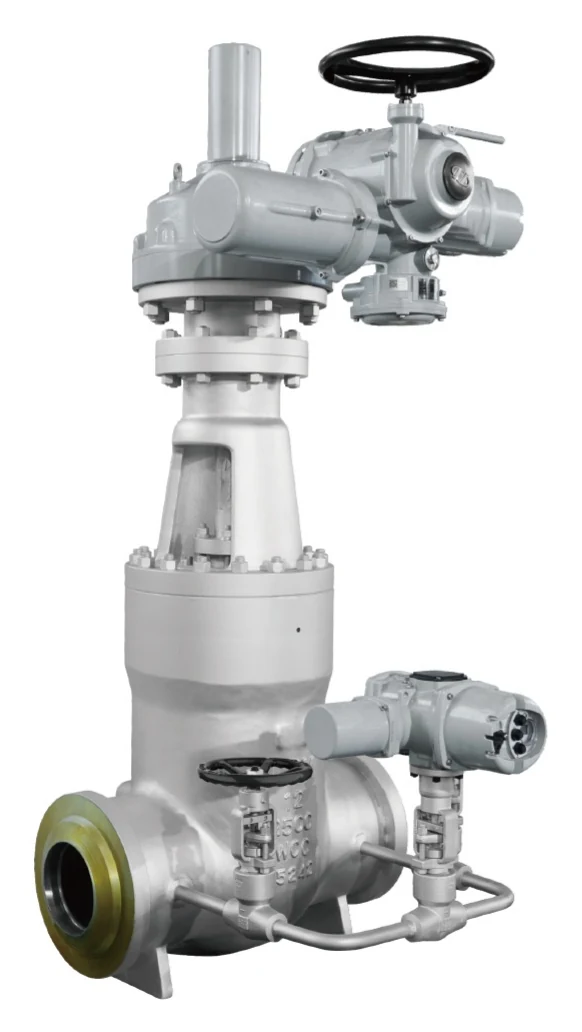
The source labels four photographs “Electric Forged Steel Power Plant Gate Valve” under “Power Station Valve.” The table contains only the identity fields shown there; no numeric size, pressure class, temperature limit, ASTM grade or actuator model has been verified.
| Field | Documented value | Evidence boundary |
|---|---|---|
| Valve type | Gate valve | Catalog product label |
| Material descriptor | Forged steel | Catalog product label; grade not given |
| Actuation | Electric | Catalog product label; motor specification not given |
| Industry / service context | Power generation | Catalog name; not a fluid specification |
| Catalog series | Power Station Valve | Catalog section heading |
| Image / label references | Physical PDF pp. 58 and 64; printed pp. 105–106 and 117 | Verified caption-to-image positions |
Still open for quotation: valve size and end connections, construction, material grades, pressure–temperature rating, shutoff criterion, actuator sizing and test/inspection documents. These must come from the specific offered datasheet and drawing.
Evidence boundary
Which codes and interface standards matter?
Start with the project specification. For reference, ASME B31.1:2026 addresses applicable power piping systems; ASME B16.34:2025 addresses valve requirements including pressure–temperature ratings; and ISO 5210:2026 addresses multi-turn actuator attachments. These are scope references, not verified certifications or compliance claims for this catalog item.
Valve and piping specification
- Confirm the applicable piping code and contractual edition for the plant line.
- Require a valve datasheet stating the offered design standard and construction.
- Check pressure–temperature limits for the selected grade and configuration; Class alone is not an allowable pressure at every temperature.
- Match end preparation, mating connections, testing and leakage acceptance to the actual order.
- The forged-steel descriptor does not establish an ASTM grade or a complete trim/seat material schedule.
Actuator interface and functional sizing
- ISO 5210 specifies multi-turn attachment dimensions and reference torque/thrust values; it does not select the actuator for this valve.
- Obtain the valve’s required operating torque/stem thrust at the worst specified differential-pressure condition.
- Match stem travel, number of turns, mounting interface and open/close time to the actual valve.
- Define motor power, starts per hour, duty, local/remote control, signals and position feedback.
- Specify torque/limit-switch settings and the required behavior on loss of electrical power.
- Request the matched valve–actuator datasheet and assembly drawing before order approval.
Engineering review
Inputs that change the offered valve and actuator
A useful RFQ describes what the valve must do and the conditions in which it must move. Two valves with the same nominal size may require different actuator sizing if their opening differential pressure, shutoff duty or operating frequency differs.
Valve duty
Specify full-open/full-closed isolation, the required leakage acceptance and cycles or starts per hour. If the job requires regular intermediate positioning or flow control, route it to a suitable control valve rather than treating the gate valve as an automatic substitute.
Operating envelope
State the fluid, design and normal pressures, design and operating temperatures, and maximum differential pressure during seating and unseating. Include start-up, shutdown, vacuum or thermal transients where relevant; these may determine the valve and drive review.
Materials and connection
Give the required end connection and mating line details, piping code, material specification and documentation needs. “Forged steel” alone does not choose the body grade, seat/trim materials, packing, welding requirements or pressure–temperature rating.
Electric actuator data
State supply voltage and frequency, open/close timing, operating frequency, ambient conditions, enclosure requirement, DCS/PLC commands and feedback. Request a supplier-matched torque/thrust and travel review; specify whether any fail-position action is actually required when power is lost.
Inspection and documents
Ask for an offered datasheet, dimensional/interface drawings, material traceability documents, proposed inspection and pressure/leakage tests, and actuator electrical/control documents. State any third-party witness and acceptance requirements; availability remains subject to the quotation.
Application boundary
Power-station conditions that can change selection
The catalog category does not prove that all steam, water or auxiliary services are interchangeable. Three project conditions should be resolved before treating this illustration as an orderable configuration.
Steam, water and temperature excursions
Identify the actual medium and its composition, operating temperature, maximum design temperature and heating/cooling cycles. A valve proposed for hot steam cannot be assumed suitable merely because this catalog groups it under power-station equipment; the offered grade, seats and pressure–temperature limits must be checked.
Opening against differential pressure
A closed isolation valve may need to open while pressure is unequal on its two sides. Give the maximum expected opening differential pressure and operating sequence so the valve and actuator can be checked. If a bypass or equalization arrangement is required, specify and approve it separately; pipework visible in one catalog photo is not evidence that a bypass is supplied as standard.
Installation and plant control interface
Check valve orientation, actuator/stem clearance, insulation and local temperature exposure, maintenance access, pipe loads, emergency operation and control-system signals. Use an approved outline drawing and valve/actuator wiring documentation rather than scaling from a catalog image.
Visual evidence
Four catalog-matched product illustrations
Both photographs on catalog physical page 58 and the first two on physical page 64 carry this product label. The illustrations show different appearances; they do not confirm four orderable models, standard accessories or dimensional interchangeability.
Related product routes
Related gate valves: compare the required function
These are separate catalog identities, not interchangeable specifications. Use the comparison to narrow the intended operation or project-standard question; verify the offered rating and configuration on each product’s own documents.
Manually Controlled Self-Sealing Forged Gate Valve
Review this manually operated, self-sealing catalog entry when local hand operation and that construction are being evaluated. Its title does not establish a common rating with this electric model.
Electric High Pressure Self-Sealing Power Plant Gate Valve
A separately named electric high-pressure, self-sealing design. If your specification requires pressure-seal construction, request its own drawing and pressure–temperature data rather than assuming the two listings are equivalent.
GOST Electric Forged Steel Gate Valve
A separately labeled GOST electric forged-steel gate valve. Relevant when a project calls for a GOST-based specification; the name alone does not verify conformity or the applicable edition.
Buyer questions
Questions before issuing a gate valve RFQ
Use these answers to screen the duty and prepare a technically reviewable request.
Can this gate valve be used for continuous throttling?
Not by default. Conventional gate valves are selected for fully open/fully closed duty. Continuous regulation or frequent intermediate positioning requires a different, explicitly qualified control-valve selection.
Does “power plant” identify the pressure rating or fluid?
No. It is a catalog service category, not a fluid, size, material grade or pressure–temperature rating. Supply the actual medium and maximum design/operating conditions for review.
How should the electric actuator be specified?
Provide maximum differential pressure during operation, required opening/closing time and cycles, supply voltage, control signals, enclosure conditions and power-loss requirement. The selected drive must be checked against actual valve torque, stem thrust and travel.
What documents should accompany the quotation?
Request the offered valve and actuator datasheets, dimensional and connection drawings, material schedule, applicable standard editions, inspection and leakage-test plan, and electrical/control interface documents. Specify any witness requirements in the RFQ.
Technical inquiry
Request a matched valve and electric-actuator review
Reference Electric Forged Steel Power Plant Gate Valve / CCE-R2-0001 and describe the operating duty below. Ask for one proposed valve–actuator configuration with stated deviations, drawings and applicable standards—not just a price against a catalog photograph.
- Fluid / line service, isolation duty, required shutoff and cycle frequency
- DN or NPS, design pressure and temperature, plus maximum operating differential pressure
- End connection, material and seat/trim requirements, piping code and applicable edition
- Power supply, stroke time, control/feedback signals, environment and power-loss action
- Quantity, delivery location, approved drawings, testing/inspection and witness documents