Industrial product category
Knife Gate Valves for Slurry, Solids and Difficult Isolation Duties
Compare knife gate valves by solids behavior, seat concept, body style, gate material, packing, actuation and installation orientation. The category supports industrial selection without treating every catalog name as one interchangeable design.
Category scope: knife gate valve selection, documented product routing and RFQ preparation for industrial buyers.
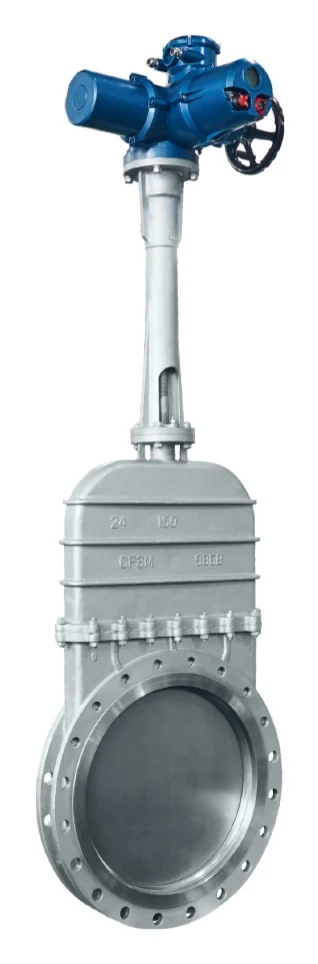
Selection framework
Start with the solids and sealing problem
Particle size, concentration, settling, scaling, fiber content and abrasion affect whether the gate can travel, clear the seat and maintain the required isolation behavior.
Unidirectional or bidirectional sealing
Flow direction, differential pressure and the documented seat concept must agree with the installation.
Metal, resilient or ceramic-related construction
Medium, abrasion, temperature and shutoff expectations guide the material and seat review.
Manual, pneumatic or electric actuation
Thrust, stroke, speed, fail behavior, controls and access are part of the application decision.
Application intent
Knife gate selection changes across solids-handling industries
Mining, pulp, wastewater and ash duties can share a product name while imposing very different wear and cleaning conditions.
Mining and mineral slurry
Provide particle and abrasion data, concentration, velocity, pressure and cycle frequency.
Pulp and fibrous media
Describe fiber consistency, direction, cleaning and seat buildup concerns.
Wastewater, sludge or ash
State solids, scaling, temperature, flushing and access for packing or seat maintenance.
Specification and procurement
Knife gate valve inputs for slurry and solids service
Describe the material being handled, not only the pipe size.
| Decision area | Buyer inputs | Why it matters |
|---|---|---|
| Solids profile | Particle size, hardness, concentration, fibers and settling | Frames cutting, packing and blockage risks |
| Hydraulic duty | Pressure, differential pressure, velocity and flow direction | Supports seat and actuation review |
| Cleaning | Flushing, purge, drain and maintenance practices | Affects body style and service access |
| Installation | Orientation, space, actuator support and removal envelope | Prevents gate and actuator access conflicts |
Engineering pain points
Knife gate valve problems to resolve before order release
A valve that fits the flange may still be wrong for the solids behavior.
- Seat or cavity packing with solids
- Wrong flow direction for a unidirectional seat
- Insufficient actuator thrust
- No space for gate travel or maintenance
Commercial procurement intent
How to evaluate an industrial knife gate valve manufacturer or supplier
Searches for a knife gate valve manufacturer, supplier or factory usually signal a buying decision. Compare the quality of the engineering response and the documented evidence limits—not only a price or a polished catalog image.
Pressure boundary and moving parts
A useful proposal identifies the documented body, bonnet, stem and closure construction and keeps unsupported material or trim assumptions out of the datasheet.
Operating thrust and access
Manual gear or powered operation should be reviewed with differential pressure, travel, site clearance, frequency and required indication.
Inspection aligned to the duty
Define pressure testing, dimensional review, material records and any witness points in the inquiry so the evidence package matches the purchase order.
Documented evidence and claim limits
What the current knife gate valves evidence can—and cannot—prove
Before requesting knife gate valve pricing, Lianggong’s confirmed supply capability permits commercial positioning for this category. Public technical claims still require product-level evidence, and standards or approvals must be verified for the quoted scope.
Documented identity
In a knife gate valve shortlist, catalog names and mapped product images can support identity. They do not prove every rating, dimension, material, test or certification.
Configuration-specific review
In a knife gate valve shortlist, pressure-temperature limits, materials, ends, actuation and testing remain tied to the quoted configuration and governing project documents.
Procurement traceability
In a knife gate valve shortlist, the RFQ should state required drawings, datasheets, inspection records, material records and certificates without assuming they already exist.
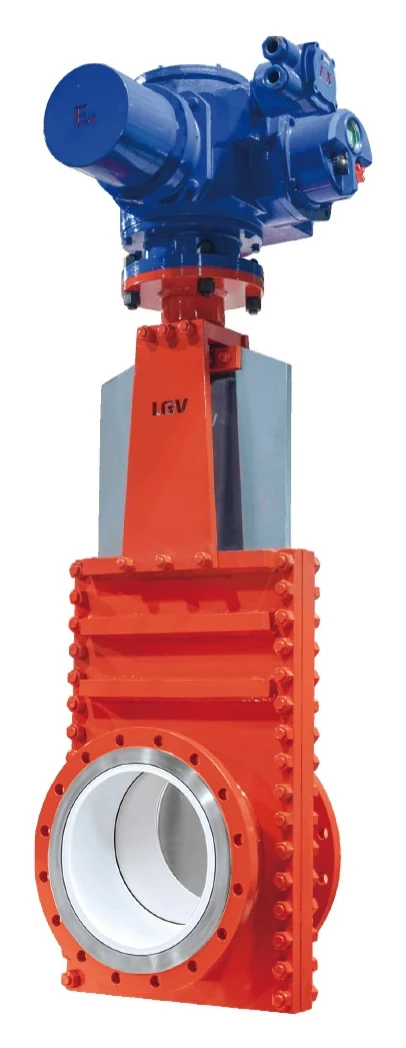
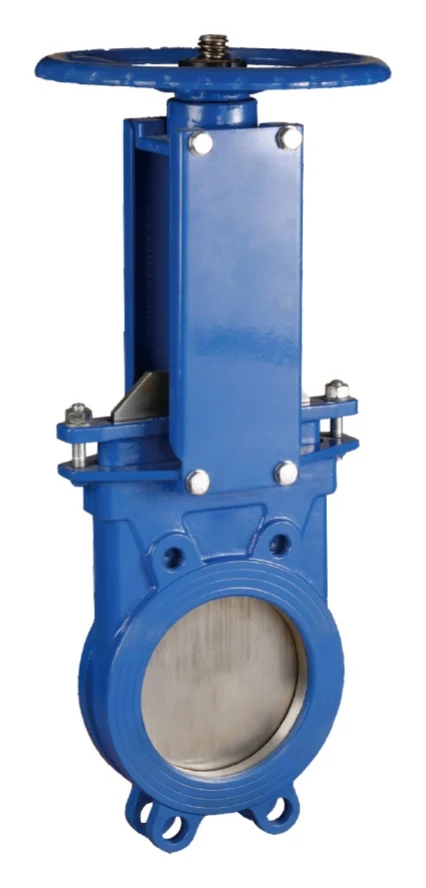
Documented products in this category
For knife gate valve selection, each card represents one documented catalog product. Technical values appear only when supported by mapped product evidence.
Documented product
Ceramic Knife Gate Valve
→
Documented product
Electric Ceramic Knife Gate Valve
→
Documented product
Electric Stainless Steel Knife Gate Valve
→
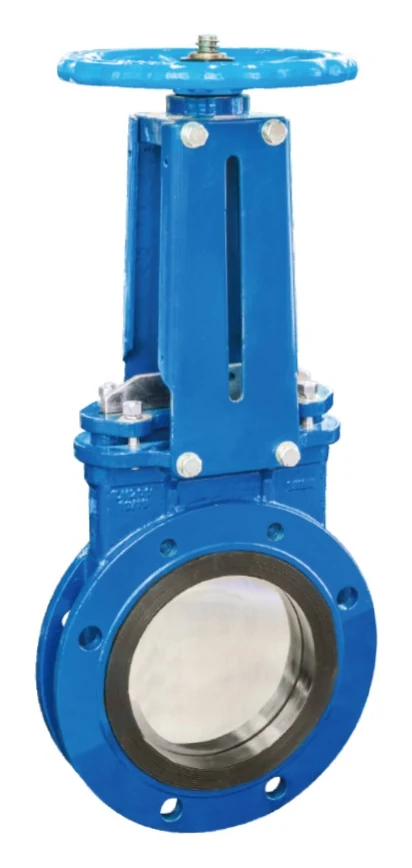
Documented product
Large Diameter Knife Gate Valve
→
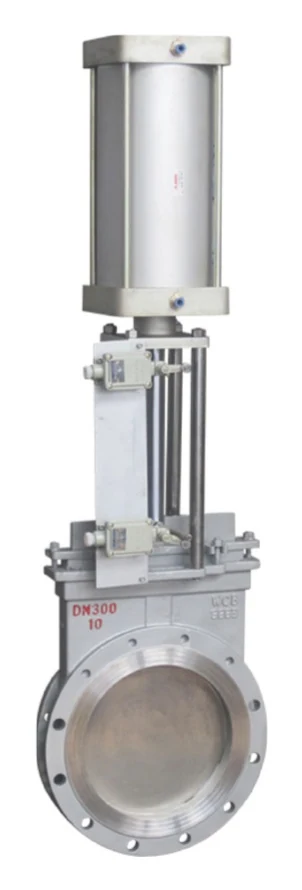
Documented product
Lug Knife Gate Valve
→
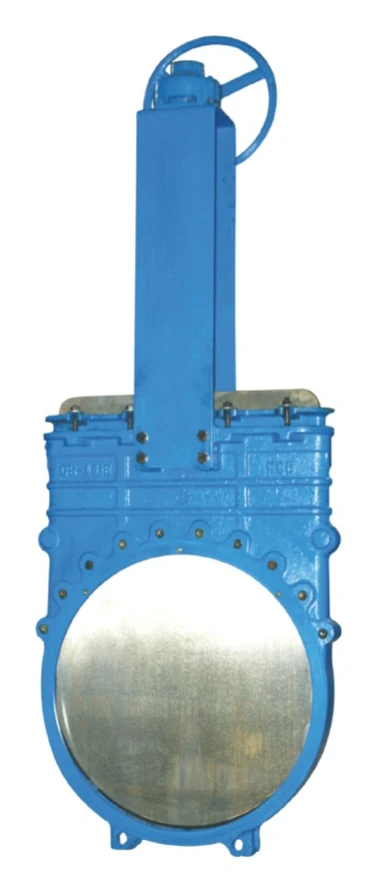
Documented product
New Type Knife Gate Valve
→
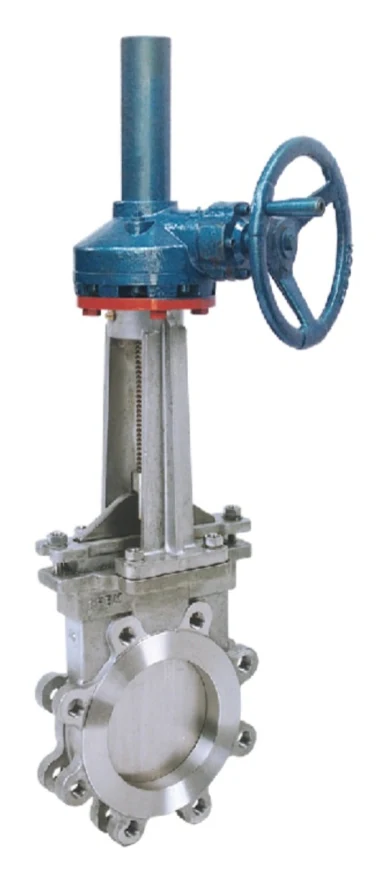
Documented product
Pneumatic Knife Gate Valve
→
Buyer questions
Questions industrial buyers ask about knife gate valves
Before requesting knife gate valve pricing, these answers clarify category-level intent. Product-specific values remain in verified product documents and quotations.
Why is a knife gate valve used for slurry service?
Its gate movement and available body or seat concepts can suit solids-bearing isolation, subject to the documented design and actual slurry conditions.
Can every knife gate valve seal in both directions?
No. Directionality must be confirmed from the documented seat and body design.
What solids data should be included in an RFQ?
Provide particle size, hardness, concentration, fibers, settling behavior, velocity, pressure and cleaning practice.
Commercial routing
Continue the knife gate valves buying journey
When evaluating knife gate valve, internal links keep category, industry, company and resource intent distinct while giving buyers a clear next step.
Browse all valve products
When defining a knife gate valve inquiry, compare related valve families, then return here when this category best fits the required duty.
Review industry applications
Connect the valve family to service challenges and application-level selection context.
Inspect manufacturing and quality
In a knife gate valve shortlist, review company-level manufacturing and inspection evidence separately from product claims.
Use technical resources
When defining a knife gate valve inquiry, continue to guides and comparisons without moving informational intent into the product owner.
Technical inquiry
Prepare a reviewable knife gate valve RFQ
Before requesting knife gate valve pricing, share the available operating cases and procurement documents. Unknown fields can be marked for technical confirmation; they should not be filled with assumed values.
- Design and operating pressure
- Minimum, normal and maximum temperature
- Medium, composition and phase
- Nominal size and end connection
- Operating duty and cycle frequency
- Actuation, fail action and control signal
- Applicable standard, edition and project specification
- Testing, inspection and document requirements