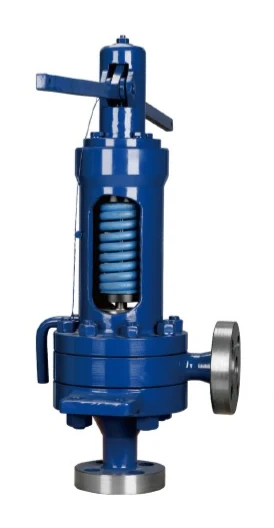
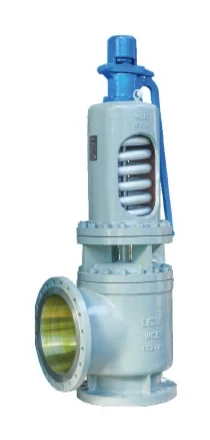
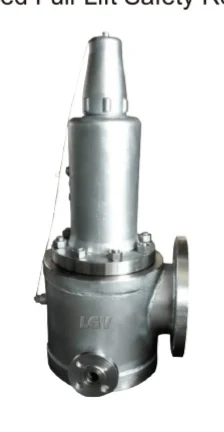
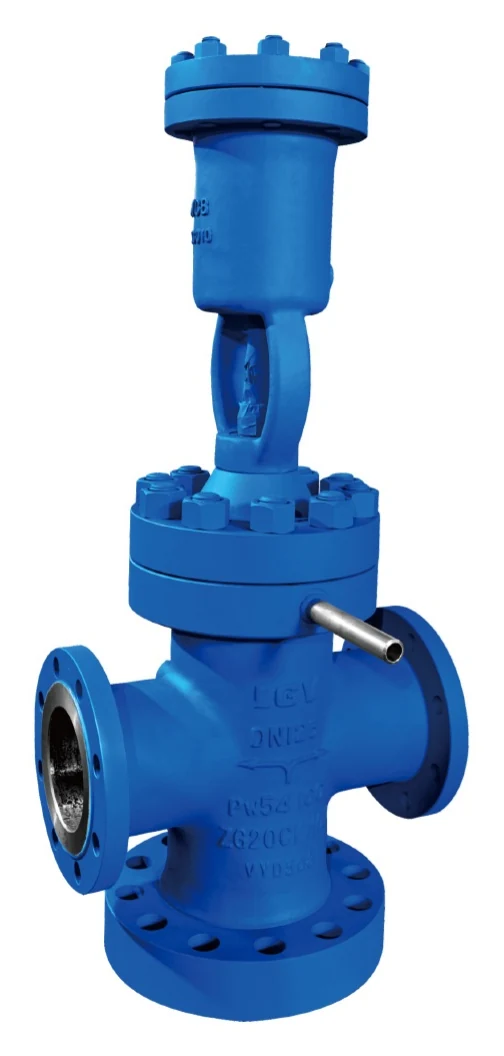
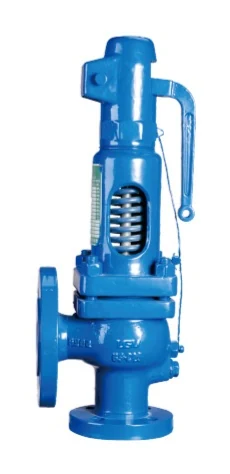
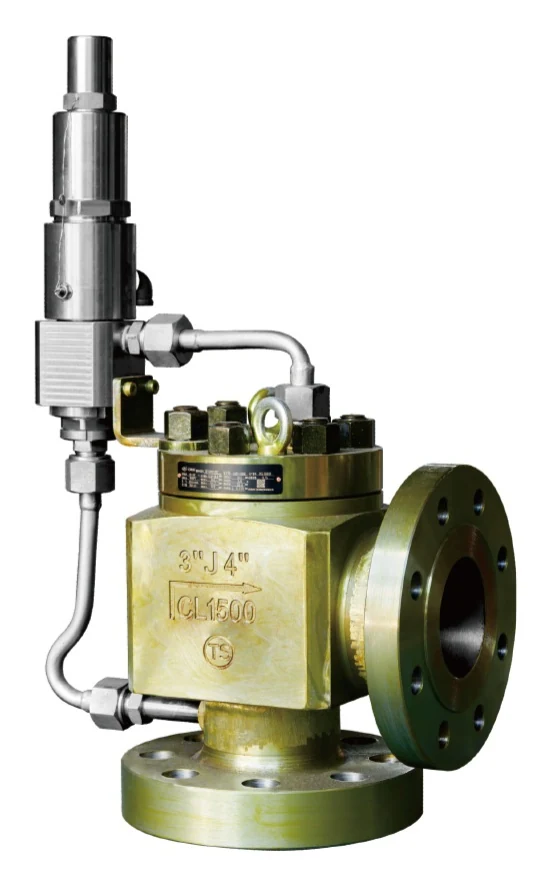
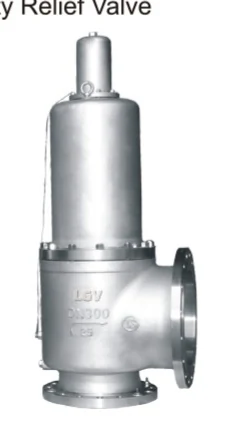
Industrial product category
Industrial Safety and Relief Valves for Overpressure Protection
Treat safety and relief valve selection as a protected-system decision. Set pressure, relieving scenario, required capacity, back pressure, medium, temperature, discharge routing and governing code basis must be established before a valve is proposed.
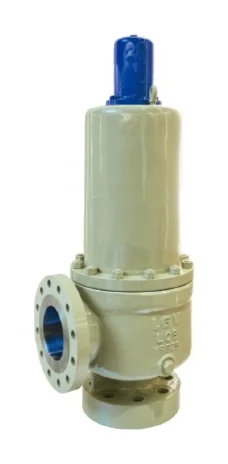
Category scope: safety valve selection, documented product routing and RFQ preparation for industrial buyers.
Engineering pain points
Safety-valve requests that must remain on engineering hold
Safety-critical data cannot be inferred from keywords or copied from another project.
- No relieving scenario or capacity basis
- Set pressure too close to normal operating pressure without review
- Unknown discharge back pressure
- Unsupported code stamp, certification or approval assumptions
Selection framework
Begin with the relieving case and code basis
A catalog model name or inlet size cannot establish required capacity. The protected equipment owner must define credible overpressure scenarios and the applicable engineering and regulatory basis.
Conventional or balanced design
Built-up or superimposed back pressure, medium and discharge system behavior influence the design review.
Direct spring or pilot operated
Set pressure, capacity, operating margin, stability and maintenance strategy help determine the mechanism.
Gas, steam or liquid service
Fluid phase, properties, temperature and relieving conditions are required for capacity and material review.
Specification and procurement
Safety and relief valve data that must come from the protected system
This page supports product-family discovery; it does not perform or replace a certified relief calculation.
| Decision area | Buyer inputs | Why it matters |
|---|---|---|
| Protection basis | Protected equipment, design pressure and governing code or project specification | Defines the engineering authority |
| Relieving case | Scenario, set pressure, relieving pressure and required capacity | Forms the sizing basis |
| Fluid conditions | Composition, phase, molecular or physical properties and temperature | Supports capacity and material review |
| Discharge system | Back pressure, header conditions, outlet routing and reaction loads | Affects design and installation review |
Application intent
Overpressure protection depends on the scenario
Boiler, vessel, thermal-relief and process-gas cases may use similar search terms but do not share one sizing basis.
Process vessel or piping
Identify the credible scenario, fluid state, accumulation basis, inlet loss and discharge conditions.
Steam or thermal service
State equipment duty, set pressure, relieving temperature, required capacity and code basis.
Back-pressure-sensitive systems
Provide superimposed and built-up back pressure plus header operating cases before a balanced or pilot concept is considered.
Product architecture
Continue to a documented safety & relief valves series
When evaluating safety valve, these series are distinct product routes rather than duplicate category pages. Each keeps its documented scope and only uses claims supported for that series.
Commercial procurement intent
How to evaluate an industrial safety valve manufacturer or supplier
Searches for a safety valve manufacturer, supplier or factory usually signal a buying decision. Compare the quality of the engineering response and the documented evidence limits—not only a price or a polished catalog image.
The protected problem is defined
When defining a safety valve inquiry, a credible proposal starts with the equipment, process or downstream component being protected and the actual failure or contamination scenario.
Materials follow the real medium
When evaluating safety valve, compatibility, wear and cleaning statements should reference the submitted fluid, solids and temperature conditions—not a broad industry label.
Evidence matches the offered configuration
For safety valve selection, ask for the drawings, data, tests, material records and installation limits that apply to the quoted product rather than the category as a whole.
Documented evidence and claim limits
What the current safety & relief valves evidence can—and cannot—prove
Before requesting safety valve pricing, Lianggong’s confirmed supply capability permits commercial positioning for this category. Public technical claims still require product-level evidence, and standards or approvals must be verified for the quoted scope.
Documented identity
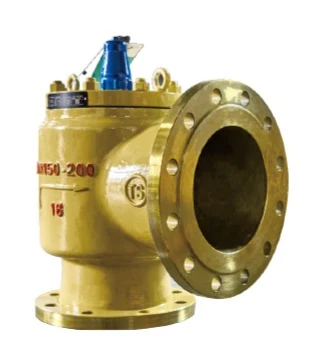
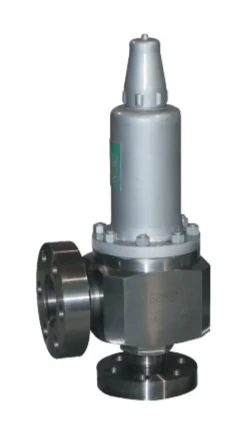
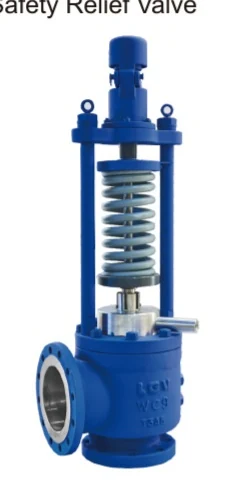
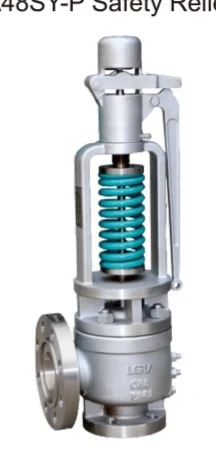
In a safety valve shortlist, catalog names and mapped product images can support identity. They do not prove every rating, dimension, material, test or certification.
Configuration-specific review
In a safety valve shortlist, pressure-temperature limits, materials, ends, actuation and testing remain tied to the quoted configuration and governing project documents.
Procurement traceability
In a safety valve shortlist, the RFQ should state required drawings, datasheets, inspection records, material records and certificates without assuming they already exist.
Documented products in this category
For safety valve selection, each card represents one documented catalog product. Technical values appear only when supported by mapped product evidence.
Buyer questions
Questions industrial buyers ask about safety & relief valves
Before requesting safety valve pricing, these answers clarify category-level intent. Product-specific values remain in verified product documents and quotations.
What is the difference between a safety valve and a relief valve?
Terminology often follows fluid service and the governing code. The protected system and project specification should control the classification.
Can a safety valve be sized from inlet pipe diameter?
No. Required capacity and relieving conditions are essential; a line size alone is not a sizing basis.
Does this page confirm a code stamp or certification?
No. Certification, approval and exact scope must be verified for the quoted product and required documentation.
Commercial routing
Continue the safety & relief valves buying journey
When evaluating safety valve, internal links keep category, industry, company and resource intent distinct while giving buyers a clear next step.
Browse all valve products
When defining a safety valve inquiry, compare related valve families, then return here when this category best fits the required duty.
Review industry applications
Connect the valve family to service challenges and application-level selection context.
Inspect manufacturing and quality
In a safety valve shortlist, review company-level manufacturing and inspection evidence separately from product claims.
Use technical resources
When defining a safety valve inquiry, continue to guides and comparisons without moving informational intent into the product owner.
Technical inquiry
Prepare a reviewable safety valve RFQ
Before requesting safety valve pricing, share the available operating cases and procurement documents. Unknown fields can be marked for technical confirmation; they should not be filled with assumed values.
- Design and operating pressure
- Minimum, normal and maximum temperature
- Medium, composition and phase
- Nominal size and end connection
- Operating duty and cycle frequency
- Actuation, fail action and control signal
- Applicable standard, edition and project specification
- Testing, inspection and document requirements