Resource Hub
Industrial Valve Resources for Comparison and Technical Decisions
Use comparison and working-principle guides to clarify a current valve decision, then return to the correct commercial product owner. Evergreen technical content belongs here rather than being diluted across news posts or duplicate product pages.
Project focus: Resources. Use the product, industry and resource links below to continue from this page’s defined scope.
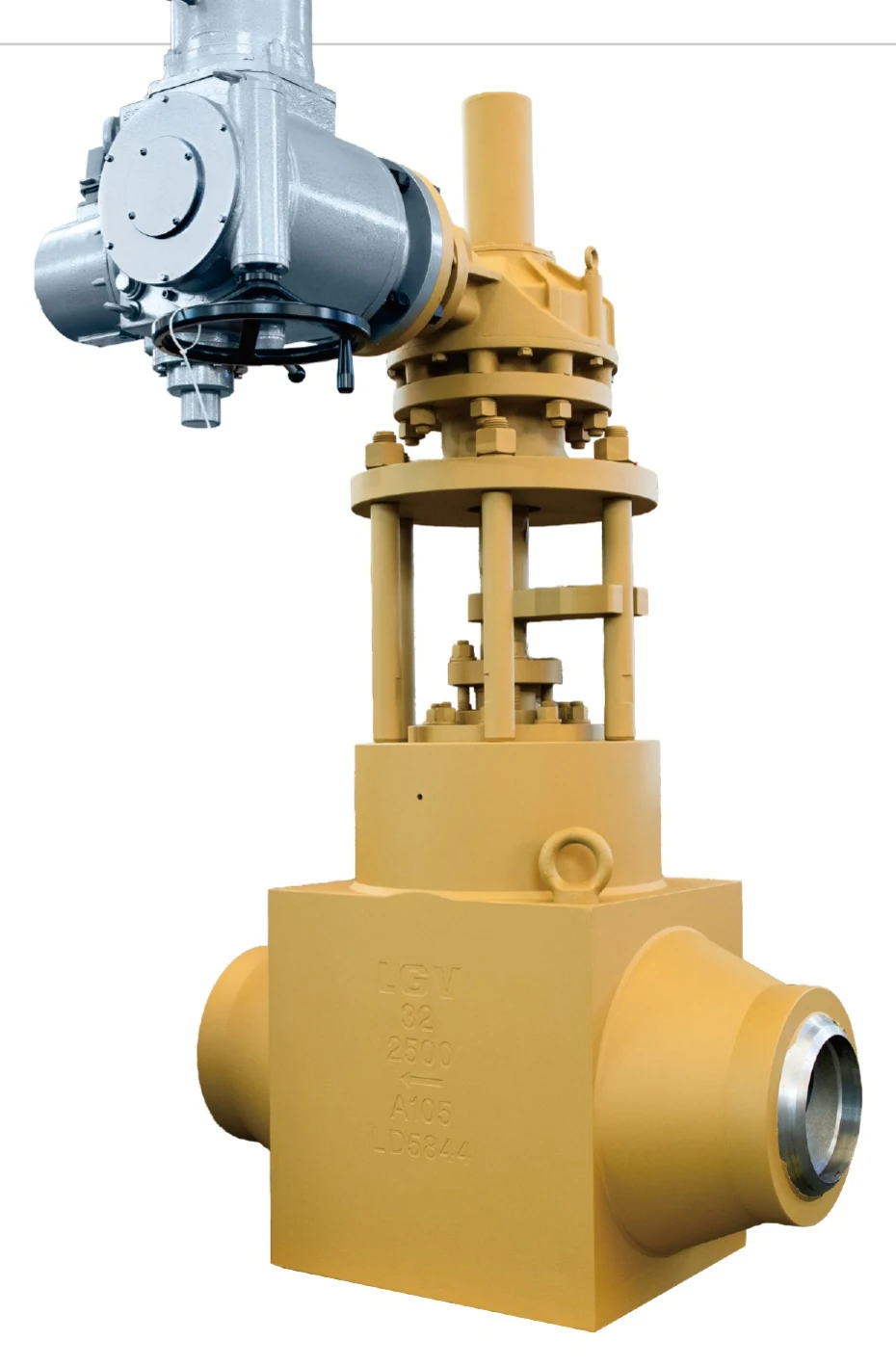
Buyer decision
What this valve selection resources page must help a buyer decide
For buyers using the Resources page, use this page to make the decision described here, then follow the related product, industry or resource links when more specific information is needed.
Comparison guides
Evaluate two designs on service, installation, operation, evidence and lifecycle—not on a universal winner.
Technical guides
Understand mechanisms and system behavior without turning an explanation into an unsupported product claim.
Commercial handoff
Every resource returns the buyer to one primary product owner and a reviewable RFQ.
Information framework
Build the valve selection resources decision from verifiable inputs
On the Resources route, use the same information structure across technical and commercial conversations. Unknowns remain visible until a responsible source confirms them.
| Decision area | Buyer inputs | Why it matters |
|---|---|---|
| Question type | Comparison, definition, working principle, selection or standard context | Selects the right guide format |
| Decision stage | Discovery, shortlisting, technical review or procurement | Determines depth and next action |
| Evidence needed | Generic principle, product data or project-specific calculation | Prevents overclaiming |
| Commercial product route | Category, series or RFQ destination | Avoids resource/product cannibalization |
Evergreen guidance
Resources support product decisions
These pages explain design differences and decision criteria, then return the buyer to the relevant product page for selection and RFQ work.
Comparison Guide
Gate Valve vs. Ball Valve: Differences and Selection Considerations
Open the relevant page for documented scope, available evidence and next-step requirements.
Comparison Guide
Trunnion vs. Floating Ball Valve: Design, Pressure and Selection
Open the relevant page for documented scope, available evidence and next-step requirements.
Comparison Guide
Ball Valve vs. Butterfly Valve: Differences and Selection Considerations
Open the relevant page for documented scope, available evidence and next-step requirements.
Comparison Guide
Concentric vs. Double-Eccentric Butterfly Valve: Design and Selection
Open the relevant page for documented scope, available evidence and next-step requirements.
Comparison Guide
Double-Offset vs. Triple-Offset Butterfly Valve: Differences and Selection
Open the relevant page for documented scope, available evidence and next-step requirements.
Comparison Guide
Lug vs. Wafer Butterfly Valve: Installation and Selection
Open the relevant page for documented scope, available evidence and next-step requirements.
Technical Guide
What Is a Check Valve? Function, Types and Industrial Applications
Open the relevant page for documented scope, available evidence and next-step requirements.
Comparison Guide
Spring vs. Swing Check Valve: Closure, Water Hammer and Selection
Open the relevant page for documented scope, available evidence and next-step requirements.
Technical Guide
Pneumatic Diaphragm Valve Working Principle
Open the relevant page for documented scope, available evidence and next-step requirements.
Comparison Guide
Parallel-Slide vs. Flexible-Wedge Gate Valve: Thermal Service Selection
Open the relevant page for documented scope, available evidence and next-step requirements.
Comparison Guide
Slab vs. Wedge Gate Valve: Design and Selection
Open the relevant page for documented scope, available evidence and next-step requirements.
Comparison Guide
Ball Valve vs. Globe Valve: Isolation, Throttling and Selection
Open the relevant page for documented scope, available evidence and next-step requirements.
Technical Guide
What Is a Pinch Valve? Design, Working Principle and Applications
Open the relevant page for documented scope, available evidence and next-step requirements.
Comparison Guide
Plug Valve vs. Ball Valve: Differences and Selection
Open the relevant page for documented scope, available evidence and next-step requirements.
Comparison Guide
Direct-Acting vs. Pilot-Operated Pressure Reducing Valve
Open the relevant page for documented scope, available evidence and next-step requirements.
Technical Guide
Pilot-Operated Safety Valve Working Principle
Open the relevant page for documented scope, available evidence and next-step requirements.
Quality and trust risks
Avoid the shortcuts that weaken valve selection resources credibility
For buyers using the Resources page, useful B2B content makes scope, evidence and responsibility explicit instead of filling space with generic claims.
- Publishing mirrored A-vs-B and B-vs-A pages
- Treating a diagram as a complete guide
- Letting educational content steal manufacturer intent
- Using generic AI summaries without practical buyer guidance
- Sending buyers to a resource with no commercial return path
Evidence and claim limits
Evidence rules for valve selection resources
For the next action from Resources, company capability, product identity, technical performance, certification and project history are different evidence domains. One must never be used as automatic proof of another.
Verified public context
For buyers using the Resources page, use only documented page and product identities, mapped assets and facts supported by the current source files.
Configuration-specific facts
When using Resources for project handoff, keep materials, pressure, temperature, dimensions, standards and tests tied to the exact offered product.
Independent proof required
For the next action from Resources, certificates, named customers, projects, shipments and quantitative claims require their own current records.
Documented visual evidence
Company and product context for valve selection resources
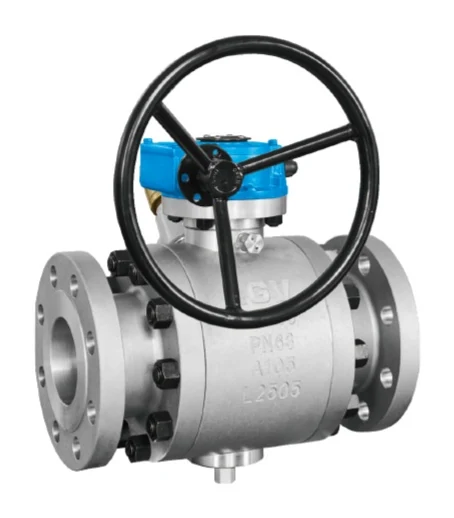
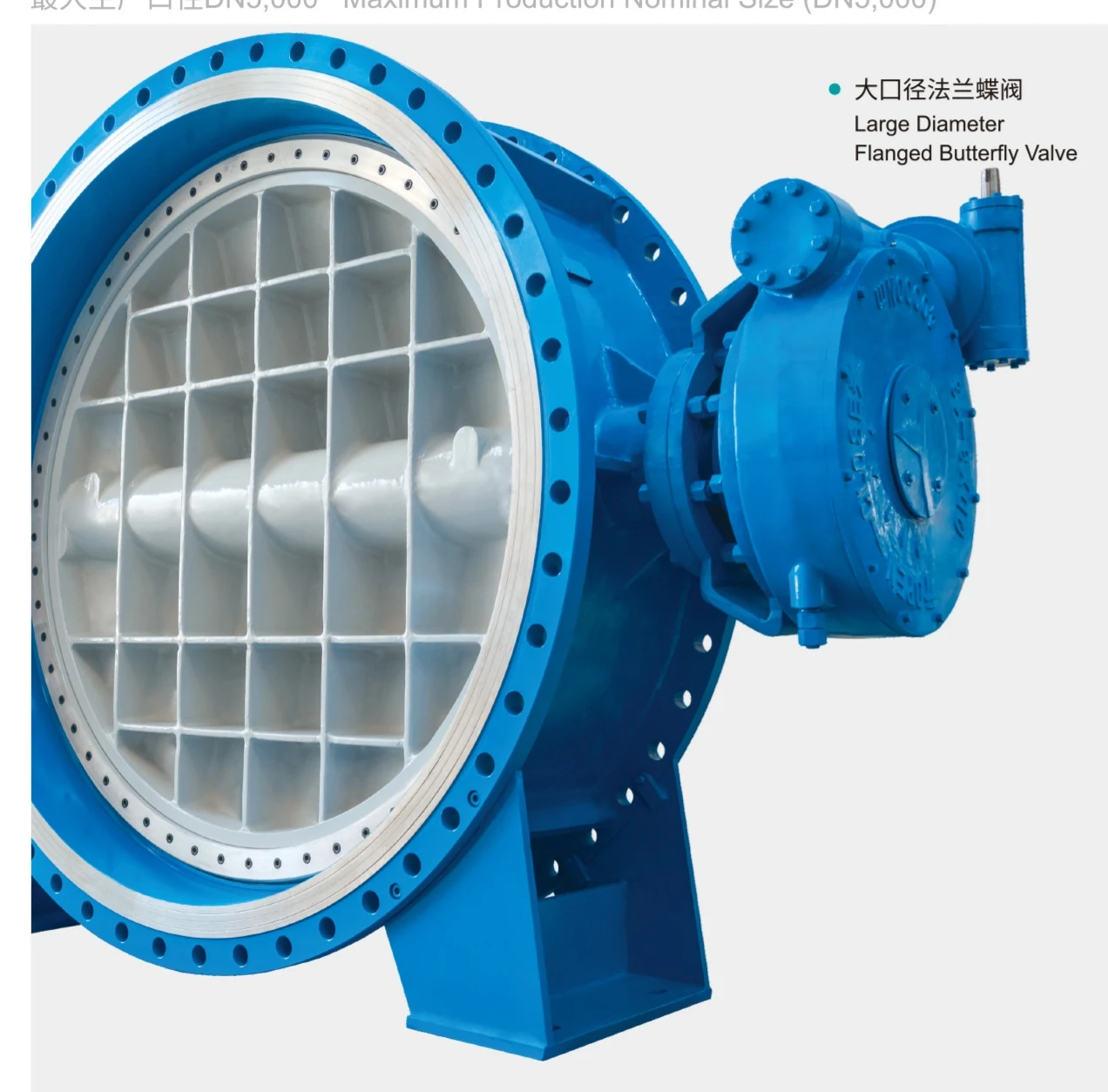
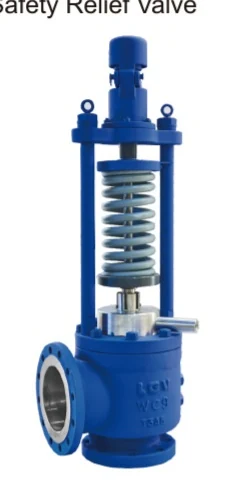
At the next decision on the Resources page, these mapped source images support the visible context described by their alt text. They do not prove unshown specifications, approvals, named customers or project performance.
Practical next step
Move from valve selection resources research to a controlled project handoff
When using Resources for project handoff, a consistent handoff preserves context and reduces repeated clarification between engineering, procurement and the supplier.
1. Name the decision
State what must be selected, verified, quoted or documented.
2. Attach the inputs
Share relevant datasheets, schedules, drawings and project specifications.
3. Identify unknowns
Mark missing fields and responsibility instead of inserting assumed values.
4. Confirm the output
Agree the required quotation, submittal, record or follow-up route.
Practical buyer guidance
What a serious buyer should expect from valve selection resources
Within the Resources workflow, this layer turns the page from a simple navigation or company statement into a practical B2B decision resource.
One guide, one decision
Every resource should answer a defined comparison, working-principle or selection question. Near-duplicate modifiers and inverse comparisons belong inside the same canonical guide rather than becoming thin additional pages.
Mechanism is not suitability
A diagram or technical explanation can describe how a valve generally behaves. It cannot establish capacity, materials, limits, certification or fitness for the buyer’s system without a documented product and project basis.
Evergreen is not news
Long-life technical and buyer guidance is maintained in Resources and linked to the relevant product routes. Exhibitions, launches and company updates remain time-sensitive news content.
Commercial return paths matter
A resource must identify the primary product owner, relevant industry context and next RFQ action. Orphan articles may attract informational visits but fail both the buyer journey and the site’s internal-link architecture.
Decision record
Record the outcome of the valve selection resources review
For the next action from Resources, before leaving the page, the buyer should be able to record a responsible next action rather than starting the same discovery process again.
Selected route
Record the product, industry, resource or contact owner that now holds the decision.
Open questions
When using Resources for project handoff, list missing technical, commercial, evidence and responsibility items with an owner for follow-up.
Required deliverable
For buyers using the Resources page, define whether the next output is a shortlist, clarification, quotation, drawing, datasheet, inspection plan or document package.
Buyer questions
Questions about valve selection resources
These answers clarify the page scope and the buyer’s next practical action.
Are Resources blog posts?
No. They are evergreen buyer and technical decision assets; time-sensitive company news remains separate.
Can a guide confirm a product is suitable?
No. It explains the decision framework; suitability requires product and project evidence.
Where should I go after reading?
Follow the primary commercial-owner link or submit the operating data for technical review.
Technical and commercial contact
Continue the valve selection resources review
On the Resources route, use the structured inquiry route when a product, application, document or quotation requires confirmation.