Industry Hub
Industrial Valve Selection by Industry Duty and Operating Challenge
Explore how valve selection changes across chemical, water, oil and gas, power, marine, mining, offshore, food/pharmaceutical and pulp-and-paper applications. Industry pages frame the problem; product pages own the commercial solution.
Project focus: Industries. Use the product, industry and resource links below to continue from this page’s defined scope.
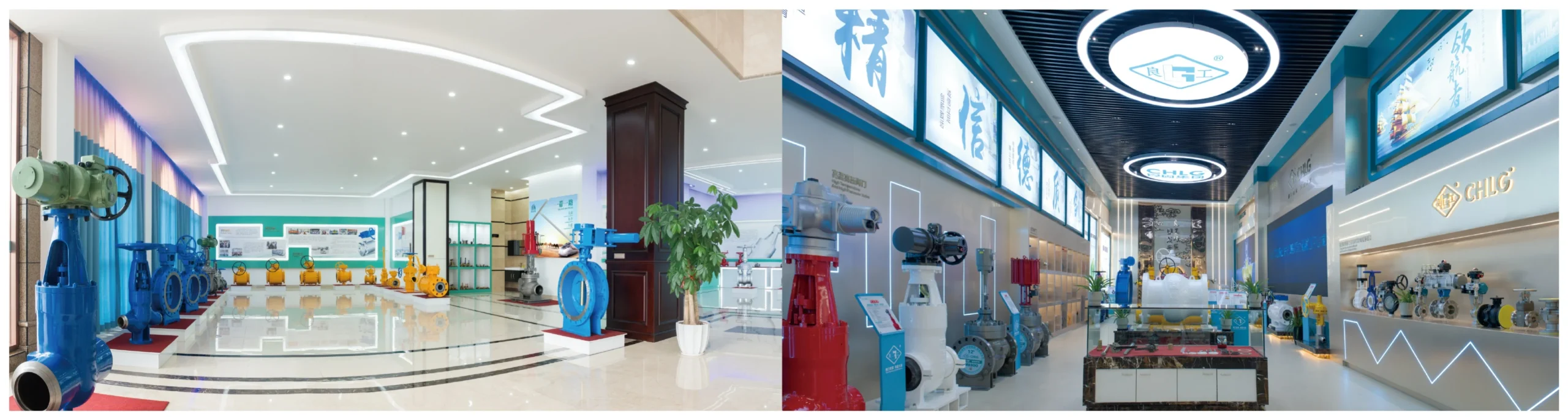
Buyer decision
What this industries page must help a buyer decide
For buyers using the Industries page, use this page to make the decision described here, then follow the related product, industry or resource links when more specific information is needed.
Start with the system
Name the plant, unit, equipment and valve function before choosing a family.
Expose the operating challenge
Corrosion, solids, cycling, transients, containment and access create different decisions.
Separate capability from proof
Industry capability is confirmed, while products, projects and certifications retain independent evidence status.
Information framework
Build the industries decision from verifiable inputs
On the Industries route, use the same information structure across technical and commercial conversations. Unknowns remain visible until a responsible source confirms them.
| Decision area | Buyer inputs | Why it matters |
|---|---|---|
| Industry context | Plant, unit, system and equipment tag | Defines where the valve operates |
| Operating challenge | Media, pressure-temperature cases, solids, corrosion and transients | Identifies the dominant selection risk |
| Valve function | Isolation, control, non-return, protection or process handling | Routes the product owner |
| Project basis | Piping class, standards, inspection and document requirements | Defines the verifiable supply package |
Application context
Route the requirement by service and function
This page owns the industry context for N/A_STRUCTURAL_INDUSTRY_HUB. Product categories and series retain buying-intent sovereignty.
Industry
Chemical & Petrochemical
Open the relevant page for documented scope, available evidence and next-step requirements.
Industry
Food & Pharmaceutical
Open the relevant page for documented scope, available evidence and next-step requirements.
Industry
Water / Municipal
Open the relevant page for documented scope, available evidence and next-step requirements.
Industry
Oil & Gas
Open the relevant page for documented scope, available evidence and next-step requirements.
Industry
Power Generation
Open the relevant page for documented scope, available evidence and next-step requirements.
Industry
Marine
Open the relevant page for documented scope, available evidence and next-step requirements.
Industry
Mining
Open the relevant page for documented scope, available evidence and next-step requirements.
Industry
Offshore
Open the relevant page for documented scope, available evidence and next-step requirements.
Industry
Pulp & Paper
Open the relevant page for documented scope, available evidence and next-step requirements.
Quality and trust risks
Avoid the shortcuts that weaken industries credibility
For buyers using the Industries page, useful B2B content makes scope, evidence and responsibility explicit instead of filling space with generic claims.
- Using an industry name as a technical specification
- Claiming a past project without evidence
- Assigning one material or valve type to an entire industry
- Moving product buying intent into an industry page
- Publishing certifications outside their verified scope
Evidence and claim limits
Evidence rules for industries
For the next action from Industries, company capability, product identity, technical performance, certification and project history are different evidence domains. One must never be used as automatic proof of another.
Verified public context
For buyers using the Industries page, use only documented page and product identities, mapped assets and facts supported by the current source files.
Configuration-specific facts
When using Industries for project handoff, keep materials, pressure, temperature, dimensions, standards and tests tied to the exact offered product.
Independent proof required
For the next action from Industries, certificates, named customers, projects, shipments and quantitative claims require their own current records.
Documented visual evidence
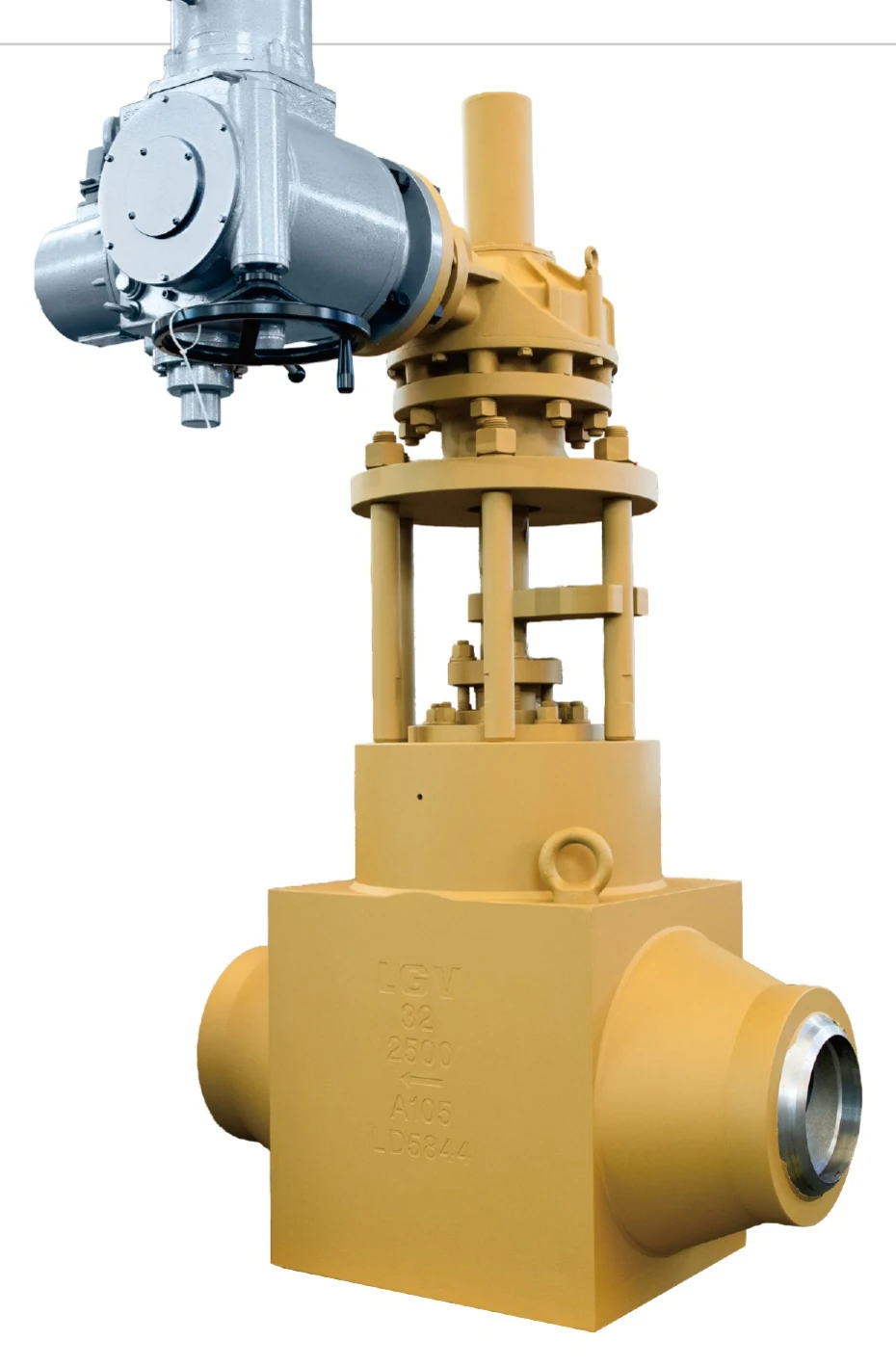
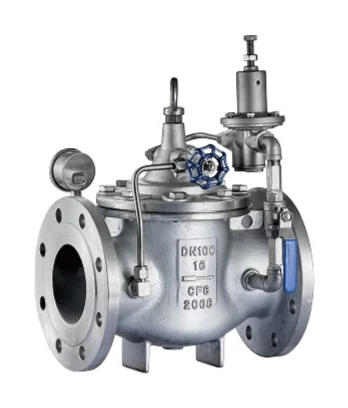
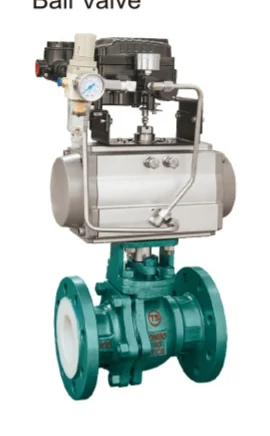
Company and product context for industries
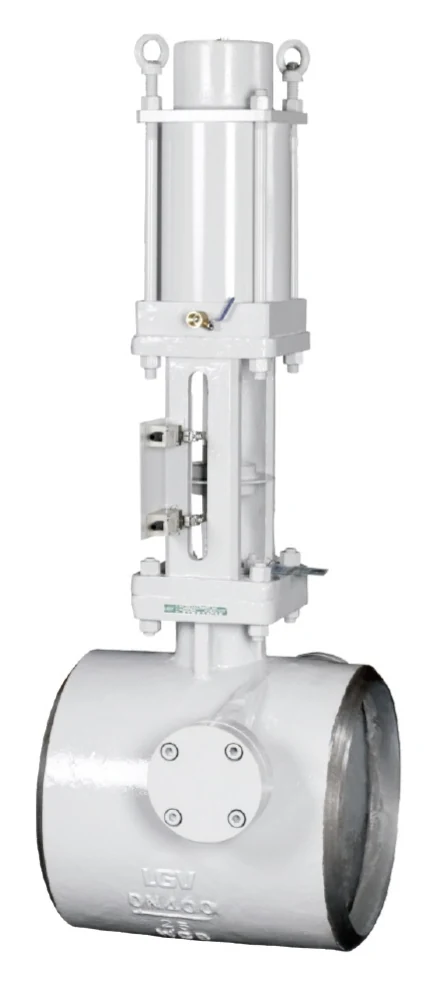
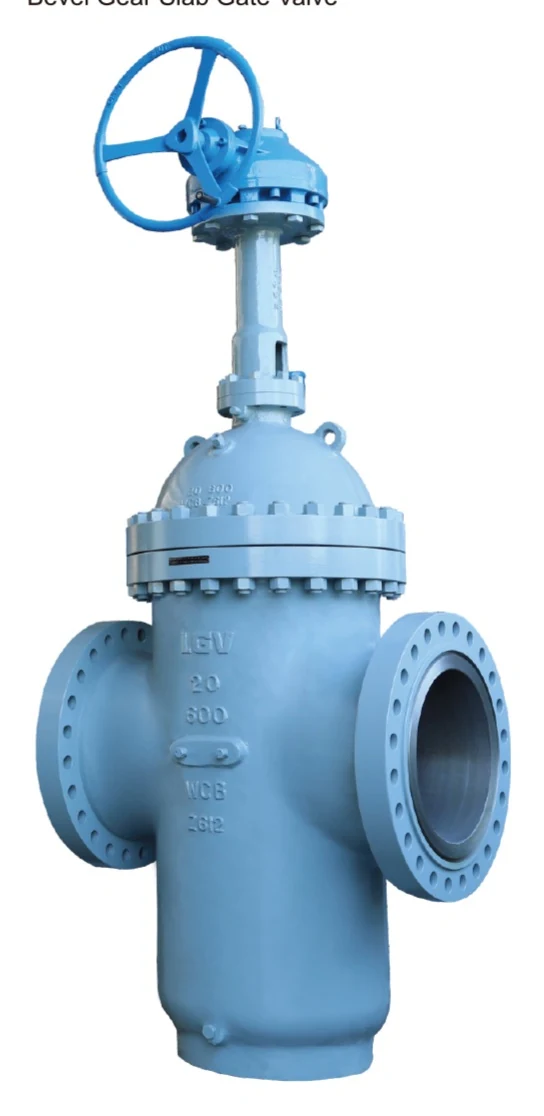
At the next decision on the Industries page, these mapped source images support the visible context described by their alt text. They do not prove unshown specifications, approvals, named customers or project performance.
Practical next step
Move from industries research to a controlled project handoff
When using Industries for project handoff, a consistent handoff preserves context and reduces repeated clarification between engineering, procurement and the supplier.
1. Name the decision
State what must be selected, verified, quoted or documented.
2. Attach the inputs
Share relevant datasheets, schedules, drawings and project specifications.
3. Identify unknowns
Mark missing fields and responsibility instead of inserting assumed values.
4. Confirm the output
Agree the required quotation, submittal, record or follow-up route.
Practical buyer guidance
What a serious buyer should expect from industries
Within the Industries workflow, this layer turns the page from a simple navigation or company statement into a practical B2B decision resource.
Industries frame problems
An industry page explains process systems, service challenges and failure consequences. It guides the buyer toward relevant product families but does not claim that one configuration, material or standard covers an entire market.
Capability and history are separate
Owner confirmation means Lianggong may support the industry. It does not identify a past customer, project quantity, shipment, plant approval or installed base; those statements remain unavailable until source evidence is verified.
Application language must stay useful
Corrosion, thermal cycling, slurry, surge, containment, cleaning and access are actionable selection themes. Empty phrases such as robust performance or world-class solutions add no decision value and should not occupy page space.
The handoff preserves sovereignty
Once the duty is defined, continue to the relevant product category or series for configuration review, supplier evaluation and RFQ preparation.
Decision record
Record the outcome of the industries review
For the next action from Industries, before leaving the page, the buyer should be able to record a responsible next action rather than starting the same discovery process again.
Selected route
Record the product, industry, resource or contact owner that now holds the decision.
Open questions
When using Industries for project handoff, list missing technical, commercial, evidence and responsibility items with an owner for follow-up.
Required deliverable
For buyers using the Industries page, define whether the next output is a shortlist, clarification, quotation, drawing, datasheet, inspection plan or document package.
Buyer questions
Questions about industries
These answers clarify the page scope and the buyer’s next practical action.
What does an industry page cover?
It owns application context, service challenges and routing—not product specifications or named project proof.
Can one valve family serve every system in an industry?
No. Different functions and operating cases require different product routes.
How do I request an application review?
Provide the system, tag function, operating cases, medium, installation, project basis and required documents.
Technical and commercial contact
Continue the industries review
On the Industries route, use the structured inquiry route when a product, application, document or quotation requires confirmation.