
Control de calidad
Control de calidad de válvulas: ensayos, trazabilidad y registros
VALMORA ayuda a los compradores de válvulas industriales a definir los requisitos de inspección y ensayo de las válvulas que prevén solicitar. Comience por la especificación del producto y los criterios de aceptación, y acuerde después qué registros de materiales, ensayos y liberación deben acompañar a ese suministro.
Para válvulas de compuerta, bola, mariposa y otros tipos, los ensayos y la documentación exigidos dependen del diseño, el servicio y el pedido de compra, no de una única afirmación de ensayo universal.
REQUISITOS DE CALIDAD
Incluya los requisitos de calidad en la solicitud de cotización de válvulas
Un certificado de ensayo solo es útil si corresponde a la válvula ofertada y a la base de aceptación acordada. Defina los tres puntos siguientes antes de comparar cotizaciones.
Identifique la configuración suministrada
Indique el tipo de válvula, tamaño, clase o rating de presión, materiales del cuerpo y del trim, asiento, extremos, actuador y cualquier tag de proyecto. Una descripción de catálogo a nivel de familia no puede definir el alcance de ensayo de cada configuración.
Especifique los ensayos y la aceptación
Indique la norma de producto y de ensayo aplicable, la edición cuando se requiera, los ensayos de límite de presión y de asiento, la aceptación de fugas, el medio de ensayo y cualquier verificación funcional adicional.
Acuerde quién registra y quién presencia
Identifique la etapa de inspección, el formato de registro y los puntos de testimonio del comprador o de terceros, si es necesario. Una foto del equipo no es un resultado firmado para una válvula en particular.
PLAN DE CALIDAD DEL PEDIDO
¿Qué inspecciones deben incluirse en el pedido?
Utilice un plan de inspección y ensayos (ITP) vinculado al pedido de compra para relacionar cada verificación requerida con un criterio de aceptación y un entregable. Las actividades siguientes son ejemplos de lo que debe especificarse; no implican que todas las válvulas reciban todos los ensayos.
| Etapa de inspección | Especificar en la RFQ / ITP | Evidencia a solicitar |
|---|---|---|
| Materiales e identidad | Grado, colada/lote y piezas críticas a trazar | Registros de materiales aplicables vinculados al artículo o lote entregado |
| Dimensiones y montaje | Revisión del plano, dimensiones clave, marcado y alcance del actuador | Registro acordado de inspección dimensional o de montaje |
| Presión y funcionamiento | Verificaciones aplicables de estanqueidad del cuerpo y del asiento, método de ensayo y criterios de aceptación; ensayos de actuador/funcionamiento cuando proceda | Informe de ensayo identificado por válvula o por lote, con condiciones y resultado |
| Inspección final y liberación | Recubrimiento/estado, placas de identificación, protección, desviaciones y lista de documentos | Registro de liberación y documentación de envío acordada |
IMÁGENES DEL CATÁLOGO DEL PROVEEDOR
Ejemplos de instalaciones de medición, inspección y ensayo
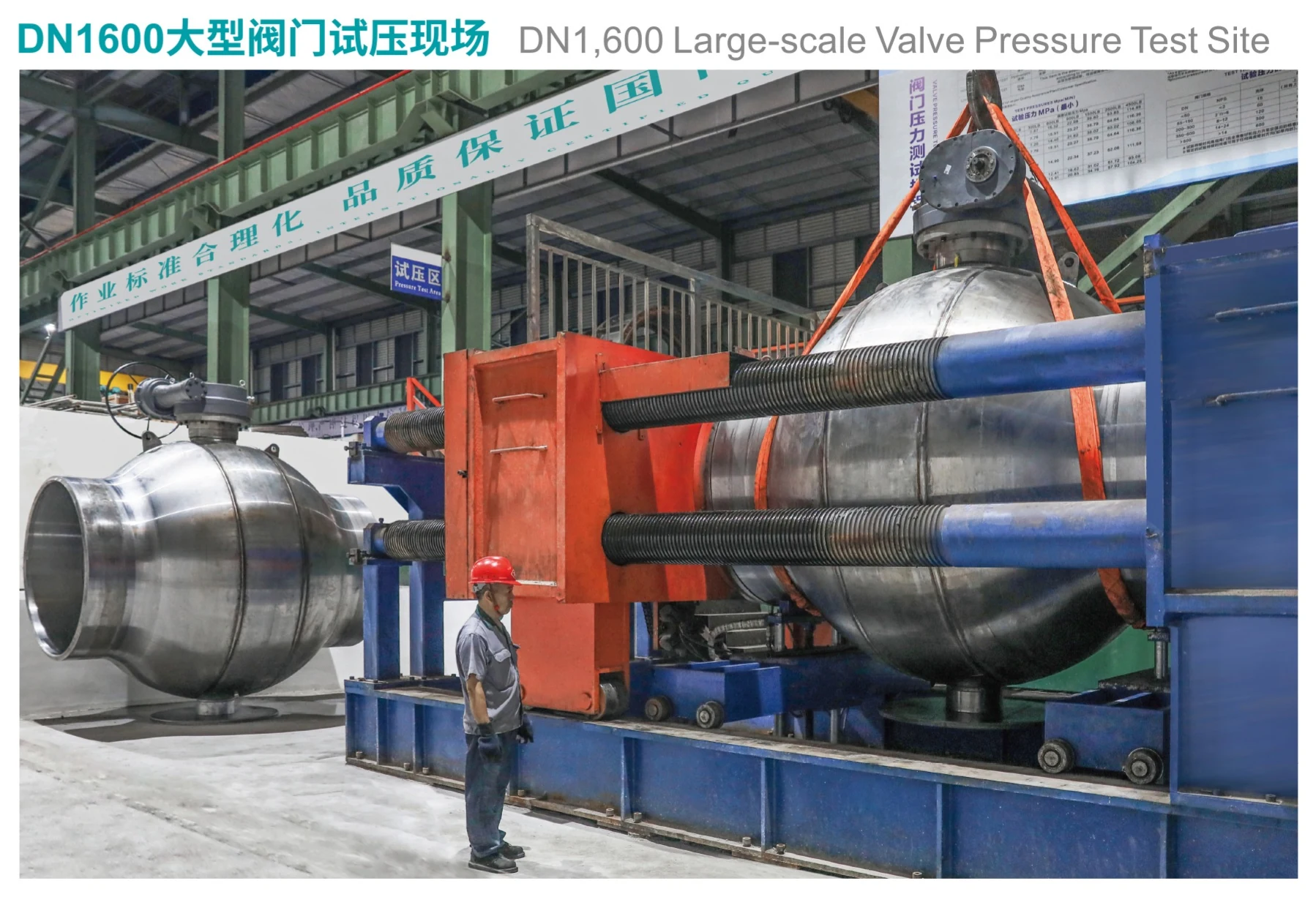
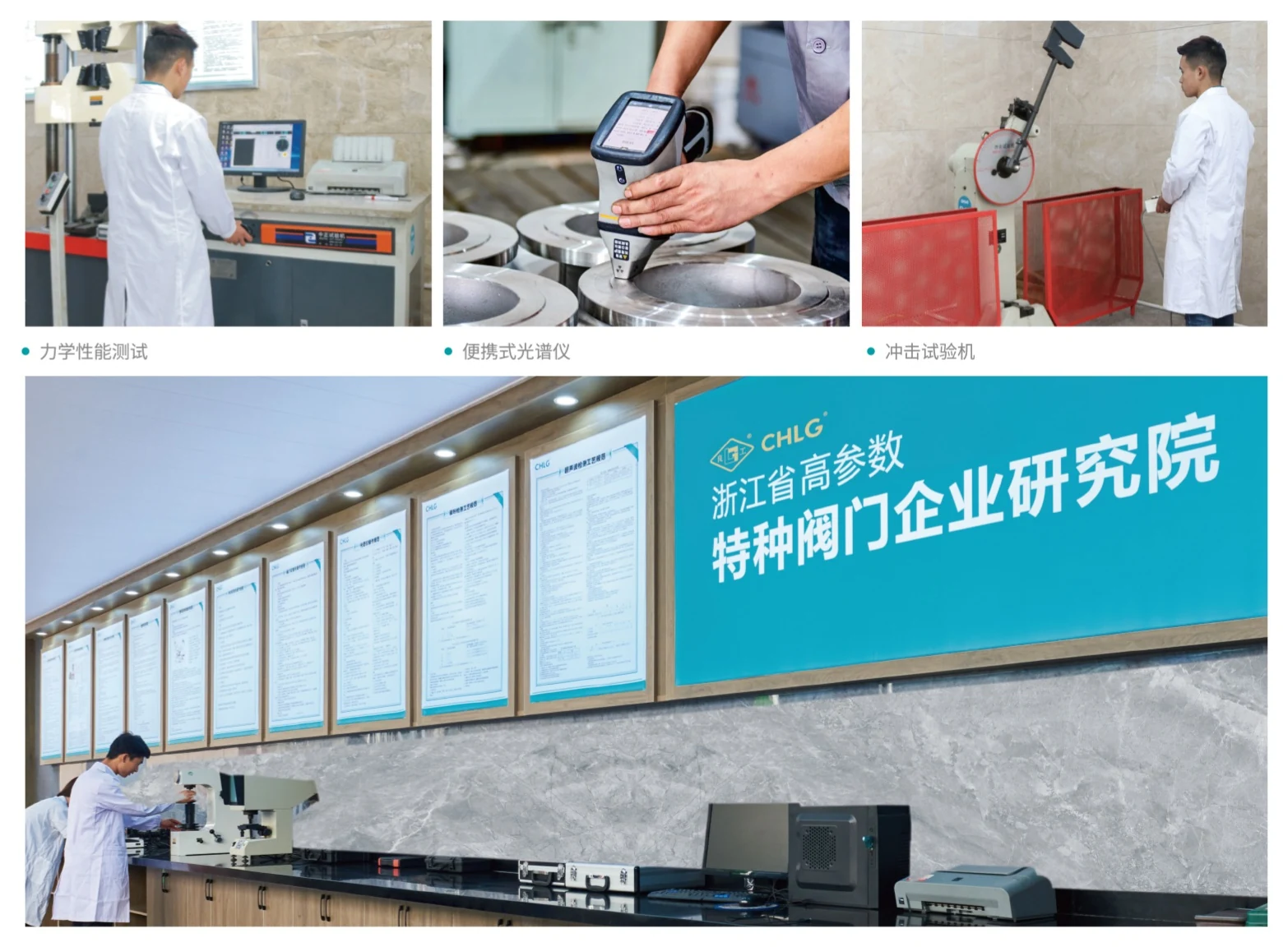
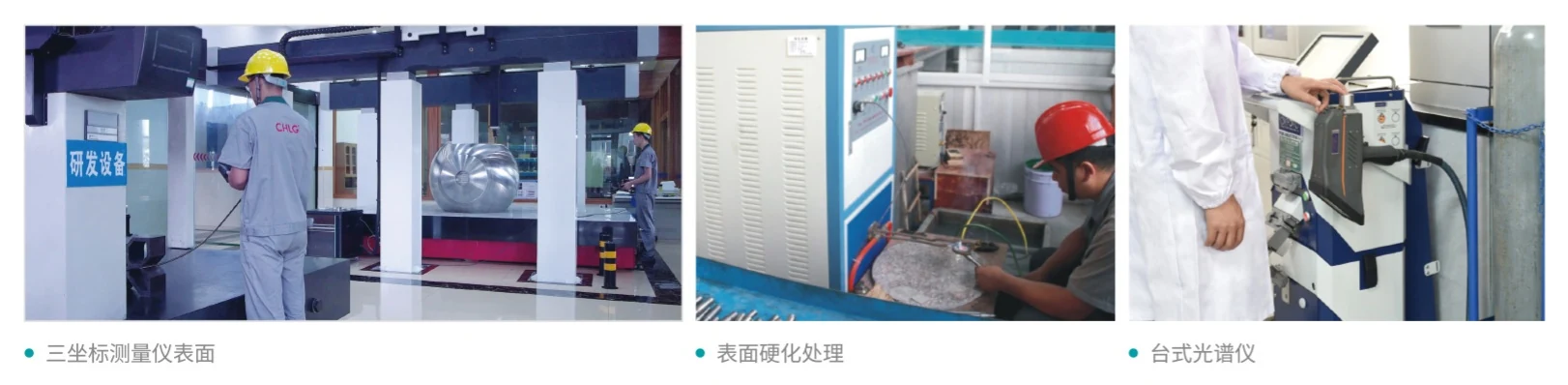
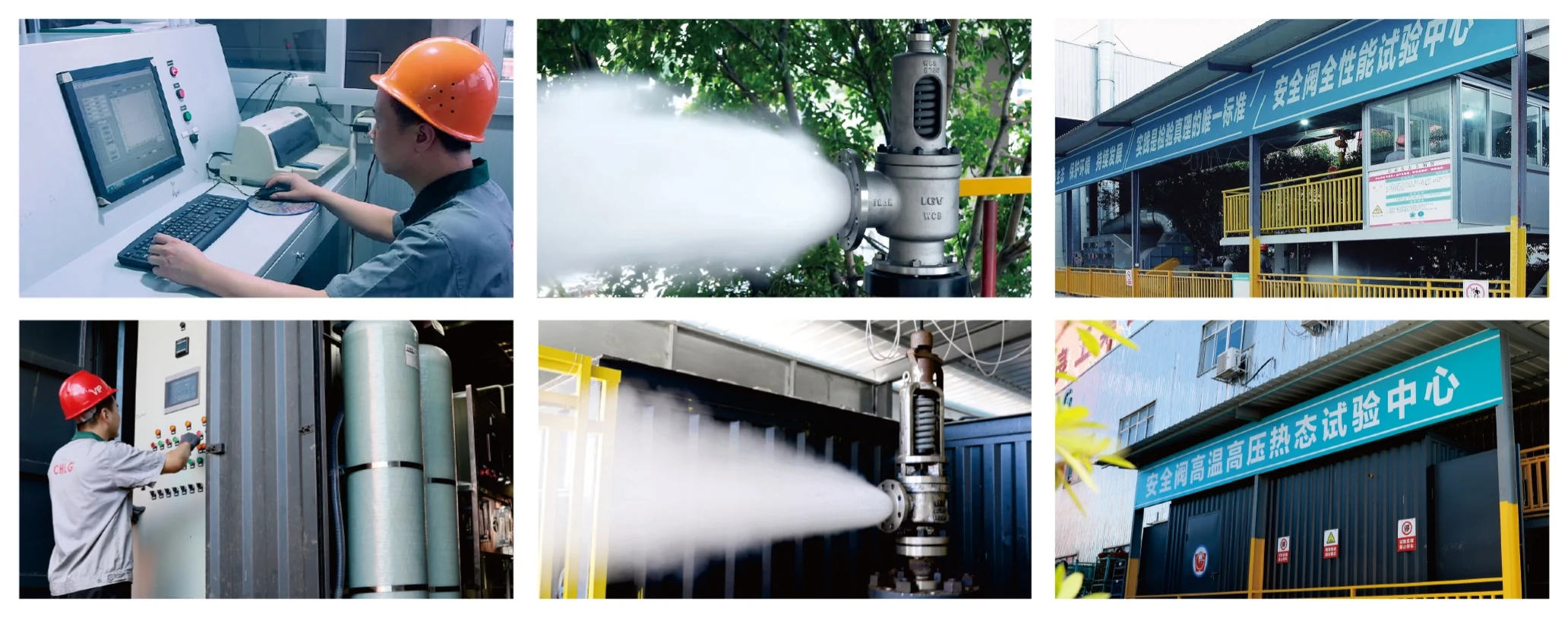
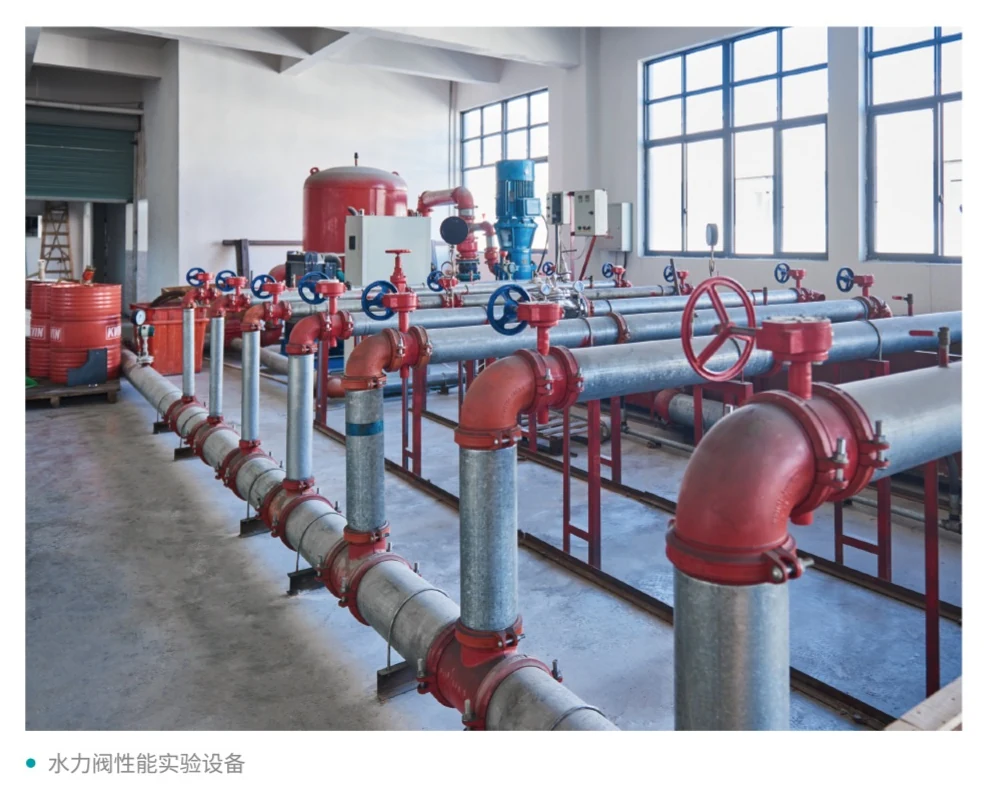
Estas imágenes existentes se reproducen del catálogo del proveedor Lianggong: actividades de medición, un centro de ensayo e inspección, controles de proceso y un banco de pruebas de válvulas. Ilustran el contexto disponible por parte del proveedor, no la titularidad de las instalaciones mostradas por parte de VALMORA ni los resultados de un pedido específico de VALMORA.
APLICABILIDAD DE LA NORMA DE ENSAYO
Elija una base de ensayo que cubra realmente la válvula
The design standard, the product category and the purchase specification determine which production tests apply. Quoting a standard number alone does not define the acceptance criteria for an unidentified valve.
API 598: common isolation valves
API 598 covers inspection and pressure testing for specified gate, globe, plug, ball, check and butterfly valves, including different seat constructions. Confirm that the offered design and product standard call for it, then specify any purchaser-selected supplemental tests.
ISO 5208 / EN 12266-1: metallic valves
These address pressure and closure testing of industrial metallic valves. Apply them together with the relevant product standard; product-specific requirements can take precedence. EN 12266-1 does not cover safety devices.
Control, safety and specialty valves
A control valve may need actuator and travel checks or a specified seat-leakage performance test. Safety and relief valves require their own applicable inspection and setting requirements. Do not transfer an isolation-valve protocol to these products without confirming applicability.
MATERIAL IDENTIFICATION
Link material documents to the parts being supplied
A material certificate can support grade and inspection results for an identified material lot; it is not a certificate that the assembled valve passed its pressure test. Agree the required traceability level and documentation type before the order.
- Identify pressure-containing and other specified critical materials in the drawing or bill of materials.
- Ask how heat/lot numbers on components or records connect to the supplied valves.
- Specify the EN 10204 document type only where applicable to the purchased metallic products.
- For type 3.1 or 3.2 requests, confirm issuer, validation and the material/inspection scope before ordering.
- Keep valve pressure-test reports separate from material inspection certificates.
INSPECTION & WITNESS POINTS
Decide when the buyer needs to be present
Purchaser inspection, hold points and third-party witnessing are order conditions, not automatic features of every shipment. Agree feasibility, location, notice and access before production scheduling.
1. Set the inspection plan
Identify mandatory checks, applicable procedures, inspection stage and whether each point is review, witness or hold.
2. Schedule notice
Agree who will be notified, at what stage and with what lead time; do not assume a witness can attend without scheduling.
3. Confirm test conditions
Review test medium, pressure, duration and leakage acceptance against the agreed applicable specification; no single values fit every valve.
4. Release the hold point
Record witnessed results and any accepted deviations before release, according to the purchase-order inspection arrangement.
DOCUMENT PACKAGE
What belongs in a reviewable valve quality file?
Match the document list to the order and identify which items are required at quotation, before production, before dispatch or with shipment. Availability and issue format must be confirmed for the exact supply.
Approved technical identification
Agreed datasheet and drawing revisions, product description, valve tag or line number and applicable material/pressure-rating information.
Material and inspection records
Specified material reports, heat/lot mapping, dimensional records and any required examination results, linked to the relevant component or inspection lot.
Test results and acceptance
A report should identify the test subject, procedure, pressure or test conditions where relevant, result, acceptance basis and authorizing record—not merely state “tested.”
Release and exceptions
Include the agreed final inspection status, approved concessions or nonconformances if any, and a document register matching the latest approved revisions.
WHEN RESULTS DO NOT MATCH
Handle deviations before shipment, not in the catalog copy
If a material report, dimension or test result falls outside the agreed basis, identify the affected valve and isolate the issue from unrelated orders. Shipment disposition should follow the contractually agreed approval process.
Identify the affected items
Record the item/tag/lot, failed check, required value or acceptance criterion, actual result and drawing or procedure revision.
Agree a corrective route
Define rework, retest, replacement or a proposed concession as appropriate. A supplier proposal is not automatically a purchaser approval.
Close with traceable evidence
Retain the follow-up test report or written disposition, approval where required and updated release/document status.
COMMON PROCUREMENT QUESTIONS
Three distinctions that prevent document surprises
These questions clarify what an order-specific quality request should establish, without implying that a supplier catalog photo or a generic certificate is product acceptance evidence.
Is a photo of pressure testing enough for acceptance?
No. Ask for an identified valve or lot, the required test procedure, conditions, acceptance limit and authorized results record. A photo is supplementary context at most.
Is an EN 10204 3.1 certificate a finished-valve test report?
Not by itself. The document type describes specific product/material inspection documentation and its validation. A valve pressure test needs its own applicable evidence unless that requirement is explicitly covered by the agreed document package.
Can I request third-party witnessing?
Yes, request it in the inquiry with the valve identity, inspection points, inspector role and required notice. Availability, cost, access and scope must be agreed before the order is placed.
CONTINUE YOUR REVIEW
Move from quality requirements to the right source
Use the product pages for configuration, manufacturing for process context, downloads for published files and the RFQ for order-specific inspection and document requirements.
Find the valve configuration
Browse valve families and identify type, materials, end connections and actuation before defining tests.
Understand manufacturing context
View the separate manufacturing page for available process information; facility images are not product test reports.
Review published downloads
Check existing catalog or technical downloads, then request the documents required for your particular order.
Submit inspection requirements
Send the proposed valve specification, test standard, witness needs and required quality documents.
WHAT THE IMAGES DOCUMENT
Visible supplier facilities are context, not an order result
The source catalog identifies test and inspection areas and shows a large-scale valve pressure-test setup, material checks and process-inspection scenes. VALMORA uses this supplier documentation to discuss inspection options for relevant supply. The photos do not establish facility ownership, current capacity, accredited laboratory status or an individual valve’s passed tests.
Large valve test setup
The catalog labels a large-scale pressure-test station (physical p. 22). Its pictured size label describes the supplier photograph, not a size or test capability promised for this RFQ.
Inspection and measurement
Physical p. 24 shows a testing and inspection center with metrology and material-check images. Request the actual procedures and reports needed for your order.
Process and functional-test scenes
Physical p. 25 shows process checks and valve-related test equipment. Product-specific acceptance still depends on the agreed plan and records.
Image source: Lianggong Valve Product Catalog EN, physical pages 22, 24 and 25 (supplier publication). Photos show supplier-catalog context, not independent certification of VALMORA facilities or delivery.
ORDER-SPECIFIC QUALITY SUPPORT
Ask for the inspections and records your valve order needs
Send the valve type or datasheet, size/rating, materials, service conditions, required standard/edition, test acceptance criteria and document list. Add any purchaser hold points or third-party witness request so feasibility and scope can be reviewed before quotation or order confirmation.