
Controle de qualidade
Controle de Qualidade de Válvulas: Ensaios, Rastreabilidade e Registros
A VALMORA auxilia compradores de válvulas industriais a definir os requisitos de inspeção e ensaio das válvulas que pretendem adquirir. Comece pela especificação do produto e pelos critérios de aceitação e, em seguida, acorde quais registros de material, ensaio e liberação devem acompanhar esse fornecimento.
Para válvulas gaveta, esfera, borboleta e outros tipos, os ensaios e a documentação exigidos dependem do projeto, do serviço e do pedido de compra — não de uma única alegação universal de ensaio.
REQUISITOS DE QUALIDADE
Inclua os requisitos de qualidade na cotação da válvula
Um certificado de ensaio só é útil se corresponder à válvula ofertada e à base de aceitação acordada. Defina os três itens a seguir antes de comparar as cotações.
Identifique a configuração fornecida
Informe o tipo de válvula, tamanho, classe de pressão ou rating, materiais do corpo e do trim, sede, extremidades, atuador e qualquer tag de projeto. Uma descrição de catálogo em nível de família não consegue definir o escopo de ensaio de cada configuração.
Especifique os ensaios e a aceitação
Indique a norma de produto e de ensaio aplicável, a edição quando exigida, os ensaios de limite de pressão e de sede, a aceitação de vazamento, o meio de ensaio e quaisquer verificações funcionais adicionais.
Acorde quem registra e testemunha
Identifique a etapa de inspeção, o formato de registro e os pontos de testemunho do comprador ou de terceiros, se exigido. Uma foto do equipamento não é um resultado assinado para uma válvula específica.
PLANO DE QUALIDADE DO PEDIDO
Quais inspeções devem constar no pedido?
Use um plano de inspeção e testes (ITP) vinculado ao pedido de compra para associar cada verificação exigida a um critério de aceitação e a um documento entregável. As atividades abaixo são exemplos do que especificar — não uma afirmação de que toda válvula recebe todos os testes.
| Etapa de inspeção | Especificar na RFQ / ITP | Evidência a solicitar |
|---|---|---|
| Materiais e identificação | Grau, corrida/lote e peças críticas a rastrear | Registros de material aplicáveis vinculados ao item ou lote entregue |
| Dimensões e montagem | Revisão do desenho, dimensões principais, marcação e escopo do atuador | Registro de inspeção dimensional ou de montagem acordado |
| Pressão e função | Verificações aplicáveis de corpo/sede, método de teste e critérios de aceitação; testes de atuador/função quando pertinente | Relatório de teste identificado por válvula ou lote, com condições e resultado |
| Inspeção final e liberação | Revestimento/condição, tags, proteção, desvios e lista de documentos | Registro de liberação e documentação de embarque acordada |
IMAGENS DO CATÁLOGO DO FORNECEDOR
Exemplos de instalações de medição, inspeção e testes
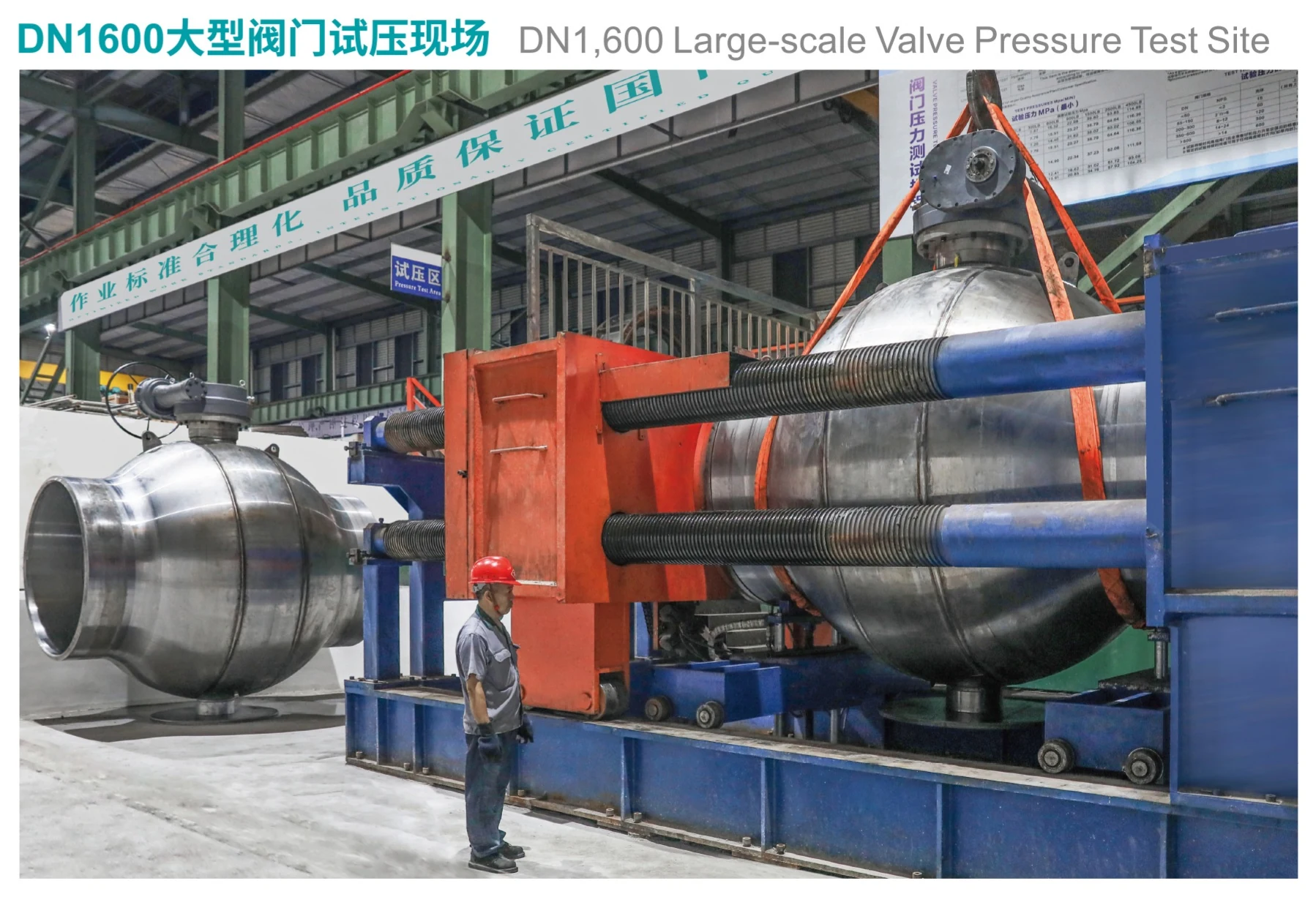
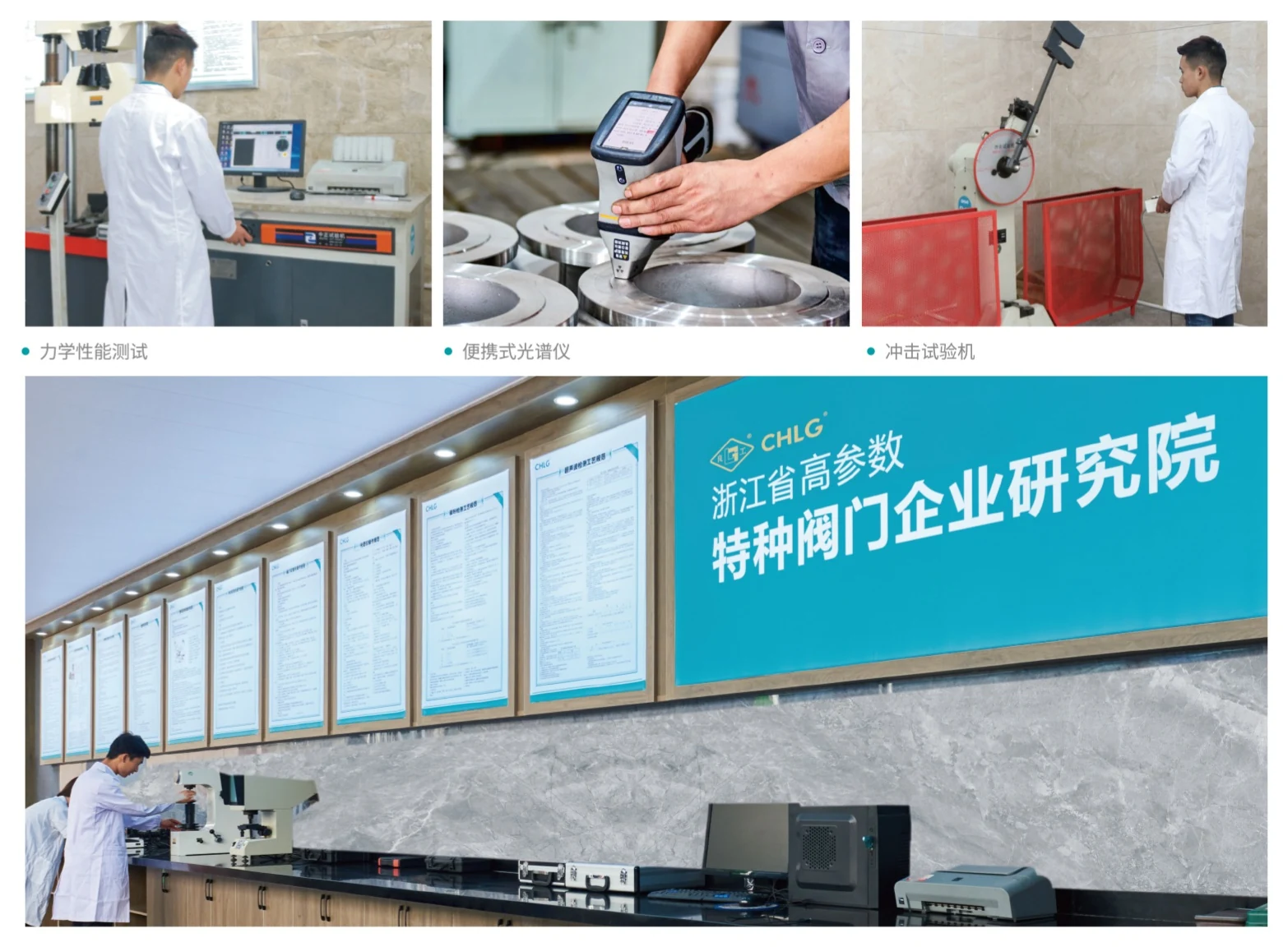
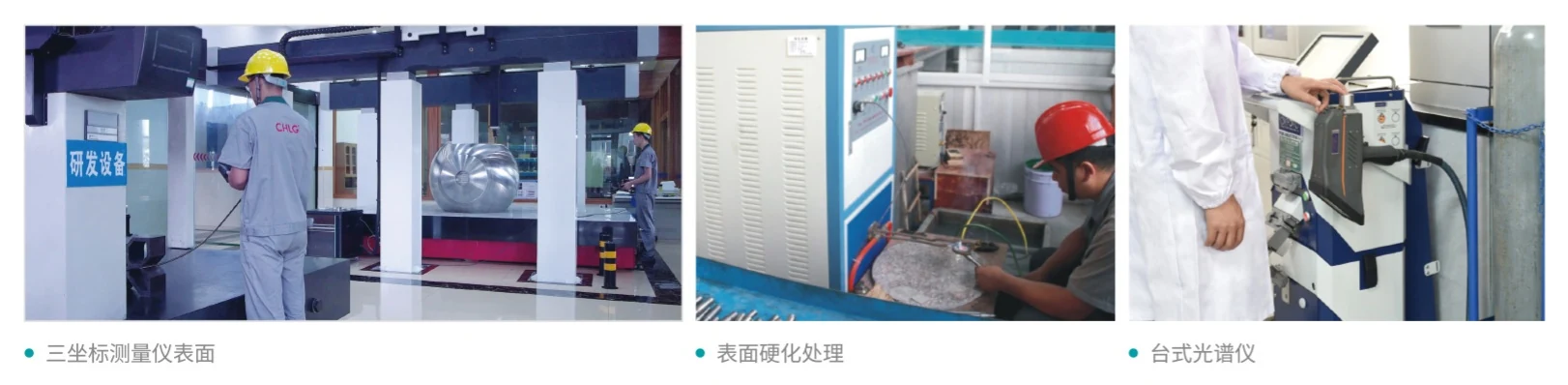
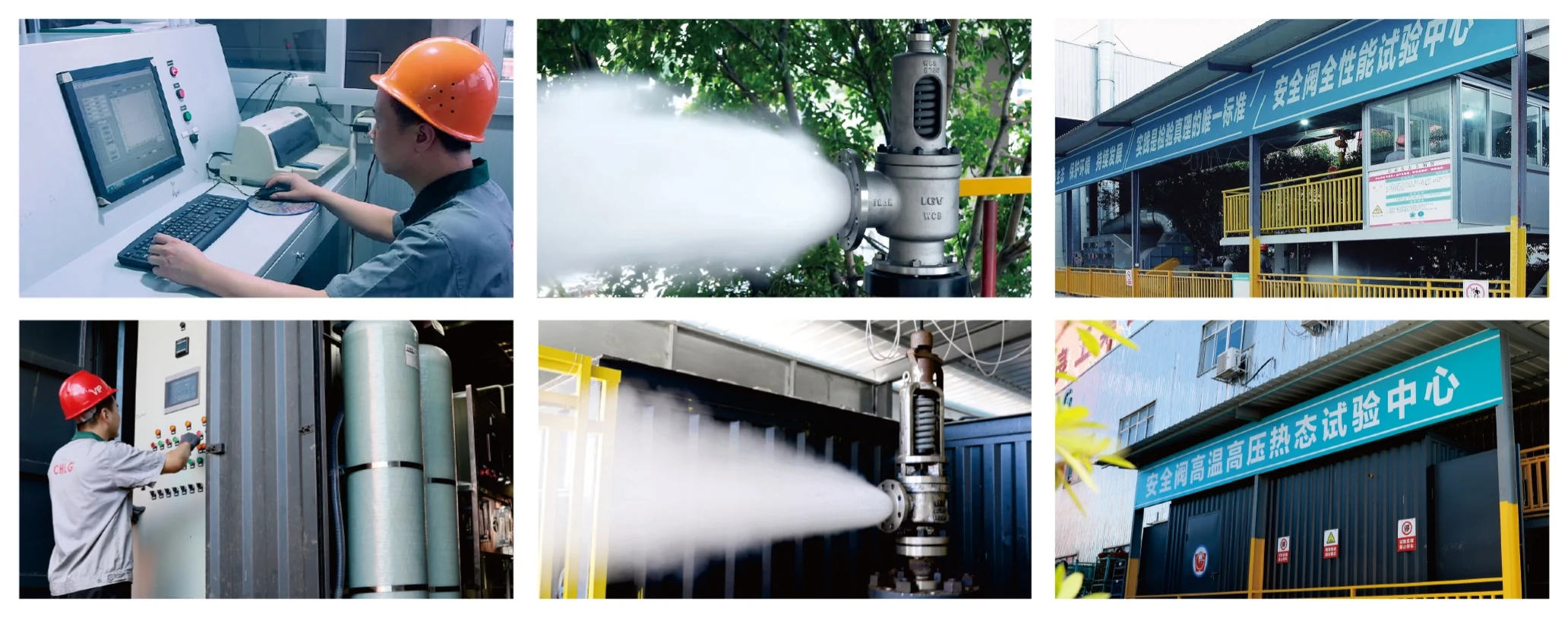
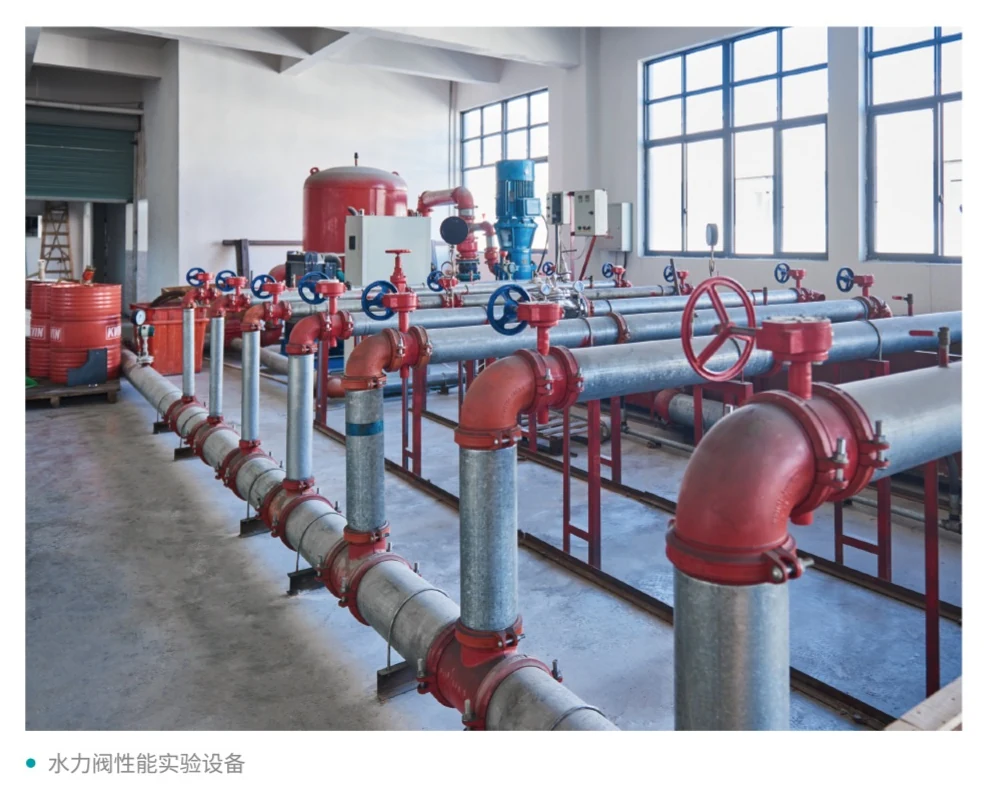
Estas imagens existentes são reproduzidas do catálogo do fornecedor Lianggong: atividades de medição, um centro de testes e inspeção, verificações de processo e uma bancada de teste de válvulas. Elas ilustram o contexto disponível do lado do fornecedor, não a propriedade das instalações retratadas pela VALMORA nem os resultados de um pedido específico da VALMORA.
APLICABILIDADE DA NORMA DE TESTE
Choose a test basis that actually covers the valve
The design standard, the product category and the purchase specification determine which production tests apply. Quoting a standard number alone does not define the acceptance criteria for an unidentified valve.
API 598: common isolation valves
API 598 covers inspection and pressure testing for specified gate, globe, plug, ball, check and butterfly valves, including different seat constructions. Confirm that the offered design and product standard call for it, then specify any purchaser-selected supplemental tests.
ISO 5208 / EN 12266-1: metallic valves
These address pressure and closure testing of industrial metallic valves. Apply them together with the relevant product standard; product-specific requirements can take precedence. EN 12266-1 does not cover safety devices.
Control, safety and specialty valves
A control valve may need actuator and travel checks or a specified seat-leakage performance test. Safety and relief valves require their own applicable inspection and setting requirements. Do not transfer an isolation-valve protocol to these products without confirming applicability.
MATERIAL IDENTIFICATION
Link material documents to the parts being supplied
A material certificate can support grade and inspection results for an identified material lot; it is not a certificate that the assembled valve passed its pressure test. Agree the required traceability level and documentation type before the order.
- Identify pressure-containing and other specified critical materials in the drawing or bill of materials.
- Ask how heat/lot numbers on components or records connect to the supplied valves.
- Specify the EN 10204 document type only where applicable to the purchased metallic products.
- For type 3.1 or 3.2 requests, confirm issuer, validation and the material/inspection scope before ordering.
- Keep valve pressure-test reports separate from material inspection certificates.
INSPECTION & WITNESS POINTS
Decide when the buyer needs to be present
Purchaser inspection, hold points and third-party witnessing are order conditions, not automatic features of every shipment. Agree feasibility, location, notice and access before production scheduling.
1. Set the inspection plan
Identify mandatory checks, applicable procedures, inspection stage and whether each point is review, witness or hold.
2. Schedule notice
Agree who will be notified, at what stage and with what lead time; do not assume a witness can attend without scheduling.
3. Confirm test conditions
Review test medium, pressure, duration and leakage acceptance against the agreed applicable specification; no single values fit every valve.
4. Release the hold point
Record witnessed results and any accepted deviations before release, according to the purchase-order inspection arrangement.
DOCUMENT PACKAGE
What belongs in a reviewable valve quality file?
Match the document list to the order and identify which items are required at quotation, before production, before dispatch or with shipment. Availability and issue format must be confirmed for the exact supply.
Approved technical identification
Agreed datasheet and drawing revisions, product description, valve tag or line number and applicable material/pressure-rating information.
Material and inspection records
Specified material reports, heat/lot mapping, dimensional records and any required examination results, linked to the relevant component or inspection lot.
Test results and acceptance
A report should identify the test subject, procedure, pressure or test conditions where relevant, result, acceptance basis and authorizing record—not merely state “tested.”
Release and exceptions
Include the agreed final inspection status, approved concessions or nonconformances if any, and a document register matching the latest approved revisions.
WHEN RESULTS DO NOT MATCH
Handle deviations before shipment, not in the catalog copy
If a material report, dimension or test result falls outside the agreed basis, identify the affected valve and isolate the issue from unrelated orders. Shipment disposition should follow the contractually agreed approval process.
Identify the affected items
Record the item/tag/lot, failed check, required value or acceptance criterion, actual result and drawing or procedure revision.
Agree a corrective route
Define rework, retest, replacement or a proposed concession as appropriate. A supplier proposal is not automatically a purchaser approval.
Close with traceable evidence
Retain the follow-up test report or written disposition, approval where required and updated release/document status.
COMMON PROCUREMENT QUESTIONS
Three distinctions that prevent document surprises
These questions clarify what an order-specific quality request should establish, without implying that a supplier catalog photo or a generic certificate is product acceptance evidence.
Is a photo of pressure testing enough for acceptance?
No. Ask for an identified valve or lot, the required test procedure, conditions, acceptance limit and authorized results record. A photo is supplementary context at most.
Is an EN 10204 3.1 certificate a finished-valve test report?
Not by itself. The document type describes specific product/material inspection documentation and its validation. A valve pressure test needs its own applicable evidence unless that requirement is explicitly covered by the agreed document package.
Can I request third-party witnessing?
Yes, request it in the inquiry with the valve identity, inspection points, inspector role and required notice. Availability, cost, access and scope must be agreed before the order is placed.
CONTINUE YOUR REVIEW
Move from quality requirements to the right source
Use the product pages for configuration, manufacturing for process context, downloads for published files and the RFQ for order-specific inspection and document requirements.
Find the valve configuration
Browse valve families and identify type, materials, end connections and actuation before defining tests.
Understand manufacturing context
View the separate manufacturing page for available process information; facility images are not product test reports.
Review published downloads
Check existing catalog or technical downloads, then request the documents required for your particular order.
Submit inspection requirements
Send the proposed valve specification, test standard, witness needs and required quality documents.
WHAT THE IMAGES DOCUMENT
Visible supplier facilities are context, not an order result
The source catalog identifies test and inspection areas and shows a large-scale valve pressure-test setup, material checks and process-inspection scenes. VALMORA uses this supplier documentation to discuss inspection options for relevant supply. The photos do not establish facility ownership, current capacity, accredited laboratory status or an individual valve’s passed tests.
Large valve test setup
The catalog labels a large-scale pressure-test station (physical p. 22). Its pictured size label describes the supplier photograph, not a size or test capability promised for this RFQ.
Inspection and measurement
Physical p. 24 shows a testing and inspection center with metrology and material-check images. Request the actual procedures and reports needed for your order.
Process and functional-test scenes
Physical p. 25 shows process checks and valve-related test equipment. Product-specific acceptance still depends on the agreed plan and records.
Image source: Lianggong Valve Product Catalog EN, physical pages 22, 24 and 25 (supplier publication). Photos show supplier-catalog context, not independent certification of VALMORA facilities or delivery.
ORDER-SPECIFIC QUALITY SUPPORT
Ask for the inspections and records your valve order needs
Send the valve type or datasheet, size/rating, materials, service conditions, required standard/edition, test acceptance criteria and document list. Add any purchaser hold points or third-party witness request so feasibility and scope can be reviewed before quotation or order confirmation.