
GERAÇÃO DE ENERGIA / SELEÇÃO DE APLICAÇÃO
Válvulas para Geração de Energia: Vapor, Água de Alimentação e Resfriamento
A seleção de válvulas para geração de energia começa pelo circuito — não pelo rótulo da planta. Isolamento de vapor, controle de água de alimentação, manuseio de condensado e serviço de água de resfriamento têm demandas hidráulicas e operacionais diferentes. A VALMORA apoia consultas de válvulas para essas aplicações e encaminha cada requisito à família de produtos relevante para análise de configuração.
Comece pela função: isolamento on/off, controle modulante, serviço de retenção ou dreno. Inclua partida, operação normal, trips e parada quando relevante; o mesmo cronograma de válvulas pode conter condições de projeto muito diferentes.
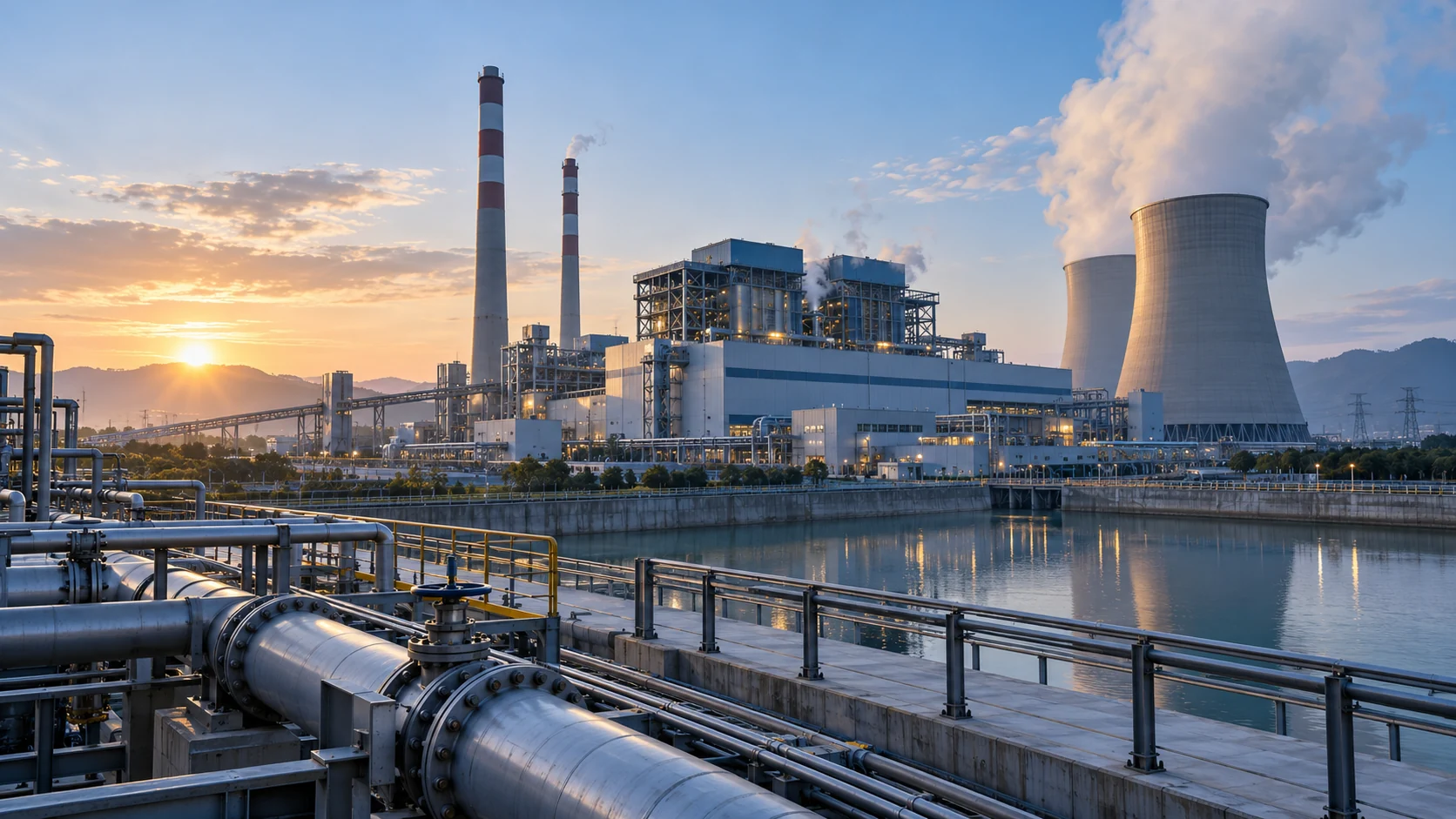
Cena ilustrativa de usina de energia (gerada por IA; não é uma instalação VALMORA).
APLICAÇÕES / DIFERENÇAS DE SERVIÇO
Circuitos diferentes de usinas de energia exigem decisões diferentes de válvulas
Uma linha de vapor, um bypass de bomba de água de alimentação e um header de água de resfriamento não podem ser especificados a partir de uma única classificação de “válvula para usina de energia”. Primeiro identifique o fluido, a função de vazão e as condições transientes relevantes.
Vapor principal e isolamento quente
Válvulas gaveta são um ponto de partida para isolamento totalmente aberto/totalmente fechado. Aquecimentos repetidos, pressão diferencial durante a operação e demanda do atuador alteram a análise; não use uma válvula gaveta comum como solução de estrangulamento.
Água de alimentação e reciclo de bomba
A regulação da água de alimentação ou a manutenção da vazão mínima da bomba exige uma avaliação da função de controle, incluindo casos de baixa vazão e alta queda de pressão. As válvulas de retenção tratam do fluxo reverso separadamente; a cavitação pode exigir trim projetado.
Água de resfriamento e auxiliar
As válvulas borboleta podem ser adequadas para algumas linhas de isolamento maiores quando pressão, temperatura, meio e materiais da sede permitirem. O desligamento da bomba, o fechamento da válvula de retenção e o golpe de aríete exigem análise própria; não são automaticamente serviços de vapor em alta temperatura.
Drenos de condensado e vapor
Os arranjos de drenagem e as purgadores de vapor gerenciam o condensado durante a partida e a operação; as válvulas de bloqueio manuais não substituem os purgadores. Verifique a contrapressão da linha de retorno e o risco de golpe de aríete antes de selecionar válvulas de dreno e de retenção.
ROTEAMENTO DO SERVIÇO PARA A VÁLVULA
Qual família de válvulas deve ser avaliada primeiro?
Use isto como um roteiro inicial de engenharia, não como aprovação de produto ou dimensionamento de válvula concluído. O serviço, as combinações de pressão-temperatura, a pressão diferencial e o bloqueio exigido determinam se uma opção de catálogo é adequada.
| Regime de operação | Roteiro inicial de produto | O que pode descartá-lo |
|---|---|---|
| Isolamento liga/desliga em linha quente | Válvulas gaveta; revise o catálogo de geração de energia para projetos relevantes. | Abertura com alta pressão diferencial, travamento térmico, projeto do castelo e torque do atuador exigem análise. Válvulas gaveta não são a opção padrão para controle de vazão. |
| Regulação de água de alimentação ou reciclo de vazão mínima da bomba | Válvulas de controle; opções manuais de globo somente quando a condição especificada permitir. | Grandes quedas de pressão, cavitação e controlabilidade em baixa vazão podem exigir trims especializados e dimensionamento, não uma válvula de controle genérica de catálogo. |
| Bypass de turbina ou condicionamento de vapor | Comece em control-valve review; treat it as a separately engineered severe-service inquiry. | Pressure and temperature reduction, noise, actuator response and any spray-water interface can be system-critical. No ordinary catalog valve is presumed qualified. |
| Drains, condensate or pump discharge | Válvulas globo for appropriate isolation/drain duties; check valves for non-return functions. | Condensate removal still needs a suitable trap/drain arrangement; return backpressure, waterhammer and check-valve dynamics must be addressed. |
| Cooling and auxiliary-water isolation | Válvulas borboleta for potentially suitable water-line isolation; check valves if reverse-flow protection is required. | Do not carry hot-steam assumptions into a water system. Check fluid compatibility, surge, seat limits and installation conditions. |
| Overpressure protection or pressure-relief duty | Comece com Válvulas de segurança e alívio for initial product-family identification only; the protective device needs engineered sizing and code-applicability review. | Isolation, check and ordinary control valves do not substitute for a properly sized, code-applicable protective device. Define the relieving basis, set pressure, required relieving capacity, backpressure, protected-equipment boundary and applicable approvals. A catalog listing does not establish boiler, nuclear or project certification. |
Decision boundary: a valve type is the beginning of selection. A line with a severe pressure drop, required safety action, or unclear failure consequence should be reviewed against the full operating cases before a configuration is offered.
PRODUCT LINKS / NEXT LEVEL OF DETAIL
Explore the relevant VALMORA product families
Browse the catalog for documented designs, then use the valve-type pages to compare options. Confirm the quoted configuration from its product documents rather than applying a single power-plant rating to every model.
Válvulas para geração de energia
Supplier catalog examples for power-station duties; inspect each offered item and document set.
Válvulas globo
Isolation and suitable throttling or drain duties; verify pressure drop and trim.
Válvulas de controle
Modulating service; submit full flow, pressure drop and transient cases.
Válvulas de retenção
Pump and return-line non-return duties; verify closure behavior and surge.
Válvulas gaveta
On/off steam or feedwater isolation; evaluate cycling and operating differential pressure.
Válvulas borboleta
Potential cooling/auxiliary-water isolation where body, seat and system limits fit.
RFQ INPUTS / DESIGN ENVELOPE
Specify the operating cases, not just one pressure class
A maximum pressure and a maximum temperature listed separately may not describe the same operating event. Supply the paired pressure-temperature conditions for startup, normal load, shutdown and credible transients, together with how often those transitions occur. This is especially important for thermal cycling and actuator checks.
| Engineering input | What the project defines | O que isso altera |
|---|---|---|
| Pressure and temperature together | Normal, design, startup and trip conditions as applicable; note whether extremes coincide. | Body/bonnet, packing, trim and pressure-temperature rating assessment—not a class number alone. |
| Process hydraulics | Flow range, upstream/downstream pressure, fluid phase and expected pressure drop in each control case. | Control sizing, cavitation or flashing risk, erosion, noise and required actuator response. |
| Cycle and failure behavior | Starts/stops or load-following frequency, isolation consequence, required close/open time and fail position. | Thermal-stress and seat/actuation review, including valve-opening differential pressure. |
| Interfaces and required records | Line size, end connection, orientation, access, piping code and requested inspection/test records. | Installation fit, procurement exceptions and what the exact offered configuration must document. |
PROJECT SPECIFICATION / DOCUMENT SCOPE
Which codes and approvals apply to this line?
Specify the applicable jurisdiction, code edition and owner requirements by line or package. A code named on an inquiry is not evidence that a particular VALMORA valve or its supplier carries a certification.
| Reference | Use when relevant | Evidência a solicitar |
|---|---|---|
| ASME B31.1 | Power piping and applicable boiler-external piping where the project and jurisdiction specify B31.1. | Line-class requirements, design basis, edition and any purchaser supplements; not blanket valve certification. |
| ASME B16.34 | Applicable valve pressure-temperature ratings, construction and related requirements for covered valve designs. | Exact material, class, temperature rating, end connection, applicable edition and product documentation. |
| Boiler, protective or nuclear-specific requirements | Requirements depend on equipment boundary, safety function, jurisdiction and specified code. | Named approval/certificate holder, valid scope and exact product documentation. Industry supply scope alone is not approval. |
Rating check: pressure class is not one allowable pressure at every temperature. Compare the proposed body and trim materials with the specified pressure-temperature combinations for the exact valve.
CATALOG EVIDENCE / LIMITS
What the product images and industry scope actually establish
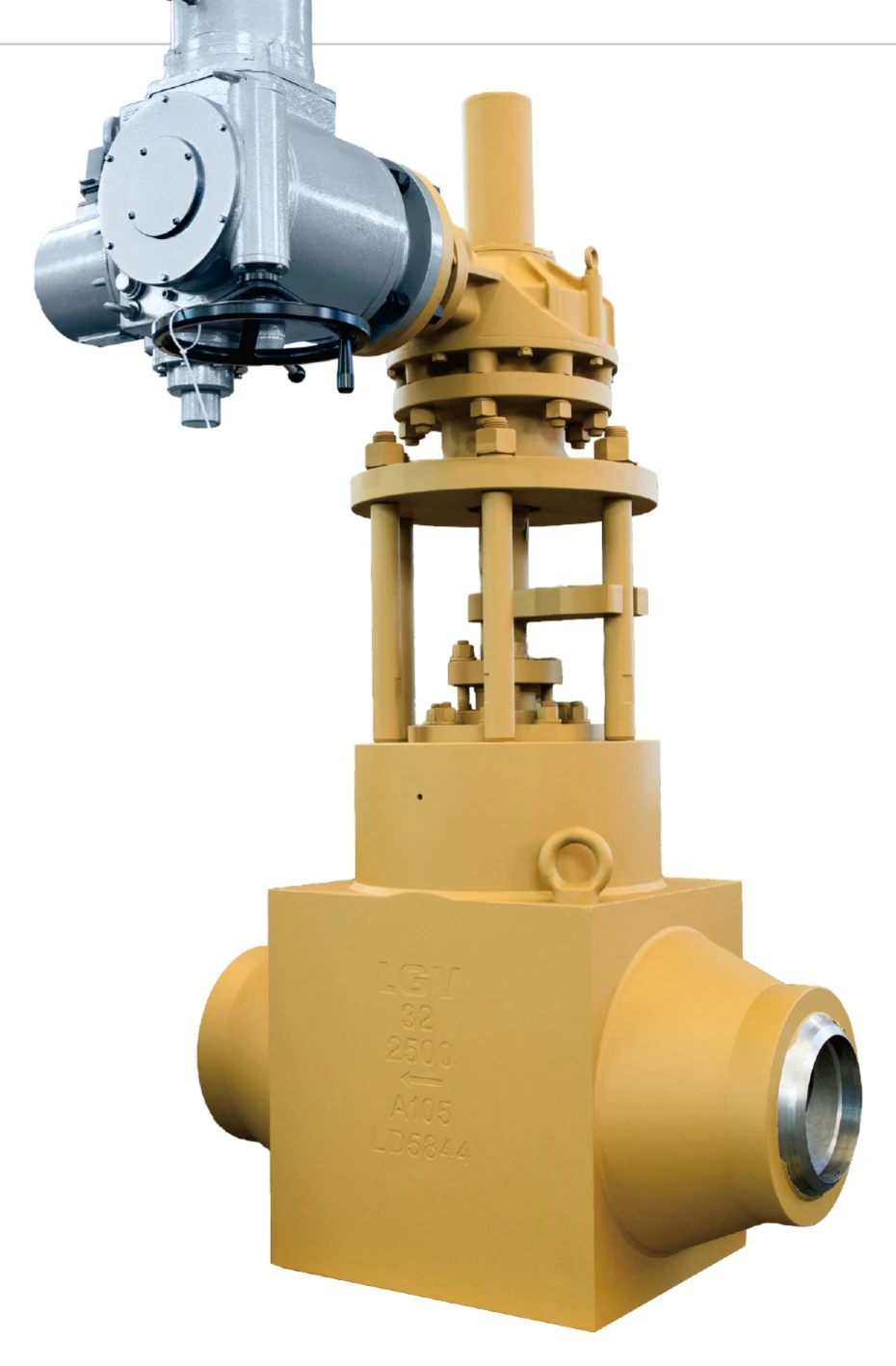
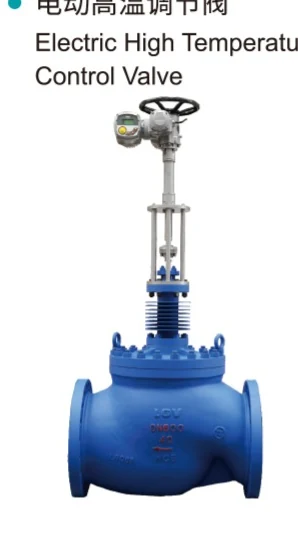
VALMORA accepts inquiries for power-generation applications. The two product photographs on this page are existing supplier catalog images, useful for identifying illustrated valve designs—not verification of an offered valve’s material, temperature limit, cycle life or project installation.
Illustrated gate-valve design
The electric-actuated gate-valve photograph originates from a supplier power-station catalog. It is not proof of VALMORA ownership of the manufacturing facility, a particular class rating or suitability for a specified steam line.
Illustrated control-valve design
The catalog also depicts an electric high-temperature control-valve design. High differential-pressure or bypass duty still needs its own operating cases, sizing, trim and approval review.
What an offer must establish
For the actual item, request a configuration datasheet, material and rating basis, available inspection or test records and any project-required third-party evidence. A supplier catalog image cannot replace the submittal.
ENGINEERING-TO-PROCUREMENT HANDOFF
Make the valve inquiry auditable before an order
A comparable quotation identifies what is offered and what is still open. Ask for a tag-by-tag exception list rather than interpreting an unqualified “complies” statement as evidence.
| Submittal item | Buyer supplies or checks | Supplier response to obtain |
|---|---|---|
| Tagged line / valve schedule | System, duty, quantity, normal and transient cases, applicable project code and revision. | Exact offered design, model identity if available, and unconfirmed conditions. |
| GA and configuration | Size, ends, operator, access, installation orientation and interfacing dimensions. | Current drawing/GA, material and actuator details for the proposed configuration. |
| Inspection and test scope | Applicable test/inspection requirements, witness points and documentation format. | Records available for that item, proposed inspection plan and named deviations. |
| Compliance and revisions | Requested approvals, governing documents, submission dates and revision controls. | Valid certificate scope where required, document register, exclusions and open clarifications. |
RELATED VALMORA PAGES
Continue to products, documentation and enquiry
These pages supply related context; they are not substitutes for a product-specific datasheet or plant approval record.
PROJECT RFQ
Describe your power-generation valve requirements
Use the existing technical-requirements field to describe or paste essential valve tags, line conditions and operating cases. State whether each duty is isolation, modulating control, non-return, drainage or overpressure protection, and identify required approvals where known; mark missing values as unknown rather than guessing. If drawings or datasheets are needed, ask how to exchange them during follow-up. VALMORA can review the inquiry and identify the additional configuration evidence required.
- Plant, unit, system and equipment tag
- Valve function and consequence of failure
- Minimum, normal, maximum and upset operating cases
- Medium composition, phase, contaminants and solids
- Line size, ends, orientation, access and actuation
- Project standards, editions and owner specifications
- Testing, inspection, records and witness requirements
- Unknown fields marked for engineering confirmation