

Offshore applications · topsides, seawater utilities and project-specific isolation
Offshore Valves for Topsides and Utility Systems
Select the valve around its installed duty—not the word “offshore.” VALMORA supports offshore valve sourcing for topsides process isolation, utility services and related industrial packages. Seawater exposure, process pressure, shutdown function and maintenance access can each change the required construction and documents.
Comece aqui: identify the line/tag, medium, operating and design conditions, location and required actuation. For subsea, wellhead or qualified safety duties, the project must identify the separate approval route before any product is offered as compliant.
Offshore setting: AI-generated illustration, not a VALMORA installation or customer project.
Three distinct offshore operating environments
Where the installed duty changes the valve choice
The same offshore facility may contain hydrocarbon isolation lines, treated seawater utilities and equipment exposed to a marine atmosphere. Check both the fluid inside the valve and the conditions outside it; a suitable pressure boundary does not by itself establish environmental durability. For vessel and shipboard equipment, use the Marine industry page; for the broader upstream production scope, see Petróleo e gás.
Topsides process and shutdown
For hydrocarbon isolation, specify leakage expectation, maximum differential pressure, full- or reduced-bore need, operating frequency and actuator/fail position. A manually operated isolation valve is not automatically an emergency shutdown valve.
Seawater, cooling and firewater
Separate wetted chloride exposure from external salt spray. Chlorination, stagnant water, deposits and crevices can govern material and trim choices; coatings alone do not establish wetted seawater compatibility.
Splash-zone, immersion and subsea
Marine atmospheric exposure and subsea immersion have different sealing, connector, actuation, intervention and qualification demands. Treat subsea and wellhead requests as separately evidenced engineering scopes—not ordinary topsides catalog selections.
First engineering decision
Start with the duty, then choose a valve route
These are screening decisions, not a valve sizing result. If a case involves high differential pressure, abrasive solids, throttling or shutdown credit, the chosen family requires a detailed technical review.
| Service / task | Likely first route | Decision that can change the route |
|---|---|---|
| Topsides process isolation | Válvulas de esfera ou válvulas gaveta | A quarter-turn ball valve is a practical first comparison for frequently actuated remote isolation; compare a documented full-bore slab gate where the specified flow passage or pigging duty requires it. Verify seat leakage, solids, differential-pressure operating loads and shutdown actuation for either design. |
| Regulagem de vazão ou pressão | Válvulas de controle | Supply minimum/normal/maximum flow, inlet/outlet pressure and fluid properties. A simple on/off valve is not a substitute for sizing, cavitation/flashing or noise review. |
| Seawater cooling / utility isolation | Compare a compact quarter-turn butterfly valve with a gate valve where the specified flow passage favors it; consider a ball valve only if its documented configuration fits. | Compare line size, allowable pressure loss, shutoff leakage, actuation and maintenance access using the actual valve data. For wetted parts, assess chlorides, chlorination, temperature, stagnation, deposits and crevices. Separately assess external salt exposure, protective coatings, seats, trim, bolting and end connections. Neither 316 stainless nor a valve-family name establishes seawater suitability without item-specific evidence. |
| Firewater / protection-system isolation | For sectional isolation, compare a gate or indicating butterfly design only where the project firewater specification permits it. Route deluge controls and pump-related duties separately. | Start with the valve function and the owner’s fire-protection design basis. For sectional valves, establish the normal open/closed position, any locking or position supervision, actuation and required flow/shutoff performance. Check applicable project/jurisdiction approval or listing requirements, inspection/test records and material compatibility before procurement. Deluge actuation and pump discharge non-return functions need separate selection; no VALMORA fire-system qualification is implied. |
| Subsea, wellhead or defined high-pressure specialist service | Separate project qualification route | Specify equipment category, governing standard, depth/pressure, connector and intervention scope; no catalog image establishes qualification or approval. |
For the exact dimensions and options, use the product hub. Offshore duties do not create new model-level ratings.
Explore the relevant product owners
Product families worth checking for offshore duties
These catalog routes support initial comparison; they are not a statement that every item in a family is qualified for offshore or subsea duty. Request product-specific drawings, materials and test evidence before specifying an item.
Válvulas de esfera
Start with shutoff, bore, seat design and available operation; confirm differential pressure and leakage requirements.
Válvulas de aço forjado
Review forged constructions where body design, end connections and available space are key; the catalog grouping is not a rating guarantee.
Válvulas para campos de petróleo
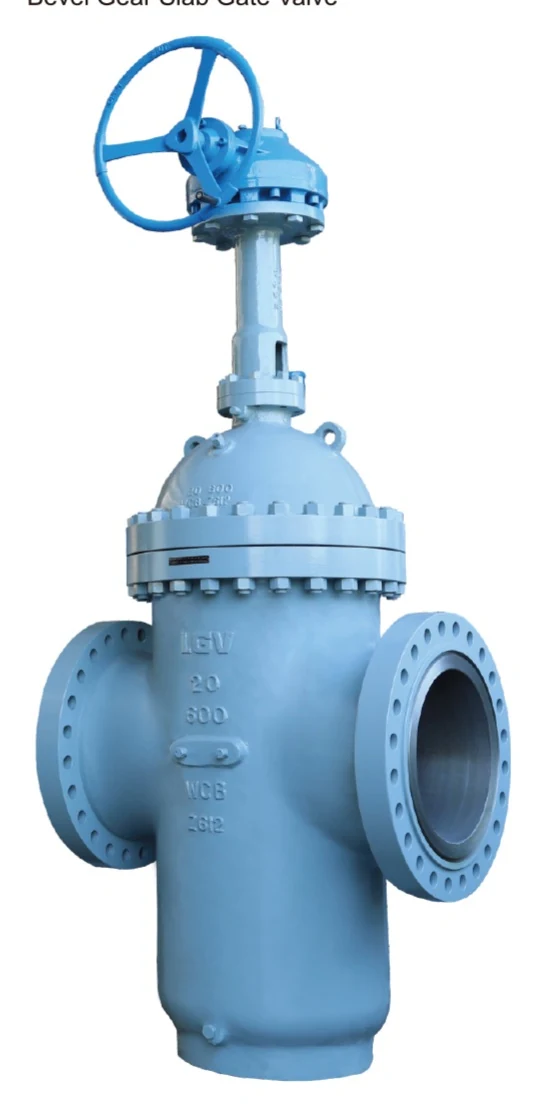
See documented slab-gate examples. Match the exact pressure-boundary and operating specification; do not infer wellhead or subsea approvals.
Válvulas de controle
For continuous modulation, provide process cases and control duty before evaluating valve/trim and actuator combinations.
What engineers need to evaluate suitability
Capture the duty and exposure before asking for a rating
A pressure class alone cannot establish the allowable service envelope: valve material, temperature, end connection, trim and operating differential pressure must be evaluated together. In a marine environment, internal fluid compatibility and external corrosion protection are separate requirements.
| Input | Buyer / EPC supplies | Engineering or supplier must resolve |
|---|---|---|
| Installation and access | Platform type; sheltered, exposed deck, splash zone or immersed service; access and intervention frequency. | External coating/preservation, enclosure and maintenance access; specialized subsea qualification when applicable. |
| Condições de processo | Fluid and phase; solids; normal, minimum, maximum and design pressure/temperature; differential pressure; cycles and leakage expectation. | Pressure-temperature capability, seat and trim selection, erosion/cavitation risks and end-connection compatibility. |
| Corrosion and materials | Chloride/chlorination basis for seawater; H2S/CO2, water chemistry and temperature for production fluids; coating specification. | Wetted body, trim, seals and bolting; chloride pitting/crevice corrosion and sour-service material qualification if specified. |
| Operation and safety function | Manual/remote duty, air or power available, control signals, required fail position and owner-defined closure/leakage criteria. | Actual actuator sizing and valve+actuator integration; no unsupported SIL, ESD or fire test claim. |
| Project acceptance | Jurisdiction, owner specification, standard editions and exact documents/test reports required for each tag. | Offer exceptions, witness/inspection plan, traceability, and reports applicable to the quoted configuration. |
Jurisdiction, codes and verification
Do not confuse a project standard with product certification
The applicable rules depend on whether the project is a US Outer Continental Shelf production facility, a UK Continental Shelf installation, a Norwegian-sector development or another jurisdiction. A project requirement for a standard does not show that any VALMORA item has been tested or certified to it.
| Project question | Reference / scope to check | Required next step |
|---|---|---|
| US offshore production safety | BSEE 30 CFR Part 250, Subpart H is a US OCS production-safety framework; API RP 14C may be referenced for production safety systems. | Owner/EPC identifies applicable regulated equipment and tag-specific acceptance requirements. |
| UKCS / other coastal jurisdictions | UK HSE safety-critical element and verification obligations differ from US OCS and classification rules. | Obtain the local dutyholder verification basis, owner specification and any class or third-party scope. |
| Material selection and sour media | ISO 21457 addresses corrosion/material selection for production and utility systems; ISO 15156 applies to relevant H2S-containing oil/gas production environments. NORSOK M-001 only where adopted. | Record fluid chemistry and applicable editions; request material qualification/records for the exact components. |
| Subsea pipeline vs wellhead | ISO 14723/API 6DSS concern subsea pipeline valves; API 6A and API 17D address different wellhead/tree equipment scopes. | Classify equipment first; no blanket API 6A/6DSS/17D claim or subsea product offer without documented qualification. |
| Other owner-defined tests | Fire testing, fugitive emissions, hazardous-area actuation, functional safety or class approval may be specified by the purchaser. | Compare exact valve and actuator models, report IDs, scope, dates and exceptions—not brochure logos. |
Qualification boundary: current Offshore supply support is confirmed as a business scope; certificates, API licences, SIL assessments, project references and subsea qualification are not evidenced by that confirmation.
Catalog references and proof boundaries
Catalog valve constructions; offshore qualification is separate
The source catalog illustrates oilfield slab gate and forged steel globe constructions. It supports identification of valve types only: these images are not evidence of VALMORA offshore installations, material grades, rated pressure, certificates or third-party approval.
Confirmed offshore support
VALMORA can receive and support offshore valve supply inquiries. The application team can compare a project schedule with available product routes and identify what must be verified on the proposed item.
Required product proof
Request the exact drawing, size, class, body/trim/seal materials, actuation, tests and applicable records. A catalog-family title is not an approval for subsea, sour or safety-instrumented service.
Buyer and EPC responsibility
Supply line and valve tags, service cases, company/owner specifications, location, inspection requirements and any third-party or safety-system acceptance criteria.
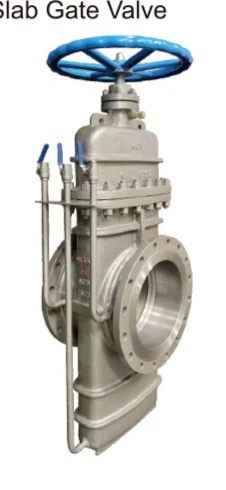
Catalog p. 111: slab gate valve example; service rating and offshore approval unverified.
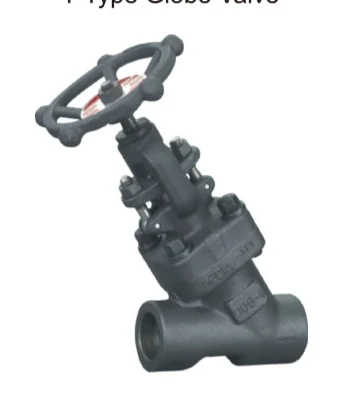
Catalog p. 112: Y-type globe valve (see the Globe Valves category); not a certified offshore product claim.
Technical inquiry to purchase-order handoff
Make the offshore valve offer comparable and auditable
For each valve tag, distinguish what the buyer has specified from what the supplier has actually offered. Resolve deviations and documents before purchase; an unanswered compliance item should remain open, not be treated as accepted.
| Package item | Check before award | Status to record |
|---|---|---|
| Buyer valve schedule | Tag, location, fluid, design and operating P/T, line size/ends, duty, actuator controls. | Buyer-supplied; incomplete fields flagged. |
| Offered configuration | Product/model, dimensional and installation drawing, materials/trim, seat, actuator, external protection and preservation. | Supplier to confirm per tag and revision. |
| Verification dossier | Material certificates and traceability, pressure/functional tests, requested fire/emissions/sour/class documents only if applicable. | Available, conditional, proposed, unavailable; identify exact scope. |
| Inspection and handover | ITP and witness points, deviations, accepted drawing revisions, preservation/packing requirements, final release documents. | Agree responsible party and delivery date in contract. |
Related owner pages
Continue at the right level of detail
Offshore explains the application conditions. The following pages hold industry navigation, supplier information and cross-product technical resources; none should be treated as a certificate or a substitute for a valve datasheet.
All industries
Compare offshore with other industry duties.
Fabricação
Read published manufacturing information; verify which supplier performs each step.
Controle de qualidade
Review inspection topics, then request records for the quoted valve.
Technical Resources
Use general engineering guidance without confusing it with certified product data.
Offshore project inquiry
Send an offshore valve schedule for technical review
Share the equipment/tag list, fluid and design cases, line interfaces, location/exposure, operation and applicable specifications. If needed, attach required test, inspection and qualification document lists. VALMORA can review the inquiry and state which configurations and evidence can be offered; missing information can remain explicitly open.
- Plant, unit, system and equipment tag
- Valve function and consequence of failure
- Minimum, normal, maximum and upset operating cases
- Medium composition, phase, contaminants and solids
- Line size, ends, orientation, access and actuation
- Project standards, editions and owner specifications
- Testing, inspection, records and witness requirements
- Unknown fields marked for engineering confirmation