
CUERPO CON OREJETAS / INTERFAZ DE BRIDAS
Válvulas de mariposa con orejetas para aislamiento montado entre bridas
Un cuerpo con orejetas utiliza puntos de fijación alrededor de la válvula para conectar las bridas de tubería acopladas. Puede ser el punto de partida adecuado cuando importa la fijación independiente de bridas o la futura retirada de la tubería aguas abajo. Sin embargo, el patrón de orejetas por sí solo no establecen establece una presión admisible en extremo muerto ni demuestra un ajuste de brida concreto.
Comience por el estado de instalación: ¿Permanecerán ambas bridas en su sitio, o podría retirarse la brida aguas abajo mientras queda presión aguas arriba? La respuesta cambia el plano, el atornillado y la documentación de clase de presión requeridos.
INSTALACIÓN PRIMERO
¿Cuándo debe especificar una válvula de mariposa con orejetas?
Elija el patrón del cuerpo en función de la disposición real de bridas y mantenimiento, no solo el diámetro nominal de tubería. Un diseño tipo lug es distinto de un cuerpo tipo wafer montado entre bridas, y ninguno de los dos puede sustituir automáticamente a una válvula de doble brida.
Ambas bridas permanecen instaladas
Para un aislamiento ordinario entre bridas, verifique la norma y el tipo de cara de brida, la longitud entre caras, el barrido del disco hacia el interior de la tubería, la interfaz del asiento y la disposición de pernos propuesta. Un NPS o DN coincidente no demuestra una intercambiabilidad directa.
La brida aguas abajo puede retirarse
Si se va a retirar un carrete o la brida aguas abajo mientras el lado aguas arriba podría permanecer presurizado, solicite una clasificación para servicio en extremo de línea/fondo de línea para esa condición exacta, incluida la dirección de la presión. La clasificación de cierre con dos bridas no es automáticamente la clasificación admisible con una sola brida.
Detalles de lug y pernos
Exija un plano aprobado del cuerpo/perforación que muestre la disposición de los lug, los orificios roscados si los hay, el diámetro y la rosca del perno, el engrane, la profundidad y la longitud del perno para cada lado. Un contorno con forma de brida o una fotografía de catálogo no son suficientes.
BASE DE ESPECIFICACIÓN
Cuatro comprobaciones que determinan si la válvula encajará y aislará
La secuencia siguiente distingue lo que el comprador debe indicar de lo que el producto ofertado debe demostrar. Utilícela para comparar cotizaciones técnicamente equivalentes; no sustituye a un plano de instalación aprobado.
| Verificación de selección | Suministros del comprador | El proveedor debe documentar |
|---|---|---|
| Disposición de bridas | Dos bridas en servicio, o un lado desmontado; orientación y posible dirección de presión | Idoneidad para fin de línea y presión diferencial admisible para el conjunto indicado |
| Conexión atornillada | Estándar y clase/PN de la brida de acoplamiento, cara de sellado, tamaño de línea, sistema de tornillos preferido | Detalle de taladrado/roscado tipo lug, penetración y longitud del tornillo según el lado; compatibilidad con la brida de acoplamiento |
| Envolvente de la válvula | Longitud cara a cara requerida, diámetro interior y holgura de la tubería adyacente, espacio de giro del disco | Plano de disposición general acotado, holgura del disco e interfaz aplicable de asiento/junta |
| Cierre y operación | Medium, minimum/maximum temperature, differential pressure, leakage duty, cycle rate and actuator utilities | Pressure-temperature/seat suitability, shutoff test basis, operating torque and actuator selection |
CHOOSING THE RIGHT ROUTE
Where the lugged option changes the piping decision
Lugged is a body connection pattern. It does not define the offset geometry, seat material, temperature capability or actuation package. Match the connection decision first, then assess the chosen valve configuration against service conditions.
Maintenance with one pipe section removed
Start with a lugged candidate when independent flange bolting matters for planned maintenance. If the system requires retaining pressure on one side, make documented one-flange/dead-end suitability a purchase acceptance condition; normal isolation and depressurization procedures still apply.
Simple two-flange installation
If both flanges stay fitted and separate downstream removal is not required, compare a wafer option as well. Cost or installation convenience cannot be decided from body style alone: verify the bolt scheme, sealing faces and available dimensions for each offered valve.
Seat and duty drive another series
If higher differential pressure, temperature or sealing requirements are the dominant constraint, assess the relevant high-performance o triple-offset series separately. Offset design and lugged end connection are different choices; neither implies the other.
AVOID MIS-SPECIFICATION
Do not approve a lugged valve on the wrong installation assumption
The most expensive mistake is to approve a valve for two flanges, then plan to remove one under a different pressure condition. Resolve these points before the purchase order and approved drawing are finalized.
- Using a two-flange shutoff rating as the allowable pressure with the downstream flange removed
- Ordering by NPS/DN alone without flange drilling, facing, bolt detail and face-to-face confirmation
- Assuming all lug-body variants have the same tapping, bolt engagement or end-of-line pressure capability
- Sizing manual gearing or an actuator without the actual differential-pressure and torque basis
WHAT THE CURRENT CATALOG CAN PROVE
Documents that make a lugged valve quote-ready
The approved product identity matters more than a generic catalog illustration. Before quotation approval, the drawing and datasheet must describe the same lug configuration and operating case.
What is actually pictured
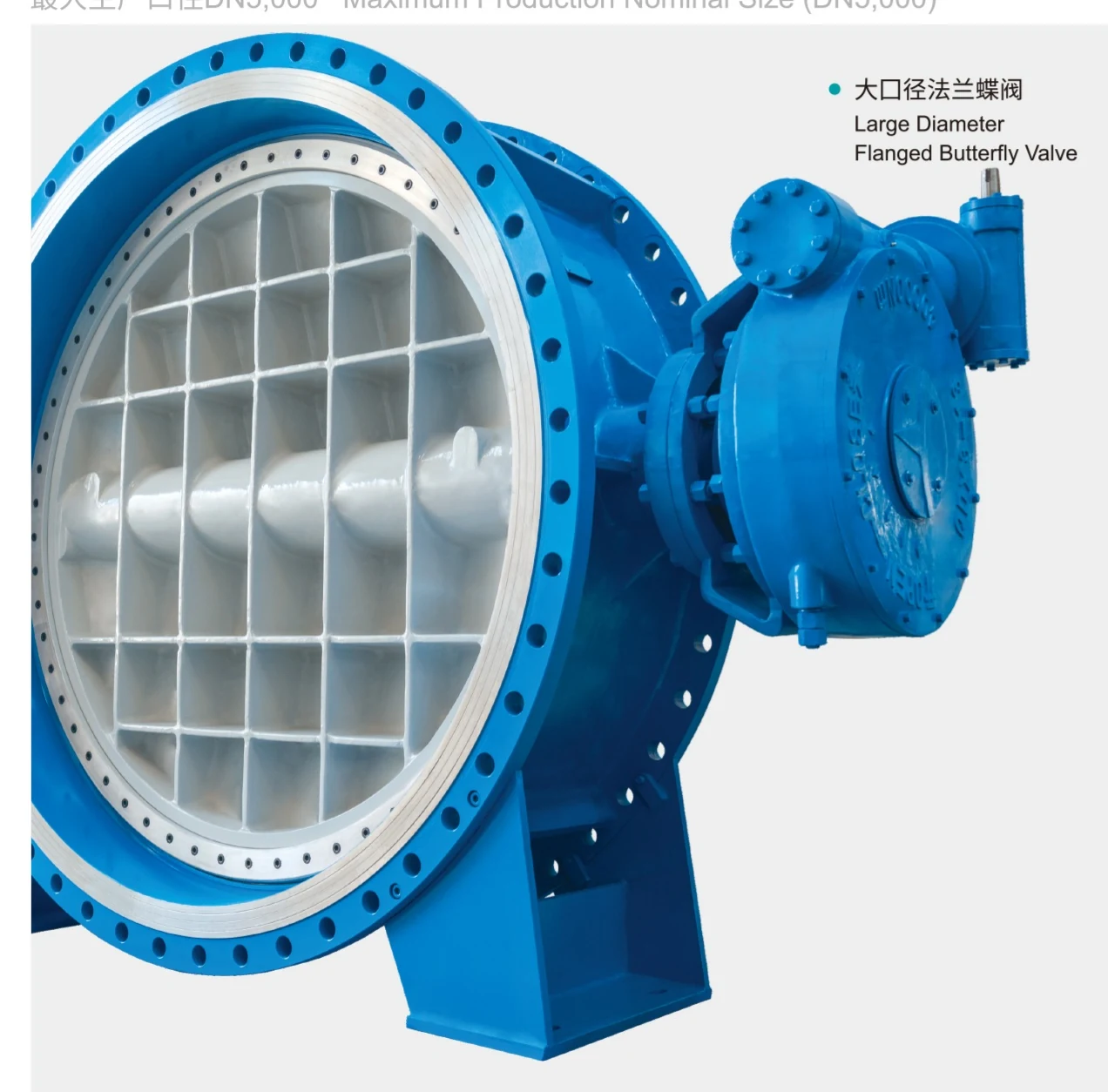
Catalog reference only: The original supplier page identifies this as a Válvula de mariposa con bridas de gran diámetro, not a documented lugged configuration.
Physical catalog pages 94–95 do not establish this lugged series’ body, tapped-hole arrangement, or dead-end rating. Request the dimensioned lug-body drawing and the specified installation and pressure limits for the offered valve.
Evidence needed for the offered valve
Ask for the exact model/variant and revision, dimensioned lug-body drawing, flange and bolt specification, material and seat schedule, pressure-temperature and shutoff limits, and the permitted installation state. Any applicable test or certification claim must match the offered product.
What to send with the inquiry
State the system and fluid conditions, both-flange or one-flange arrangement, which side may be pressurized, NPS/DN, mating flanges, required face-to-face length, actuator needs and inspection documents. Mark missing data rather than guessing.
RELATED PRODUCT ROUTES
Choose the next step without mixing different valve types
Continue from the lugged installation question to a wider design family or application page when another constraint controls the choice. These links provide navigation, not evidence that a particular model meets the project specification.
All Butterfly Valves
Compare body connections and sealing systems before selecting a specific series.
All Industrial Valves
Return to the broader range if the isolation mechanism or operating duty is still open.
Industry Applications
Review the service conditions that affect material, sealing and operation; confirm the selected valve independently.
Resources & Technical Topics
Browse available technical information, then request the actual order-specific datasheet and installation drawing.
SPECIFICATION QUESTIONS
Questions buyers ask before ordering a lugged butterfly valve
These are installation and procurement decisions. Final limits belong to the exact offered model and the documented flange arrangement.
Can I remove the downstream flange while the upstream side remains pressurized?
Do not assume so from the lugged body name. Ask for the offered valve’s approved dead-end/end-of-line pressure limit, pressure direction, seat/shutoff basis and installation drawing for the downstream flange removed. If those are not documented, do not specify this pressure-retaining arrangement.
Is a lugged butterfly valve interchangeable with a wafer valve of the same NPS or DN?
Not on size alone. Lugged bodies typically use body-mounted flange fasteners, whereas wafer arrangements commonly depend on through-bolting between flanges. Check flange drilling and facing, face-to-face length, bolt engagement, gasket/seat design and disc clearance for both candidates.
Which flange and bolting details are needed for a quotation?
Provide the mating flange standard and pressure class or PN, facing, nominal size, available installation length and existing bolt pattern. Request the supplier’s lug drawing showing whether holes are tapped, thread dimensions and depth, allowable bolt engagement and bolt length on each side.
What must be verified before issuing a purchase order?
Match the quoted model and drawing revision to materials, seat, operating pressure and temperature, required shutoff, one- or two-flange installation, flow or pressure direction, operating torque and actuator. Obtain the specified datasheet, dimensional drawing and applicable inspection documents before approval.
TECHNICAL INQUIRY
Request a lugged valve quotation with the right installation details
Please share the details you have, particularly whether one flange will be removed while pressure could remain on the other side. VALMORA can then review an identifiable configuration and the documentation needed to support it; a series name alone is not an approved specification.
- Required valve size (NPS/DN) and mating flange standard/class or PN and facing
- Two-flange installation or planned downstream flange removal; pressure side and direction
- Design/operating pressure, differential pressure and temperature, including extremes
- Medium, composition and solids; required shutoff and seat/material compatibility
- Face-to-face length, disc/pipe clearance and bolt/tapped-lug information if replacing a valve
- Manual, gear, electric or pneumatic operation; cycle rate, fail state and control interfaces
- Required datasheet, dimensioned drawing, tests, inspection and order documents
- Quantity and delivery location; identify any unknown details for technical review