
CORPO A LUG / INTERFACCIA FLANGIATA
Valvole a farfalla tipo lug per isolamento montato su flangia
Un corpo tipo lug utilizza punti di fissaggio attorno alla valvola per collegare le flange delle tubazioni accoppiate. Può essere il punto di partenza giusto quando contano il serraggio indipendente delle flange o la futura rimozione della tubazione a valle. Tuttavia, il solo schema dei lug non stabiliscono stabilisce una pressione ammissibile a fondo cieco né dimostra la compatibilità con una specifica flangia.
Partire dallo stato di installazione: Entrambe le flange rimarranno in posizione, o la flangia a valle potrebbe essere rimossa mentre la pressione resta a monte? La risposta cambia il disegno richiesto, il serraggio dei bulloni e la documentazione sulla classe di pressione.
PRIMA L'INSTALLAZIONE
Quando specificare una valvola a farfalla tipo lug?
Scegliere il tipo di corpo in base alla flangia effettiva e alla configurazione di manutenzione, non solo la dimensione nominale del tubo. Un design a orecchie (lug) è distinto da un corpo wafer trattenuto tra flange, e nessuno dei due può sostituire automaticamente una valvola a doppia flangia.
Entrambe le flange restano installate
Per un'ordinaria intercettazione tra flange, verificare lo standard e la faccia delle flange, la lunghezza faccia a faccia, la corsa del disco nel tubo, l'interfaccia della sede e la disposizione dei bulloni proposta. Un NPS o DN corrispondente non prova l'intercambiabilità diretta.
La flangia a valle può essere rimossa
Se un pezzo di tubo o la flangia a valle verranno rimossi mentre il lato a monte potrebbe rimanere in pressione, richiedere una classificazione per servizio di estremità di linea/fondo cieco per quella condizione esatta, inclusa la direzione della pressione. La classificazione di tenuta a due flange non è automaticamente la classificazione ammissibile a una flangia.
Dettagli delle orecchie e dei bulloni
Richiedere un disegno approvato del corpo/foratura che mostri la disposizione delle orecchie, i fori filettati se previsti, il diametro e la filettatura dei bulloni, l'impegno, la profondità e la lunghezza dei bulloni per ciascun lato. Un profilo a forma di flangia o una fotografia di catalogo non sono sufficienti.
BASE SPECIFICATIVA
Quattro verifiche che decidono se la valvola si adatta e isola
La sequenza seguente distingue ciò che l'acquirente deve dichiarare da ciò che il prodotto offerto deve dimostrare. Utilizzarla per confrontare offerte tecnicamente equivalenti; non sostituisce un disegno di installazione approvato.
| Verifica di selezione | Forniture dell'acquirente | Documentazione a carico del fornitore |
|---|---|---|
| Disposizione delle flange | Due flange in servizio, oppure un lato rimosso; orientamento e possibile direzione della pressione | Idoneità per servizio di fine linea e pressione differenziale ammessa per il complesso indicato |
| Collegamento bullonato | Standard e classe/PN della flangia di accoppiamento, faccia di tenuta, diametro di linea, sistema di bullonatura preferito | Dettaglio di foratura/maschiatura tipo lug, impegno e lunghezza dei bulloni per lato; compatibilità con la flangia di accoppiamento |
| Ingombro della valvola | Lunghezza faccia a faccia richiesta, diametro interno del tubo adiacente e spazio libero, spazio di rotazione del disco | Disegno d'assieme quotato, spazio libero del disco e interfaccia sede/guarnizione applicabile |
| Intercettazione e manovra | Medium, minimum/maximum temperature, differential pressure, leakage duty, cycle rate and actuator utilities | Pressure-temperature/seat suitability, shutoff test basis, operating torque and actuator selection |
CHOOSING THE RIGHT ROUTE
Where the lugged option changes the piping decision
Lugged is a body connection pattern. It does not define the offset geometry, seat material, temperature capability or actuation package. Match the connection decision first, then assess the chosen valve configuration against service conditions.
Maintenance with one pipe section removed
Start with a lugged candidate when independent flange bolting matters for planned maintenance. If the system requires retaining pressure on one side, make documented one-flange/dead-end suitability a purchase acceptance condition; normal isolation and depressurization procedures still apply.
Simple two-flange installation
If both flanges stay fitted and separate downstream removal is not required, compare a wafer option as well. Cost or installation convenience cannot be decided from body style alone: verify the bolt scheme, sealing faces and available dimensions for each offered valve.
Seat and duty drive another series
If higher differential pressure, temperature or sealing requirements are the dominant constraint, assess the relevant high-performance o triple-offset series separately. Offset design and lugged end connection are different choices; neither implies the other.
AVOID MIS-SPECIFICATION
Do not approve a lugged valve on the wrong installation assumption
The most expensive mistake is to approve a valve for two flanges, then plan to remove one under a different pressure condition. Resolve these points before the purchase order and approved drawing are finalized.
- Using a two-flange shutoff rating as the allowable pressure with the downstream flange removed
- Ordering by NPS/DN alone without flange drilling, facing, bolt detail and face-to-face confirmation
- Assuming all lug-body variants have the same tapping, bolt engagement or end-of-line pressure capability
- Sizing manual gearing or an actuator without the actual differential-pressure and torque basis
WHAT THE CURRENT CATALOG CAN PROVE
Documents that make a lugged valve quote-ready
The approved product identity matters more than a generic catalog illustration. Before quotation approval, the drawing and datasheet must describe the same lug configuration and operating case.
What is actually pictured
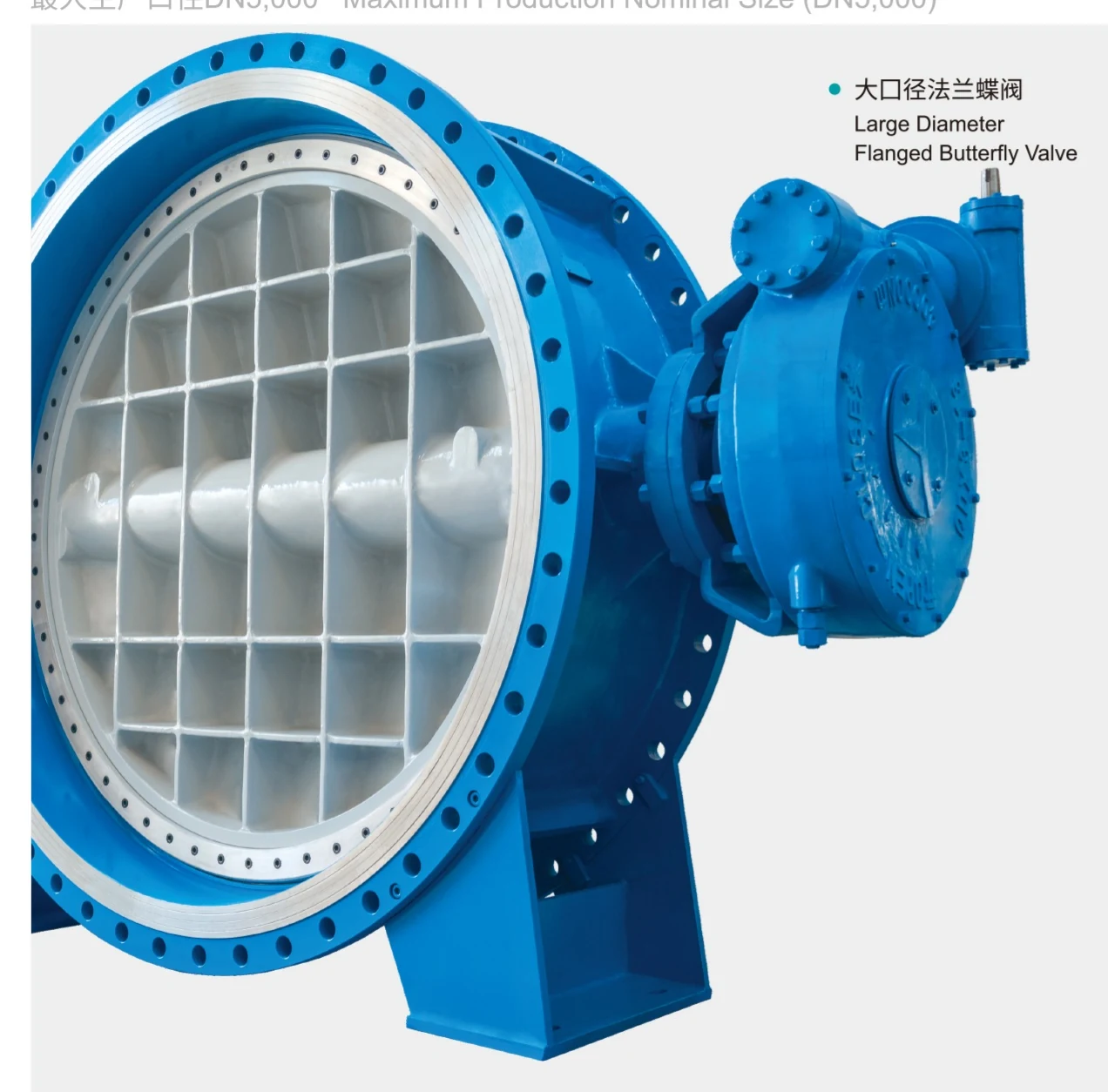
Catalog reference only: The original supplier page identifies this as a Valvola a farfalla flangiata di grande diametro, not a documented lugged configuration.
Physical catalog pages 94–95 do not establish this lugged series’ body, tapped-hole arrangement, or dead-end rating. Request the dimensioned lug-body drawing and the specified installation and pressure limits for the offered valve.
Evidence needed for the offered valve
Ask for the exact model/variant and revision, dimensioned lug-body drawing, flange and bolt specification, material and seat schedule, pressure-temperature and shutoff limits, and the permitted installation state. Any applicable test or certification claim must match the offered product.
What to send with the inquiry
State the system and fluid conditions, both-flange or one-flange arrangement, which side may be pressurized, NPS/DN, mating flanges, required face-to-face length, actuator needs and inspection documents. Mark missing data rather than guessing.
RELATED PRODUCT ROUTES
Choose the next step without mixing different valve types
Continue from the lugged installation question to a wider design family or application page when another constraint controls the choice. These links provide navigation, not evidence that a particular model meets the project specification.
All Butterfly Valves
Compare body connections and sealing systems before selecting a specific series.
All Industrial Valves
Return to the broader range if the isolation mechanism or operating duty is still open.
Industry Applications
Review the service conditions that affect material, sealing and operation; confirm the selected valve independently.
Resources & Technical Topics
Browse available technical information, then request the actual order-specific datasheet and installation drawing.
SPECIFICATION QUESTIONS
Questions buyers ask before ordering a lugged butterfly valve
These are installation and procurement decisions. Final limits belong to the exact offered model and the documented flange arrangement.
Can I remove the downstream flange while the upstream side remains pressurized?
Do not assume so from the lugged body name. Ask for the offered valve’s approved dead-end/end-of-line pressure limit, pressure direction, seat/shutoff basis and installation drawing for the downstream flange removed. If those are not documented, do not specify this pressure-retaining arrangement.
Is a lugged butterfly valve interchangeable with a wafer valve of the same NPS or DN?
Not on size alone. Lugged bodies typically use body-mounted flange fasteners, whereas wafer arrangements commonly depend on through-bolting between flanges. Check flange drilling and facing, face-to-face length, bolt engagement, gasket/seat design and disc clearance for both candidates.
Which flange and bolting details are needed for a quotation?
Provide the mating flange standard and pressure class or PN, facing, nominal size, available installation length and existing bolt pattern. Request the supplier’s lug drawing showing whether holes are tapped, thread dimensions and depth, allowable bolt engagement and bolt length on each side.
What must be verified before issuing a purchase order?
Match the quoted model and drawing revision to materials, seat, operating pressure and temperature, required shutoff, one- or two-flange installation, flow or pressure direction, operating torque and actuator. Obtain the specified datasheet, dimensional drawing and applicable inspection documents before approval.
TECHNICAL INQUIRY
Request a lugged valve quotation with the right installation details
Please share the details you have, particularly whether one flange will be removed while pressure could remain on the other side. VALMORA can then review an identifiable configuration and the documentation needed to support it; a series name alone is not an approved specification.
- Required valve size (NPS/DN) and mating flange standard/class or PN and facing
- Two-flange installation or planned downstream flange removal; pressure side and direction
- Design/operating pressure, differential pressure and temperature, including extremes
- Medium, composition and solids; required shutoff and seat/material compatibility
- Face-to-face length, disc/pipe clearance and bolt/tapped-lug information if replacing a valve
- Manual, gear, electric or pneumatic operation; cycle rate, fail state and control interfaces
- Required datasheet, dimensioned drawing, tests, inspection and order documents
- Quantity and delivery location; identify any unknown details for technical review