
KULAKLI GÖVDE / FLANŞ ARAYÜZÜ
Flanşa Monte İzolasyon İçin Kulaklı Kelebek Valfler
Kulaklı gövde, karşılık gelen boru flanşlarına bağlanmak için valf çevresindeki bağlantı noktalarını kullanır. Bağımsız flanş sabitlemesi veya ileride alt akış boru hattının sökülmesi önemli olduğunda uygun bir başlangıç noktası olabilir. Ancak kulak deseni tek başına değildir izin verilen kör uç basıncını ortaya koymaz veya belirli bir flanş uyumunu kanıtlamaz.
Kurulum durumuyla başlayın: Her iki flanş yerinde kalacak mı, yoksa yukarı akışta basınç varken alt akış flanşı sökülebilir mi? Bu yanıt, gerekli çizim, cıvatalama ve basınç sınıfı kanıtlarını değiştirir.
INSTALLATION FIRST
When should you specify a lugged butterfly valve?
Choose the body pattern around the actual flange and maintenance arrangement, not just the nominal pipe size. A lugged design is distinct from a wafer body held between flanges, and neither can automatically substitute for a double-flanged valve.
Both flanges remain installed
For ordinary between-flange isolation, verify flange standard and facing, face-to-face length, disc sweep into the pipe, seat interface and the proposed bolt layout. A matching NPS or DN does not prove drop-in interchangeability.
Downstream flange may be removed
If a spool or downstream flange will be taken away while the upstream side could remain pressurized, request an end-of-line/dead-end rating for that exact condition, including pressure direction. The two-flange shutoff rating is not automatically the allowable one-flange rating.
Lug and bolt details
Require an approved body/drilling drawing showing the lug arrangement, tapped holes if provided, bolt diameter and thread, engagement, depth and bolt length for each side. A flange-shaped outline or catalog photograph is not sufficient.
SPECIFICATION BASIS
Four checks that decide whether the valve will fit and isolate
The sequence below distinguishes what the buyer must state from what the offered product must prove. Use it to compare technically equivalent quotes; it is not a substitute for an approved installation drawing.
| Seçim kontrolü | Buyer supplies | Supplier must document |
|---|---|---|
| Flange arrangement | Two flanges in service, or one side removed; orientation and potential pressure direction | End-of-line suitability and allowable differential pressure for the stated assembly |
| Bolt connection | Mating flange standard and class/PN, facing, line size, preferred bolt system | Lug drilling/tapping detail, bolt engagement and length by side; mating-flange compatibility |
| Valve envelope | Required face-to-face length, adjacent pipe bore and clearance, disc swing space | Dimensioned general arrangement, disc clearance and applicable seat/gasket interface |
| Shutoff and operation | Medium, minimum/maximum temperature, differential pressure, leakage duty, cycle rate and actuator utilities | Pressure-temperature/seat suitability, shutoff test basis, operating torque and actuator selection |
CHOOSING THE RIGHT ROUTE
Where the lugged option changes the piping decision
Lugged is a body connection pattern. It does not define the offset geometry, seat material, temperature capability or actuation package. Match the connection decision first, then assess the chosen valve configuration against service conditions.
Maintenance with one pipe section removed
Start with a lugged candidate when independent flange bolting matters for planned maintenance. If the system requires retaining pressure on one side, make documented one-flange/dead-end suitability a purchase acceptance condition; normal isolation and depressurization procedures still apply.
Simple two-flange installation
If both flanges stay fitted and separate downstream removal is not required, compare a wafer option as well. Cost or installation convenience cannot be decided from body style alone: verify the bolt scheme, sealing faces and available dimensions for each offered valve.
Seat and duty drive another series
If higher differential pressure, temperature or sealing requirements are the dominant constraint, assess the relevant high-performance veya triple-offset series separately. Offset design and lugged end connection are different choices; neither implies the other.
AVOID MIS-SPECIFICATION
Do not approve a lugged valve on the wrong installation assumption
The most expensive mistake is to approve a valve for two flanges, then plan to remove one under a different pressure condition. Resolve these points before the purchase order and approved drawing are finalized.
- Using a two-flange shutoff rating as the allowable pressure with the downstream flange removed
- Ordering by NPS/DN alone without flange drilling, facing, bolt detail and face-to-face confirmation
- Assuming all lug-body variants have the same tapping, bolt engagement or end-of-line pressure capability
- Sizing manual gearing or an actuator without the actual differential-pressure and torque basis
WHAT THE CURRENT CATALOG CAN PROVE
Documents that make a lugged valve quote-ready
The approved product identity matters more than a generic catalog illustration. Before quotation approval, the drawing and datasheet must describe the same lug configuration and operating case.
What is actually pictured
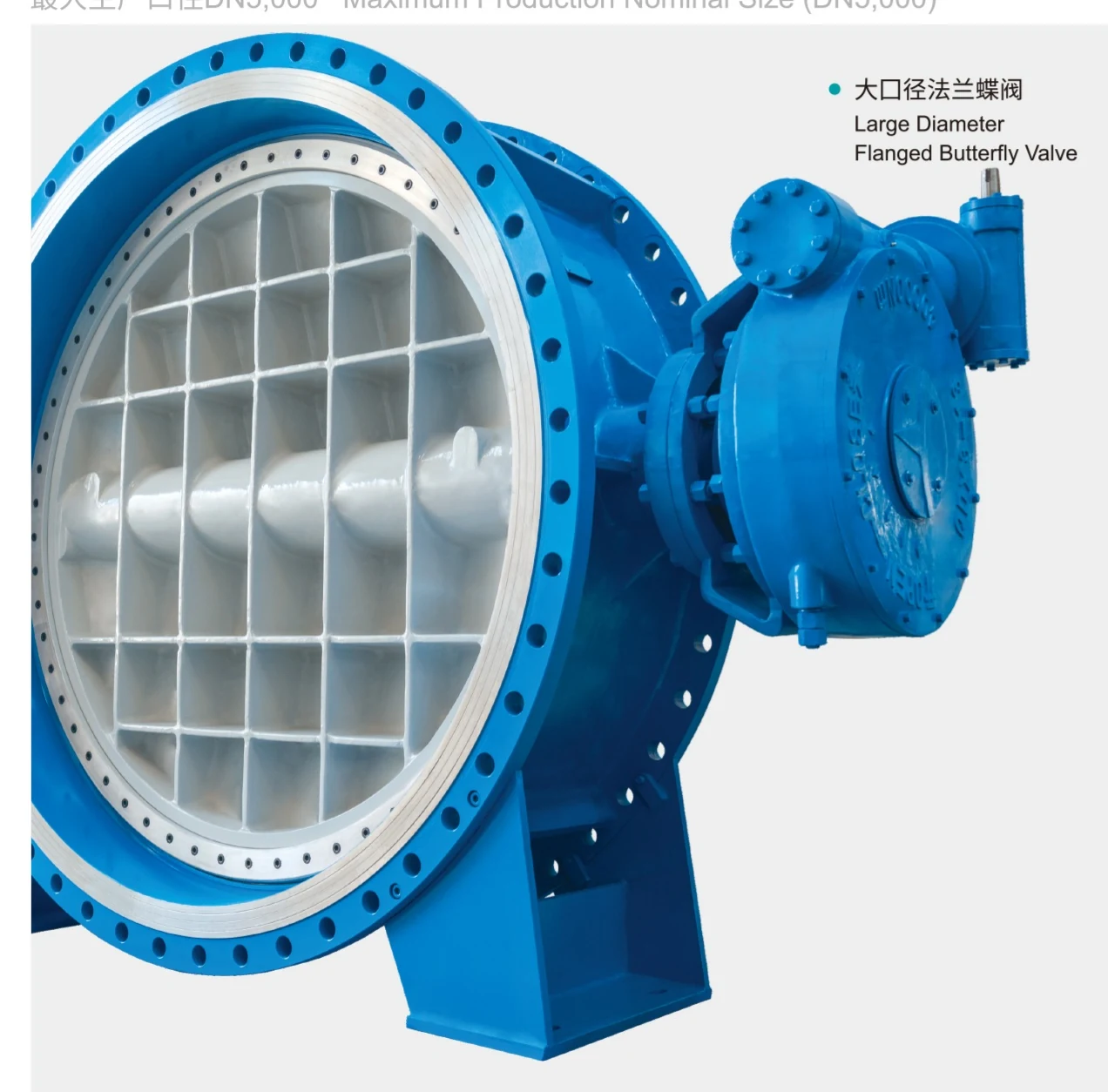
Catalog reference only: The original supplier page identifies this as a Büyük Çaplı Flanşlı Kelebek Vana, not a documented lugged configuration.
Physical catalog pages 94–95 do not establish this lugged series’ body, tapped-hole arrangement, or dead-end rating. Request the dimensioned lug-body drawing and the specified installation and pressure limits for the offered valve.
Evidence needed for the offered valve
Ask for the exact model/variant and revision, dimensioned lug-body drawing, flange and bolt specification, material and seat schedule, pressure-temperature and shutoff limits, and the permitted installation state. Any applicable test or certification claim must match the offered product.
What to send with the inquiry
State the system and fluid conditions, both-flange or one-flange arrangement, which side may be pressurized, NPS/DN, mating flanges, required face-to-face length, actuator needs and inspection documents. Mark missing data rather than guessing.
RELATED PRODUCT ROUTES
Choose the next step without mixing different valve types
Continue from the lugged installation question to a wider design family or application page when another constraint controls the choice. These links provide navigation, not evidence that a particular model meets the project specification.
All Butterfly Valves
Compare body connections and sealing systems before selecting a specific series.
All Industrial Valves
Return to the broader range if the isolation mechanism or operating duty is still open.
Industry Applications
Review the service conditions that affect material, sealing and operation; confirm the selected valve independently.
Resources & Technical Topics
Browse available technical information, then request the actual order-specific datasheet and installation drawing.
SPECIFICATION QUESTIONS
Questions buyers ask before ordering a lugged butterfly valve
These are installation and procurement decisions. Final limits belong to the exact offered model and the documented flange arrangement.
Can I remove the downstream flange while the upstream side remains pressurized?
Do not assume so from the lugged body name. Ask for the offered valve’s approved dead-end/end-of-line pressure limit, pressure direction, seat/shutoff basis and installation drawing for the downstream flange removed. If those are not documented, do not specify this pressure-retaining arrangement.
Is a lugged butterfly valve interchangeable with a wafer valve of the same NPS or DN?
Not on size alone. Lugged bodies typically use body-mounted flange fasteners, whereas wafer arrangements commonly depend on through-bolting between flanges. Check flange drilling and facing, face-to-face length, bolt engagement, gasket/seat design and disc clearance for both candidates.
Which flange and bolting details are needed for a quotation?
Provide the mating flange standard and pressure class or PN, facing, nominal size, available installation length and existing bolt pattern. Request the supplier’s lug drawing showing whether holes are tapped, thread dimensions and depth, allowable bolt engagement and bolt length on each side.
What must be verified before issuing a purchase order?
Match the quoted model and drawing revision to materials, seat, operating pressure and temperature, required shutoff, one- or two-flange installation, flow or pressure direction, operating torque and actuator. Obtain the specified datasheet, dimensional drawing and applicable inspection documents before approval.
TECHNICAL INQUIRY
Request a lugged valve quotation with the right installation details
Please share the details you have, particularly whether one flange will be removed while pressure could remain on the other side. VALMORA can then review an identifiable configuration and the documentation needed to support it; a series name alone is not an approved specification.
- Required valve size (NPS/DN) and mating flange standard/class or PN and facing
- Two-flange installation or planned downstream flange removal; pressure side and direction
- Design/operating pressure, differential pressure and temperature, including extremes
- Medium, composition and solids; required shutoff and seat/material compatibility
- Face-to-face length, disc/pipe clearance and bolt/tapped-lug information if replacing a valve
- Manual, gear, electric or pneumatic operation; cycle rate, fail state and control interfaces
- Required datasheet, dimensioned drawing, tests, inspection and order documents
- Quantity and delivery location; identify any unknown details for technical review