
APPLICAZIONI CHIMICHE E PETROLCHIMICHE
Valvole per servizio di processo chimico e petrolchimico
VALMORA fornisce opzioni di valvole industriali per servizi di processo chimico e petrolchimico. Partire da ciò che la valvola deve fare—isolamento on/off, regolazione di portata o contenimento aggiuntivo dello stelo—poi verificare i casi effettivi di fluido, concentrazione, temperatura e pressione prima di selezionare materiali e costruzione.
Per ingegneri e team acquisti: confrontare le famiglie di valvole di seguito, quindi inviare una descrizione del servizio con tag per una revisione specifica della configurazione. Una valvola rivestita o un nome di materiale familiare non stabilisce da solo la compatibilità chimica.
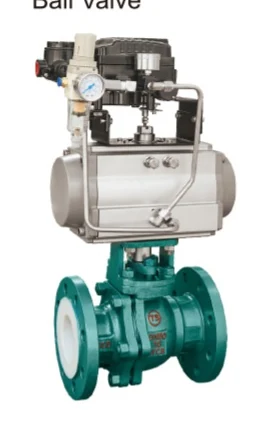
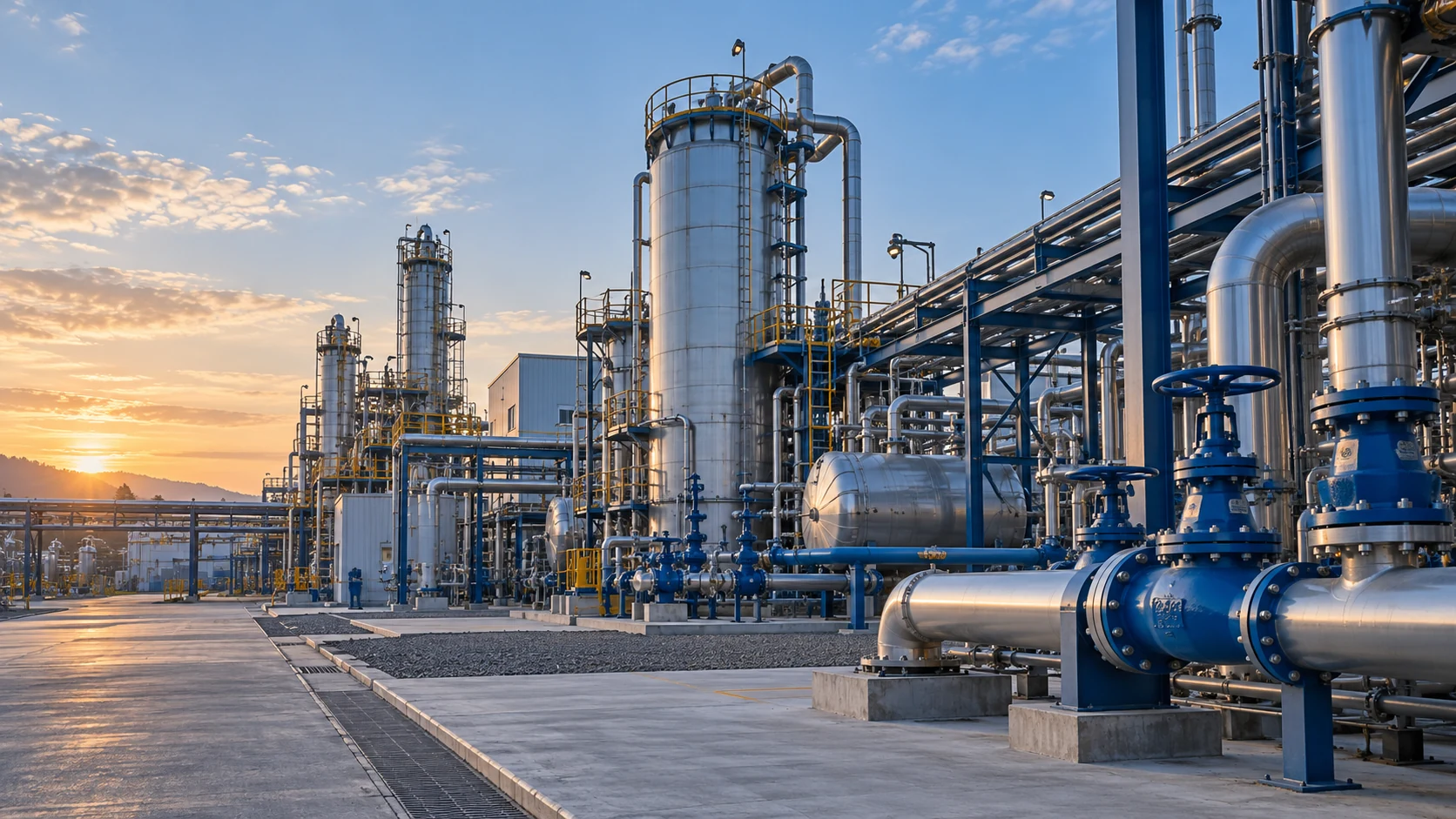
L'immagine del sito di processo è un'illustrazione AI, non un'installazione VALMORA. Immagine prodotto: esempio da catalogo fornitore di una valvola a sfera rivestita in PTFE pneumatica; le specifiche finali dipendono dalla configurazione offerta.
APPLICAZIONI NELLA LINEA DI PROCESSO
Lo stesso impianto chimico può richiedere valvole molto diverse
Una linea di trasferimento, l'uscita di un reattore e una stazione di carico possono trattare prodotti chimici correlati ma affrontare condizioni di portata, cicli e contenimento diverse. Definire la funzione per ogni tag valvola anziché selezionare un'unica costruzione per l'intero impianto.
Linee di trasferimento, miscelazione e dosaggio
Per servizi on/off, stabilire le variazioni di composizione del lotto, il liquido intrappolato, i prodotti chimici di lavaggio e la frequenza di ciclo della valvola. Un'opzione di isolamento rivestita può meritare una revisione quando il metallo esposto è una preoccupazione, ma depositi o solidi abrasivi possono cambiare la scelta.
Reattori e apparecchiature di separazione
Le reazioni possono modificare temperatura e concentrazione; l'evaporazione e il raffreddamento possono esporre le valvole al vuoto. Per i servizi modulanti, la portata, la perdita di carico e la tensione di vapore del liquido sono necessari per valutare i rischi di flashing o cavitazione.
Stoccaggio, carico e allacciamenti alle unità
Specificare l'isolamento positivo, la direzione di chiusura, la frequenza di manovra e le conseguenze delle perdite esterne. Qualora siano richiesti l'azionamento remoto o l'arresto di emergenza, indicare la posizione di sicurezza e i requisiti di progetto applicabili; una foto dell'attuatore non costituisce un'approvazione per tali servizi.
ESPLORA LE FAMIGLIE DI VALVOLE
Partire dalla funzione della valvola, poi restringere la costruzione
Queste sono le categorie di prodotto VALMORA esistenti, non configurazioni per servizio chimico preapprovate. La categoria pertinente illustra la costruzione; la dimensione, i materiali, le tenute e i limiti operativi selezionati devono comunque essere adeguati alla linea.
Valvole rivestite e anticorrosione
Un punto di partenza quando il fluido richiede un percorso bagnato protetto. Verificare esattamente quali superfici sono rivestite e se il rivestimento, le sedi e le guarnizioni tollerano l'intero ciclo di servizio.
Valvole a sfera
Per l'isolamento e il trasferimento on/off a quarto di giro. Confermare il servizio di intercettazione, le sedi esposte al fluido e le tenute dello stelo, la pressione differenziale, il numero di manovre e l'azionamento.
Valvole di regolazione
Per la regolazione di portata o pressione specificata. Fornire la portata minima, normale e massima oltre alle pressioni a monte e a valle, alla temperatura e alla fase per una corretta dimensionamento e verifica dell'otturatore.
Valvole a globo con tenuta a soffietto
Una soluzione costruttiva con contenimento dello stelo dove le perdite esterne sono critiche. Verificare il soffietto offerto, la tenuta di riserva e i requisiti di prova di progetto anziché presumere le prestazioni in termini di emissioni.
FOTOGRAFIE REALI DEL PRODOTTO
Costruzioni rivestite mostrate nel catalogo del fornitore
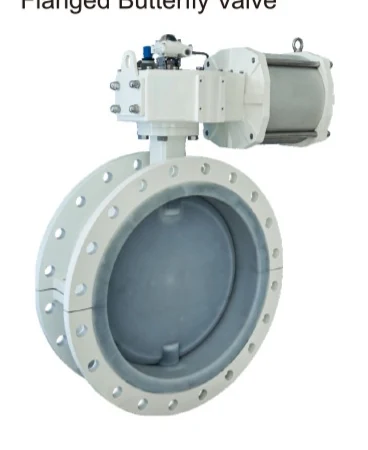
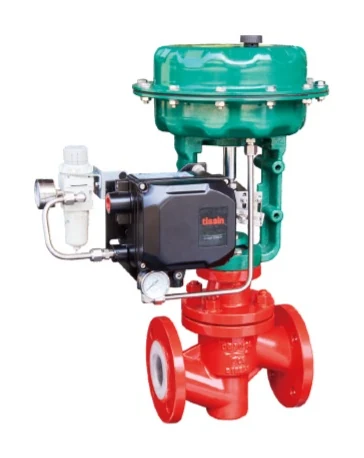
Le fotografie mostrano esempi di costruzione—non riferimenti a progetti installati né approvazioni universali per servizio chimico. L'immagine principale sopra mostra una valvola a sfera rivestita in PTFE pneumatica. Di seguito sono riportate una valvola a farfalla flangiata rivestita in PTFE pneumatica (a sinistra) e una valvola a globo rivestita in PTFE pneumatica (a destra). Confermare i materiali e le dimensioni esatti offerti dalla scheda tecnica e dal disegno.
Rivestita non è lo stesso di PTFE-seated
Una sede in PTFE può garantire tenuta contro un elemento di chiusura mentre le altre superfici a contatto con il processo rimangono in metallo. Se la linea richiede l'isolamento del metallo del corpo dal fluido, specificare l'intera costruzione bagnata—non solo il materiale della sede.
Vuoto e permeazione cambiano la scelta
Per servizio caldo, vuoto o fluidi penetranti, richiedere i limiti pressione–temperatura–vuoto e la costruzione del rivestimento della valvola offerta. I dati generali di resistenza delle resine non possono stabilire l'idoneità dell'assemblaggio completo.
Attuatore e funzione sono verifiche separate
The pictured pneumatic actuation identifies an operating arrangement, not a certified shutdown function or a sized modulating solution. State cycles, available utilities, required failure position and pressure differential.
DECISION GUIDE
Which valve route fits the chemical-service duty?
Use these starting points before requesting a specific model. The limiting condition in the third column is a reason to change the shortlist or request more data—not a blanket statement about all valves of that type.
| Line requirement | First product route | What changes or limits the choice |
|---|---|---|
| Corrosive liquid where wetted metal exposure is a concern | Valvole rivestite e anticorrosione | Identify every wetted surface and verify chemical concentration, temperature, liner support and permeation risk. |
| Frequent on/off transfer or batch isolation | Valvole a sfera | Check seats, stem seals and trapped-cavity behavior; ordinary on/off ball valves are not a substitute for sized control valves. |
| Space- or size-sensitive isolation with a butterfly design | Valvole a farfalla | Check disc/liner exposure, required shutoff direction and flange/disc clearance; a pictured lined disc is not a service rating. |
| Stable modulation across a changing flow rate | Valvole di regolazione | Provide flow cases, differential pressure and vapor pressure; size and trim selection must address flashing, cavitation and erosion risks. |
| Isolation duty where a flexible diaphragm may separate parts of the mechanism from the process | Valvole a diaframma | Check diaphragm and lining compatibility, solids, closure differential and cycling for the actual design. |
| Isolation or diversion where a plug construction is being considered | Valvole a maschio | Specify deposits, solids, actuation torque and the full wetted sealing construction. |
| Specified additional stem-containment arrangement | Valvole a globo con tenuta a soffietto | The bellows design is a route to review; ask for the applicable leakage-test basis and documentation for the offered unit. |
Not sure which route fits? Give the stream composition and valve duty in the RFQ rather than specifying a guessed lining, leakage class or actuator.
DATA THAT CHANGES THE SELECTION
Give suppliers the actual chemical-service envelope
A valve that works at normal temperature may face a different condition during startup, cleaning or a shutdown vacuum. For each tag, provide the following combinations where known; leave unknown values open rather than substituting a material limit for a finished-valve rating.
| Dati per la richiesta di preventivo | What to report | Why it changes the selection |
|---|---|---|
| Chemical identity | Constituents and concentration ranges, contaminants, phase, particles, cleaning chemicals and any batch changes. | Narrows body, lining, seat, gasket and packing candidates; chemistry alone does not establish liner life. |
| Pressione e temperatura | Minimum, normal, design and upset values, with simultaneous conditions; minimum absolute pressure if vacuum is possible. | A positive-pressure class does not establish vacuum resistance or allowable pressure at every temperature. |
| Fluid and flow behavior | Isolation vs regulation; for control, flow rates, upstream/downstream pressures, liquid vapor pressure, solids or crystallization. | Separates an on/off valve from a properly sized control valve and reveals potential erosion, flashing or cavitation. |
| Sealing and operation | Internal shutoff requirement, external-leakage criterion if specified, operating frequency, actuator power and required fail position. | Changes seat, stem-sealing, actuation and test scope; confirm each requirement on the offered assembly. |
| Connection and approval | Line size, mating ends, piping class, orientation, space, project standard/edition and required records. | Determines installation fit and which inspections, deviations and documents must be included in the quotation. |
TECHNICAL QUOTATION & SUBMITTALS
Check the offered configuration before placing the order
Ask suppliers to answer against the same tagged datasheet and project specification. If ASME B31.3 is the project piping basis, identify the edition and related valve and flange requirements separately; a piping-code reference does not certify a specific valve. Do not treat the absence of a deviation in a quotation as proof that every requirement was accepted.
| Document or requirement | Engineering check | Azione di approvvigionamento |
|---|---|---|
| Tagged valve datasheet + arrangement drawing | Identify size, ends, body, trim, lining/diaphragm, seat, stem seal, actuation and the applicable pressure–temperature conditions. | Request with the technical quotation. |
| Material and compatibility basis | Match chemical concentration and service cases to all process-wetted parts; request available material and lining evidence and clarify any conditions excluded. | Agree what evidence is available for the offered item. |
| Inspection and leakage tests | Identify specified body/seat tests, any external-leakage test, inspection scope, acceptance basis and witness requirements. | Agree test and inspection scope before ordering. |
| Project standards and deviations | Specify applicable code, standard, edition, line class, documentation revisions and all commercial/technical exceptions. | Close deviations and approve the document register before release. |
RELATED PROJECT INFORMATION
Continue from the application to supporting records
Use these existing site sections for context. They are navigation to published information; they are not substitutes for a tagged product drawing, test report or written supply confirmation.
Other Industry Applications
See how another service changes the valve duty and shortlist.
Manufacturing Information
Explore published production information; confirm the source and scope of any project-specific manufacturing claim.
Quality Control Information
Review the described inspection processes and specify the actual records needed for this order.
Technical Resources
Find technical background while keeping the final selection tied to the quoted product data.
SUBMIT A CHEMICAL-SERVICE INQUIRY
Send your chemical and petrochemical valve requirements
Share a valve schedule or start with one service tag. Include fluid and concentration, normal and extreme conditions, valve function, connection, actuation and required documents where known. Clearly mark missing data for technical clarification; the form does not require you to invent a specification.
- Unit and valve tag; isolation or modulation duty
- Chemical constituents, concentration range and cleaning media
- Normal / design / upset temperature and pressure
- Vacuum, solids, flashing or crystallization if applicable
- Valve size, connection and actuation needs
- Applicable project code, standard edition and inspection documents
- Quantities, drawings and delivery context if available
- Unknown conditions stated as open questions