
Auswahl von Hochleistungs-Absperrklappen
Hochleistungs-Absperrklappen
Hochleistungs-Absperrklappen verwenden üblicherweise doppelt exzentrisch Scheiben- und Wellengeometrie, um die Sitzreibung beim Öffnen zu verringern. Sie können für Betriebsbedingungen mit anspruchsvollerer Absperrung, Schalthäufigkeit oder Temperaturbedingungen als bei einer konventionellen konzentrischen Klappe geeignet sein; die tatsächliche Sitz- und Druck-Temperatur-Bemessung – nicht die Produktbezeichnung – bestimmt jedoch die Eignung.
Nutzen Sie diese Serienseite, um die Betriebsbedingungen zu definieren und die geeignete Bauart vorauszuwählen. Eine dreifach exzentrische, in der Regel drehmomentangepresste Bauweise ist ein separater Auswahlpfad wenn der spezifizierte Einsatz dies erfordert.
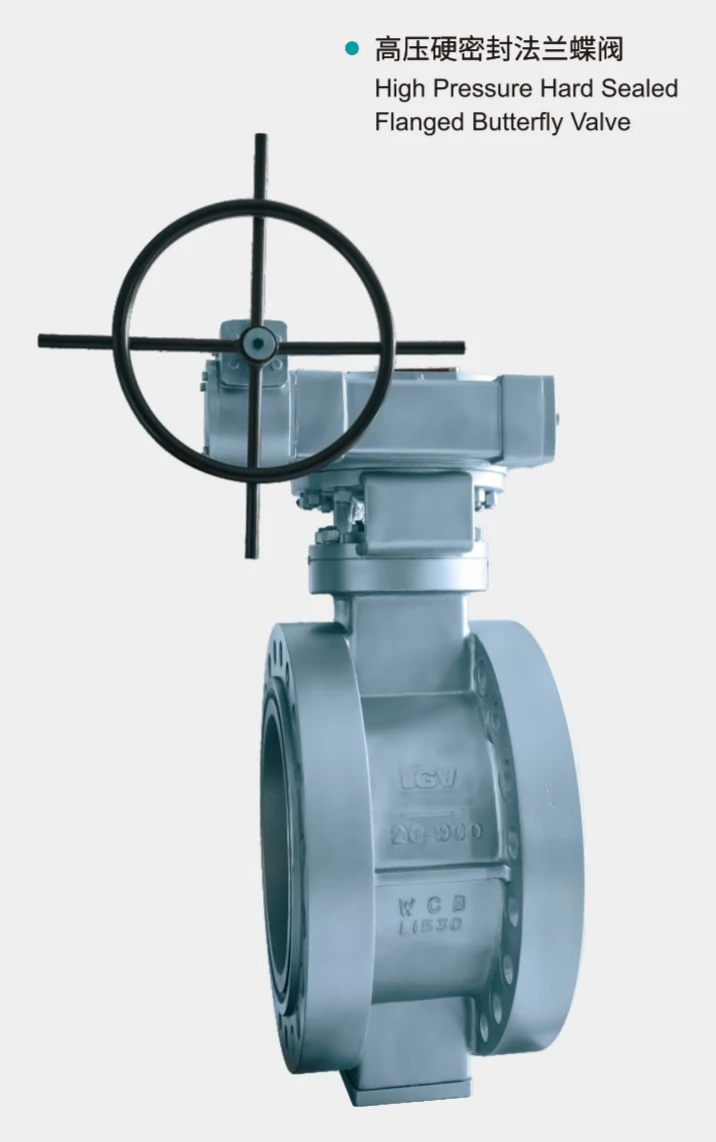
Dargestelltes Produkt: Hochdruck-Absperrklappe mit Flanschanschluss und metallischem Sitz (Katalogseite 97). Das Foto identifiziert diesen Artikel; die Exzentrizitätsgeometrie, die Druckstufe, die Sitzkonstruktion und die Dichtheitsprüfung müssen für das vorgeschlagene Modell dennoch bestätigt werden.
BAUARTENAUSWAHL
Einsatzbereiche doppelt exzentrischer Hochleistungs-Absperrklappen
Die erste Entscheidung ist die Schließaufgabe: Eine konventionelle konzentrische Absperrklappe kann die einfachere Wahl bleiben, wenn ihre dokumentierten Sitz-, Absperr- und Druck-Temperatur-Grenzen den Betriebsanforderungen entsprechen. Eine doppelt exzentrische Ausführung ist dann eine Prüfung wert, wenn ein reduzierter Sitzkontakt während des Schaltens oder ein anspruchsvolleres Betriebsanforderungsprofil von Bedeutung ist. Liegt die spezifizierte Temperatur oder Dichtheitsanforderung außerhalb der verfügbaren Sitzkonstruktion, ist eine separat spezifizierte dreifach exzentrische Ausführung zu vergleichen, statt anzunehmen, dass eine höhere Druckstufe die Dichtung löst.
Die verfügbaren Katalogseiten enthalten keine Nennwerttabelle für doppelt exzentrische Modelle. Vor der Festlegung der Spezifikation sind die angebotene Zeichnung, die Sitzkonstruktion und die Druck-Temperatur-Daten einzuholen.
| Konstruktionsweg | Wann in die Auswahl aufnehmen | Zu verifizierende Entscheidung |
|---|---|---|
| Konzentrisch, elastomerer Sitz | Allgemeines Absperren, wenn das spezifizierte Medium, der Druck, die Temperatur und die Schalthäufigkeit innerhalb der veröffentlichten Grenzen dieser Armatur liegen. | Elastomerverträglichkeit, Druck-Temperatur-Bereich, Absperrung sowie Flansch-/Scheibenpassung. Zur Absperrklappen-Familie. |
| Hochleistungsausführung, üblicherweise doppelt exzentrisch | Häufiges Schalten oder ein Betrieb, der eine andere Sitz-/Dichtungsanordnung und einen reduzierten Kontakt zwischen Scheibe und Sitz während der Verstellung erfordert. | Bestätigen Sie die tatsächliche Offset-Geometrie, Sitz- und Packungsmaterialien, Nennbelastbarkeit bei Temperatur, Absperrrichtung und die erforderliche Dichtheitsprüfung. |
| Dreifach exzentrisch, separate Baureihe | Prüfen Sie, wo eine fachgerecht ausgelegte, drehmomentverspannte und häufig metallisch dichtende Ausführung für die spezifizierten Bedingungen erforderlich ist. | Fordern Sie die zugehörige Druck-Temperatur-, Prüf- und Trim-Dokumentation an; dies ist kein Synonym und keine automatische Aufwertung für jeden Einsatzfall. Dreifach exzentrische Absperrklappen prüfen. |
KATALOGFOTOS UND EXAKTE PRODUKTWEGE
Was der Katalog zeigt – und was nicht
Katalogfotos helfen, Gehäuse, Antrieb und Einsatzart zu identifizieren; sie können die Druck-Temperatur-Belastbarkeit oder die Dichtheitsprüfung nicht bestätigen. Vergleichen Sie die geflanschte hartdichtende Armatur mit dem deutlich andersartigen Lüftungsventil unten, bevor Sie eine Prozessabsperrkonfiguration auswählen.
Katalogseite 97. A named flanged, hard-sealed butterfly valve. Its caption does not specify double-offset geometry, exact seat materials, allowable pressure at temperature or shutoff test. Request its product-level information before using it in a high-performance comparison.
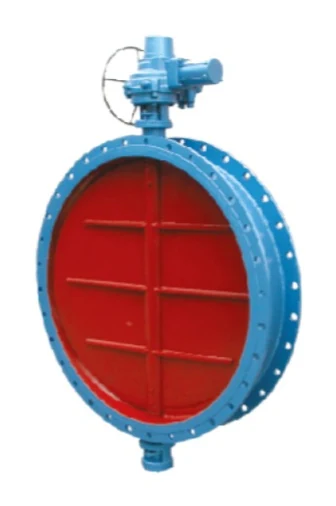
Catalog page 99. This blue-and-red valve is for ventilation service and is not a triple-offset wafer valve. Do not substitute it for a process-isolation valve unless the exact product is demonstrated to meet the specified pressure, temperature and shutoff criteria.
Need a documented triple-offset configuration instead? Review the separate triple-offset series or the individually named electric fully welded und metal-to-metal wafer products. Those links identify other catalog records; their specifications are not transferable to this series.
APPLICATION FIT
Three service conditions that change the choice
High-performance is a design-selection term, not a universal pressure or temperature rating. Each case below changes the question to ask of an actual offered valve.
Repeated operation and tight isolation
When the valve cycles often, reduced seat rubbing may favor a suitable double-offset design. Compare the stated cycle duty, required leakage level and allowable differential pressure; do not assume a catalog photograph proves cycle life.
Hot or thermally cycling service
Check the seat, packing and body rating at both normal and upset temperatures. If the proposed seat system cannot meet the specified temperature, exclude that configuration and evaluate another documented seat design or the triple-offset route.
Automated isolation or modulating duty
For automated on/off duty, size the actuator against the offered valve’s required torque over the full stroke, not only breakaway and seating torque. Check running and dynamic torque at the governing flow and differential-pressure conditions, available actuator output, required fail action, stroke time, and the supplier’s specified sizing allowance. For throttling, request the valve’s control characteristic, allowable operating range, and matching actuator/positioner performance rather than assuming that an on/off butterfly valve is suitable for control.
AVOID WRONG CONFIGURATIONS
Four mistakes to prevent before quotation
These errors change the specified hardware or the acceptance basis, rather than merely changing the wording of the inquiry.
- Using “high performance” instead of a model-specific seat and pressure-temperature rating
- Assuming the gray hard-sealed flanged catalog image proves double-offset construction
- Claiming bidirectional tight shutoff, fire-safe status or a leakage class without an applicable test basis
- Ignoring flange drilling, face-to-face dimension and disc sweep clearance before installation
SPECIFICATION QUESTIONS
Before you approve a high-performance valve quote
Use these answers with the specific offered drawing, seat details and test documents; a series label or a catalog image is not an orderable configuration.
What project data is needed to specify High Performance Butterfly Valves?
State the isolation or throttling duty, line size, pressure and temperature cases, shutoff expectation, disc/seat compatibility, flange interface, flow direction and actuation method.
Does the High Performance Butterfly Valves series name define every available size, pressure class and material?
No. A series name identifies a documented butterfly valve selection route, but the orderable size, rating, material, connection, standard and operating limits must be confirmed on the offered datasheet and approved order drawing.
How should buyers compare products within the High Performance Butterfly Valves series?
Compare body pattern, offset concept, seat and disc materials, face-to-face and flange interfaces, pressure-temperature envelope, operating torque and maintenance access.
Which documents should be requested before order approval?
Request the offered datasheet, general arrangement or dimensional drawing, material and trim schedule, applicable inspection and test plan, required certificates, marking details and the final order-specific document list.
CONFIGURATION REQUEST
Send the service conditions for a valve match
Tell us whether you need on/off isolation or throttling, and whether a high-performance double-offset design is required or only being considered. Attach a valve schedule if available; unknown fields may be left for technical clarification. A review should return a named proposed configuration with its rating, sealing, connection and document basis.
- Preferred design (if any) and whether alternatives are permitted
- Design, normal and upset pressure-temperature cases; maximum shutoff differential
- Medium, composition, phase and solids where relevant
- Nominal size, end connection and installation orientation
- On/off or throttling duty, cycling frequency, actuator/fail-action needs
- Applicable project specification and required standards
- Required shutoff direction, leakage test, drawings and inspection documents
- Unknown fields clearly marked for technical confirmation