Zum Inhalt springen

Industrielle Produktkategorie

Industrielle Absperrventile für Drosselung und Absperrung

Wählen Sie ein industrielles Absperrventil, wenn eine kontrollierte Drosselung oder Leitungsabsperrung erforderlich ist und das System den Druckverlust des Ventils aufnehmen kann. Vergleichen Sie zuerst Gehäuseformen, Spindelabdichtung und Betriebsarten; öffnen Sie dann das passende Produkt oder die passende Serie für eine konfigurationsspezifische Anfrage.

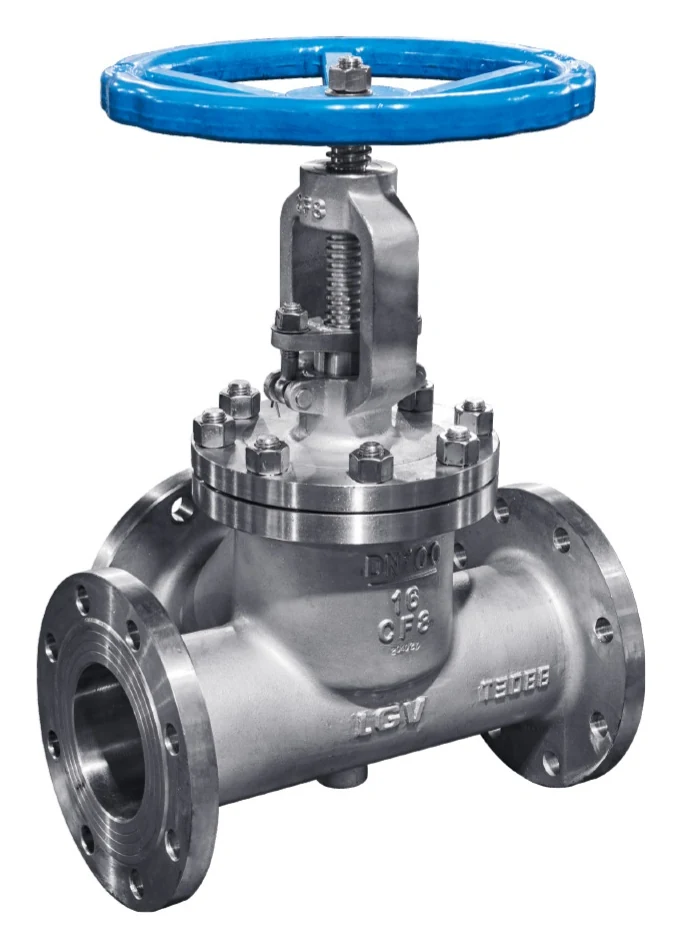
Beginnen Sie mit Eckform, Faltenbalgabdichtung oder Y-Form Optionen oder alle 24 Produkteinträge durchsuchen. Ein handbetätigtes Absperrventil zur gelegentlichen Einstellung ist nicht automatisch ein ausgelegtes automatisches Regelventil.

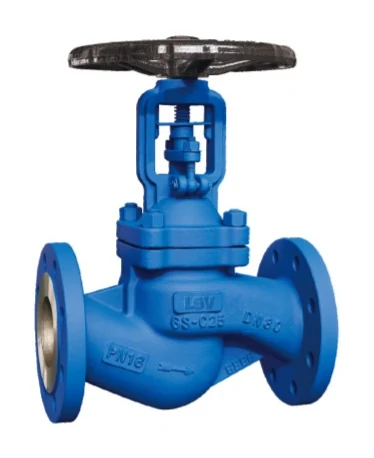
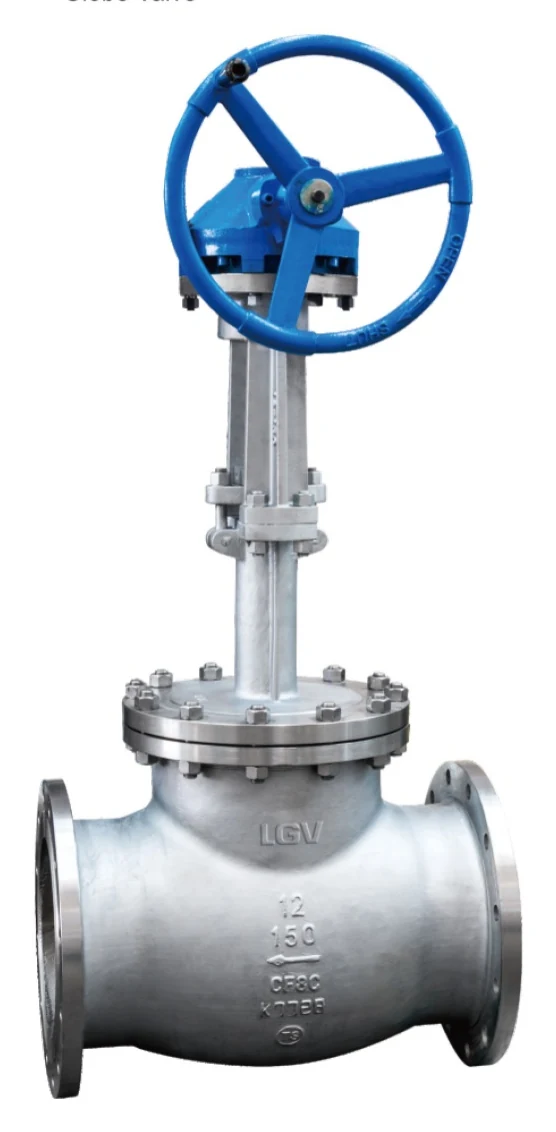
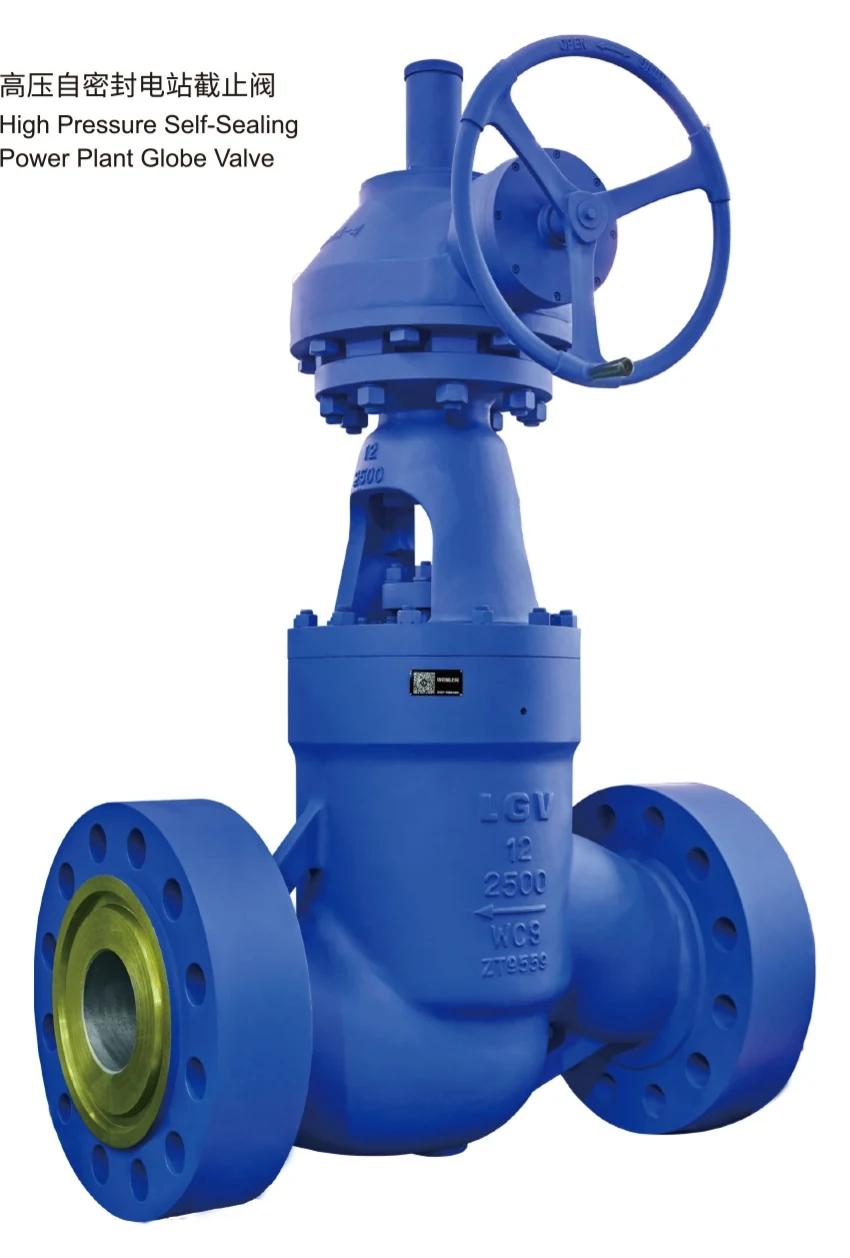
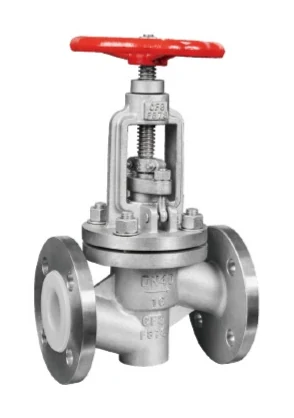
Bellows seal globe valve from the catalog, shown as a product example

Produktarchitektur

Absperrventil-Konfiguration wählen

Gehäuseform, Spindelabdichtung, medienberührte Werkstoffe, Druck-Temperatur-Bemessung und Endanschlüsse müssen alle für den vorgesehenen Einsatz geeignet sein. Diese drei Serienwege grenzen die Auswahl ein; die einzelnen Produkteinträge unten decken weitere Konfigurationen und einsatzspezifische Ausführungen ab.

Absperrventil-Baureihe

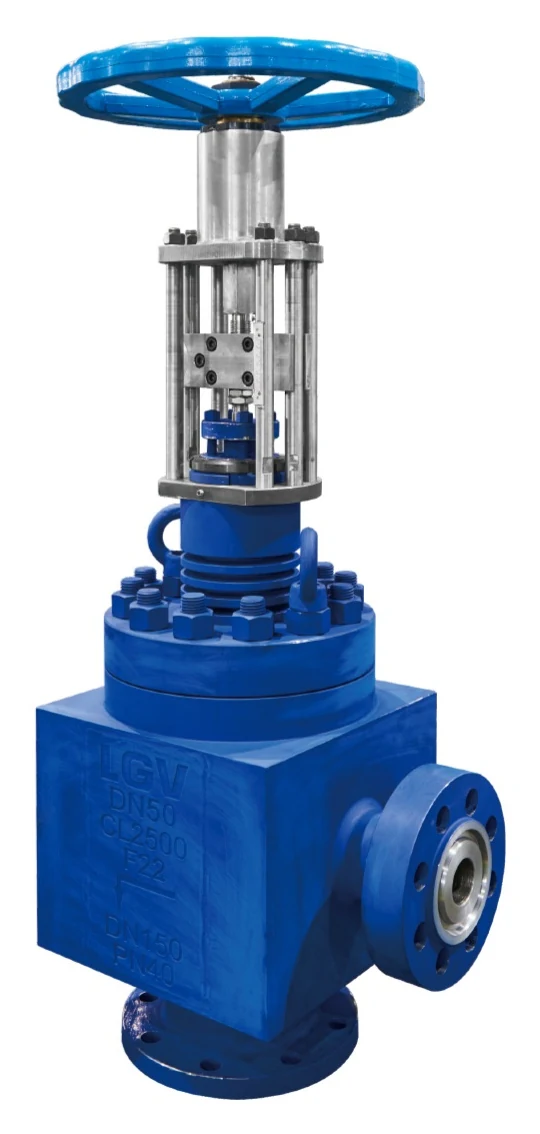
Wenn die Rohrleitung um 90° umgelenkt werden muss, kann ein Eckgehäuse die Leitungsführung ohne separaten Bogen ermöglichen. Vergleichen Sie vor der Auswahl die tatsächliche Strömungsrichtung, den verfügbaren Druckverlust und die Zugänglichkeit für die Eck-Baureihe.

Absperrventil-Baureihe

Wenn Leckage entlang der Spindel ein wesentliches Prozessproblem darstellt, prüfen Sie eine Balgdichtungs-Ausführung. Fordern Sie für die gewählte Ausführung die Balgkonstruktion, die Betriebszyklen-Grenzen, die Sekundärdichtung und die Prüfkriterien an; der Baureihenname ist keine pauschale Emissionszertifizierung.

Absperrventil-Baureihe

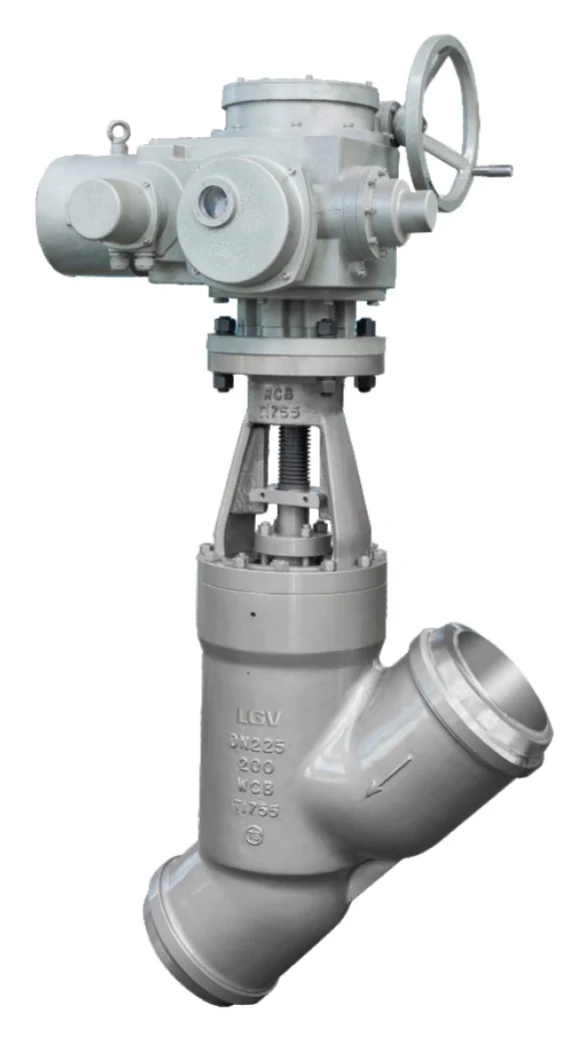
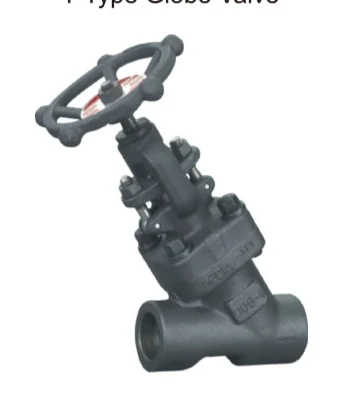
Wo der Druckverlust bei vollständiger Öffnung entscheidend ist, vergleichen Sie ein Y-Gehäuse mit einem konventionellen Absperrventilgehäuse bei gleichen Durchfluss- und Druckbedingungen. Der geradere Weg kann den Widerstand verringern, doch das gewählte Ventil benötigt dennoch modellbezogene Durchflussdaten.

Selection framework

Select for flow duty before choosing the valve body

A globe valve creates a restriction around the disc and seat, so it normally has greater full-open loss than a full-bore isolation valve. For occasional manual balancing or bypass adjustment, start with a globe design if that loss is acceptable. If the process needs continuous automatic modulation or a severe liquid pressure drop, specify the operating cases for a properly sized control-valve/trim review instead of ordering a generic handwheel valve.

Straight, angle or Y-pattern: what changes?

Use a conventional straight-through/T-pattern body where the pipe continues in line and deliberate restriction is acceptable. An angle body makes sense when the piping route turns; a Y-Form is worth comparing when pressure loss matters. Do not assume one pattern always delivers a lower loss: compare the available Cv/Kv at the required opening and flow.

Packed stem or bellows seal?

Standard stem packing may be appropriate when its leakage and maintenance requirements are acceptable. If loss of process fluid at the stem is especially consequential, review the bellows-seal series and its failure-backup sealing arrangement. Specify the medium, temperature, stroke/cycling and required leakage test rather than treating “bellows” as proof of zero leakage.

Manual regulation or automated control?

A handwheel or gearbox can be suitable for local isolation and infrequent adjustment. For remote or frequent travel, provide the differential pressure, available power or air, duty cycle and fail-position requirement to size the actuator. For closed-loop modulation, also provide the minimum/normal/maximum flow and allowable noise/cavitation limits so the valve and trim can be sized together.

Application intent

Find the product route for the actual medium

Service labels are useful starting points, not interchangeable certifications. Temperature extremes, hazardous fluids and high differential pressure change both the required construction and the documentation a buyer should request.

Steam, boiler and high-temperature water

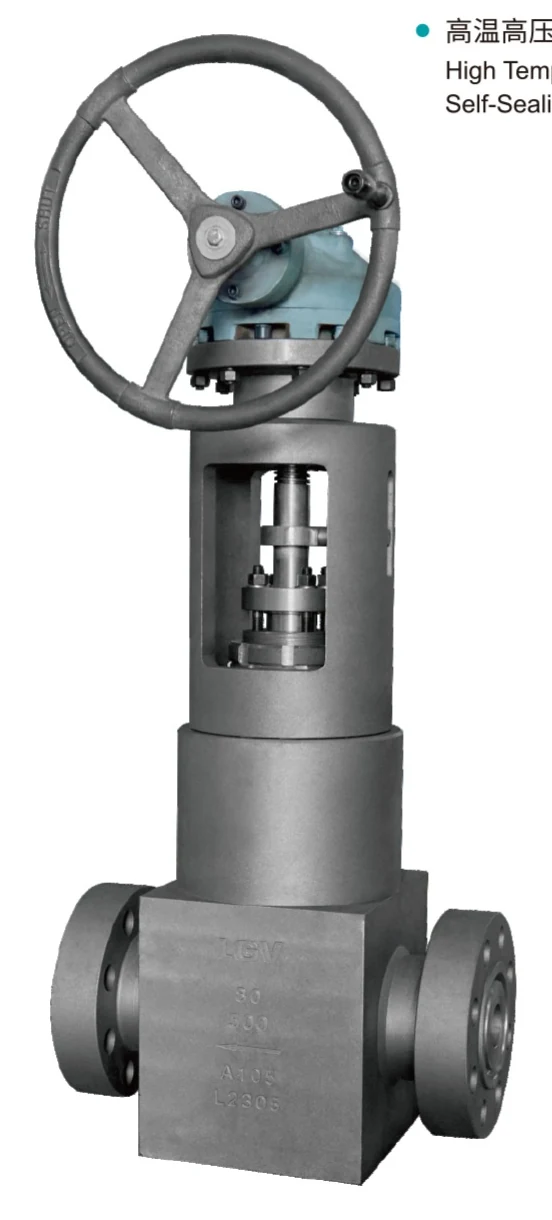
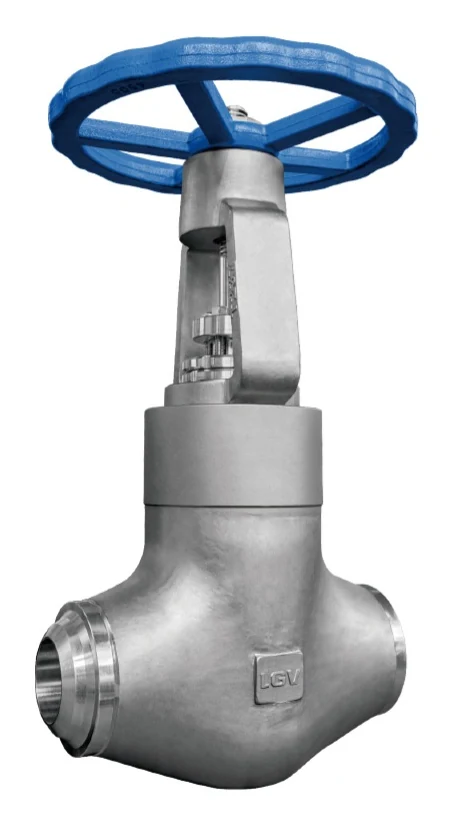
Start with the operating and design pressure/temperature, cycling frequency and upstream/downstream conditions. For high-duty power and pressure-seal entries, verify the specific bonnet, stem/seat construction and pressure–temperature rating for the quoted body material; a nominal Class is not a single working pressure at every temperature.

Ammonia, oxygen and cryogenic duties

Route ammonia piping to the ammonia angle product only after confirming medium concentration and sealing requirements. For the oxygen-specific entry, state cleanliness, compatible wetted materials and acceptance records. For cryogenic service, specify minimum temperature, extension and insulation requirements. None of these titles alone proves project approval.

Normal throttling versus demanding pressure reduction

For a manual bypass or occasional adjustment, a globe valve may be a practical option if seat wear and pressure loss are acceptable. If the required liquid pressure reduction could induce cavitation or flashing, the service needs a specific sizing and trim assessment. Submit fluid phase/vapor-pressure data and both normal and maximum pressure drops rather than assuming that an ordinary globe disc is suitable.

Specification and procurement

What to specify for a globe valve quotation

Supply the conditions that eliminate an unsuitable pattern or trim before asking for a fixed price. If a value is unknown, identify it as open rather than assuming that every catalog entry shares the same rating.

EntscheidungsbereichAngaben des KäufersWarum es wichtig ist
Duty and travelIsolation; occasional throttling; or continuous modulating serviceSeparates a manual stop/regulating valve from a sized control-valve application
Flow and differential pressureMinimum, normal and maximum flow; P1/P2 for each caseChecks available pressure drop, trim sizing and possible cavitation/noise
Medium und TemperaturFluid, phase, solids, corrosion and minimum/normal/maximum temperatureAffects wetted materials, seat, packing/bellows and thermal construction
Pressure boundary and shutoffDesign pressure, temperature, applicable rating basis and required seat leakageRules out insufficient pressure–temperature ratings or inappropriate closure design
Rohrleitung und BetriebPattern, inlet/outlet sizes, end connection, flow direction, orientation, travel frequencyAvoids connection/installation conflicts and incorrect force assumptions
Documents and verificationApplicable codes/editions, drawing, material traceability, tests or witness requirementsDefines the specific evidence needed before acceptance

Technische Anfrage

Request a globe valve configuration review

Send the intended service and any datasheet or piping drawing. VALMORA can use the information to identify the relevant catalog route and review a quote-ready configuration; information not yet known can be marked for discussion. For broader comparisons visit all valve products oder industry applications; supplier-background and reference pages remain available under manufacturing und resources.

Fields marked * are required.