

Ventilanwendungen in der Zellstoff- und Papierindustrie
Ventile für Zellstoff & Papier für Stoff, Chemikalien & Versorgungsmedien
Faserstoff, chemische Lauge, Bleichmedien, Dampf und sauberes Wasser stellen unterschiedliche Anforderungen an ein Ventil. Bei Stoffleitungen sind zunächst die Faserstoffkonsistenz und die Frage zu klären, ob der Stoff entwässern oder sich in den Ventilsitz einpacken kann; bei korrosiven Strömen sind die tatsächliche Chemikalie und der Reinigungszyklus zu ermitteln. VALMORA unterstützt Anfragen zu Ventilen für die Zellstoff- und Papierindustrie und hilft, jede Aufgabe der passenden Produktfamilie zur Konfigurationsprüfung zuzuordnen.
Beginnen Sie mit der Aufgabe: Absperrung oder Regelung, Stoffkonsistenz und Verunreinigungen, Betriebs- und Reinigungsbedingungen sowie die erforderliche Absperrrichtung. Produktausführung, Werkstoffe und Prüfdokumentation werden am angebotenen Ventil bestätigt – nicht aus der Branchenbezeichnung abgeleitet.
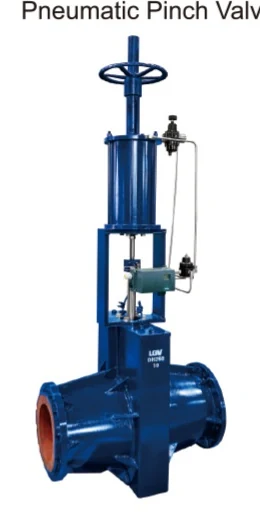
Den Strom identifizieren
Unterschiedliche Kreisläufe in der Mühle erfordern unterschiedliche Ventilausführungen
Legen Sie fest, wo das Ventil in der Mühle sitzt. Ein Stoffbunkerauslauf, eine Laugenleitung und ein Dampfsammler der Papiermaschine können dieselbe Nennweite haben, unterscheiden sich jedoch im Feststoffverhalten, im Dichtungsbedarf und in den Ausfallarten.
Zellstoff, Recyclingfasern und Rejekte
Die Stoffabsperrung muss Fasermatten, Sedimentation und Entwässerung während des Stillstands berücksichtigen. Recyclingstoff kann Schleifmittel, Klammern oder andere Rejekte enthalten, die den Verschleiß beschleunigen. Prüfen Sie die Geometrie von Schieber und Sitz, die Richtung des Differenzdrucks und den Zugang zum Entfernen von Ablagerungen.
Lauge, Bleich- und Waschchemikalien
Weiß-, Grün- und Schwarzlauge sowie Bleichchemikalien haben unterschiedliche Zusammensetzungen und Temperaturbereiche. Geben Sie Konzentration, mögliche Feststoffe, Reinigungschemikalien und Ausreißerwerte an, bevor Sie medienberührte Metalle, Auskleidungen, Sitze oder Packungen auswählen. Ein allgemeines Etikett “chemikalienbeständig” reicht nicht aus.
Papiermaschinen-Durchfluss und Werksversorgungseinrichtungen
Die Flächengewichts- oder Verdünnungsregelung erfordert ein entsprechend dimensioniertes Regelventil und einen Stellantrieb; gewöhnliches Auf/Zu-Absperren ist eine andere Aufgabe. Dampf-, Kondensat-, Vakuum- und Betriebswasserleitungen benötigen jeweils eigene Druck-Temperatur-, Dichtheits- und Schaltspielanforderungen.
Entscheidungen von der Anwendung zum Ventil
Welcher Ventilpfad passt zum Anlagenstrom?
Verwenden Sie diese als erste technische Prüfpfade, nicht als Erklärungen, dass jedes aufgeführte Produkt für den Einsatz qualifiziert ist. Die tatsächliche Aufschlämmung, Druckdifferenz, Sitzausführung und angebotene Konstruktion können die Antwort ändern.
| Betriebsfall / beobachtete Bedingung | Erster Ventilfamilien-Pfad | Was die Auswahl bestimmt |
|---|---|---|
| Faserstoff-Isolation; Risiko von Verfilzung oder Verstopfung | Plattenschieber mit faserstoffgerechter Platten- und Sitzgeometrie | Konsistenz, Entwässerungsverhalten, Druckrichtung und Fähigkeit zum Schließen gegen den Stoff bestätigen. Ein Standard-Plattenschieber für Wasserdienst ist nicht automatisch geeignet. |
| Hochkonsistenter Stoff, der im Stillstand entwässert | Zweckkonzipierte O-Port-Ausführung oder andere bestätigte Hochkonsistenz-Bauform | Keinen konventionellen Plattenschieber einsetzen, ohne das Schließen unter statischem Stoff und die tatsächlich verfügbare Produktkonfiguration zu bestätigen. |
| Rejekte aus Recyclingfasern oder abrasive Suspension | Schwerlast-Plattenschieber; Quetschventil-Manschette für geeignete Einsätze prüfen | Rejektgröße, Feststoffbeladung, Abrasion, Manschettenverträglichkeit und zulässiger Differenzdruck bestimmen die Auswahl. Quetschventile scheren harte Fremdkörper nicht automatisch. |
| Dünner Stoff, Verdünnung oder Modulierung der Anströmung | Dimensioniertes Regelventil; V-Port-/Segmentbauformen prüfen, falls geeignet | Require flow range, available ΔP, stock characteristics, cavitation risk, actuator/positioner and control accuracy; do not treat an on/off valve as a control package. |
| Bleach or recovery chemical isolation | Lined/anti-corrosion valve or compatible metal construction | Specify individual chemical species, concentration, temperature, contaminants and wash/boil-out exposure. PTFE or stainless steel is not universally suitable. |
| Steam, condensate, vacuum or clean water | Pressure-temperature-rated isolation or control valve for that utility | Select separately from stock service; check pressure-temperature rating, leakage requirement, cycling and applicable piping specification. |
| Relatively clean process water with screened debris | Strainer only where filtration duty justifies it | Confirm mesh/opening, allowable pressure loss and safe cleaning access; do not assume a conventional strainer is appropriate for dense pulp or reject slurry. |
For the detailed designs, continue to the relevant valve families below. A specialized high-consistency or contaminant-handling configuration requires its own datasheet before being named in an offer.
Relevant product families
Explore valves by the process problem
Follow the product page for construction and configurable options. The presence of a product family in the catalog is not a blanket chemical-compatibility, stock-consistency or service-life rating.
Plattenschieber
For stock chests, pump isolation and selected reject duties where the gate, packing and pressure direction suit the process.
Quetschventile
For selected abrasive or fibrous slurry duties where sleeve material, pressure differential and service frequency have been verified.
Regelventile
For dilution, flow and pressure regulation; request Cv, travel range, differential pressure and actuator response for the selected duty.
Ausgekleidete & korrosionsbeständige Armaturen
For defined recovery or bleaching media after checking the actual wetted materials, lining, concentration and temperature.
Schmutzfänger
For suitable screened-water or low-solids duties where the specified opening and cleaning strategy are practical.
Catalog construction examples
Check the actual construction behind each valve family
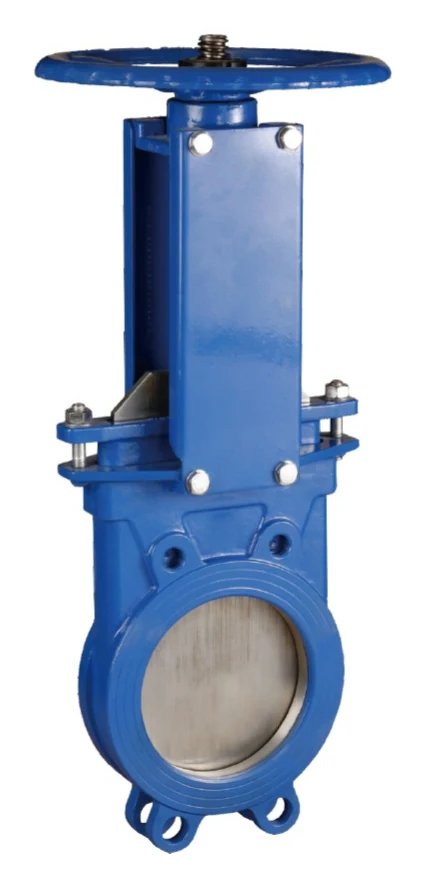
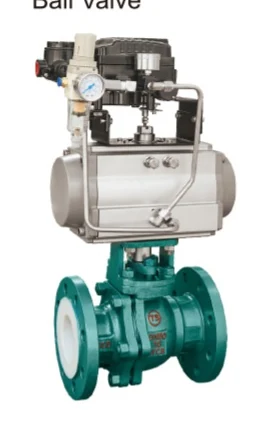
These catalog examples show two different constructions: a handwheel-operated knife gate for isolation and a PTFE-lined ball valve with pneumatic actuation. The mechanisms and wetted parts are not interchangeable. The pictured valves illustrate product types, not an approved configuration for a particular stock, bleach or liquor stream. Request the offered valve’s drawing, lining specification and testing basis.
Codes and project limits
Use the mill piping class and the offered valve data together
A mill specification may invoke piping codes, valve design standards, purchaser testing requirements and chemical-service criteria. State the governing edition and actual line class first. A piping code or industry standard does not, by itself, certify a supplier or establish stock plugging performance, liner compatibility or actuator suitability.
| Reference to check | Possible project context | Buyer evidence request |
|---|---|---|
| ASME B31.3 process piping | Check whether the mill process line invokes B31.3 and the owner’s piping class. | Piping-code context does not establish a product’s chemical suitability. |
| Valve pressure boundary | State specified design standard, class, materials and pressure/seat test. | Require exact offered configuration evidence. |
| Chemical and fiber handling | Supply process chemistry, consistency and purchaser wear/plugging acceptance criteria. | No generic liner or valve family fits every stock stream. |
| Steam/utility conditions | If the circuit is steam or condensate, identify its separate piping and thermal basis. | Do not transfer stock-line claims to utility service. |
For steam or condensate, check the utility circuit independently; for liquor and bleach service, require compatibility with both normal media and cleaning chemicals. Do not infer fixed pressure capability from a nominal valve class without the material and design-temperature basis.
Technical RFQ and quotation records
What to send for a comparable pulp & paper valve offer
A usable inquiry identifies the line tag and stream, normal/design/upset conditions, exact required duty and access for maintenance. For stock, add fiber consistency, freeness if known, contaminants and behavior after shutdown; for chemical service, add concentration and washing or boil-out conditions. Agree the offer’s drawings, materials, tests, exceptions and document revisions before purchase.
| Submittal item | What must be defined | Responsibility / status |
|---|---|---|
| Line-tag service sheet | Stream and medium, fiber consistency/solids or chemical concentration; normal, minimum and maximum flow, P and T; cleaning and shutdown cases. | Buyer provides operating basis |
| Valve construction / dimensional submittal | Face-to-face, ends, bore, gate/ball/sleeve design, flow direction, pressure differential and installation access; drawings for the offered configuration. | Supplier to confirm model and revision |
| Actuation and control package | On/off or modulating duty, fail action, cycle frequency, signal/positioner, available instrument air or electrical supply. | Supplier to confirm configuration and exclusions |
| Wetted materials and acceptance testing | Body, seat, lining, packing and wear parts; requested seat/pressure test, inspection criteria and supporting material records. | Agree documents and inspection stages |
| Deviations, maintenance and closeout | List exceptions to the mill specification, flush/cleanout plan, spare and wear part identification, document revisions and open approvals. | Close or explicitly track before release |
Request a mill-duty review
Send your pulp & paper valve specification
Share the valve schedule or a single line tag, the process stream and its operating cases, and the intended isolation or control duty. If stock consistency, chemical concentration or test requirements are not yet defined, identify them as open questions so the proposed construction is not mistaken for an approved specification.
- Plant, unit, system and equipment tag
- Valve function and consequence of failure
- Minimum, normal, maximum and upset operating cases
- Medium composition, phase, contaminants and solids
- Line size, ends, orientation, access and actuation
- Project standards, editions and owner specifications
- Testing, inspection, records and witness requirements
- Unknown fields marked for engineering confirmation