

تطبيقات الصمامات في صناعة اللب والورق
صمامات اللب والورق لخطوط العجينة والمواد الكيميائية والمرافق
عجينة الألياف، والسائل الكيميائي، ووسائط التبييض، والبخار، والمياه النظيفة لا تفرض جميعها المتطلبات نفسها على الصمام. بالنسبة لخطوط العجينة، حدِّد أولاً اتساق الألياف وما إذا كانت العجينة قادرة على نزع الماء أو التراكم داخل مقعد الصمام؛ وبالنسبة للتيارات المسببة للتآكل، حدِّد المادة الكيميائية الفعلية ودورة التنظيف. تدعم VALMORA استفسارات صمامات اللب والورق وتساعد في توجيه كل خدمة إلى عائلة المنتجات المناسبة لمراجعة التكوين.
ابدأ من طبيعة الخدمة: العزل أو التحكم، واتساق العجينة والملوثات، وظروف التشغيل والتنظيف، واتجاه الإغلاق المطلوب. يتم تأكيد إنشاء المنتج والمواد ووثائق الاختبار مقابل الصمام المقترح—وليس افتراضها من اسم الصناعة.
حدِّد التيار
دوائر المصنع المختلفة تحتاج إلى تصاميم صمامات مختلفة
حدِّد موقع الصمام في المصنع. قد يشترك تصريف خزان العجينة وخط السائل وأنبوب بخار آلة الورق في مقاس أنبوب اسمي واحد، لكنها تختلف في سلوك المواد الصلبة واحتياجات الإحكام وأنماط الفشل.
عجينة اللب والألياف المعاد تدويرها والمواد المرفوضة
يجب أن يراعي عزل العجينة تراكم الألياف وترسُّبها ونزع الماء منها أثناء التوقف. قد تحتوي الخلطة المعاد تدويرها على حبيبات كاشطة أو دبابيس أو غيرها من المواد المرفوضة التي تسرّع التآكل. تحقق من هندسة البوابة/المقعد واتجاه الضغط التفاضلي وإمكانية الوصول لإزالة الترسبات.
السائل الكيميائي ومواد التبييض والغسيل
تختلف مكونات السوائل البيضاء والخضراء والسوداء ومواد التبييض الكيميائية ونطاقات درجات حرارتها. يجب تضمين التركيز والمواد الصلبة المحتملة ومواد التنظيف الكيميائية والتقلبات قبل اختيار المعادن الملامسة للسائل أو البطانات أو المقاعد أو الحشوات. ولا يكفي وصف عام مثل “مقاوم للمواد الكيميائية”.
تدفق ماكينة الورق ومرافق المصنع
يتطلب التحكم في الوزن الأساسي أو التخفيف صمامًا تنظيميًا ومشغلًا بالحجم المناسب؛ أما العزل العادي بالفتح/الإغلاق فهو مهمة مختلفة. وتحتاج خطوط البخار والمتكثفات والفراغ ومياه الخدمة إلى متطلباتها الخاصة من حيث الضغط ودرجة الحرارة والتسرب ودورات التشغيل.
قرارات اختيار الصمامات حسب التطبيق
أي مسار صمام يناسب تدفق المصنع؟
استخدم هذه كـ مسارات مراجعة فنية أولية, وليست إقرارًا بأن كل منتج مدرج مؤهل للخدمة. فقد يغيّر الطين الفعلي أو فرق الضغط أو تصميم المقعد أو التركيب المعروض الإجابة.
| الخدمة / الحالة المرصودة | أول مسار لعائلة الصمام | ما الذي يحدد الاختيار |
|---|---|---|
| عزل لب الألياف؛ خطر التشابك أو الانسداد | صمام بوابة سكين بهندسة بوابة ومقعد مناسبة للب | تحقق من اتساق اللب ودرجة حريته أو سلوك التصريف واتجاه الضغط والقدرة على الإغلاق مقابل اللب. صمام بوابة السكين القياسي لخدمة المياه ليس مناسبًا تلقائيًا. |
| لب عالي الاتساق يفقد الماء عند التوقف | تصميم O-port مصمم لهذا الغرض أو تصميم آخر موثّق عالي الاتساق | لا تستبدل صمام بوابة سكين تقليديًا دون تأكيد الإغلاق تحت لب ساكن وتكوين المنتج الفعلي المتاح. |
| رفض الألياف المعاد تدويرها أو الملاط الكاشط | بوابة سكين للخدمة الشاقة؛ قيّم جلبة صمام القرص للخدمات المناسبة | حجم الرفض وتحميل المواد الصلبة والكشط وتوافق الجلبة وفرق الضغط المسموح به تحدد الاختيار. صمامات القرص لا تقص الحطام الصلب تلقائيًا. |
| لب رقيق أو تخفيف أو تعديل تدفق الاقتراب | صمام تحكم محدد المقاس؛ قيّم تصاميم V-port/المجزأة إذا كانت مناسبة | Require flow range, available ΔP, stock characteristics, cavitation risk, actuator/positioner and control accuracy; do not treat an on/off valve as a control package. |
| Bleach or recovery chemical isolation | Lined/anti-corrosion valve or compatible metal construction | Specify individual chemical species, concentration, temperature, contaminants and wash/boil-out exposure. PTFE or stainless steel is not universally suitable. |
| Steam, condensate, vacuum or clean water | Pressure-temperature-rated isolation or control valve for that utility | Select separately from stock service; check pressure-temperature rating, leakage requirement, cycling and applicable piping specification. |
| Relatively clean process water with screened debris | Strainer only where filtration duty justifies it | Confirm mesh/opening, allowable pressure loss and safe cleaning access; do not assume a conventional strainer is appropriate for dense pulp or reject slurry. |
For the detailed designs, continue to the relevant valve families below. A specialized high-consistency or contaminant-handling configuration requires its own datasheet before being named in an offer.
Relevant product families
Explore valves by the process problem
Follow the product page for construction and configurable options. The presence of a product family in the catalog is not a blanket chemical-compatibility, stock-consistency or service-life rating.
صمامات بوابة سكين
For stock chests, pump isolation and selected reject duties where the gate, packing and pressure direction suit the process.
صمامات ضغط
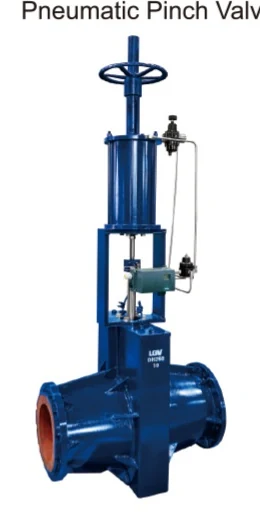
For selected abrasive or fibrous slurry duties where sleeve material, pressure differential and service frequency have been verified.
صمامات تحكم
For dilution, flow and pressure regulation; request Cv, travel range, differential pressure and actuator response for the selected duty.
صمامات مبطنة ومقاومة للتآكل
For defined recovery or bleaching media after checking the actual wetted materials, lining, concentration and temperature.
مصافي شبكية
For suitable screened-water or low-solids duties where the specified opening and cleaning strategy are practical.
Catalog construction examples
Check the actual construction behind each valve family
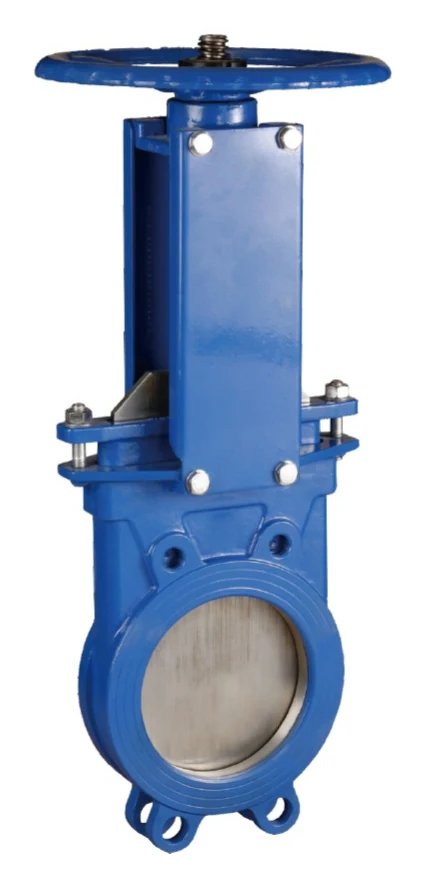
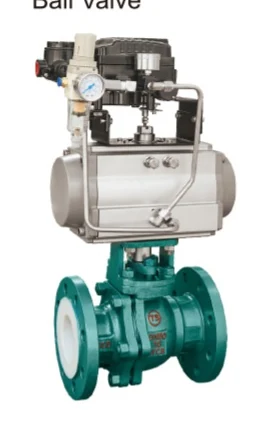
These catalog examples show two different constructions: a handwheel-operated knife gate for isolation and a PTFE-lined ball valve with pneumatic actuation. The mechanisms and wetted parts are not interchangeable. The pictured valves illustrate product types, not an approved configuration for a particular stock, bleach or liquor stream. Request the offered valve’s drawing, lining specification and testing basis.
Codes and project limits
Use the mill piping class and the offered valve data together
A mill specification may invoke piping codes, valve design standards, purchaser testing requirements and chemical-service criteria. State the governing edition and actual line class first. A piping code or industry standard does not, by itself, certify a supplier or establish stock plugging performance, liner compatibility or actuator suitability.
| Reference to check | Possible project context | Buyer evidence request |
|---|---|---|
| ASME B31.3 process piping | Check whether the mill process line invokes B31.3 and the owner’s piping class. | Piping-code context does not establish a product’s chemical suitability. |
| Valve pressure boundary | State specified design standard, class, materials and pressure/seat test. | Require exact offered configuration evidence. |
| Chemical and fiber handling | Supply process chemistry, consistency and purchaser wear/plugging acceptance criteria. | No generic liner or valve family fits every stock stream. |
| Steam/utility conditions | If the circuit is steam or condensate, identify its separate piping and thermal basis. | Do not transfer stock-line claims to utility service. |
For steam or condensate, check the utility circuit independently; for liquor and bleach service, require compatibility with both normal media and cleaning chemicals. Do not infer fixed pressure capability from a nominal valve class without the material and design-temperature basis.
Technical RFQ and quotation records
What to send for a comparable pulp & paper valve offer
A usable inquiry identifies the line tag and stream, normal/design/upset conditions, exact required duty and access for maintenance. For stock, add fiber consistency, freeness if known, contaminants and behavior after shutdown; for chemical service, add concentration and washing or boil-out conditions. Agree the offer’s drawings, materials, tests, exceptions and document revisions before purchase.
| Submittal item | What must be defined | Responsibility / status |
|---|---|---|
| Line-tag service sheet | Stream and medium, fiber consistency/solids or chemical concentration; normal, minimum and maximum flow, P and T; cleaning and shutdown cases. | Buyer provides operating basis |
| Valve construction / dimensional submittal | Face-to-face, ends, bore, gate/ball/sleeve design, flow direction, pressure differential and installation access; drawings for the offered configuration. | Supplier to confirm model and revision |
| Actuation and control package | On/off or modulating duty, fail action, cycle frequency, signal/positioner, available instrument air or electrical supply. | Supplier to confirm configuration and exclusions |
| Wetted materials and acceptance testing | Body, seat, lining, packing and wear parts; requested seat/pressure test, inspection criteria and supporting material records. | Agree documents and inspection stages |
| Deviations, maintenance and closeout | List exceptions to the mill specification, flush/cleanout plan, spare and wear part identification, document revisions and open approvals. | Close or explicitly track before release |
Request a mill-duty review
Send your pulp & paper valve specification
Share the valve schedule or a single line tag, the process stream and its operating cases, and the intended isolation or control duty. If stock consistency, chemical concentration or test requirements are not yet defined, identify them as open questions so the proposed construction is not mistaken for an approved specification.
- Plant, unit, system and equipment tag
- Valve function and consequence of failure
- Minimum, normal, maximum and upset operating cases
- Medium composition, phase, contaminants and solids
- Line size, ends, orientation, access and actuation
- Project standards, editions and owner specifications
- Testing, inspection, records and witness requirements
- Unknown fields marked for engineering confirmation