
اختيار صمام الفراشة عالي الأداء
صمامات فراشة عالية الأداء
عادةً ما تستخدم صمامات الفراشة عالية الأداء ثنائي اللامركزية هندسة القرص والعمود لتقليل احتكاك المقعد أثناء الفتح. قد تناسب الخدمات ذات متطلبات الإغلاق أو التشغيل الدوري أو درجات الحرارة الأكثر صرامة من الصمام التقليدي متحد المركز، لكن المقعد الفعلي وتصنيف الضغط ودرجة الحرارة — وليس اسم المنتج — هما ما يحددان الملاءمة.
استخدم صفحة هذه السلسلة لتحديد الخدمة واختيار التصميم المناسب. الصمام ثلاثي اللامركزية، وهو عادةً تصميم يُثبَّت بالعزم، يمثل مسار اختيار منفصل عندما تتطلب الخدمة المحددة ذلك.
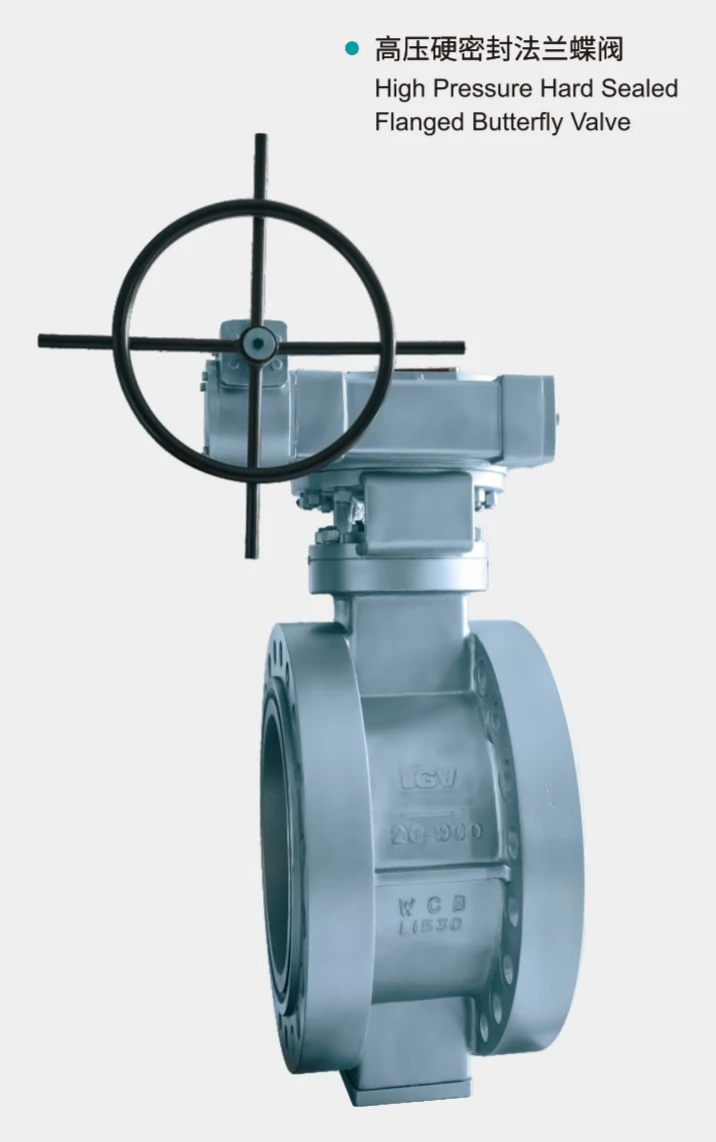
المنتج المعروض: صمام فراشة بفلنجات محكم الإغلاق للضغط العالي (صفحة الكتالوج 97). تُعرّف الصورة هذا العنصر؛ ويجب مع ذلك تأكيد هندسة اللامركزية وتصنيف الضغط وتصميم المقعد واختبار الإغلاق للطراز المقترح.
اختيار التصميم
أين تتناسب صمامات عالية الأداء ثنائية اللامركزية
القرار الأول هو وضعية الإغلاق: يمكن للصمام التقليدي متحد المركز أن يبقى الخيار الأبسط عندما تستوفي حدود مقعده وإغلاقه ودرجة الحرارة والضغط الموثقة متطلبات الخدمة. يصبح تصميم ثنائي اللامركزية جديرًا بالتقييم عندما يكون تقليل تلامس المقعد أثناء التشغيل الدوري أو ظرف خدمة أكثر تحديًا أمرًا مهمًا. إذا كانت درجة الحرارة المحددة أو متطلب الإحكام خارج نطاق إنشاء المقعد المتاح، فقارن تصميمًا ثلاثي اللامركزية محددًا بشكل منفصل بدلًا من افتراض أن فئة ضغط أعلى تعالج مسألة الإحكام.
لا توفر صفحات الكتالوج المتاحة جدول تصنيفات لطراز ثنائي اللامركزية. احصل على الرسم المعروض وإنشاء المقعد وبيانات درجة الحرارة والضغط قبل تثبيت المواصفات.
| مسار التصميم | متى يجب إدراجه في القائمة المختصرة | القرار الذي يجب التحقق منه |
|---|---|---|
| متحد المركز بمقعد مرن | العزل العام عندما تكون الوسيط والضغط ودرجة الحرارة والتشغيل الدوري المحددة ضمن الحدود المنشورة لذلك الصمام. | توافق الإيلاستومر، ونطاق درجة الحرارة والضغط، والإغلاق، وتلاؤم الفلنجة/القرص. تصفح عائلة صمامات الفراشة. |
| عالي الأداء، غالبًا ثنائي اللامركزية | التشغيل الدوري المتكرر أو خدمة تتطلب ترتيب مقعد/إحكام مختلفًا وتقليل تلامس القرص بالمقعد أثناء الحركة. | تأكد من الفعلي هندسة الإزاحة، ومواد المقعد والحشو، والتصنيف عند درجة الحرارة، واتجاه الإغلاق، واختبار التسرب المطلوب. |
| ثلاثي اللامركزية، سلسلة منفصلة | ضع في الاعتبار الحالات التي يلزم فيها ترتيب محكم الإغلاق بعزم دوران، وغالبًا بمقعد معدني، ومصمم هندسيًا بشكل مناسب للظروف المحددة. | اطلب توثيق ضغط-درجة الحرارة والاختبار والتريم الخاص به؛ فهو ليس مرادفًا ولا ترقية تلقائية لكل الخدمات. راجع صمامات الفراشة ثلاثية اللامركزية. |
صور الكتالوج ومسارات المنتجات الدقيقة
ما يعرضه الكتالوج—وما لا يعرضه
تساعد صور الكتالوج في تحديد جسم الصمام والمشغل ونوع الخدمة؛ لكنها لا تستطيع التحقق من تصنيف ضغط-درجة الحرارة أو اختبار التسرب. قارن الصمام ذا الإغلاق الصلب بفلنجات مع صمام التهوية المختلف بوضوح أدناه قبل اختيار تكوين عزل العملية.
صفحة الكتالوج 97. A named flanged, hard-sealed butterfly valve. Its caption does not specify double-offset geometry, exact seat materials, allowable pressure at temperature or shutoff test. Request its product-level information before using it in a high-performance comparison.
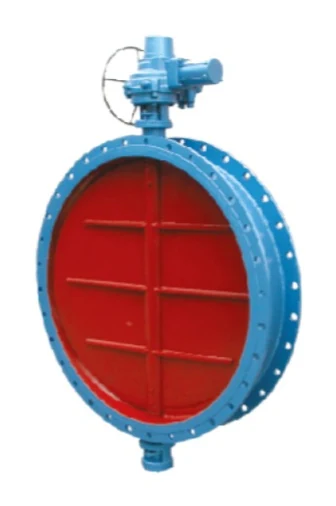
Catalog page 99. This blue-and-red valve is for ventilation service and is not a triple-offset wafer valve. Do not substitute it for a process-isolation valve unless the exact product is demonstrated to meet the specified pressure, temperature and shutoff criteria.
Need a documented triple-offset configuration instead? Review the separate triple-offset series or the individually named electric fully welded و metal-to-metal wafer products. Those links identify other catalog records; their specifications are not transferable to this series.
APPLICATION FIT
Three service conditions that change the choice
High-performance is a design-selection term, not a universal pressure or temperature rating. Each case below changes the question to ask of an actual offered valve.
Repeated operation and tight isolation
When the valve cycles often, reduced seat rubbing may favor a suitable double-offset design. Compare the stated cycle duty, required leakage level and allowable differential pressure; do not assume a catalog photograph proves cycle life.
Hot or thermally cycling service
Check the seat, packing and body rating at both normal and upset temperatures. If the proposed seat system cannot meet the specified temperature, exclude that configuration and evaluate another documented seat design or the triple-offset route.
Automated isolation or modulating duty
For automated on/off duty, size the actuator against the offered valve’s required torque over the full stroke, not only breakaway and seating torque. Check running and dynamic torque at the governing flow and differential-pressure conditions, available actuator output, required fail action, stroke time, and the supplier’s specified sizing allowance. For throttling, request the valve’s control characteristic, allowable operating range, and matching actuator/positioner performance rather than assuming that an on/off butterfly valve is suitable for control.
AVOID WRONG CONFIGURATIONS
Four mistakes to prevent before quotation
These errors change the specified hardware or the acceptance basis, rather than merely changing the wording of the inquiry.
- Using “high performance” instead of a model-specific seat and pressure-temperature rating
- Assuming the gray hard-sealed flanged catalog image proves double-offset construction
- Claiming bidirectional tight shutoff, fire-safe status or a leakage class without an applicable test basis
- Ignoring flange drilling, face-to-face dimension and disc sweep clearance before installation
SPECIFICATION QUESTIONS
Before you approve a high-performance valve quote
Use these answers with the specific offered drawing, seat details and test documents; a series label or a catalog image is not an orderable configuration.
What project data is needed to specify High Performance Butterfly Valves?
State the isolation or throttling duty, line size, pressure and temperature cases, shutoff expectation, disc/seat compatibility, flange interface, flow direction and actuation method.
Does the High Performance Butterfly Valves series name define every available size, pressure class and material?
No. A series name identifies a documented butterfly valve selection route, but the orderable size, rating, material, connection, standard and operating limits must be confirmed on the offered datasheet and approved order drawing.
How should buyers compare products within the High Performance Butterfly Valves series?
Compare body pattern, offset concept, seat and disc materials, face-to-face and flange interfaces, pressure-temperature envelope, operating torque and maintenance access.
Which documents should be requested before order approval?
Request the offered datasheet, general arrangement or dimensional drawing, material and trim schedule, applicable inspection and test plan, required certificates, marking details and the final order-specific document list.
CONFIGURATION REQUEST
Send the service conditions for a valve match
Tell us whether you need on/off isolation or throttling, and whether a high-performance double-offset design is required or only being considered. Attach a valve schedule if available; unknown fields may be left for technical clarification. A review should return a named proposed configuration with its rating, sealing, connection and document basis.
- Preferred design (if any) and whether alternatives are permitted
- Design, normal and upset pressure-temperature cases; maximum shutoff differential
- Medium, composition, phase and solids where relevant
- Nominal size, end connection and installation orientation
- On/off or throttling duty, cycling frequency, actuator/fail-action needs
- Applicable project specification and required standards
- Required shutoff direction, leakage test, drawings and inspection documents
- Unknown fields clearly marked for technical confirmation