
تطبيقات الصناعات الكيميائية والبتروكيميائية
صمامات الصناعات الكيميائية والبتروكيميائية لخدمات العمليات
توفر VALMORA خيارات صمامات صناعية لواجبات العمليات الكيميائية والبتروكيميائية. ابدأ بما يجب أن يؤديه الصمام — العزل الكامل/الإغلاق، أو التحكم في التدفق، أو احتواء إضافي للساق — ثم تحقق من حالات المائع الفعلي والتركيز ودرجة الحرارة والضغط قبل اختيار المواد والتصميم الإنشائي.
للمهندسين وفرق المشتريات: قارن عائلات الصمامات أدناه، ثم أرسل وصف خدمة موسومًا للمراجعة الخاصة بكل تكوين. لا يثبت الصمام المبطن أو اسم مادة مألوفة بمفرده التوافق الكيميائي.
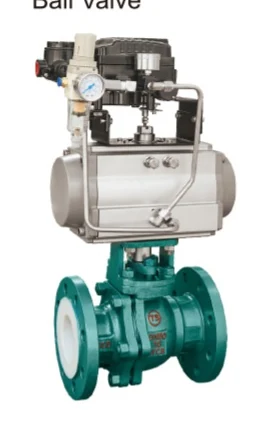
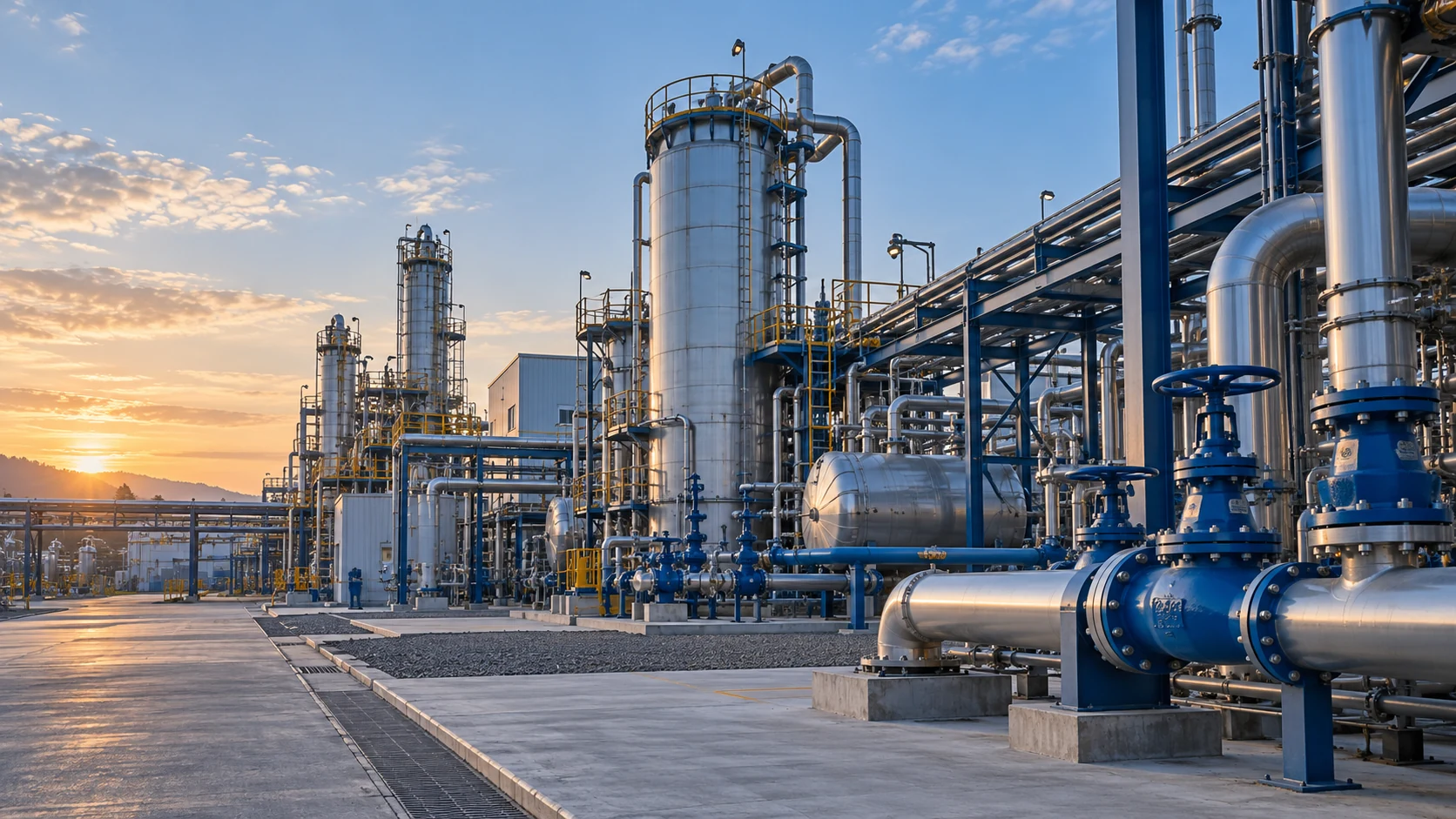
صورة موقع العملية هي رسم توضيحي بالذكاء الاصطناعي، وليست تركيبًا من VALMORA. صورة المنتج: مثال من كتالوج المورد لصمام كروي مبطن بـ PTFE يعمل بالهواء المضغوط؛ تعتمد المواصفات النهائية على التكوين المعروض.
التطبيقات في خط العملية
قد يحتاج المصنع الكيميائي نفسه إلى صمامات مختلفة جدًا
قد يتعامل خط النقل ومخرج المفاعل ومحطة التحميل مع مواد كيميائية مرتبطة، لكنها تواجه ظروف تدفق وتشغيل دوري واحتواء مختلفة. حدد المهمة عند كل وسم صمام بدلًا من اختيار تصميم إنشائي واحد للمصنع بأكمله.
خطوط النقل والخلط والجرعات
لواجبات الفتح/الإغلاق، حدد تغيرات تركيب الدفعات، والسائل المحتجز، ومواد كيميائية الغسل، وعدد دورات تشغيل الصمام. قد يستحق خيار العزل المبطن المراجعة عندما يكون المعدن المكشوف مصدر قلق، لكن الرواسب أو المواد الصلبة الكاشطة قد تغير الاختيار.
المفاعلات ومعدات الفصل
قد تؤدي التفاعلات إلى تغيّر درجة الحرارة والتركيز؛ وقد يتعرض الصمام للتفريغ (vacuum) أثناء التبخير والتبريد. بالنسبة لواجبات الضبط (modulating duties)، يلزم تحديد نطاق التدفق وانخفاض الضغط وضغط بخار السائل لتقييم مخاطر التبخير الوميضي (flashing) أو التكهف (cavitation).
التخزين والتحميل ونقاط الربط بالوحدات
حدّد العزل الإيجابي واتجاه الإغلاق وتكرار التشغيل وعواقب التسرب الخارجي. وعند الحاجة إلى التشغيل عن بُعد أو الإغلاق في حالات الطوارئ، بيّن وضع الفشل (fail position) ومتطلبات المشروع المعمول بها؛ فصورة المشغل ليست موافقة على تلك الواجبات.
استكشف عائلات الصمامات
ابدأ بوظيفة الصمام، ثم ضيّق نطاق التصميم الإنشائي
هذه مسارات فئات منتجات VALMORA القائمة، وليست تكوينات خدمة كيميائية معتمدة مسبقًا. توضح الفئة المعنية التصميم الإنشائي؛ ولا يزال يتعين مطابقة المقاس المختار والمواد والأحزمة (seals) وحدود التشغيل مع الخط.
صمامات مبطنة ومقاومة للتآكل
نقطة انطلاق عندما يتطلب المائع مسارًا مبللًا محميًا. تحقق بدقة من الأسطح المبطنة، وما إذا كانت البطانة والمقاعد والحشوات (gaskets) تتحمل دورة الخدمة الكاملة.
الصمامات الكروية
للعزل والتحويل بربع لفة (quarter-turn). تحقق من واجب الإغلاق (shutoff duty) والمقاعد الملامسة للوسط وأحزمة الساق (stem seals) وضغط التفاضل والتشغيل الدوري والتشغيل الآلي (actuation).
صمامات تحكم
لتنظيم التدفق أو الضغط المحدد. قدّم التدفق الأدنى والعادي والأقصى، إضافة إلى ضغوط المنبع والمصب ودرجة الحرارة والطور لإجراء التقييم الصحيح للمقاس والقطع الداخلية (trim).
صمامات غلوب بأحزمة منفاخية (Bellows Seal)
مسار تصميم احتواء الساق حيث يكون التسرب الخارجي مهمًا. تحقق من المنفاخ المعروض والإغلاق الاحتياطي ومتطلبات اختبار المشروع بدلًا من افتراض أداء الانبعاثات.
صور منتجات حقيقية
إنشاءات مبطنة كما تظهر في كتالوج المورد
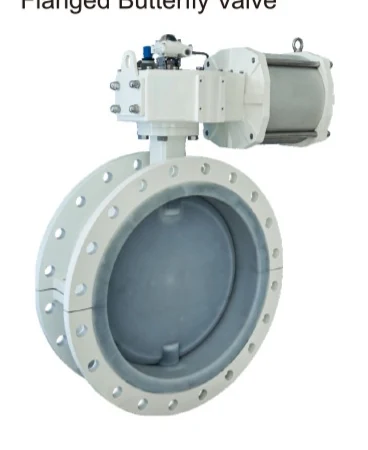
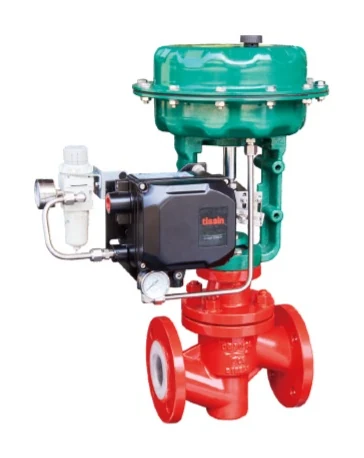
تُظهر الصور أمثلة على الإنشاءات—وليست مراجع مشاريع منفذة أو موافقات عالمية للخدمة الكيميائية. تُظهر الصورة الرئيسية أعلاه صمامًا كرويًا مبطّنًا بـ PTFE ومشغّلًا هوائيًا. وفيما يلي صمام فراشة بفلنجات مبطّن بـ PTFE بمشغّل هوائي (يسار) و صمام غلوب مبطّن بـ PTFE بمشغّل هوائي (يمين). تحقق من المواد والأبعاد المقدمة فعليًا من ورقة البيانات والرسم الخاصين به.
البطانة ليست مماثلة للمقعد المصنوع من PTFE
يمكن لمقعد PTFE أن يُحكم الإغلاق مقابل عنصر الإغلاق بينما تبقى أسطح أخرى ملامسة للوسط العملية معدنية. إذا كان الخط يتطلب عزل معدن الجسم عن الوسط، فحدد إنشاء السطح المبلل بالكامل—وليس مادة المقعد فقط.
التفريغ والانفاذية يغيّران الاختيار
للخدمة الساخنة أو التفريغ أو الأوساط النافذة، اطلب حدود الضغط ودرجة الحرارة والتفريغ للصمام المقدم وإنشاء البطانة. لا يمكن لبيانات مقاومة الراتنج العامة أن تثبت ملاءمة التجميع الكامل.
المشغّل والوظيفة فحصان منفصلان
The pictured pneumatic actuation identifies an operating arrangement, not a certified shutdown function or a sized modulating solution. State cycles, available utilities, required failure position and pressure differential.
DECISION GUIDE
Which valve route fits the chemical-service duty?
Use these starting points before requesting a specific model. The limiting condition in the third column is a reason to change the shortlist or request more data—not a blanket statement about all valves of that type.
| Line requirement | First product route | What changes or limits the choice |
|---|---|---|
| Corrosive liquid where wetted metal exposure is a concern | صمامات مبطنة ومقاومة للتآكل | Identify every wetted surface and verify chemical concentration, temperature, liner support and permeation risk. |
| Frequent on/off transfer or batch isolation | الصمامات الكروية | Check seats, stem seals and trapped-cavity behavior; ordinary on/off ball valves are not a substitute for sized control valves. |
| Space- or size-sensitive isolation with a butterfly design | صمامات الفراشة | Check disc/liner exposure, required shutoff direction and flange/disc clearance; a pictured lined disc is not a service rating. |
| Stable modulation across a changing flow rate | صمامات تحكم | Provide flow cases, differential pressure and vapor pressure; size and trim selection must address flashing, cavitation and erosion risks. |
| Isolation duty where a flexible diaphragm may separate parts of the mechanism from the process | صمامات حجابية | Check diaphragm and lining compatibility, solids, closure differential and cycling for the actual design. |
| Isolation or diversion where a plug construction is being considered | صمامات سدادية | Specify deposits, solids, actuation torque and the full wetted sealing construction. |
| Specified additional stem-containment arrangement | صمامات غلوب بأحزمة منفاخية (Bellows Seal) | The bellows design is a route to review; ask for the applicable leakage-test basis and documentation for the offered unit. |
Not sure which route fits? Give the stream composition and valve duty in the RFQ rather than specifying a guessed lining, leakage class or actuator.
DATA THAT CHANGES THE SELECTION
Give suppliers the actual chemical-service envelope
A valve that works at normal temperature may face a different condition during startup, cleaning or a shutdown vacuum. For each tag, provide the following combinations where known; leave unknown values open rather than substituting a material limit for a finished-valve rating.
| RFQ input | What to report | Why it changes the selection |
|---|---|---|
| Chemical identity | Constituents and concentration ranges, contaminants, phase, particles, cleaning chemicals and any batch changes. | Narrows body, lining, seat, gasket and packing candidates; chemistry alone does not establish liner life. |
| الضغط ودرجة الحرارة | Minimum, normal, design and upset values, with simultaneous conditions; minimum absolute pressure if vacuum is possible. | A positive-pressure class does not establish vacuum resistance or allowable pressure at every temperature. |
| Fluid and flow behavior | Isolation vs regulation; for control, flow rates, upstream/downstream pressures, liquid vapor pressure, solids or crystallization. | Separates an on/off valve from a properly sized control valve and reveals potential erosion, flashing or cavitation. |
| Sealing and operation | Internal shutoff requirement, external-leakage criterion if specified, operating frequency, actuator power and required fail position. | Changes seat, stem-sealing, actuation and test scope; confirm each requirement on the offered assembly. |
| Connection and approval | Line size, mating ends, piping class, orientation, space, project standard/edition and required records. | Determines installation fit and which inspections, deviations and documents must be included in the quotation. |
TECHNICAL QUOTATION & SUBMITTALS
Check the offered configuration before placing the order
Ask suppliers to answer against the same tagged datasheet and project specification. If ASME B31.3 is the project piping basis, identify the edition and related valve and flange requirements separately; a piping-code reference does not certify a specific valve. Do not treat the absence of a deviation in a quotation as proof that every requirement was accepted.
| Document or requirement | Engineering check | إجراء الشراء |
|---|---|---|
| Tagged valve datasheet + arrangement drawing | Identify size, ends, body, trim, lining/diaphragm, seat, stem seal, actuation and the applicable pressure–temperature conditions. | Request with the technical quotation. |
| Material and compatibility basis | Match chemical concentration and service cases to all process-wetted parts; request available material and lining evidence and clarify any conditions excluded. | Agree what evidence is available for the offered item. |
| Inspection and leakage tests | Identify specified body/seat tests, any external-leakage test, inspection scope, acceptance basis and witness requirements. | Agree test and inspection scope before ordering. |
| Project standards and deviations | Specify applicable code, standard, edition, line class, documentation revisions and all commercial/technical exceptions. | Close deviations and approve the document register before release. |
RELATED PROJECT INFORMATION
Continue from the application to supporting records
Use these existing site sections for context. They are navigation to published information; they are not substitutes for a tagged product drawing, test report or written supply confirmation.
Other Industry Applications
See how another service changes the valve duty and shortlist.
Manufacturing Information
Explore published production information; confirm the source and scope of any project-specific manufacturing claim.
Quality Control Information
Review the described inspection processes and specify the actual records needed for this order.
Technical Resources
Find technical background while keeping the final selection tied to the quoted product data.
SUBMIT A CHEMICAL-SERVICE INQUIRY
Send your chemical and petrochemical valve requirements
Share a valve schedule or start with one service tag. Include fluid and concentration, normal and extreme conditions, valve function, connection, actuation and required documents where known. Clearly mark missing data for technical clarification; the form does not require you to invent a specification.
- Unit and valve tag; isolation or modulation duty
- Chemical constituents, concentration range and cleaning media
- Normal / design / upset temperature and pressure
- Vacuum, solids, flashing or crystallization if applicable
- Valve size, connection and actuation needs
- Applicable project code, standard edition and inspection documents
- Quantities, drawings and delivery context if available
- Unknown conditions stated as open questions