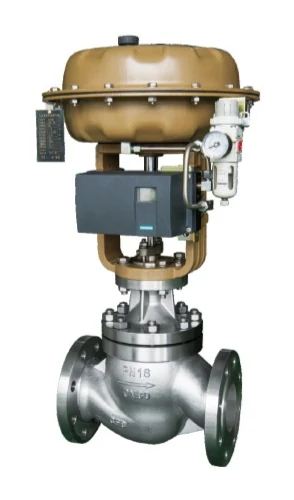
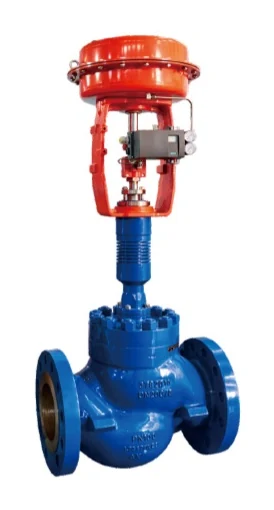
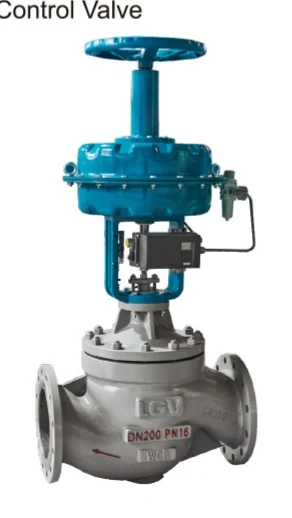
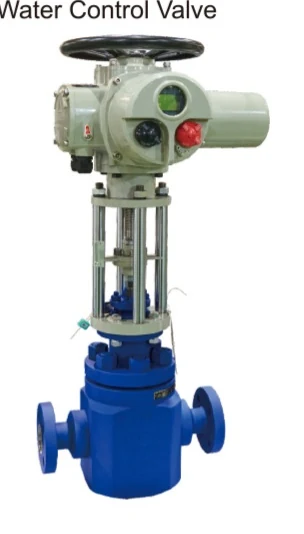
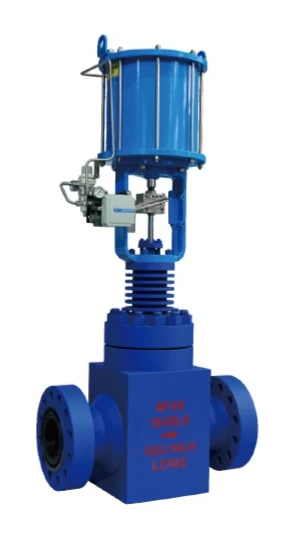
Browse electric and pneumatic control-valve configurations for flow, pressure and temperature duties. Start with the required operating cases, then choose a valve series or a catalog product for a configuration-specific review.
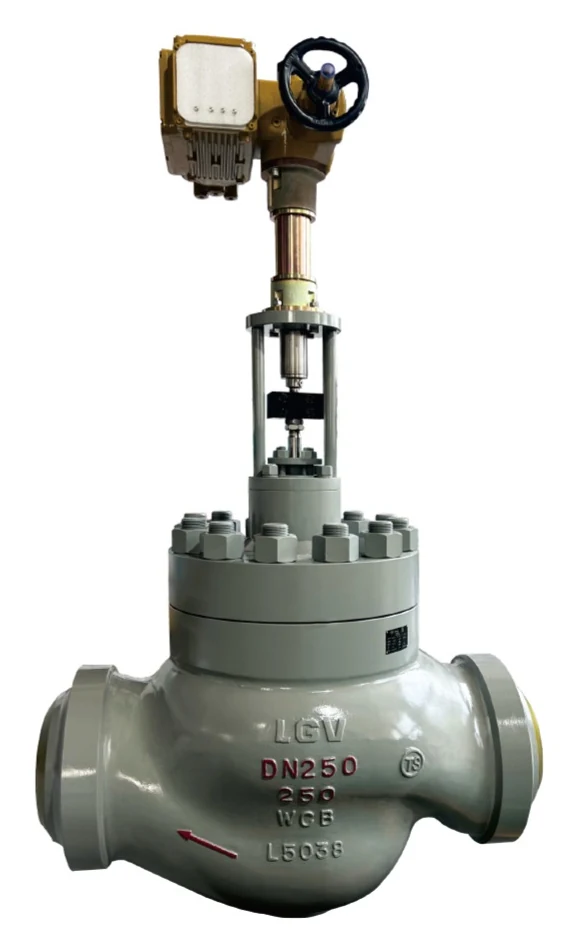
The catalog includes general-service, high-temperature, cryogenic, heater-drain and power-plant applications. A product name or photograph identifies a catalog route—not an approved Cv, pressure rating, material or actuator package.
Choose by valve flow path or the variable being controlled. The six series links describe different selection routes; individual model configurations and performance must still be checked against the actual duty.
Browse the catalog entries below or search by product name. The images are matched to the supplier catalog; select a model page for its identified item, then request a datasheet and sizing basis for the exact configuration. A catalog image does not establish ratings or available options.
Do not size a control valve from pipe diameter alone
A valve that matches the pipe connection may still have too much capacity at minimum flow or too little usable capacity at maximum duty. Evaluate the minimum, normal and maximum flow with the corresponding inlet and outlet pressures, then review the selected trim’s installed travel and controllability. Connection size is a mechanical input, not a substitute for sizing.
Flow control: check the low-flow case
If normal operation would hold an oversized trim near its seat, investigate a smaller trim, an alternative valve size or another control arrangement before purchase. The choice depends on the calculated cases and available trim data, not a fixed percentage of travel.
Pressure or temperature: define the loop
Identify the sensor location, controlled variable, expected disturbances and control signal. A valve used to modulate pressure in a controlled loop is not automatically the same product as a self-acting pressure regulator.
Check the neighboring categories
For pilot-operated water-network functions, browse صمامات تحكم هيدروليكية. For a dedicated downstream-pressure reduction duty, compare صمامات تخفيض الضغط. Keep the requested function and actuation method explicit; similarly named valves are not automatically interchangeable.
Process data for a sizing review
What to include in a control-valve sizing request
Supply values with units for each operating case; do not pair maximum flow with an unrelated pressure condition. Where the data is incomplete, ask for a preliminary review rather than a confirmed valve size.
↔ مرر أفقياً لقراءة الجدول كاملاً
مجال القرار
Buyer inputs / supplier response
لماذا هي مهمة
Operating cases
Minimum, normal, maximum flow; startup or upset case if relevant, with flow units. For gas or vapor volumetric flow, state whether values are actual or standard and give the reference temperature and pressure for standard-volume values.
Sizing and usable trim travel need more than one duty point
Valve inlet and outlet pressures
P1 and P2 at each flow case, design pressure, liquid vapor pressure if applicable; identify gauge or absolute pressure basis for each reported value.
The valve pressure drop varies with the system and affects capacity, noise and cavitation
Fluid and temperature
Liquid, vapor or gas; composition, density, viscosity, solids; operating and design temperatures
Properties and phase influence sizing, materials and service review
Actuator and controls
Electric or pneumatic supply, signal, fail position, positioner, feedback and site conditions
Defines what must be supplied with the valve assembly
Mechanical interface
Nominal line size, end connections, allowable installation space and relevant standards/edition
Makes the mechanical and documentation scope quoteable
Sizing evidence requested
Ask the supplier to return calculated required Cv or Kv, proposed trim and rated capacity, expected travel at each operating case, and a severe-service assessment when applicable.
Allows engineering review before accepting the offered configuration
Duty-specific configurations
When the service changes, the control-valve review changes
The supplier catalog shows separate entries for cryogenic, high-temperature, heating-system, heater-drain and desuperheating duties. These are different applications, not evidence that one valve covers all of them.
Large liquid pressure drop
For a liquid, compare local pressure conditions with vapor pressure across every relevant case. Cavitation may occur when vapor bubbles form and subsequently collapse; sustained vapor after the restriction indicates flashing. Ask for a case-specific trim/noise/erosion review rather than assuming ordinary trim will be suitable.
Cryogenic and high-temperature duties
Specify the lowest and highest process and design temperatures, fluid and thermal cycling. Stem/bonnet arrangement, packing, trim, materials and qualification must be evaluated for the quoted model—not inferred from a cold- or hot-service photograph.
Power-plant and heating services
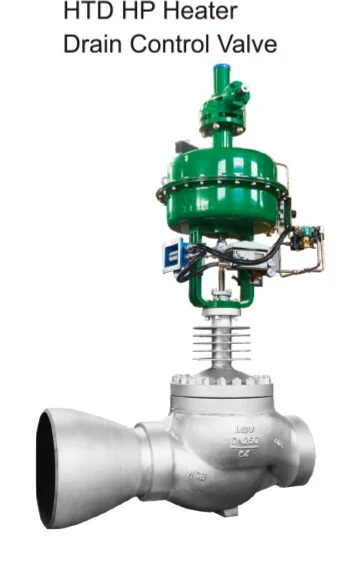
Heater drain, desuperheating water و heating-system entries serve different functions. Specify the actual medium, load range, pressure and temperature cases before choosing among them.
Actual catalog configurations
Electric and pneumatic actuation are different supply packages
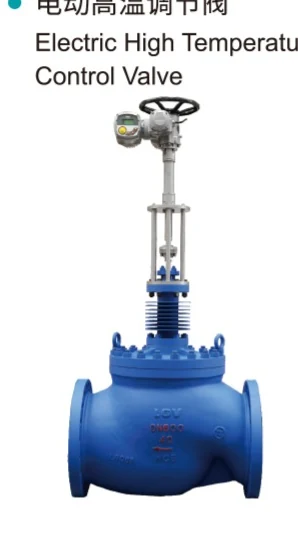
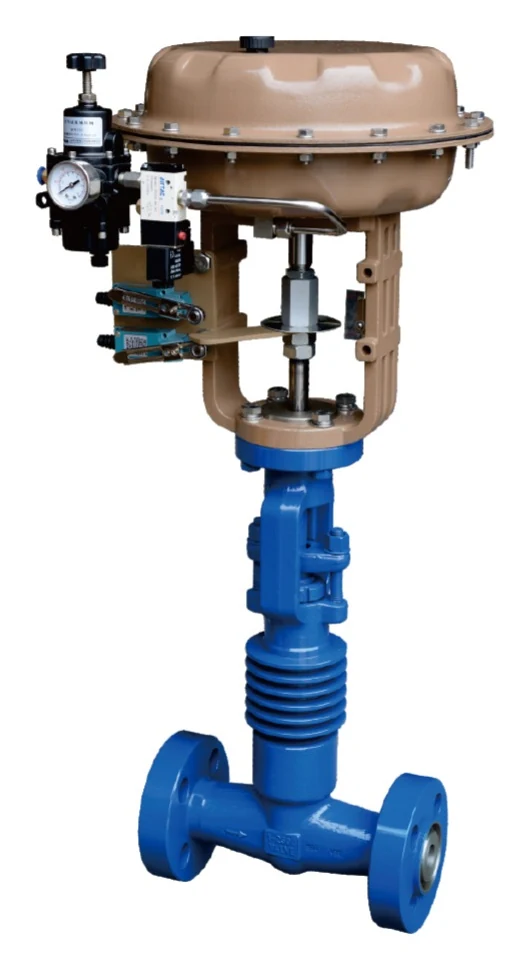
The product images below show an electric high-temperature control-valve example and a forged-steel pneumatic control-valve example from the supplier catalog. They illustrate distinct actuation arrangements, not default specifications for every model.
For an electric actuator
Specify the power supply, control input, feedback, required movement time and the expected action after loss of power. An electric-drive photo does not establish spring return or fail position.
For a pneumatic actuator
Define the available instrument-air range, minimum supply pressure, signal and required fail-open/fail-closed/other behavior. Include the positioner and accessories in the quoted scope if needed.
Approve the assembly, not the photo
Ask for the proposed valve and trim, actuator sizing, control accessories, pressure-temperature basis and a configuration drawing. Match these to the duty before issuing a purchase order.
Review the proposed configuration
What a technically useful quotation should show
A price for “DN100 pneumatic control valve” is not a complete engineering offer. Compare suppliers on whether they show the selected duty points, the proposed assembly and the documents needed to review it.
The sizing basis is visible
Request the sizing standard/method and required Cv or Kv, the selected trim and expected opening across operating cases, along with any assumptions. IEC 60534-2-1 covers installed-condition sizing equations for its specified fluid scope; it does not prove any offered model has been sized or tested.
The actuation scope is explicit
Confirm valve body, trim, actuator, positioner, solenoid, limit feedback and controls interface as applicable. Specify the process-based fail action and who supplies each accessory; do not treat illustrated components as standard inclusion.
Documents match the quoted item
Request the model datasheet, outline/end-connection dimensions, pressure-temperature and material basis, test criteria and any specified inspection records. Availability and exact standards editions should be confirmed in the offer.
Related product and project information
Other routes for your purchasing review
Use the broader valve catalog for different operating functions. Application notes and company information can support your inquiry, but do not replace a control-valve datasheet or project-specific evidence.
Share the operating conditions you already know; missing values can be marked for follow-up. Provide units and distinguish design limits from operating cases. If available, attach the P&ID, line specification and required drawing or inspection documents.
Minimum, normal and maximum flow with units; for gas/vapor volumetric flow, specify actual or standard basis and reference temperature/pressure
Corresponding inlet/outlet and design pressures, each identified as gauge or absolute
Operating and design temperature range with units
Medium, phase and applicable fluid properties
Line size, end connections and preferred materials
Actuation utilities, control signal, fail action and cycle duty
Governing project specification and standards editions
Required datasheet, drawing, sizing and inspection documents