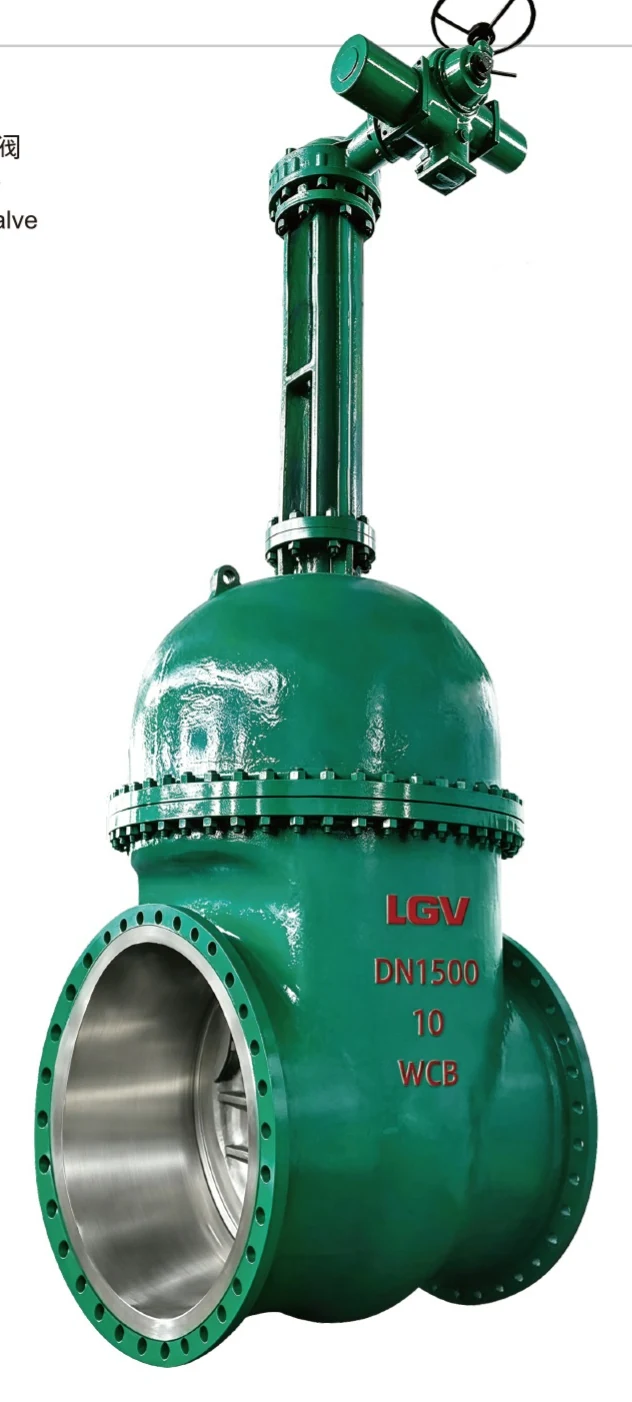
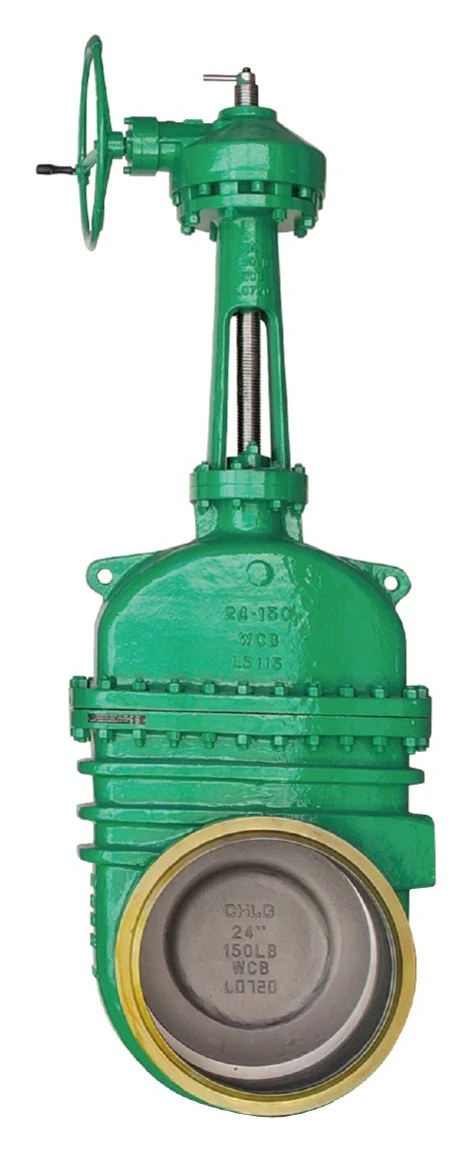
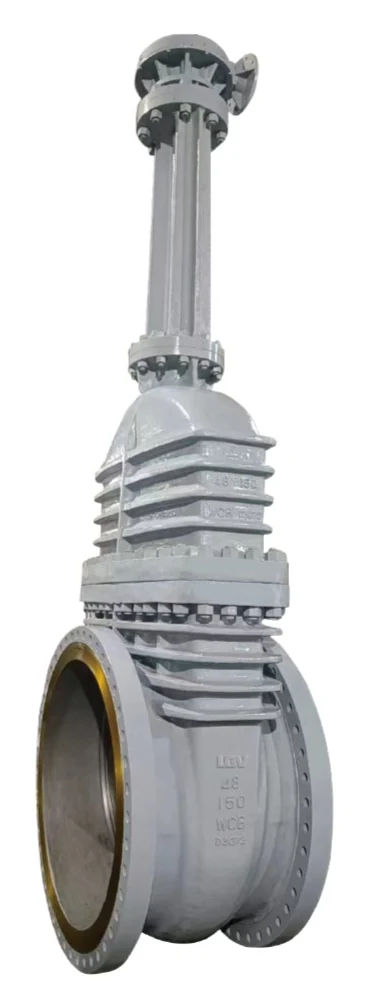
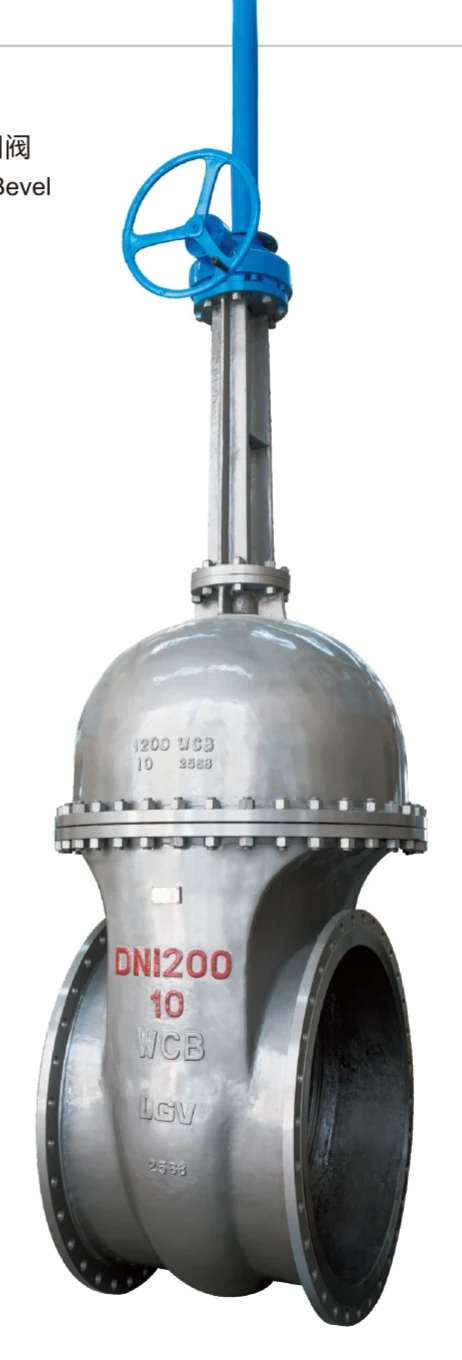
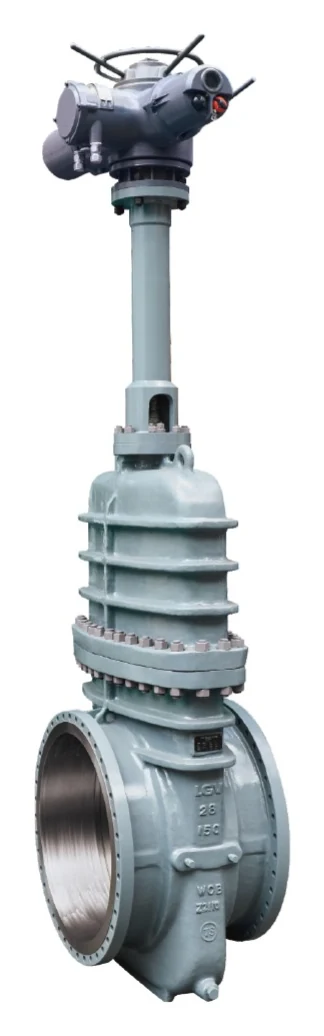
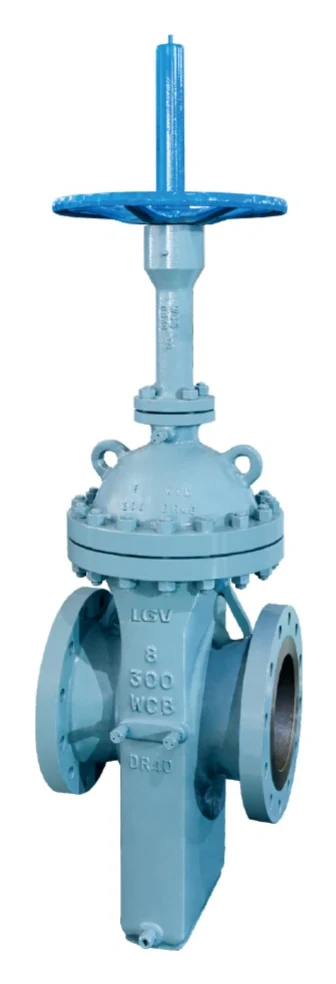
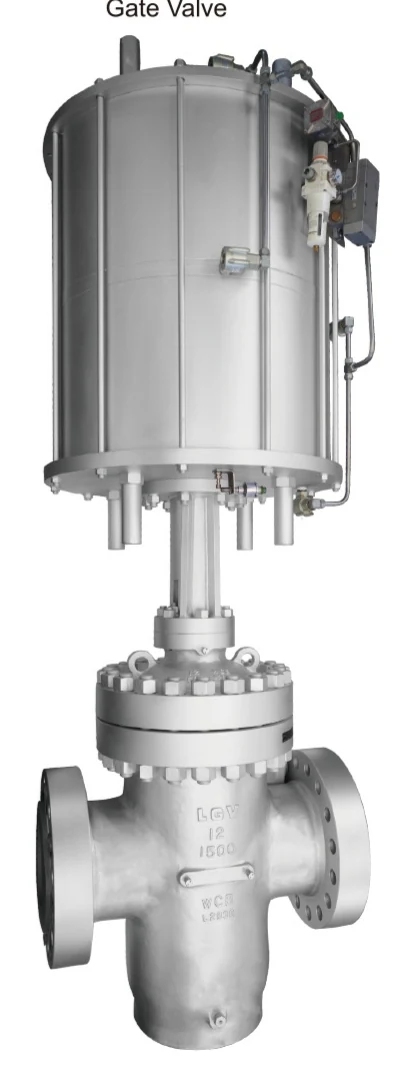
صمامات البوابة / العزل الصناعي
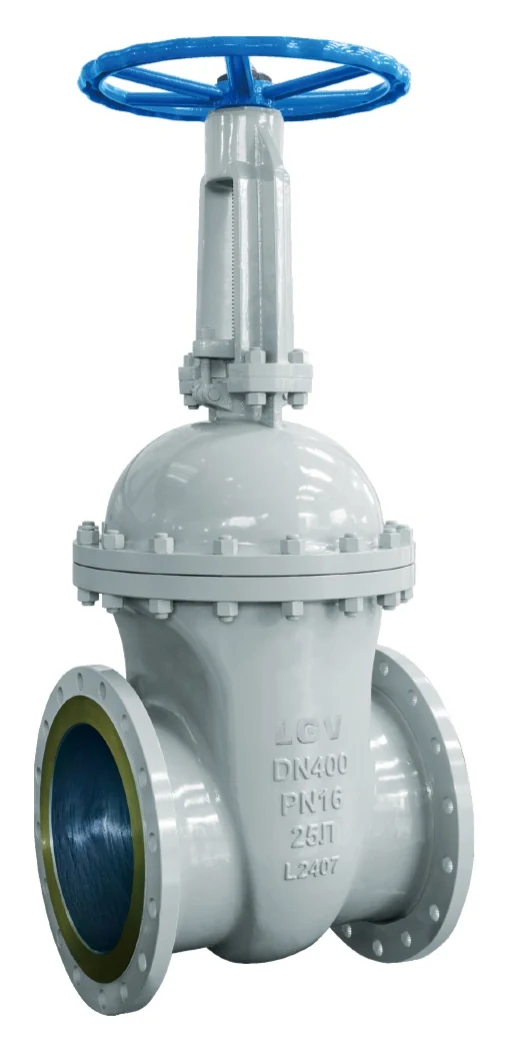
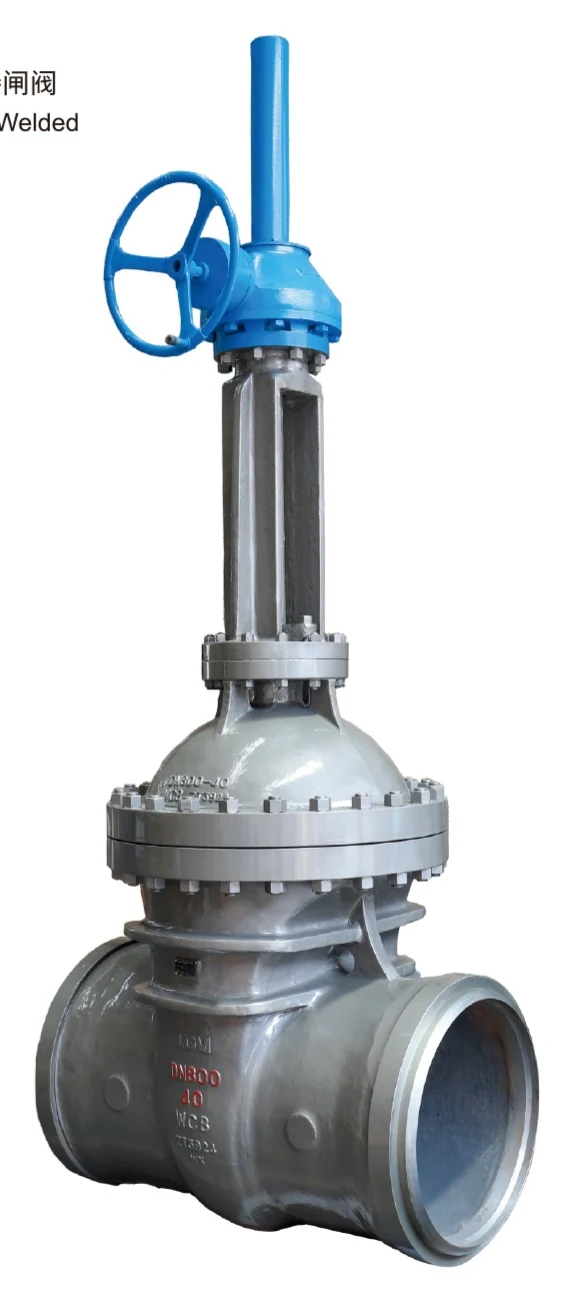
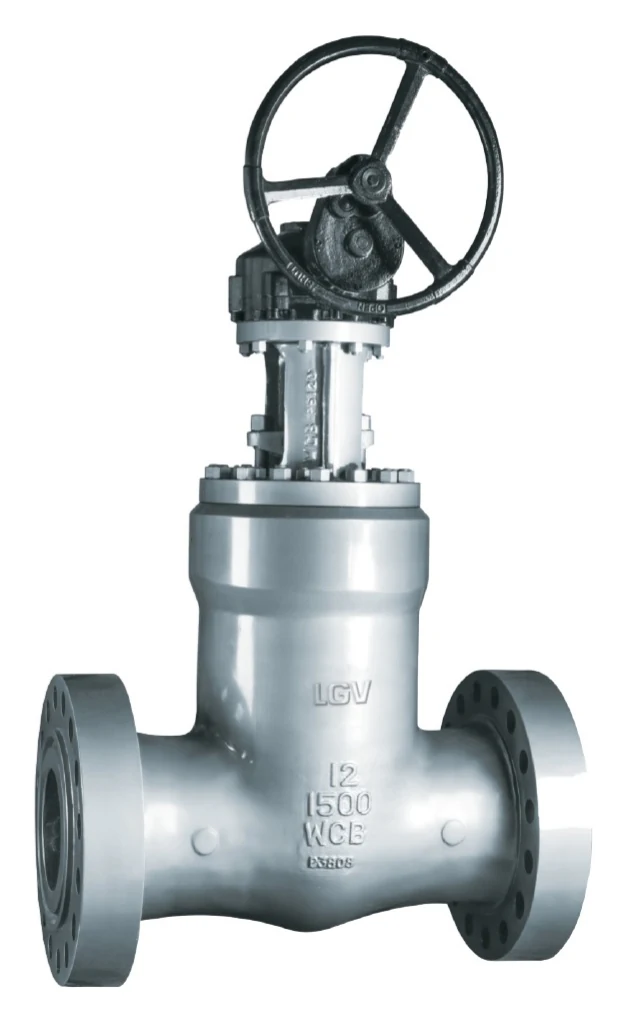
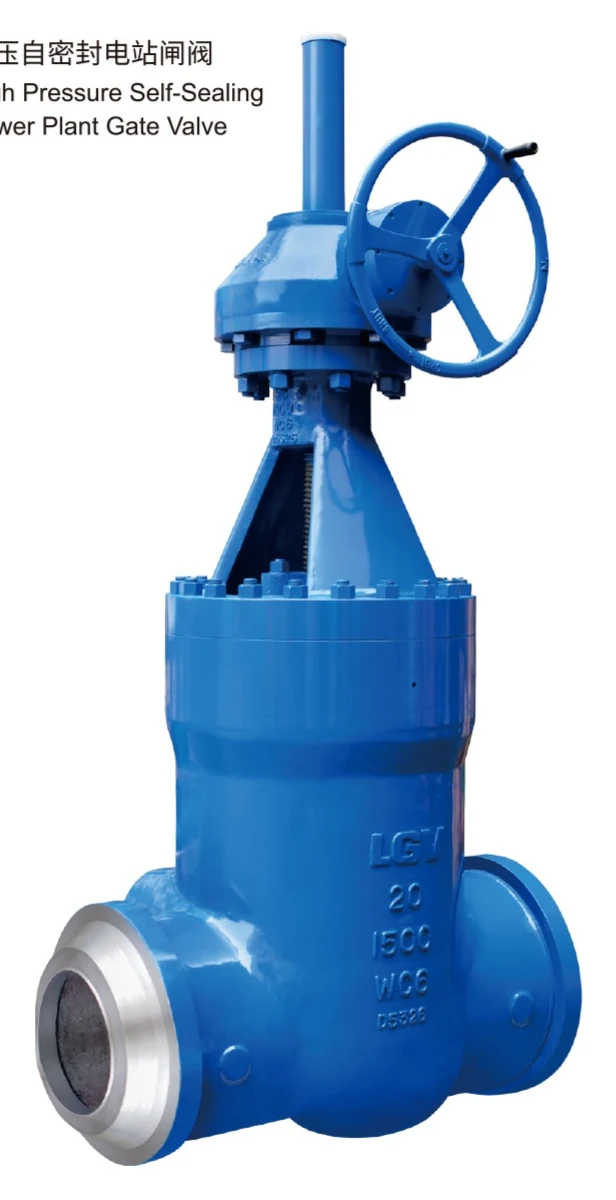
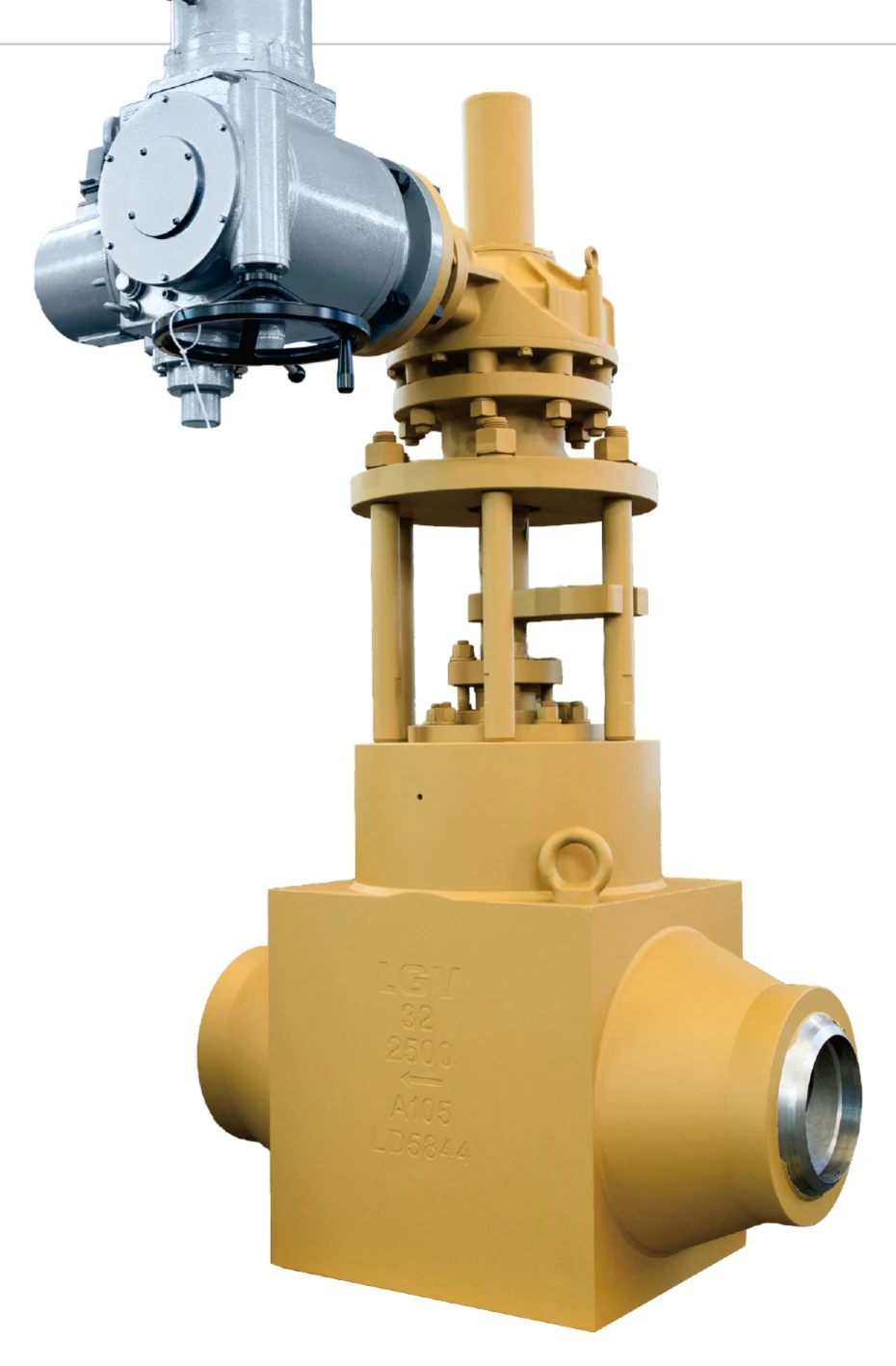
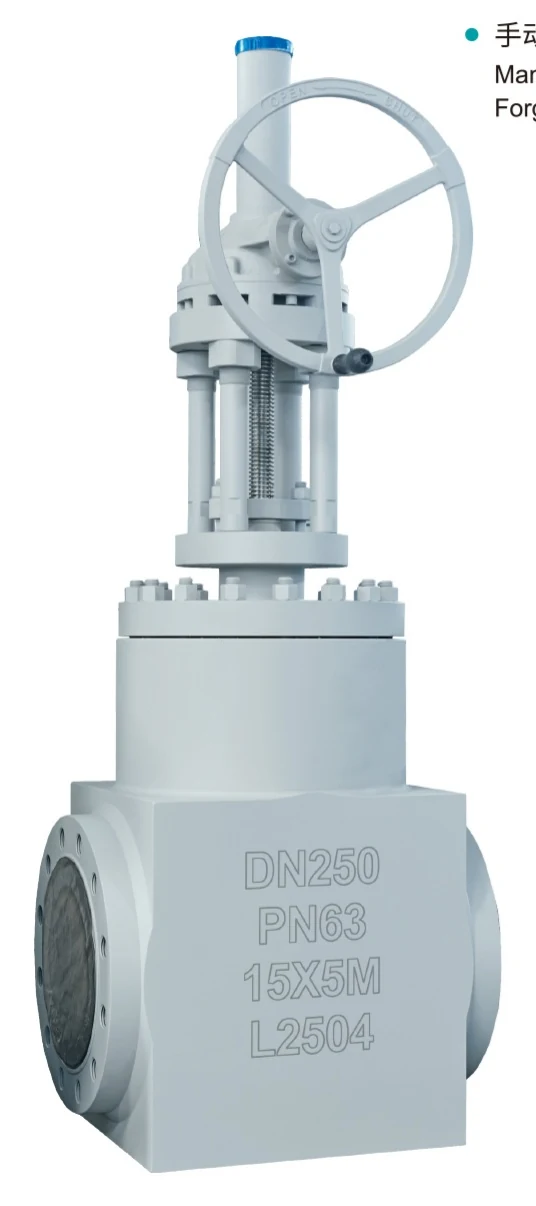
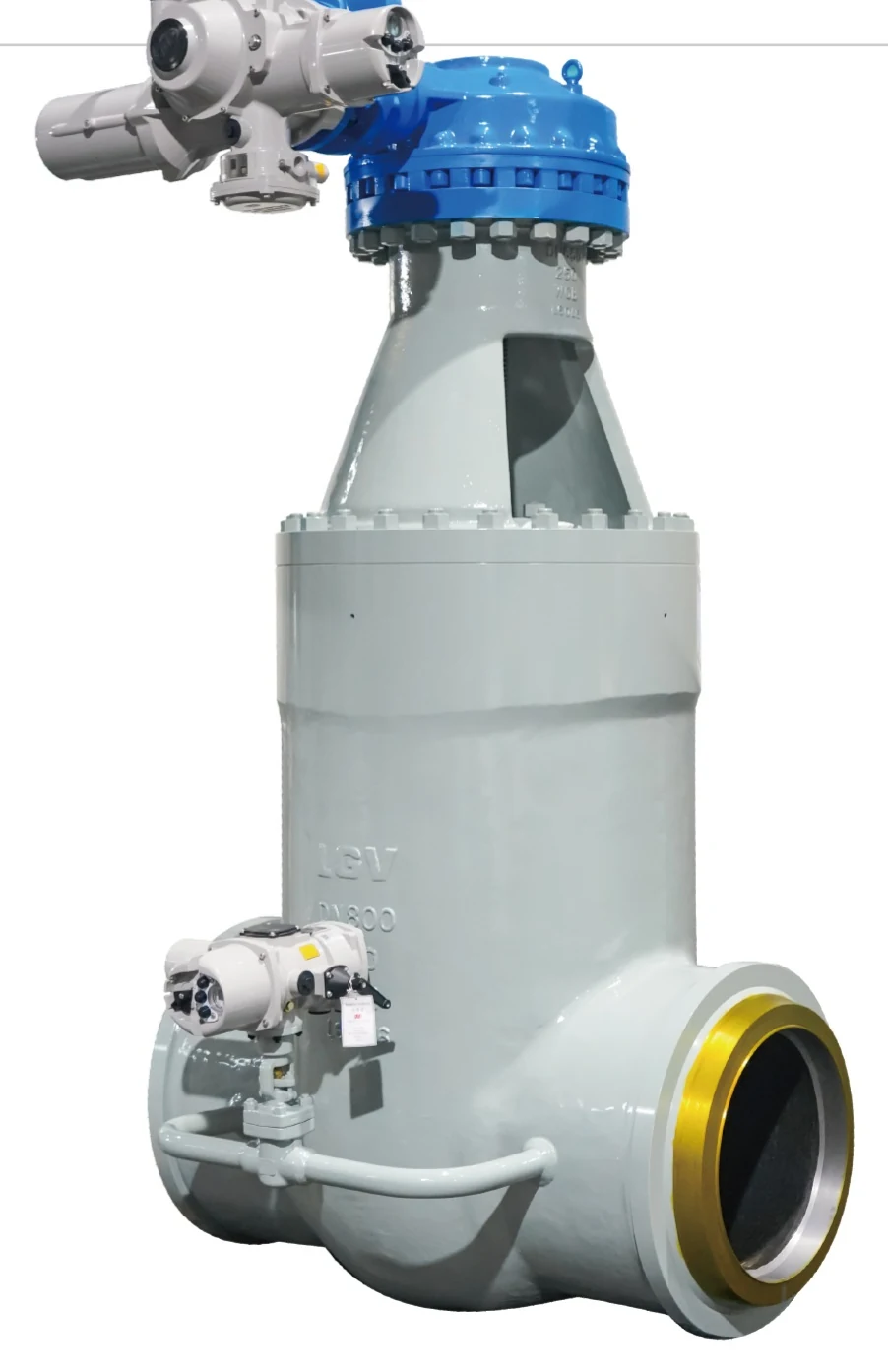
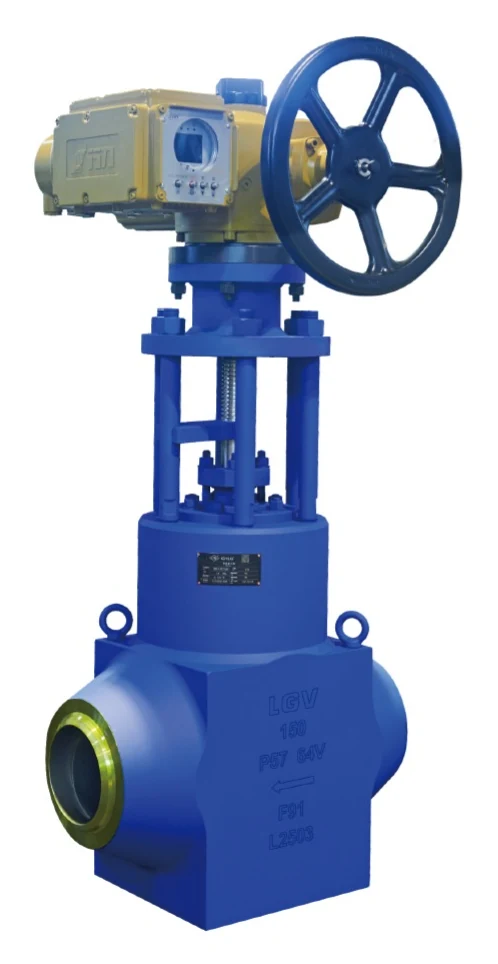
تصفح تكوينات صمامات البوابة من نوع الإسفين ومانع التسرب بالضغط ومانع التسرب بالمنفاخ والبوابة الصفيحية للعزل الصناعي. ابدأ من الخدمة المطلوبة، ثم افتح بطاقة المنتج المطابقة للتحقق من بنيتها وطلب عرض سعر خاص بالتكوين.
ابدأ من هنا: لخدمة الفتح والإغلاق المتقطعة، حدد أولاً نطاق الضغط ودرجة الحرارة والمائع ونهايات التوصيل. استخدم مجموعات المنتجات أدناه لتضييق نطاق البنية وترتيب الساق والتشغيل.
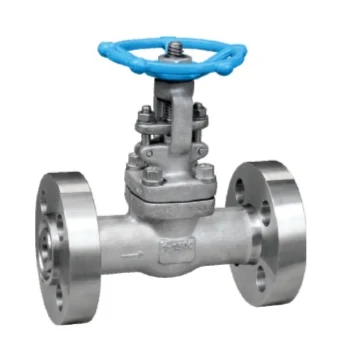
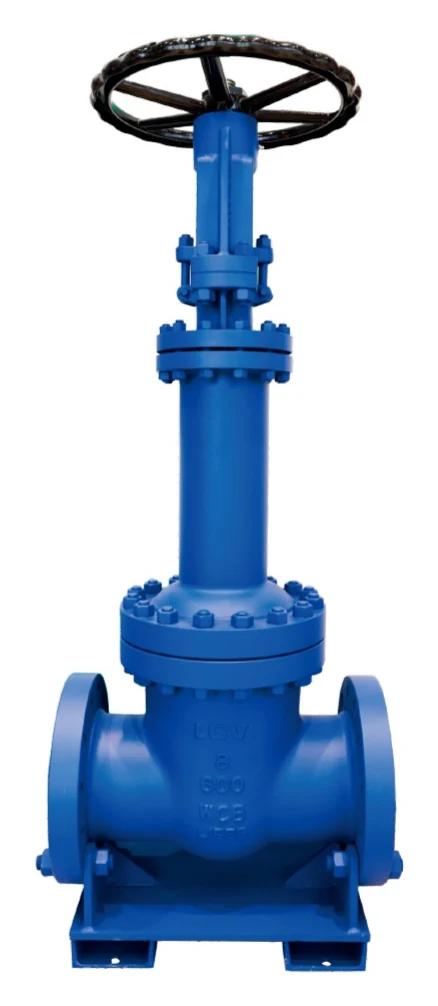
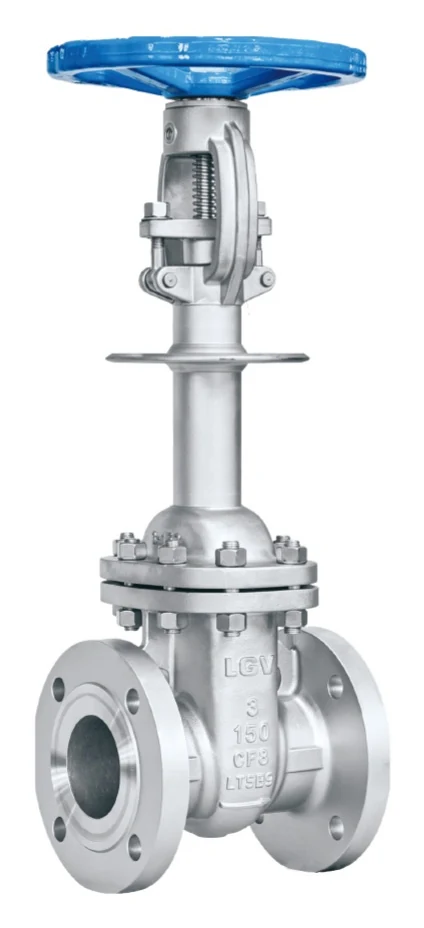
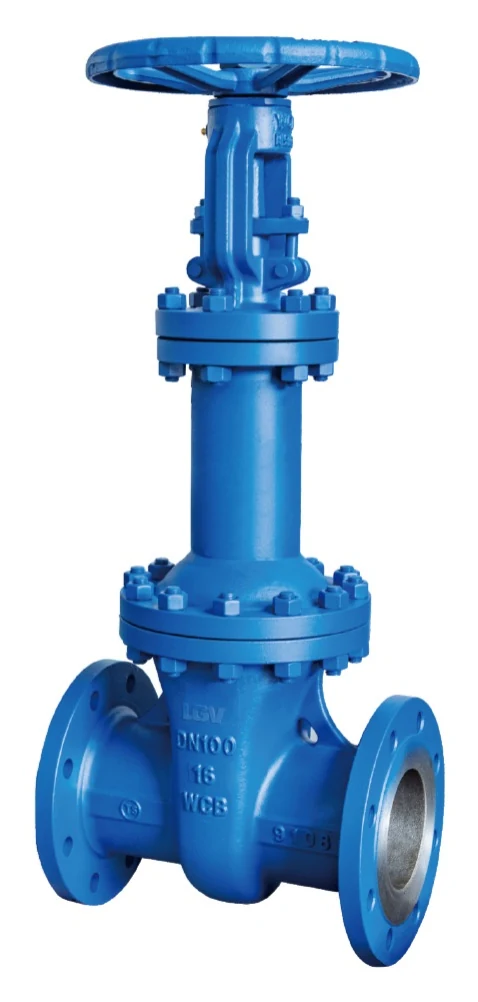
اختر حسب البنية أو متطلب التشغيل. ترتبط أسماء المنتجات ببطاقات الكتالوج الفردية؛ ويجب تحديد المقاسات المتاحة والمواد وتصنيفات الضغط ودرجة الحرارة والاختبارات للتكوين المطلوب.
تصفح حسب النوع: عام والتشغيل · مانع التسرب بالضغط والطاقة · التطبيقات المبردة والمواد · أنواع البوابة الصفيحية · إدخالات متعلقة بالتحكم
قارن بين أطراف التوصيل وخلوص الساق وترتيبات التشغيل قبل اختيار تصميم إغلاق محدد؛ فاسم الكتالوج لا يثبت تصنيفًا عالميًا.
غطاء الصمام ذاتي الختم بالضغط خيار إنشائي وليس تصنيف ضغط شامل. تحقق من المادة المصنفة وظروف التصميم والمشغل والمواصفة الحاكمة.
Low-temperature construction, stem sealing and special alloys address different service conditions. Select the individual entry according to temperature, fluid and required documents.
Differentiate slab design, bore requirement and manual or powered operation. Do not assume a catalog label alone establishes piggability.
These names originate from control-related catalog entries. Confirm the actual closure element, drawing and operating sequence before specifying isolation service.
CHOOSING THE RIGHT GATE CONSTRUCTION
A gate valve is generally a line-isolation valve, not a routine throttling valve: prolonged partial opening can accelerate local wear and instability. If the duty needs frequent flow modulation, compare a suitable مصنف للخنق or control valve instead. For on/off service, the three distinctions below direct your first product search.
Start with a wedge-type gate for conventional shutoff where the piping and operating duty allow it. Examine a slab gate when pipeline bore geometry or isolation practice calls for one; a slab label by itself does not establish piggability or a full-bore passage. Confirm those features in the drawing.
A rising stem gives visible travel indication but needs overhead clearance. A non-rising design reduces the external stroke envelope, while position indication and stem-thread exposure depend on construction. For buried or low-headroom installations, request the exact stem drawing and operating arrangement.
Do not choose electric actuation from nominal diameter alone. Required stem thrust or torque, maximum differential pressure during opening, duty frequency and available power determine the operator. Use manual/gear arrangements when the duty and accessibility permit; use powered actuation where remote operation or defined travel time is necessary.
SERVICE ROUTES
The same nominal size may require a different body, wedge, bonnet, stem seal and operator depending on service. These routes help narrow the catalog before comparing product details.
For water networks, first identify pipe diameter, maximum differential pressure and frequency of operation. Confirm the required seat/lining system, end connection and site access; a generic steel wedge valve is not interchangeable with every resilient-seated or buried-service design.
If pig passage or bore continuity is important, investigate slab gate configurations and require an actual bore drawing. For remote or buried operation, specify stem extension, gearing, actuator access and isolation sequence; do not infer these from the product name.
For high-temperature or high-pressure service, compare pressure-seal or other specified bonnet constructions with the rated material at operating temperature; the pressure class alone is insufficient. For cryogenic duty, discuss bonnet extension, packing temperature, material toughness and the applicable test/document requirements.
SPECIFICATION / RFQ
A product entry identifies a design route; it is not a complete specification. Send the known operating case and request confirmation of the design features that affect installation, pressure integrity and operation.
| مجال القرار | ما الذي يجب تقديمه | ما الذي يغيّره |
|---|---|---|
| Service and shutoff | Fluid, solids/cleanliness, required leakage performance, isolation or emergency duty | Rules out routine throttling; directs seat, wedge or slab and testing discussion |
| الضغط ودرجة الحرارة | Design and operating pressure; minimum, normal and maximum temperature | Requires matching body material and pressure-temperature rating, not class alone |
| Connections and passage | Nominal size, flange standard/facing or weld-end prep; bore or pigging requirement | Avoids face-to-face, gasket, welding and bore mismatch |
| Construction and operation | Wedge/slab, bonnet and stem preference; headroom; manual, gear, pneumatic or electric | Defines service fit, operating envelope and actuator sizing inputs |
| Project verification | Applicable standard and edition; drawings; test, material and inspection records requested | Separates specification and order acceptance from catalog shorthand |
WHAT TO EXPECT IN A TECHNICAL OFFER
Before comparing quotations, distinguish documented catalog identity from the offered assembly. The supplier should identify the governing construction, pressure boundary and test/document scope for the selected product—not present a generic catalog photo as a complete datasheet.
Compare the proposed body, bonnet, stem, wedge/seat materials, applicable standard and edition. For pressure-bearing valves, verify the allowable pressure at the actual design temperature rather than treating a Class number as a fixed pressure.
Request overall and face-to-face dimensions, end details, stem travel and, where powered, operator sizing basis and electrical/pneumatic interface. Verify required opening/closing time and access constraints before approving the arrangement.
State the required pressure/seat tests, material documents, witness hold points and packing identification in the purchase specification. Ask which records will be supplied for the quoted model and purchase order; a catalog listing is not proof that those records have been issued.
RELATED VALVE ROUTES
Need regulation rather than isolation? Explore صمامات غلوب. Handling slurry or fibrous solids? Compare the separate knife gate valve family before returning to this catalog.
Compare other valve families when the shutoff function or operating constraints change.
Review service context for water, power, chemical or pipeline projects.
Read the company’s published process overview; request order-specific evidence separately.
Use technical comparisons for the operating principle; obtain product-specific documentation during quotation.
GATE VALVE INQUIRY
Send the available pipe and operating data, relevant specification or drawing, and the gate valve entries you are considering. Identify unknown items rather than guessing. VALMORA can then discuss the required construction and quote scope against your request.