
Выбор высокоэффективного дискового поворотного затвора
Дисковые поворотные затворы повышенной эффективности
В высокоэффективных дисковых поворотных затворах обычно применяется двухэксцентриковая геометрия диска и вала для снижения трения по седлу при открытии. Они могут подходить для режимов с более высокими требованиями к герметичности отключения, цикличности или температуре, чем обычный концентрический затвор, но пригодность определяется фактическим седлом и рейтингом давление-температура, а не названием продукта.
Используйте эту страницу серии, чтобы определить режим работы и отобрать нужную конструкцию. Трёхэксцентриковая конструкция, как правило, с седлом, прижимаемым крутящим моментом, — это отдельный маршрут выбора когда указанные условия эксплуатации этого требуют.
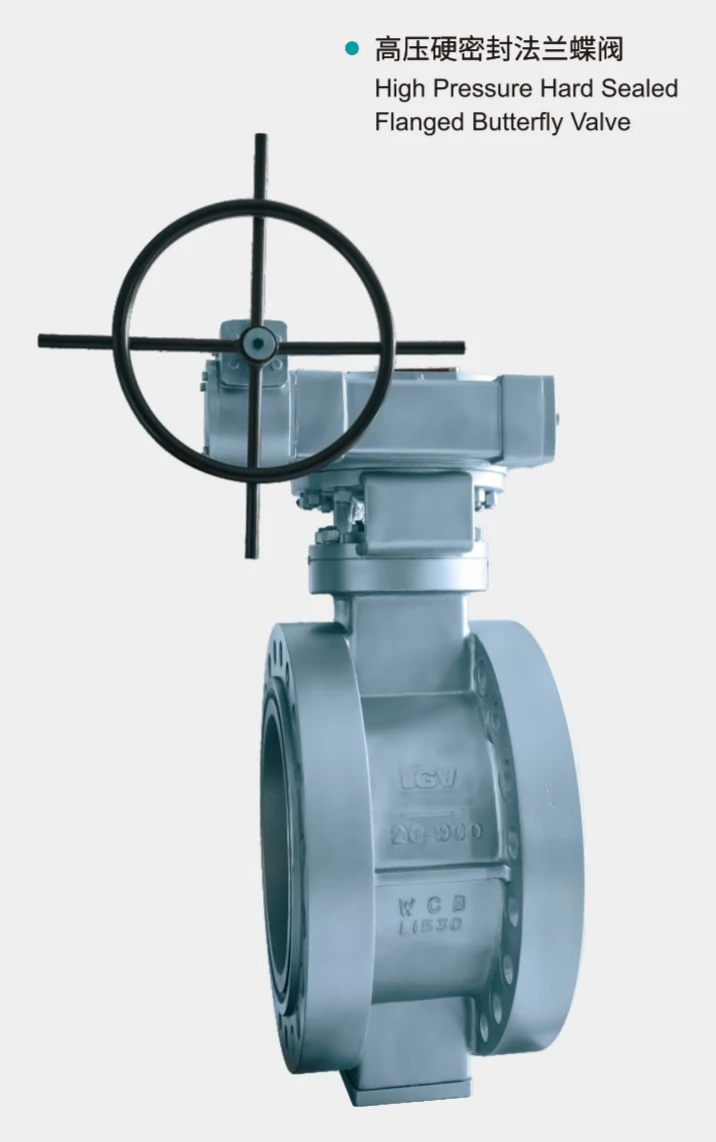
Изображённый продукт: Фланцевый дисковый поворотный затвор высокого давления с твёрдым уплотнением седла (страница каталога 97). Фотография идентифицирует данную позицию; эксцентриситетная геометрия, рейтинг давления, конструкция седла и испытание на герметичность отключения всё ещё должны быть подтверждены для предлагаемой модели.
ВЫБОР КОНСТРУКЦИИ
Где применяются двухэксцентриковые высокоэффективные затворы
Первое решение — это герметичность затвора: обычный концентрический затвор может оставаться более простым выбором, когда его документально подтверждённые пределы по седлу, герметичности и давлению-температуре соответствуют условиям эксплуатации. Двухэксцентриковая конструкция становится целесообразной для оценки, когда важно снижение контакта седла при циклическом срабатывании или более требовательные условия эксплуатации. Если заданная температура или требование к герметичности выходят за рамки доступной конструкции седла, следует сравнить отдельно заданную трёхэксцентриковую конструкцию, а не предполагать, что более высокий класс давления решит проблему уплотнения.
Доступные страницы каталога не содержат таблицы номинальных характеристик двухэксцентриковой модели. До фиксации спецификации получите предлагаемый чертёж, конструкцию седла и данные по давлению-температуре.
| Конструктивное решение | Когда включать в шорт-лист | Решение, которое необходимо проверить |
|---|---|---|
| Концентрический, с эластомерным седлом | Общее отключение, когда заданная среда, давление, температура и циклическое срабатывание находятся в пределах опубликованных ограничений этого затвора. | Совместимость с эластомером, диапазон давления-температуры, герметичность затвора и посадка фланца/диска. Перейти к семейству дисковых поворотных затворов. |
| Высокоэффективный, обычно двухэксцентриковый | Частое циклическое срабатывание или условия, требующие иной схемы седла/уплотнения и уменьшенного контакта диска с седлом при перемещении. | Подтвердите фактическую геометрию эксцентриситета, материалы седла и сальникового уплотнения, номинальные параметры при рабочей температуре, направление перекрытия потока и требуемое испытание на герметичность. |
| Трёхэксцентриковые, отдельная серия | Рассмотрите, где для заданных условий необходима надлежащим образом спроектированная конструкция с уплотнением по крутящему моменту, часто с металлическим седлом. | Запрашивайте отдельную документацию на давление-температуру, испытания и комплектацию затвора; это не синоним и не автоматическое улучшение для любых условий эксплуатации. Обзор трёхэксцентриковых затворов. |
ФОТОГРАФИИ КАТАЛОГА И ТОЧНЫЕ МАРШРУТЫ ПРОДУКЦИИ
Что показывает каталог — и что не показывает
Фотографии в каталоге помогают определить корпус, привод и тип обслуживания; они не могут подтвердить номинальные параметры давление-температура или испытание на герметичность. Перед выбором конфигурации для изоляции технологического процесса сравните фланцевый затвор с твёрдым уплотнением с явно отличающимся вентиляционным затвором ниже.
Страница 97 каталога. A named flanged, hard-sealed butterfly valve. Its caption does not specify double-offset geometry, exact seat materials, allowable pressure at temperature or shutoff test. Request its product-level information before using it in a high-performance comparison.
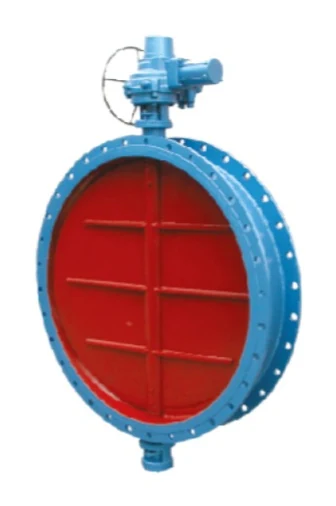
Catalog page 99. This blue-and-red valve is for ventilation service and is not a triple-offset wafer valve. Do not substitute it for a process-isolation valve unless the exact product is demonstrated to meet the specified pressure, temperature and shutoff criteria.
Need a documented triple-offset configuration instead? Review the separate triple-offset series or the individually named electric fully welded и metal-to-metal wafer products. Those links identify other catalog records; their specifications are not transferable to this series.
APPLICATION FIT
Three service conditions that change the choice
High-performance is a design-selection term, not a universal pressure or temperature rating. Each case below changes the question to ask of an actual offered valve.
Repeated operation and tight isolation
When the valve cycles often, reduced seat rubbing may favor a suitable double-offset design. Compare the stated cycle duty, required leakage level and allowable differential pressure; do not assume a catalog photograph proves cycle life.
Hot or thermally cycling service
Check the seat, packing and body rating at both normal and upset temperatures. If the proposed seat system cannot meet the specified temperature, exclude that configuration and evaluate another documented seat design or the triple-offset route.
Automated isolation or modulating duty
For automated on/off duty, size the actuator against the offered valve’s required torque over the full stroke, not only breakaway and seating torque. Check running and dynamic torque at the governing flow and differential-pressure conditions, available actuator output, required fail action, stroke time, and the supplier’s specified sizing allowance. For throttling, request the valve’s control characteristic, allowable operating range, and matching actuator/positioner performance rather than assuming that an on/off butterfly valve is suitable for control.
AVOID WRONG CONFIGURATIONS
Four mistakes to prevent before quotation
These errors change the specified hardware or the acceptance basis, rather than merely changing the wording of the inquiry.
- Using “high performance” instead of a model-specific seat and pressure-temperature rating
- Assuming the gray hard-sealed flanged catalog image proves double-offset construction
- Claiming bidirectional tight shutoff, fire-safe status or a leakage class without an applicable test basis
- Ignoring flange drilling, face-to-face dimension and disc sweep clearance before installation
SPECIFICATION QUESTIONS
Before you approve a high-performance valve quote
Use these answers with the specific offered drawing, seat details and test documents; a series label or a catalog image is not an orderable configuration.
What project data is needed to specify High Performance Butterfly Valves?
State the isolation or throttling duty, line size, pressure and temperature cases, shutoff expectation, disc/seat compatibility, flange interface, flow direction and actuation method.
Does the High Performance Butterfly Valves series name define every available size, pressure class and material?
No. A series name identifies a documented butterfly valve selection route, but the orderable size, rating, material, connection, standard and operating limits must be confirmed on the offered datasheet and approved order drawing.
How should buyers compare products within the High Performance Butterfly Valves series?
Compare body pattern, offset concept, seat and disc materials, face-to-face and flange interfaces, pressure-temperature envelope, operating torque and maintenance access.
Which documents should be requested before order approval?
Request the offered datasheet, general arrangement or dimensional drawing, material and trim schedule, applicable inspection and test plan, required certificates, marking details and the final order-specific document list.
CONFIGURATION REQUEST
Send the service conditions for a valve match
Tell us whether you need on/off isolation or throttling, and whether a high-performance double-offset design is required or only being considered. Attach a valve schedule if available; unknown fields may be left for technical clarification. A review should return a named proposed configuration with its rating, sealing, connection and document basis.
- Preferred design (if any) and whether alternatives are permitted
- Design, normal and upset pressure-temperature cases; maximum shutoff differential
- Medium, composition, phase and solids where relevant
- Nominal size, end connection and installation orientation
- On/off or throttling duty, cycling frequency, actuator/fail-action needs
- Applicable project specification and required standards
- Required shutoff direction, leakage test, drawings and inspection documents
- Unknown fields clearly marked for technical confirmation