
Industrial valve category
Industrial Plug Valves
Plug valves use a rotating plug to open or block a flow passage. For industrial isolation or a specified diversion duty, the right choice depends on the sealing system, fluid, differential pressure and port arrangement—not the valve name alone.
Начинайте с Plug Valve catalog entry or the Lubricated Plug Valves series; define the service conditions before selecting the exact construction.
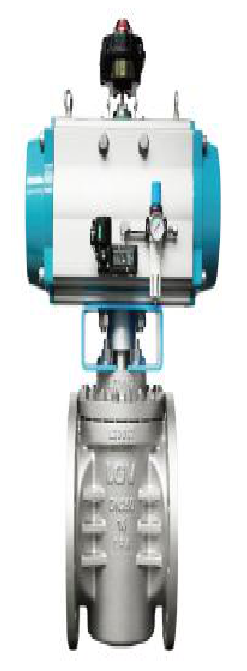
Plug valve · supplier catalog image
Explore the plug valve product routes
Open the Plug Valve catalog entry to discuss the body, port and operator configuration. If a sealant-based design fits the duty, use the Lubricated Plug Valves series to focus the review on compound compatibility and maintenance. Request a dimensioned data sheet for the exact offer.
Sealing-system route
When to review the lubricated series
Use this series when injected sealing compound is acceptable in the process and servicing access is practical. The quotation should identify the sealant system, body and plug construction, size and pressure-temperature limits for the exact valve.
Choose the sealing approach
Start with the seal, not the operator
For a basic shutoff duty, first decide whether injected sealing compound is permitted. That single requirement can exclude a lubricated design before time is spent comparing sizes or actuators. Other plug-valve constructions may need a separate technical review; the catalog entry does not establish their availability.
Lubricated sealing
Shortlist this approach only if the chosen sealant is compatible with the fluid and its possible contact with the line is acceptable. Check sealant injection access and servicing intervals for the actual duty. If product contamination rules forbid injected sealant, do not select this route.
Non-lubricated, sleeved or lined
Where injected sealant is unacceptable, investigate a documented non-lubricated design. A sleeve or lining must be qualified against chemical concentration, operating temperature, pressure, cycling and possible permeation or deformation; material name alone is insufficient.
Solids, ports and seat motion
For abrasive or settling solids, review the open-port geometry, potential pockets and seat contact. An eccentric plug design can be relevant to some sludge services, but it is not interchangeable with a conventional lubricated plug valve. For diversion, request an exact port-position flow diagram rather than assuming every plug valve is multiport.
Engineering specification
What changes the selection or the quote?
Use these inputs to narrow the design and obtain a comparable offer. Exact size, pressure-temperature limits and operating torque depend on the selected construction; request the matching dimensioned drawing and data sheet.
| Решение | Inputs to provide | How it changes the selection |
|---|---|---|
| Sealing method | Can sealing compound contact the process? Is maintenance access available? | If no, remove lubricated designs from the shortlist; ask for a compatible alternative and its construction drawing. |
| Fluid and solids | Chemical composition and concentration; viscosity across operating temperatures; solids type, size and loading. | Abrasion, settling or sticky deposits can change port, seat and cleaning requirements. Do not assume all plug valves tolerate slurry. |
| Shutoff and operator | Maximum differential pressure at opening and closure, pressure direction, duty cycle and required shutoff. | Request the valve maker's torque basis for the worst case before sizing a hand lever, gearbox or actuator. |
| Давление и температура | Minimum, normal, maximum and upset pressures/temperatures; pipe size and end standard. | Check the offered body, stem and sealing materials against the complete envelope; a nominal Class alone is not a temperature-independent pressure limit. |
| Flow path and dimensions | Two-way or diversion positions, permitted leakage, bore, end connections, face-to-face and orientation. | Match flow-path logic, pressure drop and installation envelope to the supplied sectional and dimensional drawings. |
| Proof for the offer | Valve data sheet, dimensions, material record expectations, pressure/leak tests, applicable codes and editions. | Specify the exact documents and acceptance criteria in the inquiry; do not treat a product-family listing as a test certificate. |
Условия эксплуатации
Three services that demand different checks
A valve that isolates a clean liquid is not automatically suitable for a corrosive stream, a viscous slurry or a multi-position diverter. Make the service requirement explicit before requesting a model.
Corrosive chemicals
A compatible sleeve or lining may be useful when the process cannot tolerate sealing compound, but its concentration and temperature limits, exposed wetted surfaces and cycling behavior must be demonstrated for the offered design.
Viscous or solids-bearing media
If solids may settle in a cavity or abrade a sealing surface, ask for the port section and seat movement. Consider an eccentric design only where its materials, solids passage and shutoff duty can be qualified for the specific fluid.
Diversion between lines
State each required operating position and show which outlets must be open or blocked. A two-way plug cannot substitute for a specified multiport flow path; confirm travel limits and sealing between ports.
Explore the wider catalog
More context for your valve schedule
Compare neighboring valve families or review the application, quality and technical resource pages before finalizing the project brief.
All valve products
Compare other shutoff and control valve families when plug geometry or maintenance is a poor fit.
Отраслевое применение
Start with the duty and operating environment, then narrow down valve construction.
Manufacturing & quality
Review published company information; request configuration-specific inspections separately.
Технические материалы
Find supporting explanations for the valve schedule and engineering review.
Технический запрос
Request a defined plug valve configuration
Share the service data you have, including whether a lubricated design is acceptable and how the valve will be operated. Ask for a matching valve datasheet and drawings before agreeing on size, material, sealing arrangement or actuator. Unknown inputs can be identified for review rather than guessed.
- Fluid, composition and solids or viscosity
- Normal and maximum operating pressure; shutoff differential
- Minimum, normal and maximum temperatures
- Nominal size, bore, end connection and face-to-face
- Isolation or diversion duty, positions and cycling
- Sealant permitted? Maintenance and leakage requirements
- Manual or powered operator; failure position, if applicable
- Required code, edition, drawings, tests and records