
PTFE-ausgekleidete Produktserie
Ausgekleidete & korrosionsbeständige Armaturen
Vergleichen Sie kataloggelistete PTFE-ausgekleidete Kugelhähne, Absperrklappen, Absperrventile und Absperrschieber für korrosive Prozessaufgaben. Beginnen Sie mit der Ventilfunktion und den vollständigen Fluidbedingungen; prüfen Sie anschließend die genaue medienberührte Konstruktion, Grenzwerte und Dokumente, bevor Sie ein Produkt spezifizieren.
Einstieg: Kugelhähne für Vierteldrehungs-Absperrung, Absperrklappen für kompakte Vierteldrehungs-Aufgaben und Absperrventile, wo eine festgelegte Drosselcharakteristik erforderlich ist. Die chemische Verträglichkeit ergibt sich nicht aus einem Produktnamen oder Foto.
Auswahl nach Ventilfunktion
Wählen Sie den Ventilmechanismus vor der Auskleidungsspezifikation
PTFE-ausgekleidet bezeichnet die Korrosionsbarriere, nicht die Art, wie ein Ventil absperrt oder den Durchfluss regelt. Ein ausgekleidetes Ventil muss dennoch zur geforderten Betriebsaufgabe, den Baulängen, der Dichtungsanordnung, dem Differenzdruck und dem Stellantrieb passen.
| Ventiltyp | Wann in die Auswahl aufnehmen | Was könnte es ausschließen |
|---|---|---|
| Ausgekleideter Kugelhahn | Vierteldrehungs-Absperrung, bei der Kugel, Sitze und Spindelabdichtung auf das Medium abgestimmt werden können. | Gehen Sie nicht davon aus, dass eine Standard-Absperrkonstruktion für kontinuierliche Drosselung geeignet ist; prüfen Sie Kavität, Auskleidung und Sitzexposition. |
| Ausgekleidete Absperrklappe | Kompakte Vierteldrehungs-Absperrung; vergleichen Sie Zwischenflansch- und Flanschanschluss sowie manuellen und angetriebenen Betrieb. | Scheibenexposition, Flanschpassung, Drehmoment, zulässiger Differenzdruck und Sitzkonstruktion können die Auswahl ändern. |
| Ausgekleidetes Absperrventil | Wenn eine geregelte Strömung oder ein Strömungsweg im Absperrventil-Stil erforderlich ist und das vorgeschlagene Innenbauteil für die Betriebsbedingungen ausgelegt ist. | Ein höherer Druckverlust als bei einem offenen Kugelhahn mit vollem Durchgang kann von Bedeutung sein; fragen Sie nach dem Durchflusskoeffizienten und dem Regelbereich, falls gedrosselt wird. |
| Ausgekleideter Absperrschieber | Seltene Auf/Zu-Absperrung, wenn die spezifizierte Konstruktion und der Installationsraum geeignet sind. | Kein Ersatz für Drosselbetrieb; Hub, Spülung, Dichtung und verfügbarer Bauraum sind zu prüfen. |
| Membran / Schmutzfänger | Eine Membranausführung kann für bestimmte Anforderungen an Kontamination oder die Absperrung medienberührter Teile besser geeignet sein; ein ausgekleideter Schmutzfänger entfernt Feststoffe stromaufwärts. | Ein Schmutzfänger ist kein Absperrventil. Membrangrenzen sowie erforderliche Sieb- und Reinigungsdetails müssen in einer eigenen Produktprüfung geklärt werden. |
PTFE-ausgekleidete Ventilausführungen ansehen
Der Lieferantenkatalog zeigt diese PTFE-ausgekleideten Ausführungsbezeichnungen auf PDF-Seite 110 (gedruckte Doppelseite 209–210). Eine Katalogbezeichnung kennzeichnet eine Ausführungsfamilie, nicht eine universelle Größe, Druckstufe, Auskleidungsdicke oder chemische Zulassung. Produktseiten sind der nächste Schritt zur bestellbaren Konfiguration.
LIEFERANTENKATALOG · PDF-SEITE 110
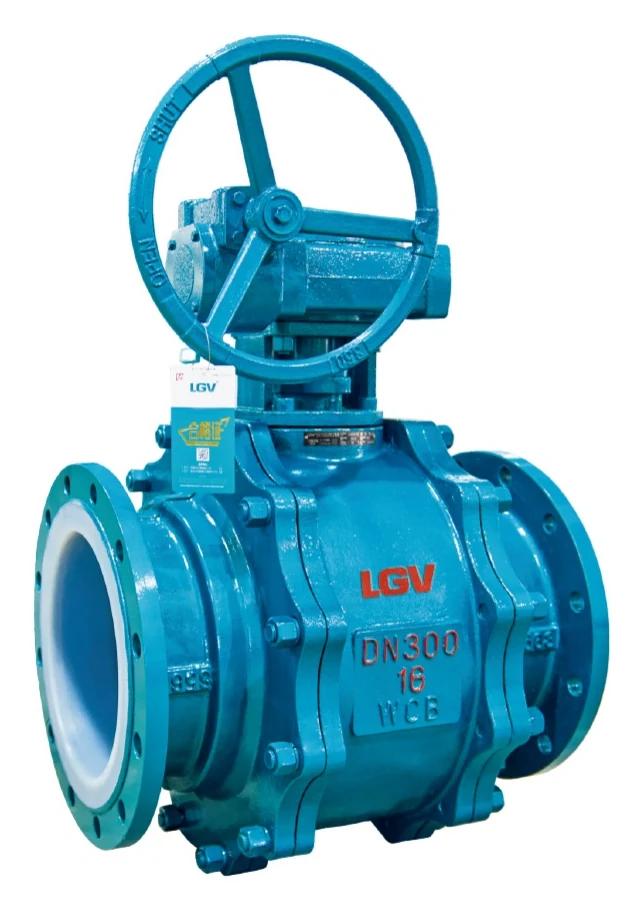
PTFE-ausgekleideter Flansch-Kugelhahn
Getriebebetätigte Flansch-Kugelausführung. Für Vierteldrehungs-Absperrung; die genaue medienberührte und Dichtungsanordnung anfragen.
LIEFERANTENKATALOG · PDF-SEITE 110
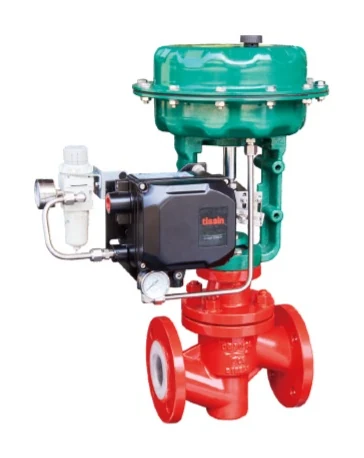
PTFE-ausgekleidetes Absperrventil
Absperrventil-Ausführung im Katalog; das abgebildete Beispiel hat pneumatische Betätigung. Innengarnitur und Druckverlust für den Einsatzfall prüfen.
LIEFERANTENKATALOG · PDF-SEITE 110
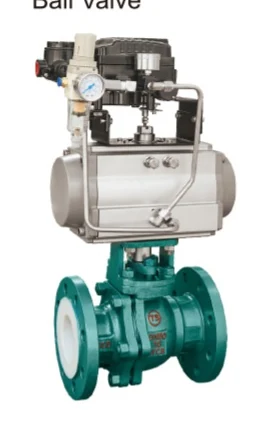
PTFE-ausgekleideter pneumatischer Kugelhahn
Pneumatic ball design. Confirm actuator air supply, fail position, torque and wetted parts.
LIEFERANTENKATALOG · PDF-SEITE 110
Elektrische PTFE-ausgekleidete Absperrklappe mit Flanschanschluss
Electric flanged butterfly design listed in the catalog. Request its model drawing and exact actuator details. Matching illustration not shown; request the model drawing.
LIEFERANTENKATALOG · PDF-SEITE 110
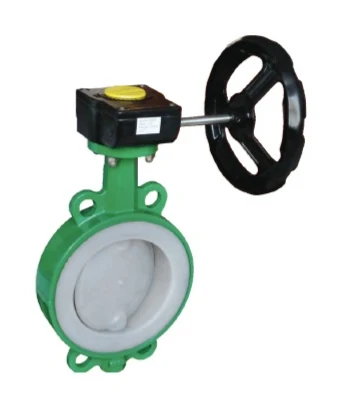
PTFE-Lined Gear-Operated Wafer Butterfly Valve
Gear-operated wafer butterfly design. Check companion flanges, thickness, actuator torque and disc/seat construction.
LIEFERANTENKATALOG · PDF-SEITE 110
PTFE-ausgekleidetes Eck-Absperrventil
Angle-flow globe design listed in the catalog. Request dimensional and flow-path drawings. Matching illustration not shown; request the model drawing.
LIEFERANTENKATALOG · PDF-SEITE 110
PTFE-ausgekleideter Absperrschieber
Gate design listed in the catalog. Specify isolation duty and request trim, stroke and space requirements. Matching illustration not shown; request the model drawing.
Other pictured PTFE-lined designs in the same catalog
These three images depict other labeled catalog designs. They are not substituted for the electric butterfly, angle globe or gate valve photos above.
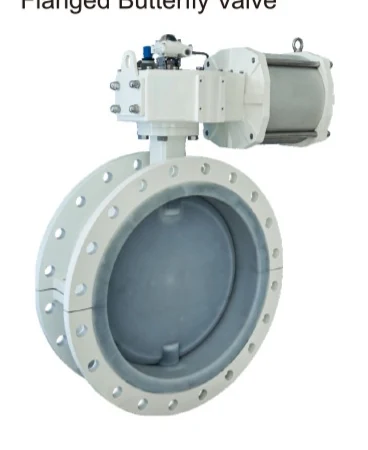
Pneumatic flanged butterfly valve
A pneumatically actuated butterfly construction; not the electric flanged model.
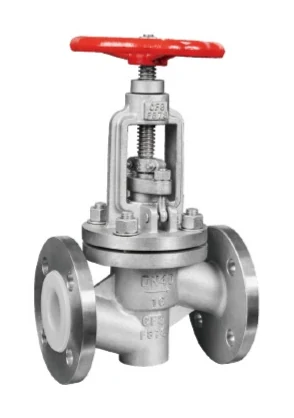
Handwheel globe valve
Manual globe construction shown separately from the catalog angle-flow design.
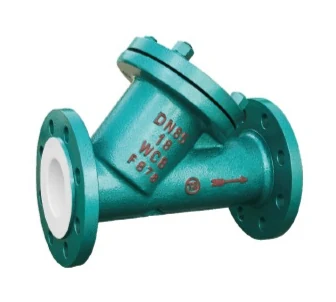
PTFE-lined strainer
Y-type strainer for solids collection, not an isolation gate valve.
Service limits that change selection
Check the complete wetted path and operating envelope
A corrosion-resistant liner works only where its material and the rest of the wetted construction suit the specified service. Confirm the actual lining/encapsulation of the flow path, stem, sealing surfaces, gaskets and joints rather than treating a catalog label as a test report.
Fluid chemistry and cleaning
State every process component, concentration and contaminant; include startup, cleaning and upset exposures. Compatibility of the fluoropolymer alone does not establish suitability of every wetted component.
Vacuum, temperature and cycling
Provide operating and design temperatures, internal/external pressure cases and minimum absolute pressure if vacuum occurs. Ask for the specific construction’s vacuum–temperature and pressure–temperature limits.
Solids, permeation and interfaces
Where solids, abrasion, permeating species or purity matter, specify the exposure and acceptable leakage or contamination criteria. Confirm lining support, flange sealing, inspection access and any required test evidence.
Follow the right product path
Compare valve types and process requirements
This series helps compare lining-related choices across valve mechanisms. For mechanism-specific specifications use Alle Produkte or the linked family pages below. The Technical Resources und Branchen areas provide additional selection background; neither replaces an order-specific datasheet.
Diaphragm valves
Consider a diaphragm construction when process isolation, solids or cleanliness criteria call for a different wetted path.
Kugelhähne
Compare ball-valve shutoff, actuation, cavity design and sealing options.
Absperrklappen
Compare wafer/flanged installation and disc/seat design for the differential pressure.
Chemical & petrochemical service
Define corrosion exposures and process-specific requirements before product selection.
Selection questions
Lined valve purchasing questions
Confirm the detailed service conditions before selecting a specific lining and valve mechanism. The catalog does not publish universal pressure, temperature or media guarantees for the whole series.
What project data is needed to specify Lined and Anti-Corrosion Valves?
Provide complete fluid composition and concentration, temperature, pressure, solids, cleaning process, permeation/corrosion concerns, connection and required lining or wetted-material evidence.
Does the Lined and Anti-Corrosion Valves series name define every available size, pressure class and material?
No. A series name identifies a documented lined or anti-corrosion valve selection route, but the orderable size, rating, material, connection, standard and operating limits must be confirmed on the offered datasheet and approved order drawing.
How should buyers compare products within the Lined and Anti-Corrosion Valves series?
Compare lining or wetted-material route, temperature and pressure limits, permeation and corrosion considerations, sealing, connection, inspection and repairability.
Which documents should be requested before order approval?
Request the offered datasheet, general arrangement or dimensional drawing, material and trim schedule, applicable inspection and test plan, required certificates, marking details and the final order-specific document list.
Technische Anfrage
Request a lined valve configuration review
Tell us which catalog design you are considering and provide the information you already have. For a meaningful comparison, include worst-case chemical composition, temperatures, minimum/maximum pressures including vacuum, valve duty, size, end connection, actuation, and required drawings or inspection records. Missing values can be identified for follow-up.
- Catalog valve type or application and required isolation/control duty
- Fluid composition, concentration, impurities and cleaning chemicals
- Normal, design and upset temperatures; maximum pressure and minimum absolute pressure
- Nominal size, flange or other end connection, and installation constraints
- Solids, cycling frequency, leakage requirement and actuation/fail position
- Exact lining/seat/wetted-material evidence and required documentation
- Project standard, quantities and timing (where known)
- Unknown conditions flagged for technical review