
Schiffsrohrleitungen · Beschaffung von Marineventilen
Marineventile für Schiffsrohrleitungssysteme
VALMORA unterstützt die Ventilbeschaffung für Seewasserkühlung, Ballast- und Bilgesysteme, Maschinenversorgung und andere spezifizierte Rohrleitungsaufgaben an Bord. Beginnen Sie mit dem Schiffsystem und der Ventilfunktion und stimmen Sie das vorgeschlagene Ventil dann auf Medium, Einbau, Betrieb und die Anforderungen an Klasse/Flaggen-Dokumentation ab.
Eine Marineanfrage kann auf Lieferung geprüft werden, es wird jedoch keine Klassenfreigabe, Brandschutzeigenschaft oder Seewasserbeständigkeit für einen nicht verifizierten Katalogartikel impliziert.
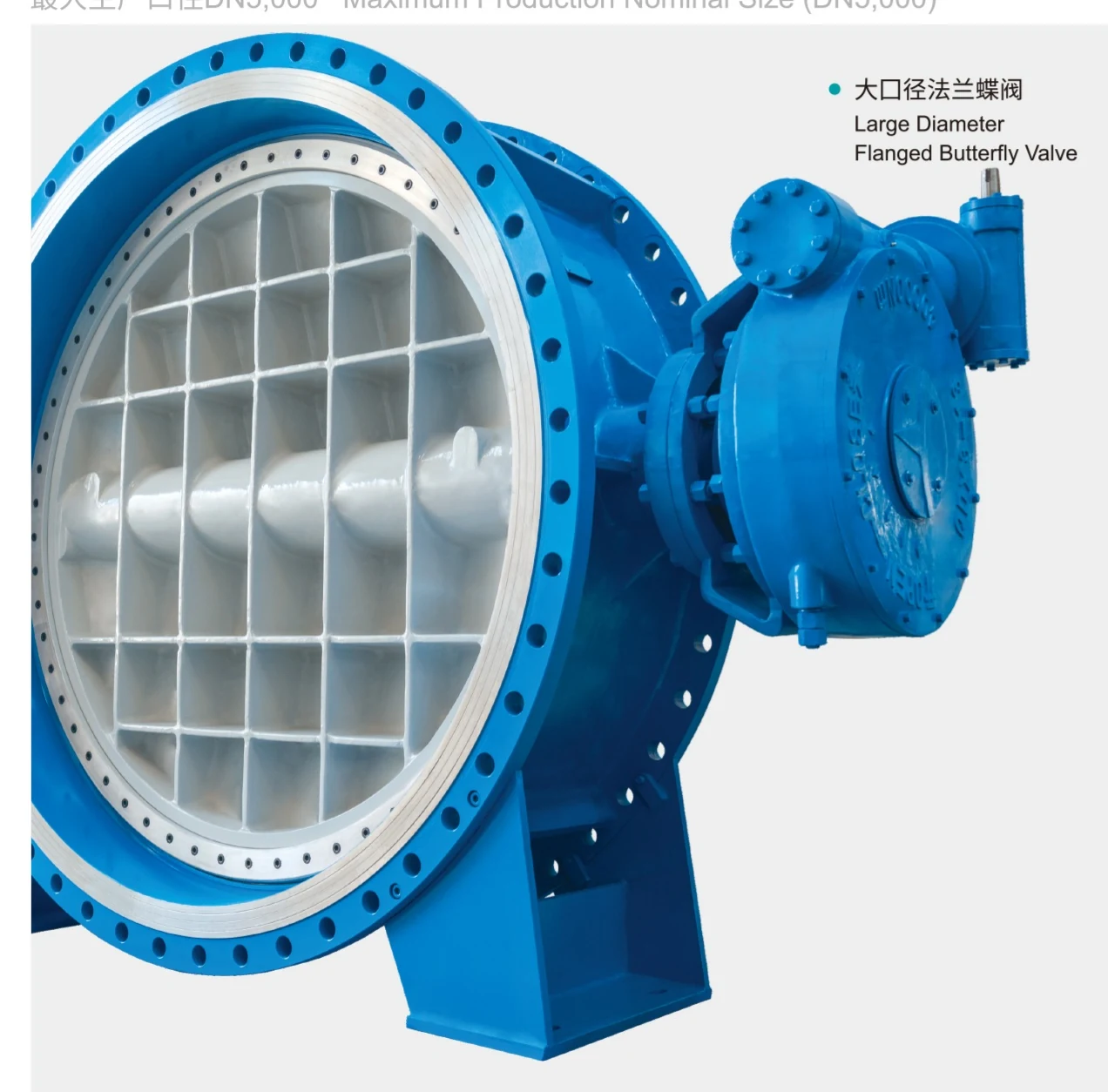
Katalogreferenz: großes Flansch-Absperrklappe (Quellkatalog, gedruckte PDF S. 94). Das Bild belegt keine Marineeinstufung oder Zulassung.
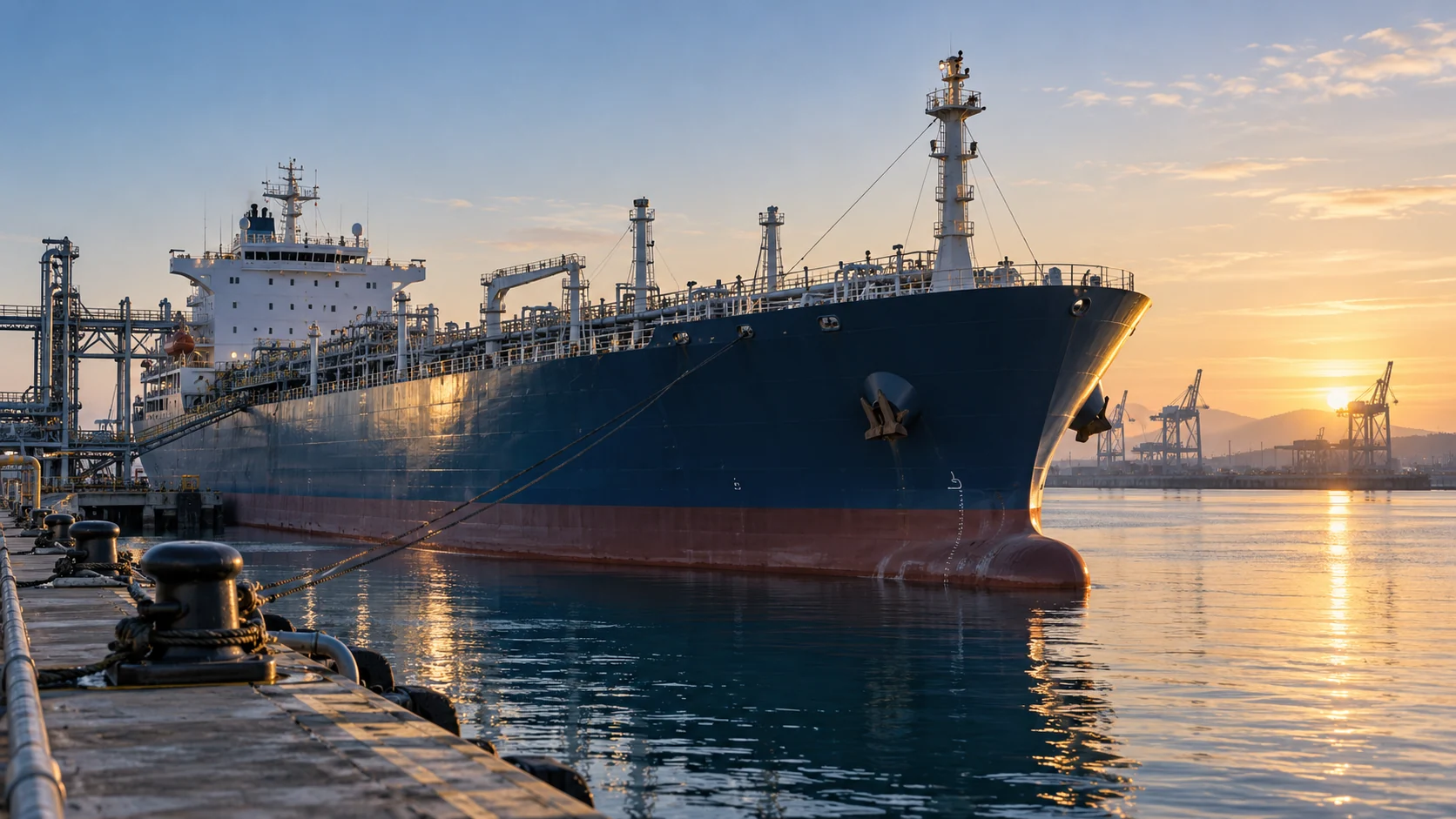
Das Marine-Hintergrundbild ist eine KI-generierte Branchenillustration, kein VALMORA-Schiff, keine Installation und kein Kundenprojekt.
Beginnen Sie mit dem Schiffsystem
Welche Bordaufgabe erfüllt das Ventil?
Eine Ballastpumpen-Druckleitung, ein Seewasserkühl-Sammler und eine Kraftstoffabsperrleitung können dieselbe Nennweite haben, erfordern aber unterschiedliches Schließverhalten, unterschiedliche Werkstoffe und Abnahmedokumente. Beginnen Sie die Auswahl mit der tatsächlichen P&ID-Funktion, nicht mit dem Wort “marine”.
Seewasserkühlung & Einläufe
Für Kühlzweige und Seewasserleitungen sind interne Chloridbelastung, Fouling, Strömungsgeschwindigkeit und externe Salzluft getrennt zu bewerten. Absperrklappen können ein Ausgangspunkt für die Absperrung sein; Werkstoffe in Kontakt mit Seewasser, Auskleidungs-/Spindeldichtung und etwaige Anforderungen an den Seeansaugpunkt erfordern eine konfigurationsspezifische Prüfung.
Ballast-, Bilgen- und Pumpenleitungen
Die Absperrung großer Leitungen und die Verhinderung von Rückströmung sind unterschiedliche Aufgaben. Absperrklappen oder Absperrschieber für die Absperrung und Rückschlagventile für die Rückströmungssperre prüfen, anschließend Pumptransienten, Einbaulage, Verunreinigungen sowie etwaige Sicherheits- oder Fernsteuerungsanforderungen für Bilge/Ballast kontrollieren.
Maschinenversorgung & kritische Leitungen
Frischwasser- und Maschinenversorgungsleitungen können Absperrung oder Drosselung erfordern. Kraftstoff-, Feuerlösch-, Tank-, Gefahrgut- und Notabschaltstellen verlangen eine gesonderte Prüfung der Schiffsregeln, der Feuer-/Fernschließfunktionen und der Produktnachweise; eine allgemeine Industriearmatur darf nicht als konform vorausgesetzt werden.
Für landgestützte Verteilung oder kommunale Wasserversorgung siehe Wasser & Kommunen. Diese Seite behandelt Schiffsrohrleitungen, nicht kommunale Netze oder Offshore-Förderanlagen.
Einsatzbereich · Anwendungsdaten
Sowohl das Medium als auch den Einbauort an Bord angeben
Ein Ventilgehäuse, das salzhaltiger Luft ausgesetzt ist, muss nicht mit Seewasser in Kontakt stehen; das Umgekehrte ist ebenfalls möglich. Benetzte und externe Belastungen unabhängig voneinander erfassen, dazu Normal-, Auslegungs- und Transientenbedingungen. Diese Angaben dienen als Grundlage für ein Angebot; sie definieren keine veröffentlichte VALMORA-Druck- oder Korrosionsklassifizierung für den Marineeinsatz.
| Eingabe für die Lieferung | Was muss angegeben werden | Was sich bei der Auswahl ändert |
|---|---|---|
| Funktion und Leitung | Ventilkennzeichnung, Bordnetzsystem, Absperrung / Rückflussverhinderung / Regelung, R&I-Fließbild und Folgen eines Ausfalls. | Grenzt die Ventilfamilie und das erforderliche Schließverhalten ab. |
| Medium und Korrosion | Tatsächliches Fluid, Meerwasserkontakt, Salzgehalt, Feststoffe, Behandlungschemikalien, externe Spritz-/Spritzwasserbelastung, Luftfeuchtigkeit und galvanische Schnittstellen. | Werkstoff, Sitz, Beschichtung, Spindelabdichtung und Wartungsoptionen sind einsatzabhängig. |
| Druck und Hydraulik | Normal-/Auslegungsdruck und -temperatur, Differenzdruck, Durchfluss oder Geschwindigkeit, Vakuum sowie Anfahr-/Abfahrtransienten der Pumpe, soweit zutreffend. | Ändert Druckbegrenzung, Cv/Kv-Bewertung, Stellantrieb und Rückschlagventil-Dynamik. |
| Einbau und Betrieb | Pipe DN/NPS, flange drilling/face-to-face, location, orientation, access, manual or remote actuation and fail action; vibration or dynamic loads at the actual installation location where specified. | A nominal size or catalog photo does not guarantee installation fit or emergency function. Specified vibration or dynamic loads can change valve support, actuator/accessory mounting and inspection needs. |
| Acceptance basis | Ship type, classification society, flag, owner/yard specification and edition, inspection/test and record list. | Defines which exact approvals, drawings, certificates and survey/witness steps must be agreed. |
Browse the relevant valve category
Select the valve family by function—not by ship type
These are existing VALMORA product-category routes, not a list of marine-approved models. Request the offered configuration and acceptance evidence for each shipboard system.
Absperrklappen
Compact quarter-turn isolation for water lines when seat, corrosion exposure, pressure drop, connection pattern and operator are acceptable.
Rückschlagventile
Nonreturn on pumping lines. Select using installation direction, reverse-flow conditions and possible slam or surge—not the name alone.
Absperrschieber
Full-open isolation where low obstruction and operating space are priorities; normally not a throttling choice.
Absperrventile
Manual throttling or regulation where flow resistance is acceptable and trim/flow data suit the duty.
Kugelhähne
Quarter-turn shutoff for suitable utility duties; do not infer fuel fire-safety, remote closure or class acceptance.
Schmutzfänger
Install the strainer upstream of the equipment being protected so it captures debris before the flow reaches downstream pumps, heat exchangers or control valves. Specify screen opening, allowable clean/dirty pressure loss and cleaning access.
Quick technical routing
When does the first valve choice need to change?
The first choice is a starting family, not a model approval. Change course when closure behavior, space, pressure loss, system criticality or required documentation disagrees with that family.
| Shipboard task | First family to examine | Switch, separate or escalate when |
|---|---|---|
| Seawater cooling isolation | Butterfly valve for a suitably specified water-line isolation duty. | Seawater-wetted trim, elastomer/liner integrity, stem sealing, fouling, flange pattern or hull-connected location makes a general catalog valve unsuitable. |
| Pump discharge nonreturn | Check valve with documented orientation and closing characteristics. | Reversal or pump-stop transients cause slam or surge; check selection is not a substitute for an independently required isolating valve. |
| Full-open utility isolation | Gate valve where headroom, infrequent operation and low full-open resistance matter. | Frequent operation, tight space or throttling duty favors further review of butterfly, ball or globe alternatives. |
| Manual flow adjustment | Globe valve where the required regulation and pressure drop are acceptable. | A gate valve used partly open risks poor control and damage; use actual flow/ΔP data rather than treating valve size as control capacity. |
| Fuel, fire-main or cargo safety function | No default general-purpose valve: route to the defined safety function and acceptance package. | Fire protection, emergency remote closure, fail state, watertight integrity, hazardous media or survey obligations require evidence tied to the offered item and location. |
Next: Use the category links above to identify construction options, then send the valve schedule with ship system and rule requirements. For valve selection in ordinary land-based water service, use the dedicated Water & Municipal page.
Classification, flag and owner requirements
Ask for approval evidence for the actual valve and installation
Marine acceptance depends on the vessel, piping system, installation location and governing class/flag/yard documents. DNV describes type approval and delivery-specific product certification as different routes; neither can be inferred from a catalog, a valve family name or VALMORA’s confirmed ability to supply marine inquiries. For any proposed valve, identify the rule edition and the exact design, materials, tests, drawings and certificates required before quotation acceptance. For project rule applicability, consult the official ABS Rules for Building and Classing Marine Vessels and verify the adopted edition and relevant system provisions; this rules reference is not a VALMORA approval or product certificate.
| Approval item | Who defines or provides it | How to review it |
|---|---|---|
| Shipboard duty and rules | Owner/yard/EPC: vessel class, flag, piping system, location, specifications and edition. | Determine whether type approval, item certification, survey/witnessing or additional safety functions apply. |
| Offered valve technical basis | VALMORA quotation: exact valve design, size, pressure-temperature limits, wetted materials, ends, seat and actuation. | Require drawings and product-specific statements; generic standards references cannot establish compliance. |
| Acceptance records | Buyer specifies needed documents; supplier confirms what is available for that offered product. | Check certificate holder, scope, revision/validity, material traceability and test/witness responsibilities. |
| Ballast treatment interface | System designer identifies BWMS and piping interfaces separately. | IMO BWMS system approval does not itself certify an unrelated isolation or check valve. |
The IMO Ballast Water Management Convention concerns ship ballast-water management and the approval of ballast water management systems. Do not treat that system-level approval as an approval certificate for an individual isolation/check valve. In fuel, fire and other safety-critical circuits, confirm the additional ship-specific obligations before selecting a general industrial valve.
Catalog identity vs. marine acceptance
What the catalog can show—and what a shipyard still needs
The source catalog contains a large-diameter flanged butterfly valve illustration (physical p. 94) and a quick-closing bleed check valve illustration (physical p. 107). These identify product concepts for inquiry routing; they are not evidence that the pictured configurations are suitable or certified for any shipboard system.
Supported marine supply scope
VALMORA can discuss marine valve supply requirements and route enquiries to relevant product families. That current business capability is separate from approval of any particular valve.
Documents to agree for the quote
Ask for a specific offered model/configuration, drawing, wetted-material record, design conditions, test and inspection scope, and any class/flag documents required by the purchase specification. Record unavailable evidence as an exception.
Shipyard and designer decisions
The vessel designer and responsible approval parties determine the shipboard system function, safety and survey basis. Supplier materials or a class-rule summary are not a substitute for the required design review.
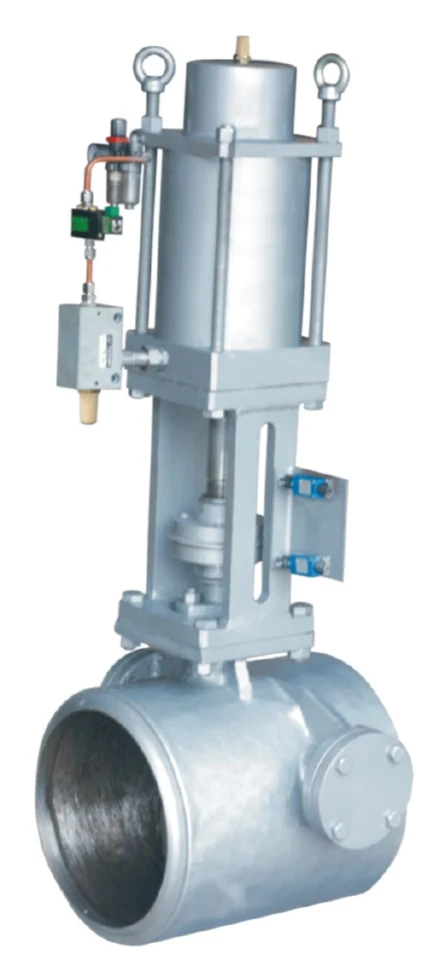
Supplier catalog p. 107: quick-closing bleed check valve illustration. No closing-time performance or shipboard approval is asserted for a VALMORA offer.
Shipyard quotation and inspection package
Agree the marine valve document package before ordering
A comparable marine offer identifies exactly which documents refer to the selected valve and which obligations belong to the shipyard or system integrator. Ask for a document register with revision and status (included, to be supplied, pending approval, or unavailable); do not treat a supplier promise as a certificate already issued.
| Document / check | Minimum requirement | Responsibility to resolve |
|---|---|---|
| Valve schedule & drawing | Match tag, system, flow direction, connection drilling, face-to-face, clearances and actuation. | Shipyard/EPC provides design basis; supplier submits quoted arrangement. |
| Materials & corrosion basis | Identify wetted and exterior materials, lining/coating, sacrificial interfaces if specified, preservation and traceability requirements. | Owner sets exposure criteria; supplier confirms actual configuration and available records. |
| Factory tests and records | Specify pressure/seat tests, functional/actuation checks, reporting and inspector witness points as required. | Supplier states test scope and records; purchaser arranges required witnessing/survey. |
| Class/flag and on-board acceptance | List applicable certificate scope, approvals, survey and installed-system tests separately. | Class/flag/survey authorities and shipyard determine acceptance; supplier confirms obtainable item evidence. |
Related VALMORA sections
Continue from the marine duty to product evidence
Return to the industry directory for other environments, or use manufacturing, quality and resources pages as information routes. Those pages are not certificates for the valve you order.
All industries
Browse shipboard and non-marine application pages without merging their service requirements.
Fertigung
Read published manufacturing information; verify which work and records apply to your proposed valve.
Qualitätskontrolle
Find quality-process context and define the inspection records needed for the offered configuration.
Technical Resources
Browse general technical explanations; use the product owner for the current quoted configuration.
Marine valve technical inquiry
Send the shipboard valve schedule for a scoped quotation
Share the available P&ID, valve tags, service conditions and required class/flag documents. VALMORA can review the supply inquiry and flag missing product evidence. Unknown fields should be identified, not filled with assumed ratings or approvals.
- Vessel type, shipboard system, P&ID and valve tag(s)
- Isolation, nonreturn or regulation duty; required failure response
- Fluid, seawater contact, solids, treatment chemicals and external exposure
- Design/normal pressure and temperature, differential pressure and transients
- Line size, flange/end standard, face-to-face, orientation and access
- Manual/remote operator, control power, indication and fail action
- Class society, flag, yard/owner specification and governing editions
- Drawings, testing, certification, traceability, witnessing and open exceptions