
Çek valf · pompa basma hattı değerlendirmesi
Kelebek Tipi Yavaş Kapanan Çekvalf
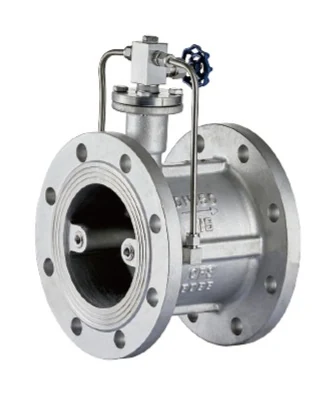
Kaynak katalog, Kelebek Tipi Yavaş Kapanan Çekvalf çek valf ürünü olarak. Bir pompa basma hattında çek valf, pompa durduğunda sürekli ters akışı sınırlar; ancak kapanma hareketi boru hattı basınç dalgalanmalarını da etkileyebilir.
Yavaş kapanma otomatik olarak daha güvenli seçenek değildir. Doğru yanıt, akışın ne kadar hızlı ters döndüğüne, pompanın ne kadar ters dönüşe dayanabildiğine ve teklif edilen valfin gerçekte nasıl kapandığına bağlıdır. Konfigürasyonu onaylamadan önce ölçüye özgü valf çizimini ve kapanma bilgilerini talep edin.
- İşlev: ters akışın sınırlandırılması / çek valf
- Seçim önceliği: pompa durma yanıtı ve doğrulanmış kapanma davranışı
Ürün işlevi
Çek valf—manuel kelebek izolasyon valfi değil
Katalog adındaki kelebek kelimesi valf ailesini veya disk formunu tanımlar; çek valf görevini tanımlar: ters akışı sınırlandırmak. Manuel olarak çalıştırılan kelebek izolasyon valfi, gövdeleri benzer görünse bile farklı bir üründür. Ürün kataloğu bunları ayrı etiketler altında gösterir.
Ne yapması amaçlanıyor
Akışın yavaşlayıp tersine dönebileceği bir sistemde (örneğin pompa basma hattında) geri akışı önleme işlevi sağlar. Gerçek çalışma tepkisi konfigürasyona bağlıdır.
Kataloğun bunu konumlandırdığı yer
Kaynak bu adı şurada listeliyor Hidrolik Kontrol Valfi Serisi on physical PDF page 103 (printed spread pages 195–196). That section heading alone does not establish a hydraulic actuator or dashpot on this exact configuration.
Adın kanıtlamadığı şeyler
Y-tipi gövde, el çarkı, harici aktüatör, sabit kapanma süresi, malzeme sınıfı, basınç sınıfı veya test edilmiş anti-surge performansını doğrulamaz. Bu ayrıntılar teklife özel bir veri sayfası ve çizim gerektirir.
Yayımlanmış katalog ayrıntıları
Katalog tanımlaması ve siparişe özel veriler
Katalog bir ürün kimliğini destekler, tam bir mühendislik spesifikasyonunu değil. Aşağıdaki ayrımlar, bir kategori adının veya görselin onaylanmış bir konfigürasyonla karıştırılmasını önler.
| Öğe | Katalog tarafından desteklenir | Teklif için gerekli |
|---|---|---|
| Katalog kimliği | Kelebek Tipi Yavaş Kapanan Çekvalf | Offered model or drawing reference |
| Functional type | Check valve (non-return) | Actual disc motion and closing mechanism |
| Katalog serisi | Hidrolik Kontrol Valfi Serisi | Configuration-specific technical datasheet |
| Size and connections | Not stated for this catalog entry | DN/NPS, flange drilling, face-to-face, mating pipe and installation orientation |
| Operating limits | No confirmed pressure, temperature or material range | Design/operating pressure, reverse differential, transients, vacuum case, media, materials and sealing arrangement |
| Closure and hydraulic data | No response curve, fixed closure time or head-loss curve provided | Closing characteristics at the stated duty, minimum stable flow and pressure-loss information |
Use an approved general arrangement drawing and offer-specific technical schedule—not this catalog illustration—for flange fit-up, installation, material acceptance and surge evaluation.
Pump-discharge selection
How to decide whether slow closing fits the duty
Start with the pump-trip case, not a requested closing time. If reverse flow develops rapidly, a slower-closing check valve may expose the pump to more backflow before seating. If the project instead requires controlled deceleration over a longer pipeline response, a suitable closing arrangement may help—but it must be evaluated with the line and pump, not from the product name.
For severe pump trips, parallel-pump operation, long rising mains, or reported water hammer, request a hydraulic transient review and the valve’s actual dynamic response. Compare a faster-acting check-valve option or a coordinated pump-control strategy where the duty calls for one; quick-closing check valves are a separate selection route, not an interchangeable synonym.
Pump stop and reverse-flow tolerance
Supply pump type, speed/inertia or coast-down information, shutdown and power-failure scenarios, number of pumps, static head and whether the pump can tolerate reverse flow or reverse rotation. If reverse rotation is prohibited, do not approve delayed closure without a system review.
Actual closure response
Ask the supplier to identify the disc, shaft and any closing-control equipment on the offered valve. Request operating sequence, closing behavior versus decelerating flow, and any documented setting or test data. The source label alone does not prove a hydraulic damper, external actuator or adjustable closing time.
Minimum flow and head loss
Provide minimum, normal and peak forward flows and the allowable pressure loss. Check whether the selected disc remains stable and sufficiently open at low flow; partially open or fluttering check-valve discs can increase wear. Request the size-specific loss curve or coefficient, not an unverified low-resistance claim.
Pressure, backpressure and transients
State normal and design pressure, maximum reverse differential pressure, minimum/maximum temperature and any credible surge, downsurge or vacuum condition. A steady-state pressure class alone does not establish suitability for pressure waves or column separation.
Connection and access
Provide DN/NPS, proposed flange standard/drilling, face-to-face allowance, flow direction, horizontal or vertical layout, valve and pipe support, and access for the closure mechanism and inspection. Verify actual mounting orientations on the approved drawing.
System fit
Which operating conditions change the answer?
The same catalog label cannot establish one closure behavior for every pumping station. These cases change which evidence should be requested before ordering.
Rapid reversal or multiple pumps
If a stopped pump may see rapid reverse flow from a live common header, select for closing dynamics and pump backspin limits. A quick-closing check-valve design may be worth evaluating instead of assuming slower is better.
Long pipelines and elevation changes
For long rising mains or lines with high points, check pressure-wave reflection, possible subatmospheric pressure, air admission and column separation. A check valve alone may not provide adequate surge protection; the engineer should assess the pumping sequence and other surge-control devices.
Low flow, solids and maintenance access
Low stable flow may leave the disc incompletely open. Suspended solids may affect sealing or closing components. Confirm medium compatibility, minimum stable flow, fouling risk, orientation and maintenance access for the exact offering.
Other non-return designs
Alternatives to assess against the pump duty
These links lead to different catalog identities, not verified substitutes. Choose by transient behavior, sealing, operating envelope and connection data—not by product family names alone.
Bilyalı Çek Valf
Another non-return configuration. Compare passage, installation constraints and available operating data when the priority is a different check-valve form rather than controlled closure.
Dövme Çelik Yüksek Basınç Çek Valf
Relevant when a project calls for a forged construction and a documented pressure-temperature envelope. Its actual ratings and end connections must come from its own offered datasheet.
Yüksek Sıcaklık ve Yüksek Basınç Enerji Santrali Çekvalfi
A separate high-temperature/high-pressure catalog identity. Do not transfer its service limits, trim materials or test criteria to this slow-closing valve.
Engineering questions
Slow-closing check valve: questions before approval
Use these points to resolve the choice of closing behavior, not to assume that the catalog title is a complete datasheet.
Does slow closing always prevent water hammer?
No. Delayed closure may allow reverse velocity to increase before seating, while a rapid stop can generate a pressure surge. The pump, pipeline profile and offered valve dynamics must be evaluated together; do not infer an anti-hammer guarantee from the name.
How is this different from a manual butterfly valve?
A check valve addresses reverse flow and typically responds to the hydraulic conditions. A manual butterfly isolation valve is operated to open, close or isolate the line. The source catalog lists the two products separately; its manual gear arrangement must not be assigned to this check valve.
Can it be installed in a vertical line?
Not on the catalog label alone. The valve disc, closing device, flow direction and gravity effects determine permitted orientations. Obtain a model-specific installation drawing and confirmation before deciding on vertical service.
What evidence is needed with the quotation?
Request the offered drawing, size and mating-flange details, materials and traceability, closure arrangement and dynamic data, flow-loss information, specified inspection/testing and witness scope, plus commercial delivery documents. Supply the pump-trip and reverse-pressure conditions so the quotation can be checked for the actual duty.
Technical quotation
Request a pump-duty configuration and quotation
Identify the Kelebek Tipi Yavaş Kapanan Çekvalf and describe the pump and pipeline duty. Include your pump-trip scenario and allowable reverse-flow / surge limits if known. The response should identify the offered construction, its documented closing behavior, and any data still required for engineering approval.
Ask for the model-specific datasheet and general arrangement drawing, material/test documentation scope, traceability and any third-party inspection or witness requirements. Specify quantities, requested delivery date, destination and quotation documents or terms. These are request items, not commitments about stock, certification or lead time.
- Medium, minimum/normal/maximum flow; pump type, trip/coast-down and reverse-flow limits
- DN/NPS, connection standard, orientation, design pressure/temperature, backpressure, surge and vacuum cases
- Body/disc/seat materials, seal requirements, coating and approved GA/closure drawings
- Closing mechanism and response evidence, loss curve, material certificates/traceability and testing/witness scope
- Quantity, requested lead time, delivery destination, quote terms and required commercial/technical files