
صمام عدم رجوع · تقييم تصريف المضخة
صمام عدم رجوع بطيء الإغلاق من نوع الفراشة
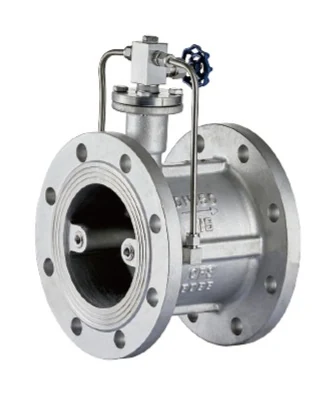
يسرد كتالوج المصدر صمام عدم رجوع بطيء الإغلاق من نوع الفراشة كمنتج عدم رجوع. عند تصريف المضخة، يحد صمام عدم الرجوع من استمرار التدفق العكسي عند توقف المضخة، لكن حركة إغلاقه قد تؤثر أيضًا على موجات ضغط خط الأنابيب.
الإغلاق البطيء ليس تلقائيًا الخيار الأكثر أمانًا. تعتمد الاستجابة الصحيحة على مدى سرعة عكس التدفق، ومقدار الدوران العكسي الذي يمكن للمضخة تحمله، وكيفية إغلاق الصمام المعروض فعليًا. اطلب رسم الصمام الخاص بالمقاس ومعلومات الإغلاق قبل اعتماد التكوين.
- الوظيفة: عدم الرجوع / الحد من التدفق العكسي
- أولوية الاختيار: استجابة فصل المضخة وسلوك الإغلاق الموثّق
وظيفة المنتج
صمام عدم رجوع — وليس صمام عزل فراشة يدويًا
كلمة الفراشة تصف عائلة الصمام أو شكل القرص في اسم الكتالوج؛ صمام عدم الرجوع تحدد وظيفته: تقييد التدفق العكسي. صمام العزل الفراشة المشغّل يدويًا منتج مختلف، حتى لو بدت الأجسام متشابهة. يعرضها كتالوج المنتجات تحت تسميات منفصلة.
ما الغرض من استخدامه
توفير وظيفة عدم الرجوع في نظام قد يتباطأ فيه التدفق وينعكس، مثل مخرج المضخة. تظل استجابة التشغيل الفعلية معتمدة على التكوين.
حيث يضعه الكتالوج
يُدرج المصدر هذا الاسم تحت سلسلة صمامات التحكم الهيدروليكي في صفحة PDF الفعلية 103 (الصفحات المطبوعة 195–196). عنوان هذا القسم وحده لا يثبت وجود مشغل هيدروليكي أو مخمد على هذا التكوين بالتحديد.
ما لا يثبته الاسم
لا يؤكد جسمًا بنمط Y، أو عجلة يدوية، أو مشغلًا خارجيًا، أو زمن إغلاق ثابتًا، أو درجة مادة، أو تصنيف ضغط، أو أداءً مُختبرًا مضادًا للاندفاع. تتطلب هذه التفاصيل ورقة بيانات ورسمًا خاصين بالعرض.
تفاصيل الكتالوج المنشورة
تعريف الكتالوج والبيانات الخاصة بالطلب
يدعم الكتالوج هوية المنتج، وليس مواصفة هندسية كاملة. تمنع الفروق التالية اعتبار اسم فئة أو رسم توضيحي تكوينًا معتمدًا.
| البند | مدعوم بالكتالوج | مطلوب لعرض السعر |
|---|---|---|
| هوية الكتالوج | صمام عدم رجوع بطيء الإغلاق من نوع الفراشة | الطراز المعروض أو مرجع الرسم |
| النوع الوظيفي | صمام عدم رجوع | حركة القرص الفعلية وآلية الإغلاق |
| سلسلة الكتالوج | سلسلة صمامات التحكم الهيدروليكي | ورقة بيانات فنية خاصة بالتهيئة |
| المقاس والتوصيلات | غير مذكور في هذا البند من الكتالوج | DN/NPS، تثبيت الفلنجات، البعد بين الوجهين، أنبوب التوصيل واتجاه التركيب |
| حدود التشغيل | لا يوجد نطاق مؤكد للضغط أو درجة الحرارة أو المادة | ضغط التصميم/التشغيل، الضغط التفاضلي العكسي، الظروف العابرة، حالة التفريغ، الوسائط، المواد وترتيب الإحكام |
| بيانات الإغلاق والهيدروليكا | لا يوجد منحنى استجابة أو زمن إغلاق ثابت أو منحنى فقدان شحنة مقدم | Closing characteristics at the stated duty, minimum stable flow and pressure-loss information |
Use an approved general arrangement drawing and offer-specific technical schedule—not this catalog illustration—for flange fit-up, installation, material acceptance and surge evaluation.
Pump-discharge selection
How to decide whether slow closing fits the duty
Start with the pump-trip case, not a requested closing time. If reverse flow develops rapidly, a slower-closing check valve may expose the pump to more backflow before seating. If the project instead requires controlled deceleration over a longer pipeline response, a suitable closing arrangement may help—but it must be evaluated with the line and pump, not from the product name.
For severe pump trips, parallel-pump operation, long rising mains, or reported water hammer, request a hydraulic transient review and the valve’s actual dynamic response. Compare a faster-acting check-valve option or a coordinated pump-control strategy where the duty calls for one; quick-closing check valves are a separate selection route, not an interchangeable synonym.
Pump stop and reverse-flow tolerance
Supply pump type, speed/inertia or coast-down information, shutdown and power-failure scenarios, number of pumps, static head and whether the pump can tolerate reverse flow or reverse rotation. If reverse rotation is prohibited, do not approve delayed closure without a system review.
Actual closure response
Ask the supplier to identify the disc, shaft and any closing-control equipment on the offered valve. Request operating sequence, closing behavior versus decelerating flow, and any documented setting or test data. The source label alone does not prove a hydraulic damper, external actuator or adjustable closing time.
Minimum flow and head loss
Provide minimum, normal and peak forward flows and the allowable pressure loss. Check whether the selected disc remains stable and sufficiently open at low flow; partially open or fluttering check-valve discs can increase wear. Request the size-specific loss curve or coefficient, not an unverified low-resistance claim.
Pressure, backpressure and transients
State normal and design pressure, maximum reverse differential pressure, minimum/maximum temperature and any credible surge, downsurge or vacuum condition. A steady-state pressure class alone does not establish suitability for pressure waves or column separation.
Connection and access
Provide DN/NPS, proposed flange standard/drilling, face-to-face allowance, flow direction, horizontal or vertical layout, valve and pipe support, and access for the closure mechanism and inspection. Verify actual mounting orientations on the approved drawing.
System fit
Which operating conditions change the answer?
The same catalog label cannot establish one closure behavior for every pumping station. These cases change which evidence should be requested before ordering.
Rapid reversal or multiple pumps
If a stopped pump may see rapid reverse flow from a live common header, select for closing dynamics and pump backspin limits. A quick-closing check-valve design may be worth evaluating instead of assuming slower is better.
Long pipelines and elevation changes
For long rising mains or lines with high points, check pressure-wave reflection, possible subatmospheric pressure, air admission and column separation. A check valve alone may not provide adequate surge protection; the engineer should assess the pumping sequence and other surge-control devices.
Low flow, solids and maintenance access
Low stable flow may leave the disc incompletely open. Suspended solids may affect sealing or closing components. Confirm medium compatibility, minimum stable flow, fouling risk, orientation and maintenance access for the exact offering.
Other non-return designs
Alternatives to assess against the pump duty
These links lead to different catalog identities, not verified substitutes. Choose by transient behavior, sealing, operating envelope and connection data—not by product family names alone.
صمام عدم رجوع كروي
Another non-return configuration. Compare passage, installation constraints and available operating data when the priority is a different check-valve form rather than controlled closure.
صمام عدم رجوع عالي الضغط من الفولاذ المطروق
Relevant when a project calls for a forged construction and a documented pressure-temperature envelope. Its actual ratings and end connections must come from its own offered datasheet.
صمام عدم رجوع لمحطات الطاقة عالي الحرارة والضغط
A separate high-temperature/high-pressure catalog identity. Do not transfer its service limits, trim materials or test criteria to this slow-closing valve.
Engineering questions
Slow-closing check valve: questions before approval
Use these points to resolve the choice of closing behavior, not to assume that the catalog title is a complete datasheet.
Does slow closing always prevent water hammer?
No. Delayed closure may allow reverse velocity to increase before seating, while a rapid stop can generate a pressure surge. The pump, pipeline profile and offered valve dynamics must be evaluated together; do not infer an anti-hammer guarantee from the name.
How is this different from a manual butterfly valve?
A check valve addresses reverse flow and typically responds to the hydraulic conditions. A manual butterfly isolation valve is operated to open, close or isolate the line. The source catalog lists the two products separately; its manual gear arrangement must not be assigned to this check valve.
Can it be installed in a vertical line?
Not on the catalog label alone. The valve disc, closing device, flow direction and gravity effects determine permitted orientations. Obtain a model-specific installation drawing and confirmation before deciding on vertical service.
What evidence is needed with the quotation?
Request the offered drawing, size and mating-flange details, materials and traceability, closure arrangement and dynamic data, flow-loss information, specified inspection/testing and witness scope, plus commercial delivery documents. Supply the pump-trip and reverse-pressure conditions so the quotation can be checked for the actual duty.
Technical quotation
Request a pump-duty configuration and quotation
Identify the صمام عدم رجوع بطيء الإغلاق من نوع الفراشة and describe the pump and pipeline duty. Include your pump-trip scenario and allowable reverse-flow / surge limits if known. The response should identify the offered construction, its documented closing behavior, and any data still required for engineering approval.
Ask for the model-specific datasheet and general arrangement drawing, material/test documentation scope, traceability and any third-party inspection or witness requirements. Specify quantities, requested delivery date, destination and quotation documents or terms. These are request items, not commitments about stock, certification or lead time.
- Medium, minimum/normal/maximum flow; pump type, trip/coast-down and reverse-flow limits
- DN/NPS, connection standard, orientation, design pressure/temperature, backpressure, surge and vacuum cases
- Body/disc/seat materials, seal requirements, coating and approved GA/closure drawings
- Closing mechanism and response evidence, loss curve, material certificates/traceability and testing/witness scope
- Quantity, requested lead time, delivery destination, quote terms and required commercial/technical files