
PDF belgeli ürün
Paslanmaz Çelik GB Tipi Filtre
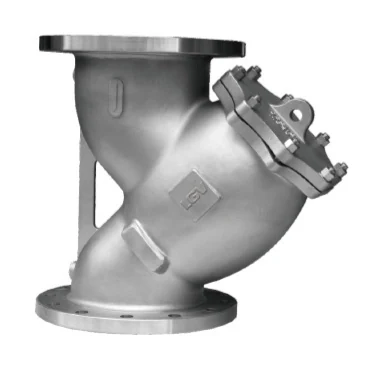
Tedarikçi kataloğu bu ürünü şu şekilde tanımlar: Paslanmaz Çelik GB Tipi Filtre. Kir tutma görevini tanımlamak için bu kaydı kullanın; katalog, nihai seçim için gerekli gövde tipini, elek açıklığını, eleman yapısını, basınç limitlerini veya boyutları belirtmez.
- Ürün tipi: Filtre
- Katalog malzeme tanımı: Paslanmaz çelik
- Katalog tanımı: GB
Ürün kimliği
Katalog kaydının doğruladıkları
Bu sayfa, eksiksiz bir teknik veri sayfası değil, tek bir tedarikçi kataloğu kaydını tanımlar. Siparişe özel konfigürasyon talep etmeden önce filtrasyon görevini, hat koşullarını ve bakım düzenini tanımlayın.
Ürün ailesi
Filtre. Bu, kategori düzeyinde seçim için ana ticari yoldur.
Katalog bölümü
Entegre Ürün Serisi. Bu, kaydın basılı katalog bölüm başlığıdır; ürünün katalogda nerede yer aldığını belirtir, ürüne özel bir filtre serisi veya yapısı değildir.
Kanıt kaynağı
Tedarikçi ürün kataloğundan alınmıştır, PDF sayfa 113.
Katalog kanıtı
Katalog belgeli ürün verileri
Mevcut katalog kaydı yalnızca ürün kimliğini ve basılı tanımlarını doğrular. “Paslanmaz çelik” eksiksiz bir malzeme listesi değildir ve “GB” belirli bir standart numarasını, baskısını veya uygunluk kapsamını tanımlamaz.
| Alan | Katalogda belgelenen değer | Kanıt durumu |
|---|---|---|
| Ürün tipi | Filtre | DOĞRULANDI — PDF katalog etiketi |
| Malzeme tanımı | Paslanmaz çelik | DOĞRULANDI — yalnızca katalog ifadesi; kalite ve ıslak parça listesi belirtilmemiştir |
| Katalog tanımlayıcısı | GB | DOĞRULANDI — yalnızca katalog ifadesi; standart numarası ve baskı belirtilmemiştir |
| Katalog bölümü | Entegre Ürün Serisi | DOĞRULANDI — basılı katalog bölüm başlığı |
| Katalog kaynak sayfası | PDF sayfa 113 | DOĞRULANDI — kurtarılan PDF eşlemesi |
Önemli: Katalog; model kodu, gövde yapısı, süzgeç tipi veya açıklığı, hat çapı, bağlantı, basınç-sıcaklık sınıfı, basınç düşümü eğrisi veya muayene kaydı ortaya koymaz. Bu değerleri ürün adından veya fotoğraftan çıkarsamayın. Bunları tam olarak teklif edilen veri sayfası ve onaylı sipariş çizimi ile doğrulayın.
Kanıt kapsamı
Bilinen bilgiler ve açık konfigürasyon alanları
Katalog bir ürün kimliği ortaya koyar, filtrasyon performansı değil. Seçim; tutulacak parçacık boyutuna, beklenen katı yüküne, etkin süzgeç alanına ve korunan ekipmanın tolere edebileceği basınç kaybına bağlıdır.
Katalog tarafından doğrulandı
- Ürün kimliği: Paslanmaz Çelik GB Süzgeç. Katalog bunu Süzgeç olarak etiketler; model kodu veya gövde yapısı belirtilmemiştir.
- Malzeme tanımlayıcısı: Paslanmaz çelik. Bu, tam kaliteyi tanımlamaz veya her ıslak parçanın, süzgecin ve sızdırmazlık elemanının aynı malzemeden yapıldığını kanıtlamaz.
- Katalog tanımlayıcısı: GB. Etiket belirli bir GB numarası, baskı, kapsam veya uygunluk beyanı belirtmez.
Teklif öncesi doğrulayın
- Gövde yapısı, kapak düzeni, nominal çap, uç bağlantısı, yüz yüze ölçüler ve tasarım basıncı/sıcaklığı
- Süzgeç konstrüksiyonu ve µm veya mm cinsinden gerçek açıklık; tel örgü/tel detayları veya delik boyutu; etkin açık alan ve destek düzeni
- Gerçek akışkan ve temizleme yöntemine uygun gövde, kapak, süzgeç elemanı, destek ve conta/sızdırmazlık malzeme kaliteleri
- Korunan ekipman, tutulacak partikül boyutu, katı türü, konsantrasyon ve beklenen birikim hızı
- Minimum, normal ve maksimum debi; temiz süzgeç basınç kaybı; izin verilen yüklü diferansiyel basınç ve süzgeç diferansiyel basınç limiti
- Montaj yönü, akış yönü, eleman çıkarma açıklığı, dren/blowdown erişimi ve temizleme veya baypas düzeni
- Proje tarafından talep edilen siparişe özel veri sayfası, ölçülendirme çizimi, IOM, malzeme sertifikaları ve test/muayene kayıtları
Mühendislik incelemesi
Süzgeci kalıntı ve korunan ekipman etrafında belirtin
Korunan ekipmanın tolerans gösterebileceği en büyük partikül boyutundan başlayın. Ardından, sistemin basınç kaybı limiti içinde kalarak süzgeç açıklığını ve etkin alanı beklenen katı yüküne göre eşleştirin. Daha ince bir süzgeç otomatik olarak daha güvenli değildir: daha hızlı dolabilir, basınç kaybını artırabilir ve temizleme aralıklarını kısaltabilir.
Filtrasyon görevi
Korunan pompa, kontrol vanası, sayaç, nozul, ısı eşanjörü veya diğer bileşeni belirleyin. Zararlı partikül boyutunu veya gerekli tutmayı ve görevin ara sıra kaba kalıntı mı yoksa sürekli ince katı mı olduğunu belirtin. İnce filtrasyon kritikse, teklif edilen elemanın belirtilen açıklığı karşıladığına dair kanıt talep edin; katalog etiketi mikron performansını doğrulamaz.
Partikül boyutu ve katı yükü
Describe particle material, shape, hardness, abrasiveness and any fibrous or sticky tendency, together with solids concentration and expected accumulation rate. Separate commissioning debris from normal operating load. Specify the actual screen opening in µm or mm; mesh count alone is incomplete because wire diameter and weave affect the clear opening and open area.
Screen, body and seal materials
Confirm the body and cover material separately from the screen element, support cage, fasteners and gasket/seals. “Stainless steel” is only the catalog descriptor; it does not identify a grade or prove that all wetted parts share one material. Match each part to the fluid chemistry, temperature, solids abrasion and cleaning method. Also confirm line size, end connection, facing and mating dimensions.
Clean and loaded pressure drop
Request clean-screen pressure drop at minimum, normal and maximum flow for the actual fluid. Set the allowable loaded differential pressure and cleaning trigger against downstream equipment limits and the screen element’s own differential-pressure rating. Do not use the body pressure rating as the screen limit. For pump suction service, include the loaded strainer loss in the available NPSH review.
Installation and maintenance access
Provide the piping layout, flow direction, installation orientation, face-to-face dimensions, cover-opening path and screen-withdrawal clearance. Confirm access to the drain or blowdown connection and a safe route for collected solids and drained fluid. Define isolation, depressurization, cleaning and disposal requirements. If the line cannot stop for cleaning, ask whether a separately engineered duplex or bypass arrangement is required; this catalog entry does not establish one.
Uygulama sınırı
Service conditions that change the selection
The catalog label cannot establish whether a manual strainer is suitable for every duty. These service conditions can change the screen specification or point to a different arrangement; include them in the RFQ.
Pump suction service
For a suction-side installation, compare clean and loaded strainer pressure loss at the required flow with the pump’s available NPSH and the pump maker’s required margin. If the margin cannot be demonstrated, hold the selection and request lower-loss screen/area data or a different layout; do not guess a finer mesh.
Heavy solids or continuous operation
High, sticky or abrasive solids can cause frequent cleaning even when the opening is appropriate. Confirm the element’s solids-holding capacity and expected cleaning interval. If the process cannot stop for maintenance, specify a separately engineered duplex/parallel or automatic-cleaning arrangement rather than assuming this catalog entry includes one.
Fine particle retention
When downstream equipment requires fine retention, request the actual aperture, effective open area and clean pressure-drop data at the operating flow. If those data cannot demonstrate the retention target within the available pressure-loss margin, a separate fine-filtration stage may be required. Do not assume this cataloged strainer is a filter-grade element.
Görsel kanıt
Catalog image for product identification
This mapped supplier-catalog image identifies the Stainless Steel GB Strainer entry. It is not a dimensional drawing and does not confirm body pattern, screen construction, material grade, pressure rating or pressure-drop performance.
İlgili ürün rotaları
Compare related strainer catalog records
These separate catalog records may help when another documented description better matches the duty. Review each product’s own evidence, drawing and configuration; specifications do not transfer between pages.
Paslanmaz Çelik Sepet Tipi Filtre
A separate stainless-steel basket-strainer record. Compare its own debris capacity and basket-removal arrangement against the expected solids load.
Dövme Çelik ASME Düz Akışlı T Tipi Filtre
A separate forged-steel straight-flow T-type record. Review its own body geometry, screen access and connection drawing.
Su Hattı Süzgeci
A water-labeled strainer record. Review its stated service descriptor, water quality and screen access on its own product page.
Alıcı soruları
Stainless Steel GB Strainer FAQ
These answers separate the catalog identity from the engineering information needed to select, install and maintain the offered configuration.
What does the catalog confirm about the Stainless Steel GB Strainer?
It identifies the product name, Strainer type, Stainless steel material descriptor and GB catalog descriptor. The entry appears under the catalog section heading Integrated Product Series on PDF page 113. The catalog does not state a specific GB number or edition, material grade, screen opening, pressure rating or dimensions.
How should the screen opening and element be specified?
Start with the particle size the protected equipment must reject or retain, then request the actual aperture in micrometres or millimetres, screen construction and effective open area. Mesh count alone does not fully define the opening because wire diameter and weave also matter. Include the expected solids type and loading so element capacity and cleaning frequency can be reviewed.
What pressure-drop information is needed?
Request clean-screen pressure drop at the specified flow range and fluid conditions, plus the allowable loaded differential pressure and the screen element’s maximum differential-pressure limit. Set the cleaning trigger against downstream equipment and system limits; do not assume a generic threshold or use the body pressure rating as the screen limit.
What should accompany the RFQ?
Send the process fluid, solids and particle target, minimum/normal/maximum flow, operating and design pressure and temperature, line size and connection, body/screen/support/seal material requirements, allowable clean and loaded pressure loss, piping drawing, and screen-removal and drain clearance. Request the exact datasheet, dimensional drawing and IOM; list material certificates and test/inspection records where the project requires them.
Teknik talep
Request a Stainless Steel GB Strainer configuration review
Reference this catalog identity and submit the filtration duty, flow conditions and piping layout. Request the proposed screen opening, element construction, material schedule, clean/loaded pressure-loss data and maintenance dimensions for the exact configuration offered.
- Protected equipment, harmful particle size or required retention; fluid and solids type/loading
- Minimum, normal and maximum flow; operating/design pressure and temperature
- Screen opening and construction; body, screen/support and gasket/seal material requirements; line size and connection
- Allowable clean and loaded pressure loss; screen differential-pressure limit; pump suction margin where applicable
- Piping/layout drawing, flow direction, screen-removal and drain clearance, cleaning/bypass plan, quantity and required documents