
منتج موثّق في ملف PDF
مصفاة شبكية من الفولاذ المقاوم للصدأ وفق GB
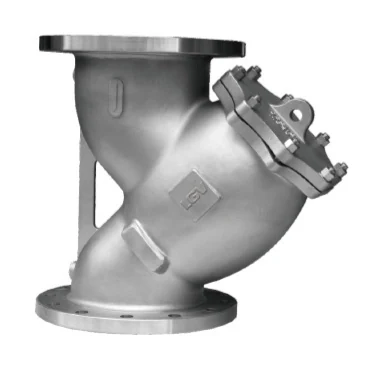
يُعرّف كتالوج المورد هذا البند بأنه مصفاة شبكية من الفولاذ المقاوم للصدأ وفق GB. استخدم هذا السجل لتحديد واجب حماية المنشأة من الشوائب؛ ولا يحدد الكتالوج نمط الجسم، أو فتحة الشبكة، أو تركيب العنصر، أو حدود الضغط، أو الأبعاد اللازمة للاختيار النهائي.
- نوع المنتج: مصفاة شبكية
- وصف المادة في الكتالوج: فولاذ مقاوم للصدأ
- وصف الكتالوج: GB
هوية المنتج
ما يؤكده سجل الكتالوج
تحدد هذه الصفحة بندًا واحدًا من كتالوج المورد، وليست ورقة بيانات فنية كاملة. حدّد واجب الترشيح وظروف خط الأنابيب ومخطط الصيانة قبل طلب تكوين خاص بالطلب.
عائلة المنتج
مصفاة شبكية. هذا هو المسار التجاري الرئيسي للاختيار على مستوى الفئة.
قسم الكتالوج
سلسلة المنتجات المتكاملة. هذا هو عنوان قسم الكتالوج المطبوع للبند؛ وهو يحدد موضع المنتج في الكتالوج، وليس سلسلة مصافي شبكية خاصة بالمنتج أو تركيبًا خاصًا به.
مصدر الأدلة
كتالوج منتجات المورد المستعاد، صفحة PDF 113.
أدلة الكتالوج
بيانات منتج موثّقة في الكتالوج
يؤكد بند الكتالوج المتاح هوية المنتج وأوصافه المطبوعة فقط. ولا تُعد عبارة “فولاذ مقاوم للصدأ” جدول مواد كاملًا، ولا تحدد عبارة “GB” رقم معيار محددًا أو إصدارًا أو نطاق مطابقة.
| الحقل | قيمة موثقة في الكتالوج | حالة الإثبات |
|---|---|---|
| نوع المنتج | مصفاة شبكية | مُتحقق منه — تسمية كتالوج PDF |
| وصف المادة | فولاذ مقاوم للصدأ | مُتحقَّق منه — صياغة الكتالوج فقط؛ لم تُذكر الدرجة ولا جدول الأجزاء الملامسة للوسط |
| وصف الكتالوج | GB | مُتحقَّق منه — صياغة الكتالوج فقط؛ لم يُذكر رقم المعيار ولا الإصدار |
| قسم الكتالوج | سلسلة المنتجات المتكاملة | مُتحقَّق منه — عنوان قسم مطبوع في الكتالوج |
| صفحة مصدر الكتالوج | صفحة PDF 113 | مُتحقَّق منه — تم استرداد تعيين PDF |
هام: لا يحدد الكتالوج رمز الطراز، ولا نمط الجسم، ولا نوع الشبكة أو فتحتها، ولا مقاس الخط، ولا وصلة التوصيل، ولا تصنيف الضغط ودرجة الحرارة، ولا منحنى هبوط الضغط، ولا سجل الفحص. لا تستنتج هذه القيم من اسم المنتج أو الصورة. تحقق منها مقابل ورقة البيانات المقدمة بدقة ورسم الطلب المعتمد.
حدود الأدلة
الحقائق المعروفة وحقول التكوين المفتوحة
يحدد الكتالوج هوية المنتج، وليس أداء الترشيح. يعتمد الاختيار على حجم الجسيمات المطلوب احتجازها، وحمل المواد الصلبة المتوقع، ومساحة الشبكة الفعالة، وفقدان الضغط الذي تتحمله المعدات المحمية.
مؤكد من الكتالوج
- هوية المنتج: مصفاة شبكية من الفولاذ المقاوم للصدأ وفق GB. يصنفها الكتالوج كمصفاة شبكية؛ ولم يُذكر رمز الطراز ولا نمط الجسم.
- وصف المادة: فولاذ مقاوم للصدأ. لا يحدد هذا الدرجة الدقيقة ولا يثبت أن كل جزء ملامس للوسط والشبكة والسدادة يستخدم المادة نفسها.
- وصف الكتالوج: GB. لا تذكر التسمية رقم GB محددًا ولا الإصدار ولا النطاق ولا إقرار المطابقة.
يُؤكَّد قبل عرض السعر
- نمط الجسم، ترتيب الغطاء، المقاس الاسمي، وصلة النهاية، الأبعاد بين الوجهين، وضغط/درجة حرارة التصميم
- تركيب الشبكة والفتحة الفعلية بالميكرومتر أو المليمتر؛ تفاصيل الشبكة/السلك أو حجم الثقوب؛ المساحة المفتوحة الفعالة وترتيب الدعم
- درجات مواد الجسم والغطاء وعنصر الشبكة والدعم والحشية/الإحكام للمائع الفعلي وطريقة التنظيف
- المعدات المحمية، حجم الجسيمات المراد احتجازها، نوع المواد الصلبة، التركيز ومعدل التراكم المتوقع
- التدفق الأدنى والعادي والأقصى؛ هبوط الضغط عبر الشبكة النظيفة؛ فرق الضغط المسموح به تحت الحمل وحد فرق الضغط عبر الشبكة
- اتجاه التركيب، اتجاه التدفق، خلوص سحب العنصر، منفذ التصريف/التنفيس، وترتيب التنظيف أو التجاوز
- صحيفة بيانات خاصة بالطلب، رسم أبعادي، دليل التشغيل والصيانة IOM، شهادات المواد، وسجلات الاختبار/الفحص المطلوبة من المشروع
مراجعة هندسية
حدد المصفاة بناءً على الحطام والمعدات المحمية
ابدأ من المكوّن الواقع في اتجاه المصب وأكبر جسيم يمكنه تحمله. ثم طابق فتحة الشبكة والمساحة الفعالة مع حمل المواد الصلبة المتوقع مع البقاء ضمن حد فقدان الضغط في النظام. الشبكة الأدق ليست أكثر أمانًا تلقائيًا: فقد تتحمل حملًا أسرع، وتزيد هبوط الضغط وتقصر فترات التنظيف.
وظيفة الترشيح
حدد المضخة أو صمام التحكم أو العداد أو الفوهة أو المبادل الحراري أو أي مكوّن آخر تتم حمايته. اذكر حجم الجسيمات الضارة أو درجة الاحتجاز المطلوبة، وما إذا كانت الوظيفة لحطام خشن متقطع أم لمواد صلبة ناعمة مستمرة. إذا كان الترشيح الناعم ضروريًا، فاطلب دليلًا على أن العنصر المعروض يلبي الفتحة المحددة؛ إذ لا يثبت تصنيف الكتالوج أداء الميكرون.
حجم الجسيمات وحمل المواد الصلبة
Describe particle material, shape, hardness, abrasiveness and any fibrous or sticky tendency, together with solids concentration and expected accumulation rate. Separate commissioning debris from normal operating load. Specify the actual screen opening in µm or mm; mesh count alone is incomplete because wire diameter and weave affect the clear opening and open area.
Screen, body and seal materials
Confirm the body and cover material separately from the screen element, support cage, fasteners and gasket/seals. “Stainless steel” is only the catalog descriptor; it does not identify a grade or prove that all wetted parts share one material. Match each part to the fluid chemistry, temperature, solids abrasion and cleaning method. Also confirm line size, end connection, facing and mating dimensions.
Clean and loaded pressure drop
Request clean-screen pressure drop at minimum, normal and maximum flow for the actual fluid. Set the allowable loaded differential pressure and cleaning trigger against downstream equipment limits and the screen element’s own differential-pressure rating. Do not use the body pressure rating as the screen limit. For pump suction service, include the loaded strainer loss in the available NPSH review.
الوصول للتركيب والصيانة
Provide the piping layout, flow direction, installation orientation, face-to-face dimensions, cover-opening path and screen-withdrawal clearance. Confirm access to the drain or blowdown connection and a safe route for collected solids and drained fluid. Define isolation, depressurization, cleaning and disposal requirements. If the line cannot stop for cleaning, ask whether a separately engineered duplex or bypass arrangement is required; this catalog entry does not establish one.
حدود التطبيق
Service conditions that change the selection
The catalog label cannot establish whether a manual strainer is suitable for every duty. These service conditions can change the screen specification or point to a different arrangement; include them in the RFQ.
Pump suction service
For a suction-side installation, compare clean and loaded strainer pressure loss at the required flow with the pump’s available NPSH and the pump maker’s required margin. If the margin cannot be demonstrated, hold the selection and request lower-loss screen/area data or a different layout; do not guess a finer mesh.
Heavy solids or continuous operation
High, sticky or abrasive solids can cause frequent cleaning even when the opening is appropriate. Confirm the element’s solids-holding capacity and expected cleaning interval. If the process cannot stop for maintenance, specify a separately engineered duplex/parallel or automatic-cleaning arrangement rather than assuming this catalog entry includes one.
Fine particle retention
When downstream equipment requires fine retention, request the actual aperture, effective open area and clean pressure-drop data at the operating flow. If those data cannot demonstrate the retention target within the available pressure-loss margin, a separate fine-filtration stage may be required. Do not assume this cataloged strainer is a filter-grade element.
الأدلة المرئية
صورة كتالوج لتحديد المنتج
This mapped supplier-catalog image identifies the Stainless Steel GB Strainer entry. It is not a dimensional drawing and does not confirm body pattern, screen construction, material grade, pressure rating or pressure-drop performance.
مسارات المنتجات ذات الصلة
Compare related strainer catalog records
These separate catalog records may help when another documented description better matches the duty. Review each product’s own evidence, drawing and configuration; specifications do not transfer between pages.
مصفاة شبكية سلة من الفولاذ المقاوم للصدأ
A separate stainless-steel basket-strainer record. Compare its own debris capacity and basket-removal arrangement against the expected solids load.
مصفاة شبكية من الفولاذ المطروق بنوع T بالتدفق المستقيم وفق ASME
A separate forged-steel straight-flow T-type record. Review its own body geometry, screen access and connection drawing.
مصفاة شبكية لخط أنابيب المياه
A water-labeled strainer record. Review its stated service descriptor, water quality and screen access on its own product page.
أسئلة المشترين
Stainless Steel GB Strainer FAQ
These answers separate the catalog identity from the engineering information needed to select, install and maintain the offered configuration.
What does the catalog confirm about the Stainless Steel GB Strainer?
It identifies the product name, Strainer type, Stainless steel material descriptor and GB catalog descriptor. The entry appears under the catalog section heading Integrated Product Series on PDF page 113. The catalog does not state a specific GB number or edition, material grade, screen opening, pressure rating or dimensions.
How should the screen opening and element be specified?
Start with the particle size the protected equipment must reject or retain, then request the actual aperture in micrometres or millimetres, screen construction and effective open area. Mesh count alone does not fully define the opening because wire diameter and weave also matter. Include the expected solids type and loading so element capacity and cleaning frequency can be reviewed.
What pressure-drop information is needed?
Request clean-screen pressure drop at the specified flow range and fluid conditions, plus the allowable loaded differential pressure and the screen element’s maximum differential-pressure limit. Set the cleaning trigger against downstream equipment and system limits; do not assume a generic threshold or use the body pressure rating as the screen limit.
What should accompany the RFQ?
Send the process fluid, solids and particle target, minimum/normal/maximum flow, operating and design pressure and temperature, line size and connection, body/screen/support/seal material requirements, allowable clean and loaded pressure loss, piping drawing, and screen-removal and drain clearance. Request the exact datasheet, dimensional drawing and IOM; list material certificates and test/inspection records where the project requires them.
استفسار فني
Request a Stainless Steel GB Strainer configuration review
Reference this catalog identity and submit the filtration duty, flow conditions and piping layout. Request the proposed screen opening, element construction, material schedule, clean/loaded pressure-loss data and maintenance dimensions for the exact configuration offered.
- Protected equipment, harmful particle size or required retention; fluid and solids type/loading
- Minimum, normal and maximum flow; operating/design pressure and temperature
- Screen opening and construction; body, screen/support and gasket/seal material requirements; line size and connection
- Allowable clean and loaded pressure loss; screen differential-pressure limit; pump suction margin where applicable
- Piping/layout drawing, flow direction, screen-removal and drain clearance, cleaning/bypass plan, quantity and required documents