
Изделие с документацией в PDF
Сетчатый фильтр из нержавеющей стали по GB
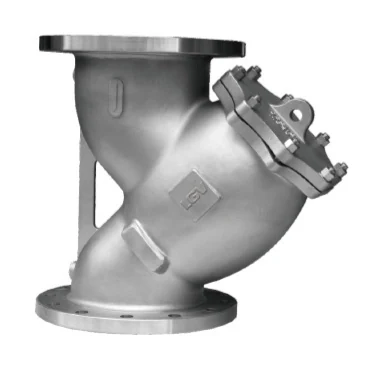
В каталоге поставщика эта позиция указана как Сетчатый фильтр из нержавеющей стали по GB. Используйте эту запись для определения задачи защиты от загрязнений; в каталоге не указаны конструкция корпуса, размер ячеек сетки, конструкция фильтрующего элемента, предельные давления и размеры, необходимые для окончательного выбора.
- Тип продукта: сетчатый фильтр
- Описание материала в каталоге: нержавеющая сталь
- Описание в каталоге: GB
Идентификация продукции
Что подтверждает запись в каталоге
На этой странице представлена одна позиция каталога поставщика, а не полный технический паспорт. Определите требования к фильтрации, условия трубопровода и схему обслуживания перед запросом конфигурации под конкретный заказ.
Семейство изделий
Сетчатый фильтр. Это основной коммерческий раздел для выбора на уровне категории.
Раздел каталога
Интегрированная серия продуктов. Это заголовок раздела печатного каталога для данной позиции; он указывает, где продукт представлен в каталоге, а не конкретную серию или конструкцию сетчатого фильтра.
Источник данных
Восстановленный каталог продукции поставщика, стр. 113 PDF.
Данные каталога
Данные изделия по каталогу
Имеющаяся запись в каталоге подтверждает только идентификацию продукта и его печатные описания. “Нержавеющая сталь” не является полной спецификацией материалов, а “GB” не указывает конкретный номер стандарта, редакцию или область соответствия.
| Поле | Значение по каталогу | Статус подтверждения |
|---|---|---|
| Тип продукции | Сетчатый фильтр | ПОДТВЕРЖДЕНО — маркировка PDF-каталога |
| Материал | Нержавеющая сталь | ПОДТВЕРЖДЕНО — только формулировка каталога; марка и перечень деталей, контактирующих с рабочей средой, не указаны |
| Описание в каталоге | GB | ПОДТВЕРЖДЕНО — только формулировка каталога; номер и редакция стандарта не указаны |
| Раздел каталога | Интегрированная серия продукции | ПОДТВЕРЖДЕНО — заголовок раздела печатного каталога |
| Страница каталога | Страница 113 PDF | ПРОВЕРЕНО — восстановленное соответствие PDF |
Важно: Каталог не устанавливает код модели, конструктивное исполнение корпуса, тип и проходное сечение сетки, типоразмер трубопровода, присоединение, номинальные параметры давление-температура, кривую перепада давления или запись о контроле. Не выводите эти значения из наименования продукции или фотографии. Уточняйте их по конкретному предлагаемому паспорту и утверждённому чертежу заказа.
Граница подтверждаемых данных
Известные данные и открытые поля конфигурации
Каталог устанавливает идентичность продукции, а не эффективность фильтрации. Выбор зависит от задерживаемого размера частиц, ожидаемой нагрузки по твёрдым включениям, эффективной площади сетки и потери давления, которую может допустить защищаемое оборудование.
Подтверждено каталогом
- Идентичность продукции: сетчатый фильтр из нержавеющей стали GB. В каталоге он обозначен как сетчатый фильтр; код модели и конструктивное исполнение корпуса не указаны.
- Описание материала: нержавеющая сталь. Это не определяет точную марку и не подтверждает, что все детали, контактирующие с рабочей средой, сетка и уплотнения изготовлены из одного и того же материала.
- Описание в каталоге: GB. В обозначении не указаны конкретный номер GB, редакция, область применения или декларация о соответствии.
Уточнить перед запросом коммерческого предложения
- Конструкция корпуса, исполнение крышки, номинальный размер, присоединение к трубопроводу, строительная длина и расчётные давление/температура
- Конструкция сетчатого элемента и фактический размер ячейки в µm или mm; данные о сетке/проволоке или размер перфорации; эффективная площадь проходного сечения и конструкция опоры
- Марки материалов корпуса, крышки, сетчатого элемента, опоры и прокладки/уплотнения для фактической рабочей среды и метода очистки
- Защищаемое оборудование, задерживаемый размер частиц, тип твёрдых включений, концентрация и ожидаемая скорость накопления
- Минимальный, нормальный и максимальный расход; перепад давления на чистой сетке; допустимый перепад давления при загрязнённой сетке и предельный перепад давления на сетке
- Ориентация при монтаже, направление потока, зазор для извлечения элемента, доступ к дренажу/продувке и конструкция очистки или байпаса
- Паспорт/даташит для конкретного заказа, габаритный чертёж, IOM, сертификаты на материалы и протоколы испытаний/инспекции, требуемые проектом
Техническая экспертиза
Укажите сетчатый фильтр с учётом загрязнений и защищаемого оборудования
Начните с нижерасположенного компонента и наибольшей частицы, которую он способен выдержать. Затем подберите размер ячейки сетки и эффективную площадь под ожидаемую нагрузку по твёрдым включениям, оставаясь в пределах допустимых потерь давления системы. Более тонкая сетка не всегда безопаснее: она быстрее засоряется, увеличивает перепад давления и сокращает интервалы очистки.
Назначение фильтрации
Определите насос, регулирующий клапан, расходомер, патрубок, теплообменник или другой защищаемый компонент. Укажите опасный размер частиц или требуемую степень задержания, а также характер нагрузки: периодический крупный мусор или непрерывные мелкие твёрдые включения. Если необходима тонкая фильтрация, запросите подтверждение того, что предлагаемый элемент соответствует заданному размеру ячейки; маркировка в каталоге не подтверждает micron-характеристики.
Размер частиц и нагрузка по твёрдым включениям
Describe particle material, shape, hardness, abrasiveness and any fibrous or sticky tendency, together with solids concentration and expected accumulation rate. Separate commissioning debris from normal operating load. Specify the actual screen opening in µm or mm; mesh count alone is incomplete because wire diameter and weave affect the clear opening and open area.
Screen, body and seal materials
Confirm the body and cover material separately from the screen element, support cage, fasteners and gasket/seals. “Stainless steel” is only the catalog descriptor; it does not identify a grade or prove that all wetted parts share one material. Match each part to the fluid chemistry, temperature, solids abrasion and cleaning method. Also confirm line size, end connection, facing and mating dimensions.
Clean and loaded pressure drop
Request clean-screen pressure drop at minimum, normal and maximum flow for the actual fluid. Set the allowable loaded differential pressure and cleaning trigger against downstream equipment limits and the screen element’s own differential-pressure rating. Do not use the body pressure rating as the screen limit. For pump suction service, include the loaded strainer loss in the available NPSH review.
Доступ для монтажа и обслуживания
Provide the piping layout, flow direction, installation orientation, face-to-face dimensions, cover-opening path and screen-withdrawal clearance. Confirm access to the drain or blowdown connection and a safe route for collected solids and drained fluid. Define isolation, depressurization, cleaning and disposal requirements. If the line cannot stop for cleaning, ask whether a separately engineered duplex or bypass arrangement is required; this catalog entry does not establish one.
Границы применения
Service conditions that change the selection
The catalog label cannot establish whether a manual strainer is suitable for every duty. These service conditions can change the screen specification or point to a different arrangement; include them in the RFQ.
Pump suction service
For a suction-side installation, compare clean and loaded strainer pressure loss at the required flow with the pump’s available NPSH and the pump maker’s required margin. If the margin cannot be demonstrated, hold the selection and request lower-loss screen/area data or a different layout; do not guess a finer mesh.
Heavy solids or continuous operation
High, sticky or abrasive solids can cause frequent cleaning even when the opening is appropriate. Confirm the element’s solids-holding capacity and expected cleaning interval. If the process cannot stop for maintenance, specify a separately engineered duplex/parallel or automatic-cleaning arrangement rather than assuming this catalog entry includes one.
Fine particle retention
When downstream equipment requires fine retention, request the actual aperture, effective open area and clean pressure-drop data at the operating flow. If those data cannot demonstrate the retention target within the available pressure-loss margin, a separate fine-filtration stage may be required. Do not assume this cataloged strainer is a filter-grade element.
Визуальные материалы
Изображение из каталога для идентификации продукции
This mapped supplier-catalog image identifies the Stainless Steel GB Strainer entry. It is not a dimensional drawing and does not confirm body pattern, screen construction, material grade, pressure rating or pressure-drop performance.
Связанные маршруты изделий
Compare related strainer catalog records
These separate catalog records may help when another documented description better matches the duty. Review each product’s own evidence, drawing and configuration; specifications do not transfer between pages.
Сетчатый корзинный фильтр из нержавеющей стали
A separate stainless-steel basket-strainer record. Compare its own debris capacity and basket-removal arrangement against the expected solids load.
Прямоточный T-образный сетчатый фильтр из кованой стали ASME
A separate forged-steel straight-flow T-type record. Review its own body geometry, screen access and connection drawing.
Сетчатый фильтр для водопровода
A water-labeled strainer record. Review its stated service descriptor, water quality and screen access on its own product page.
Вопросы покупателей
Stainless Steel GB Strainer FAQ
These answers separate the catalog identity from the engineering information needed to select, install and maintain the offered configuration.
What does the catalog confirm about the Stainless Steel GB Strainer?
It identifies the product name, Strainer type, Stainless steel material descriptor and GB catalog descriptor. The entry appears under the catalog section heading Integrated Product Series on PDF page 113. The catalog does not state a specific GB number or edition, material grade, screen opening, pressure rating or dimensions.
How should the screen opening and element be specified?
Start with the particle size the protected equipment must reject or retain, then request the actual aperture in micrometres or millimetres, screen construction and effective open area. Mesh count alone does not fully define the opening because wire diameter and weave also matter. Include the expected solids type and loading so element capacity and cleaning frequency can be reviewed.
What pressure-drop information is needed?
Request clean-screen pressure drop at the specified flow range and fluid conditions, plus the allowable loaded differential pressure and the screen element’s maximum differential-pressure limit. Set the cleaning trigger against downstream equipment and system limits; do not assume a generic threshold or use the body pressure rating as the screen limit.
What should accompany the RFQ?
Send the process fluid, solids and particle target, minimum/normal/maximum flow, operating and design pressure and temperature, line size and connection, body/screen/support/seal material requirements, allowable clean and loaded pressure loss, piping drawing, and screen-removal and drain clearance. Request the exact datasheet, dimensional drawing and IOM; list material certificates and test/inspection records where the project requires them.
Технический запрос
Request a Stainless Steel GB Strainer configuration review
Reference this catalog identity and submit the filtration duty, flow conditions and piping layout. Request the proposed screen opening, element construction, material schedule, clean/loaded pressure-loss data and maintenance dimensions for the exact configuration offered.
- Protected equipment, harmful particle size or required retention; fluid and solids type/loading
- Minimum, normal and maximum flow; operating/design pressure and temperature
- Screen opening and construction; body, screen/support and gasket/seal material requirements; line size and connection
- Allowable clean and loaded pressure loss; screen differential-pressure limit; pump suction margin where applicable
- Piping/layout drawing, flow direction, screen-removal and drain clearance, cleaning/bypass plan, quantity and required documents