Ir para o conteúdo

Categoria de produto industrial

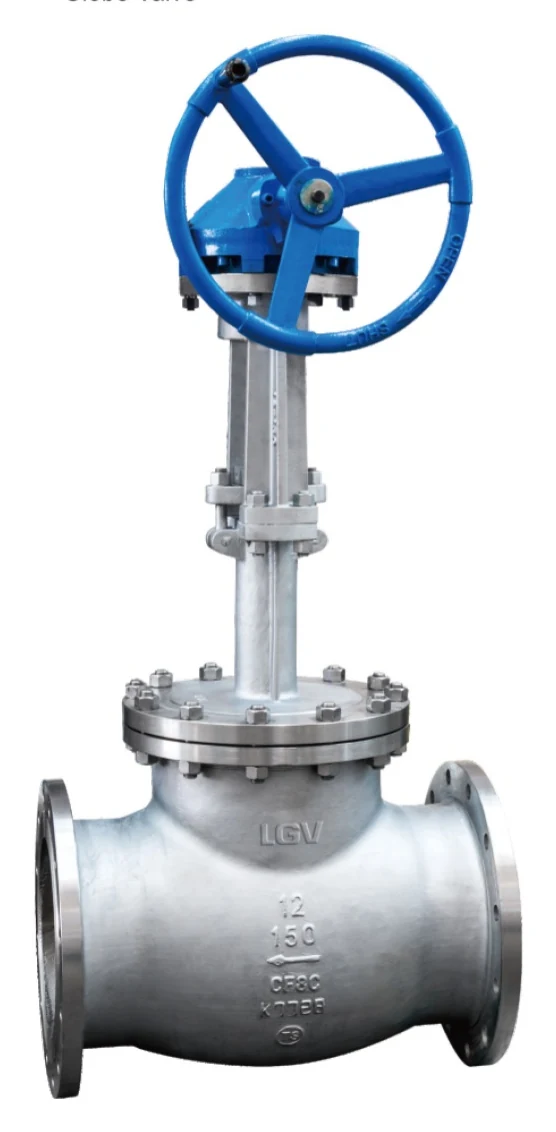
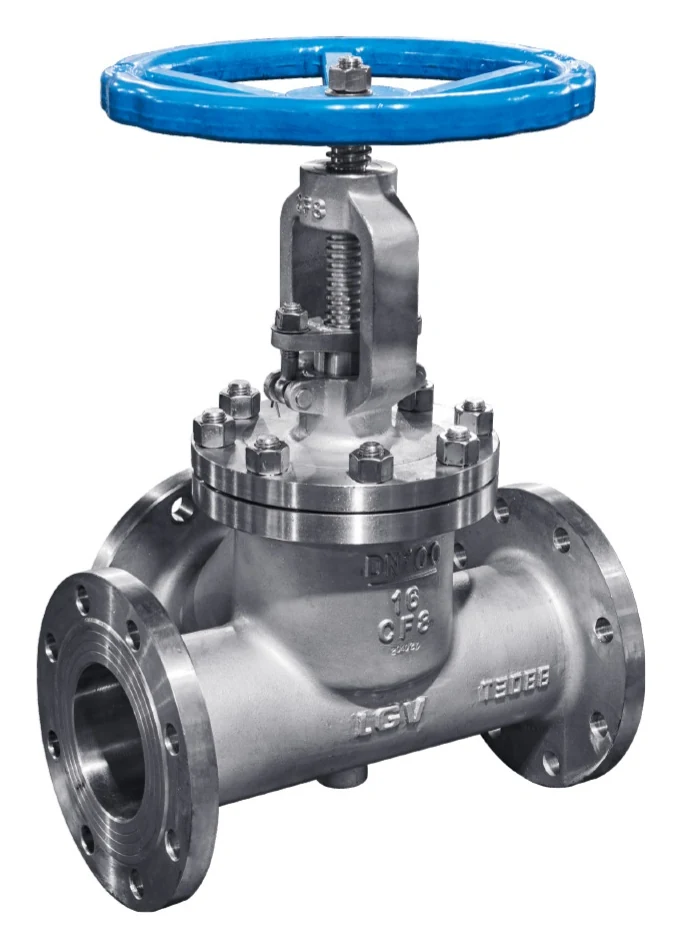
Válvulas Globo Industriais para Estrangulamento e Isolamento

Escolha uma válvula globo industrial quando for necessário restrição controlada ou bloqueio de linha e o sistema puder suportar a perda de carga da válvula. Compare primeiro os tipos de corpo, a vedação da haste e os métodos de operação; em seguida, abra o produto ou a série apropriada para uma consulta específica de configuração.

Comece com angular, vedação por fole ou tipo Y opções, ou ver todos os 24 produtos. Uma válvula globo operada manualmente para ajuste ocasional não é automaticamente uma válvula de controle automática dimensionada.

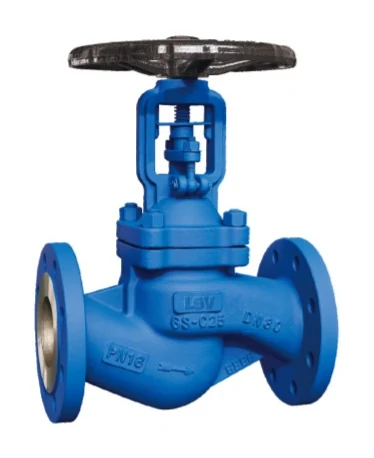
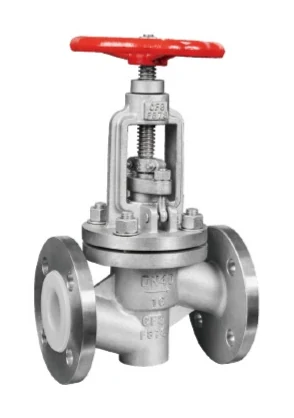
Bellows seal globe valve from the catalog, shown as a product example

Arquitetura de produto

Escolha uma configuração de válvula globo

O tipo de corpo, a vedação da haste, os materiais em contato com o fluido, a classificação de pressão–temperatura e as conexões de extremidade devem atender ao serviço pretendido. Estas três rotas de série reduzem a escolha; os produtos individuais abaixo abrangem outras configurações e projetos específicos para cada serviço.

Séries de válvulas globo

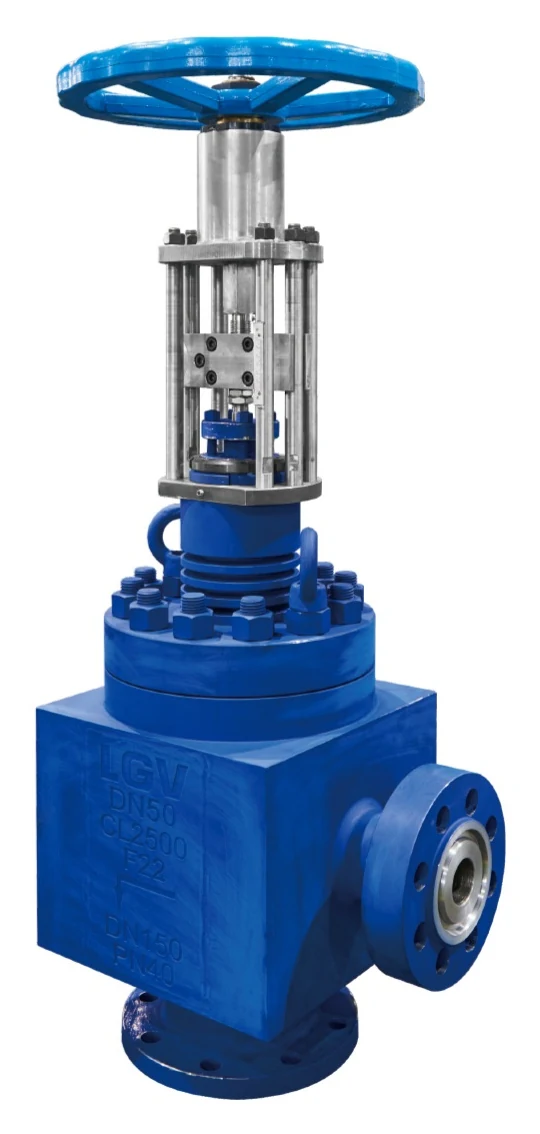
Se a tubulação precisar fazer uma curva de 90°, um corpo angular pode se adequar ao layout sem um cotovelo separado. Compare a direção real do fluxo, a perda de pressão disponível e o acesso antes de selecionar a série angular.

Séries de válvulas globo

Quando o vazamento pela haste for uma preocupação significativa do processo, avalie um projeto com vedação por fole. Solicite a construção do fole, os limites de ciclos operacionais, a vedação secundária e os critérios de teste do projeto selecionado; o nome da série não é uma certificação de emissões abrangente.

Séries de válvulas globo

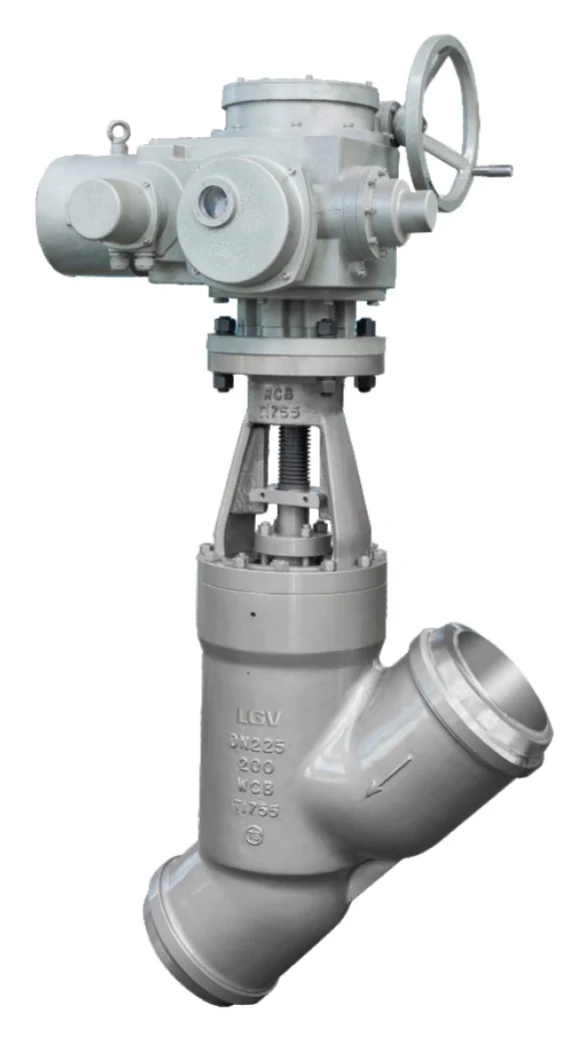
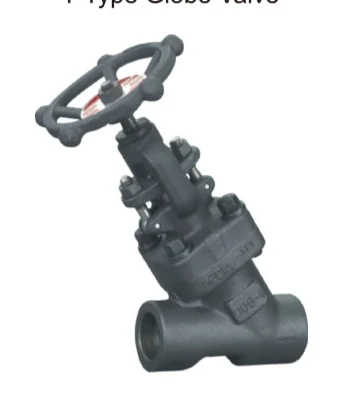
Quando a perda de pressão em plena abertura for relevante, compare um corpo tipo Y com um corpo globo convencional nas mesmas condições de fluxo e pressão. O trajeto mais reto pode reduzir a resistência, mas a válvula escolhida ainda precisa de dados de fluxo no nível do modelo.

Selection framework

Select for flow duty before choosing the valve body

A globe valve creates a restriction around the disc and seat, so it normally has greater full-open loss than a full-bore isolation valve. For occasional manual balancing or bypass adjustment, start with a globe design if that loss is acceptable. If the process needs continuous automatic modulation or a severe liquid pressure drop, specify the operating cases for a properly sized control-valve/trim review instead of ordering a generic handwheel valve.

Straight, angle or Y-pattern: what changes?

Use a conventional straight-through/T-pattern body where the pipe continues in line and deliberate restriction is acceptable. An angle body makes sense when the piping route turns; a tipo Y is worth comparing when pressure loss matters. Do not assume one pattern always delivers a lower loss: compare the available Cv/Kv at the required opening and flow.

Packed stem or bellows seal?

Standard stem packing may be appropriate when its leakage and maintenance requirements are acceptable. If loss of process fluid at the stem is especially consequential, review the bellows-seal series and its failure-backup sealing arrangement. Specify the medium, temperature, stroke/cycling and required leakage test rather than treating “bellows” as proof of zero leakage.

Manual regulation or automated control?

A handwheel or gearbox can be suitable for local isolation and infrequent adjustment. For remote or frequent travel, provide the differential pressure, available power or air, duty cycle and fail-position requirement to size the actuator. For closed-loop modulation, also provide the minimum/normal/maximum flow and allowable noise/cavitation limits so the valve and trim can be sized together.

Application intent

Find the product route for the actual medium

Service labels are useful starting points, not interchangeable certifications. Temperature extremes, hazardous fluids and high differential pressure change both the required construction and the documentation a buyer should request.

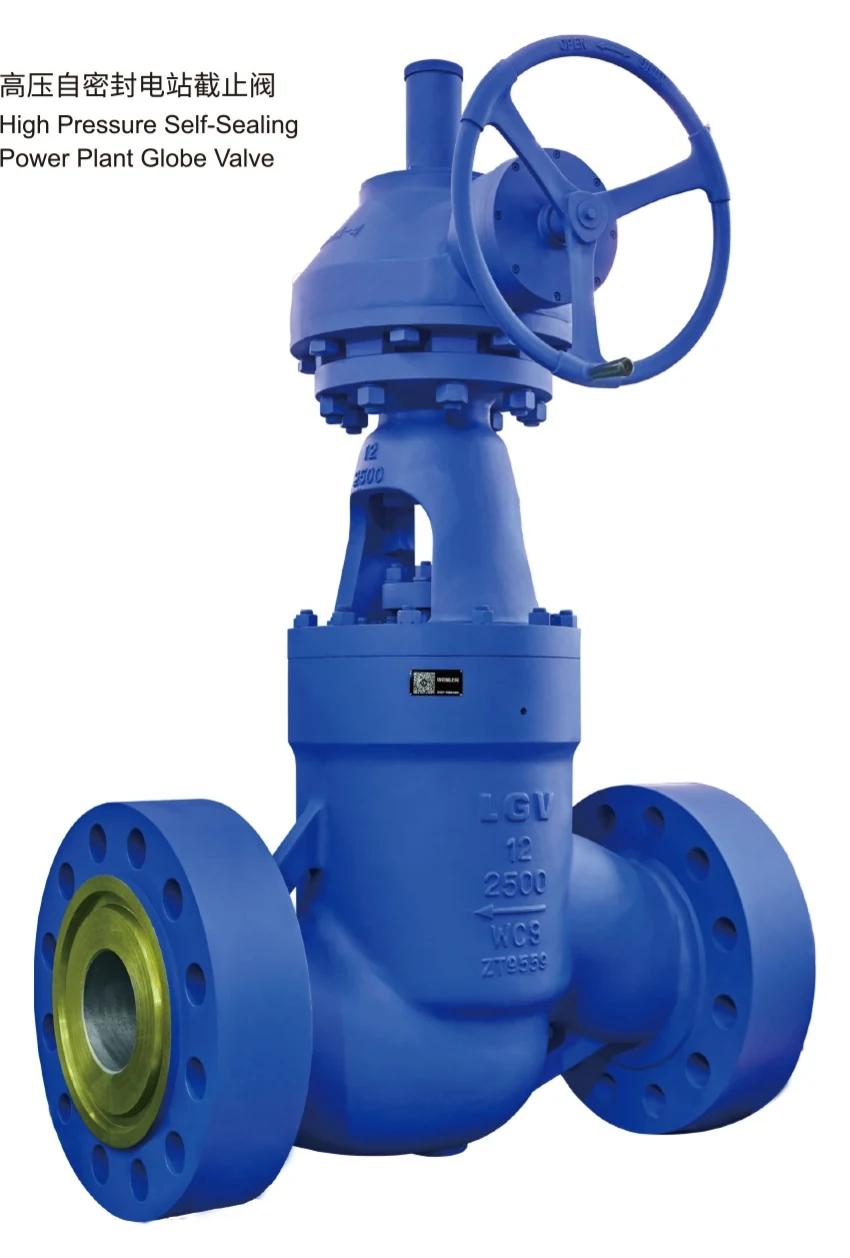
Steam, boiler and high-temperature water

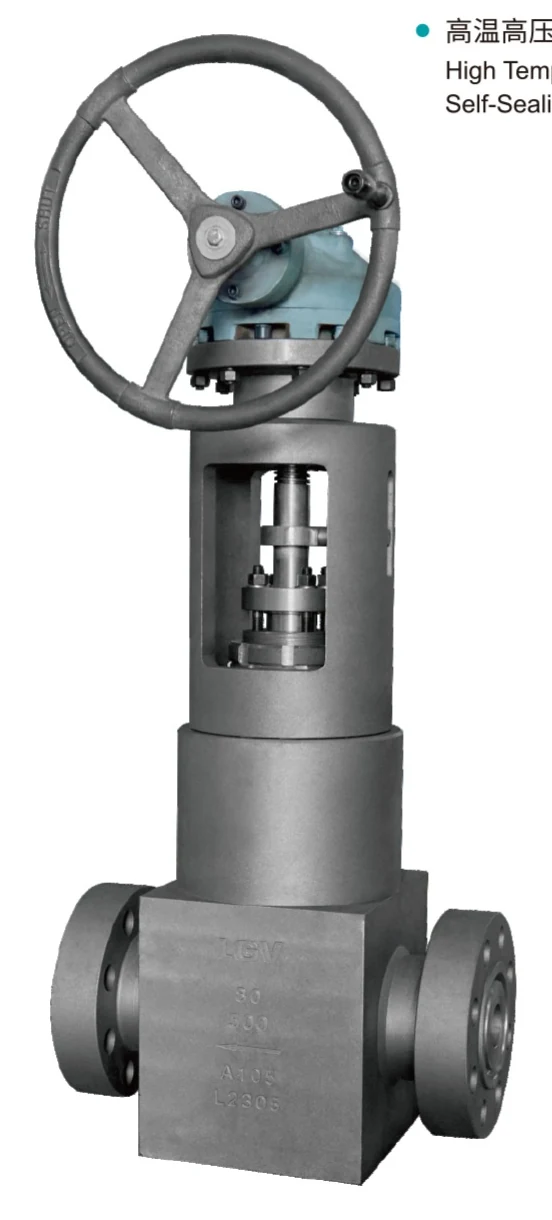
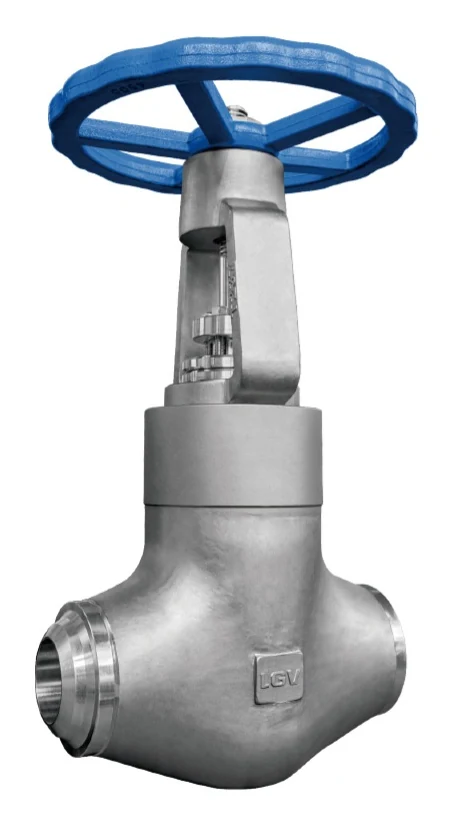
Start with the operating and design pressure/temperature, cycling frequency and upstream/downstream conditions. For high-duty power and pressure-seal entries, verify the specific bonnet, stem/seat construction and pressure–temperature rating for the quoted body material; a nominal Class is not a single working pressure at every temperature.

Ammonia, oxygen and cryogenic duties

Route ammonia piping to the ammonia angle product only after confirming medium concentration and sealing requirements. For the oxygen-specific entry, state cleanliness, compatible wetted materials and acceptance records. For cryogenic service, specify minimum temperature, extension and insulation requirements. None of these titles alone proves project approval.

Normal throttling versus demanding pressure reduction

For a manual bypass or occasional adjustment, a globe valve may be a practical option if seat wear and pressure loss are acceptable. If the required liquid pressure reduction could induce cavitation or flashing, the service needs a specific sizing and trim assessment. Submit fluid phase/vapor-pressure data and both normal and maximum pressure drops rather than assuming that an ordinary globe disc is suitable.

Specification and procurement

What to specify for a globe valve quotation

Supply the conditions that eliminate an unsuitable pattern or trim before asking for a fixed price. If a value is unknown, identify it as open rather than assuming that every catalog entry shares the same rating.

Área de decisãoDados de entrada do compradorPor que é importante
Duty and travelIsolation; occasional throttling; or continuous modulating serviceSeparates a manual stop/regulating valve from a sized control-valve application
Flow and differential pressureMinimum, normal and maximum flow; P1/P2 for each caseChecks available pressure drop, trim sizing and possible cavitation/noise
Meio e temperaturaFluid, phase, solids, corrosion and minimum/normal/maximum temperatureAffects wetted materials, seat, packing/bellows and thermal construction
Pressure boundary and shutoffDesign pressure, temperature, applicable rating basis and required seat leakageRules out insufficient pressure–temperature ratings or inappropriate closure design
Tubulação e operaçãoPattern, inlet/outlet sizes, end connection, flow direction, orientation, travel frequencyAvoids connection/installation conflicts and incorrect force assumptions
Documents and verificationApplicable codes/editions, drawing, material traceability, tests or witness requirementsDefines the specific evidence needed before acceptance

Consulta técnica

Request a globe valve configuration review

Send the intended service and any datasheet or piping drawing. VALMORA can use the information to identify the relevant catalog route and review a quote-ready configuration; information not yet known can be marked for discussion. For broader comparisons visit all valve products ou industry applications; supplier-background and reference pages remain available under manufacturing e resources.

Fields marked * are required.