
Power station valve | Catalog-listed design
Válvula Globo de Alta Temperatura e Alta Pressão com Autovedação para Usina Termelétrica
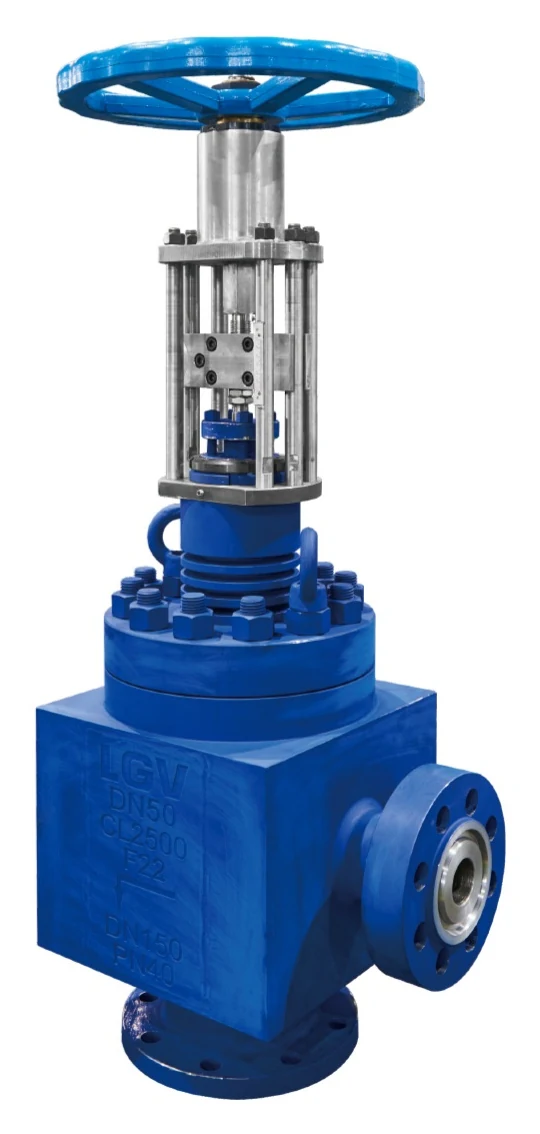
The catalog identifies this as a high-temperature, high-pressure self-sealing globe valve in its power station range. Self-sealing refers to the bonnet joint, not a promised seat-leakage class. Specify the operating fluid, maximum design pressure and temperature, shutoff differential pressure, and connection details before requesting an offered configuration.
- Catalog family: power station globe valve
- Construction term: pressure self-sealing (bonnet details to be checked)
- High temperature and high pressure: catalog descriptions, not numerical ratings
- Quotation: application and approved datasheet required
Design distinction
What “self-sealing” means on a power plant globe valve
In a pressure-seal bonnet arrangement, internal pressure increases the compressive load at the body-to-bonnet gasket. This is a general construction principle, not a verified sectional drawing for this catalog entry. Three separate decisions remain important: bonnet sealing, seat shutoff and allowable pressure at operating temperature.
Junta do castelo
The pressure-assisted gasket closes the junta corpo-castelo. Request the selected bonnet section, gasket material and maintenance instructions. A catalog image does not establish the joint geometry or the seal supplied.
Disc-to-seat shutoff
The disc and seat govern through-valve leakage when closed. Ask for a seat-leakage acceptance criterion and the maximum differential pressure the valve must shut against; neither follows from the words “self-sealing.”
Pressão e temperatura
“High temperature” and “high pressure” are catalog descriptors, not a pressure–temperature table. The offered material, design standard and edition must establish the allowable pressure at the design temperature. ASME B16.34 describes pressure–temperature rating requirements, but this product is not claimed to comply with it without an offered datasheet and conformity evidence.
Source-based product facts
What the catalog confirms—and what quotation must define
The original catalog places two illustrations under the same product label on physical PDF page 65. The label confirms the product family and intended power station context, but the catalog spread does not supply a verified orderable size, pressure class or high-temperature material rating for WP192.
| Item | Informações documentadas | Evidence or next action |
|---|---|---|
| Designação do produto | Válvula Globo de Alta Temperatura e Alta Pressão com Autovedação para Usina Termelétrica | Verified catalog name |
| Família de válvulas | Globe valve | Power station range | Verified catalog grouping |
| Descritor de construção | High-temperature, high-pressure, self-sealing | Catalog wording only; detailed bonnet drawing required |
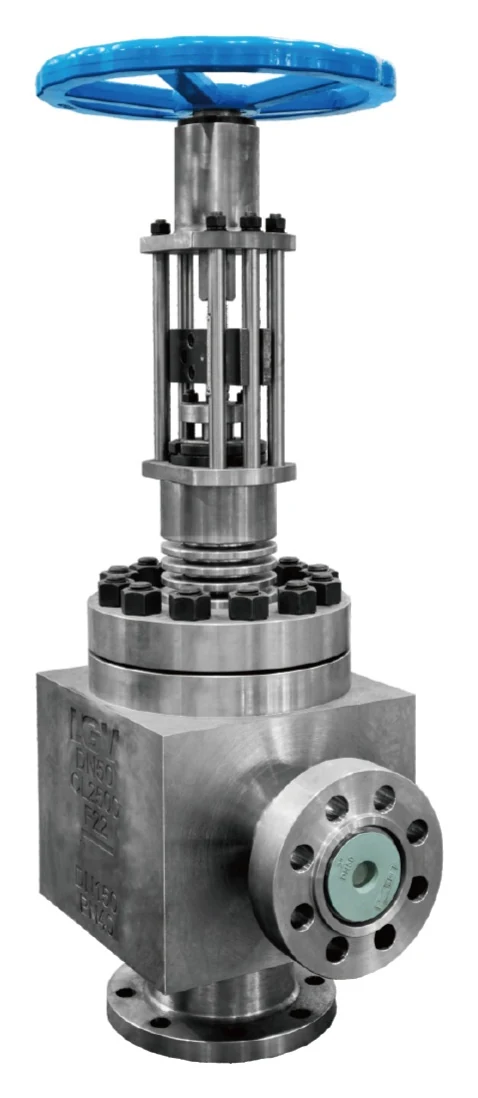
| Catalog images | Blue-bodied view (media 191); silver-bodied view (media 1398) | Both under this product label on physical PDF p. 65 |
| Pressure–temperature limit | Not established by this catalog label | Require material-specific allowable pressure at design temperature |
| Size, ends and materials | No verified orderable specification in supplied caption | Confirm size, connection, body, bonnet, stem, seat and gasket |
| Shutoff and test requirements | No verified acceptance standard or seat leakage class | Specify test criteria and request the proposed inspection documents |
For a purchase specification, request the supplier’s controlled general arrangement drawing, bill of materials, pressure–temperature rating and acceptance-test plan for the exact valve offered.
Application-specific procurement
How to specify a pressure-seal globe valve for hot, high-pressure duty
Select this product route only after identifying the line duty. A valve intended mainly for shutoff is not automatically suitable for frequent low-opening throttling; a pressure rating does not show that the valve can be opened against the specified differential pressure.
Shutoff versus throttling
For isolation, define the required seat leakage and the maximum shutoff differential pressure. For regulating service, provide minimum/normal/maximum flow and available pressure drop; ask for the offered valve’s flow characteristic and trim suitability. Repeated operation at a small opening under severe differential pressure may damage the seat or trim.
Temperature-adjusted pressure limit
Provide normal, design and transient pressure–temperature cases, including start-up and shutdown. Request the allowable rating at the highest relevant design temperature for the selected body and bonnet materials. A nominal pressure class alone is not a constant permissible pressure across all temperatures.
Materials and seal package
Identify steam, water or another actual fluid and any chemistry or erosion concerns. Obtain the proposed body/bonnet material grades, trim and seat treatment, pressure-seal gasket, stem packing and applicable material documentation. Verify thermal cycling and maintenance requirements rather than inferring materials from paint or metal appearance.
Connections, direction and operator
State pipe size and schedule, end type, required face-to-face or end-to-end envelope, flow direction, installation position and access space. For manual, geared or powered operation, request the required operating thrust or torque at the specified differential pressure; the catalog handwheel does not establish the final actuation package.
Commercial and inspection documents
Include quantity, project tag, governing standard and edition, controlled general arrangement drawing, proposed datasheet, test and seat-leakage criteria, material certificates and any inspection or witness hold points. These are RFQ requirements, not claims that every certificate or test is included by default.
Second catalog illustration
Silver-bodied view of the same catalog-listed valve
The catalog also shows this silver-bodied valve under the identical product name. Its visible handwheel and body arrangement provide another appearance reference, não an approved dimensioned drawing or proof of the final specified configuration.
Compare application routes
When another globe valve design may be the better inquiry
These linked catalog records are alternatives, not interchangeable configurations. Compare the body pattern, operating method, applicable standard and verified operating limits before specifying a replacement.
Válvula Globo Tipo Y com Atuador Elétrico
Consider the electric Y-type route when motor operation and a Y-pattern flow path are project requirements. Confirm actuator duty, end geometry and pressure-drop data on that product’s own datasheet.
Válvula Globo de Alta Pressão com Autovedação ASME
Its ASME descriptor identifies a separate catalog route. Request the specified standard edition and proof of conformity for the actual quotation rather than transferring any compliance claim to WP192.
Válvula Globo Tipo T de Alta Temperatura e Alta Pressão com Autovedação
A T-type configuration may change the piping and flow-path discussion. Ask for each valve’s general arrangement and pressure-loss data; no body pattern or performance can be assigned to WP192 from this linked title.
Technical buying questions
Pressure-seal power plant globe valve: buying questions
These distinctions should be resolved in the offered specification, not assumed from the catalog label.
Does “self-sealing” guarantee zero leakage through the valve?
No. The pressure-seal concept concerns the body-to-bonnet gasket. Disc-to-seat leakage is a separate requirement: state the shutoff differential pressure and the leakage test and acceptance criteria in the RFQ.
Is a high-temperature, high-pressure catalog name a confirmed rating?
No. Request the design standard and edition, material grades, pressure class and an allowable pressure–temperature statement for the selected configuration. Transients and maximum design temperature must also be checked.
Can either catalog photograph be used for fabrication dimensions?
No. Both pictures belong to the product label, but they do not validate size, connections, internal parts, dimensions or materials. Use the offered datasheet and approved general arrangement drawing.
Configuration-specific quotation
Request a technical quotation for this power plant globe valve
Quote the catalog identity CCE-R2-0012 and send the essential line conditions first. The proposed size, pressure–temperature capability, bonnet and seat details, end connection and document scope must be confirmed in the supplier’s written offer.
- Fluid; isolation or throttling duty; required seat leakage
- NPS/DN; design and normal pressure/temperature; transient cases; maximum shutoff ΔP
- Pipe/end connection; material and gasket requirements; installation space
- Handwheel, gear or powered actuation; operating frequency and available utilities
- Quantity; drawing, material, test and inspection documentation to be included