Aller au contenu

ROBINETS-VANNES / ISOLATION INDUSTRIELLE

Robinets-vannes industriels pour l'isolation tout-ou-rien

Parcourez les configurations de robinets-vannes à opercule, à chapeau à pression, à soufflet et à passage direct pour l'isolement industriel. Commencez par le service requis, puis ouvrez la fiche produit correspondante pour vérifier sa construction et demander un devis adapté à la configuration.

Commencez ici : Pour un service intermittent tout-ou-rien, établissez d'abord l'enveloppe de pression et de température, le fluide et les raccordements. Utilisez les groupes de produits ci-dessous pour affiner la construction, la disposition de la tige et l'actionnement.

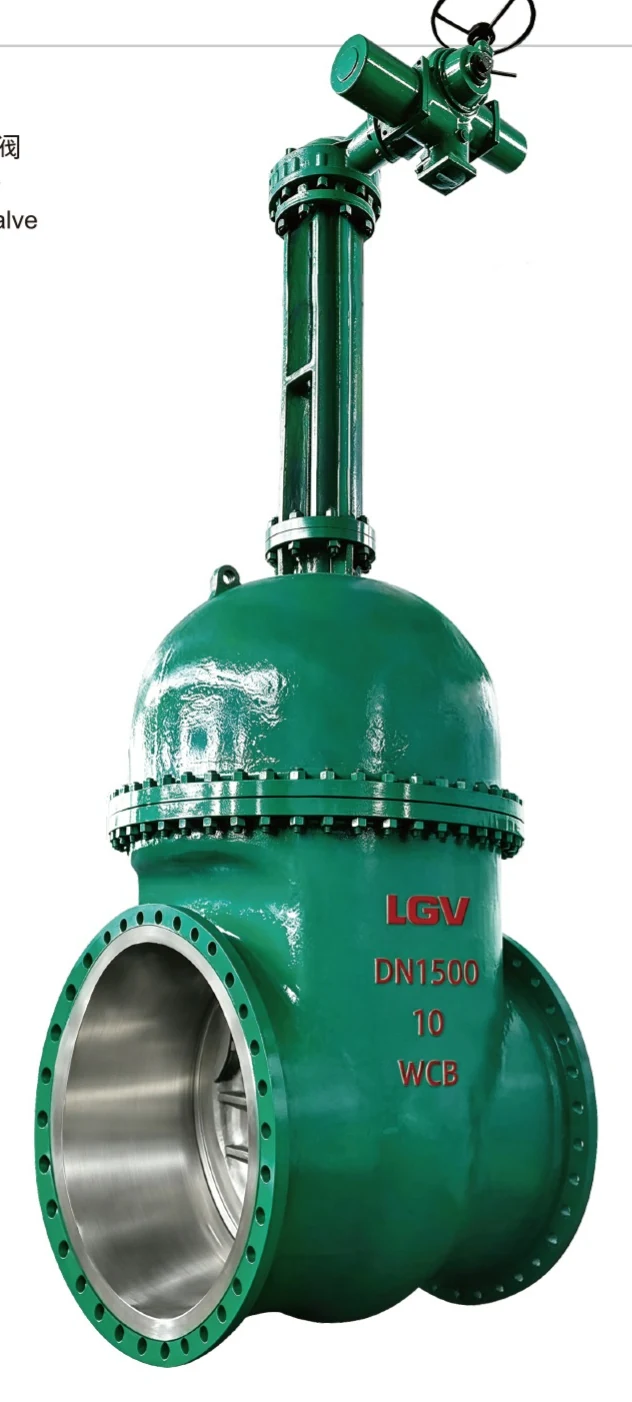
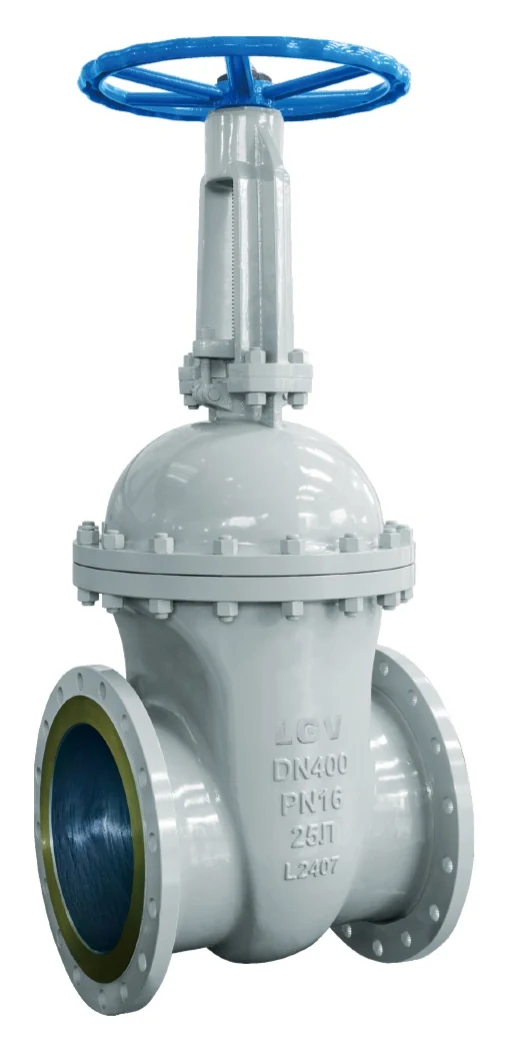
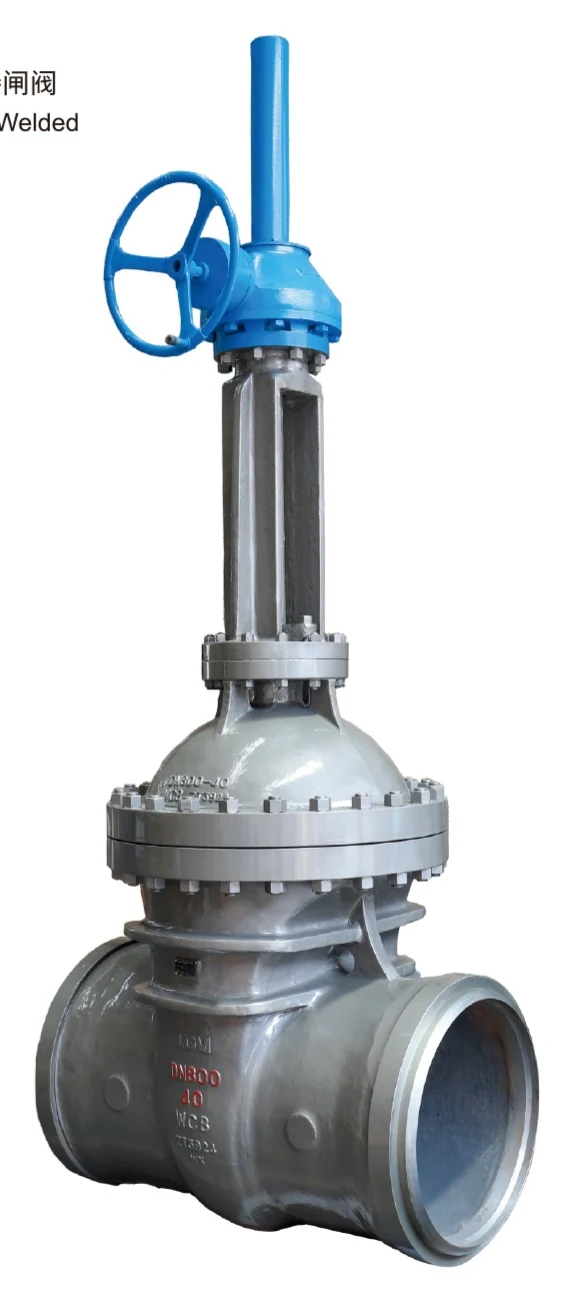
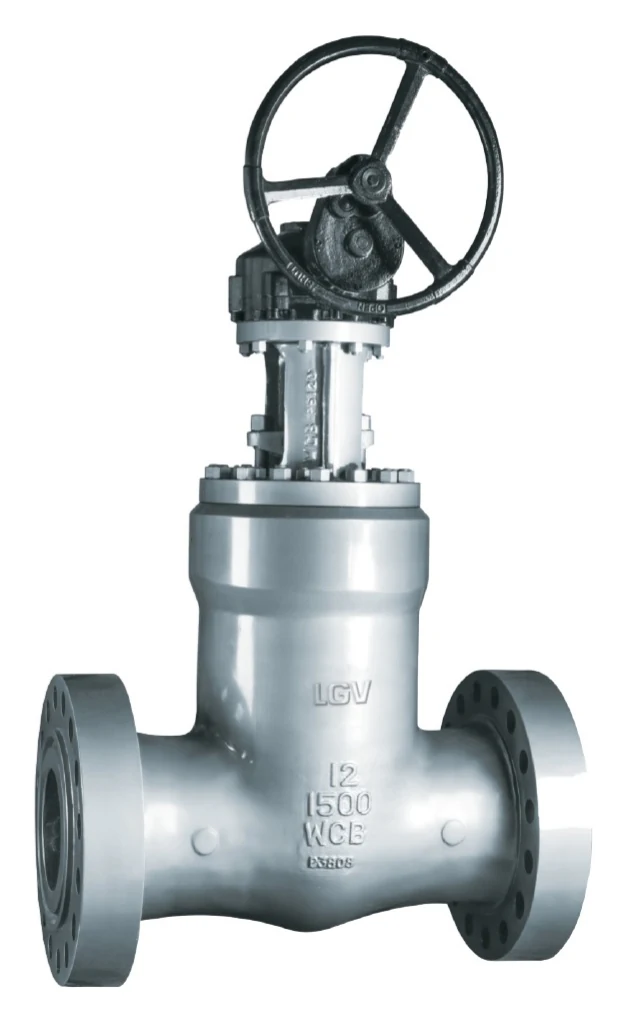
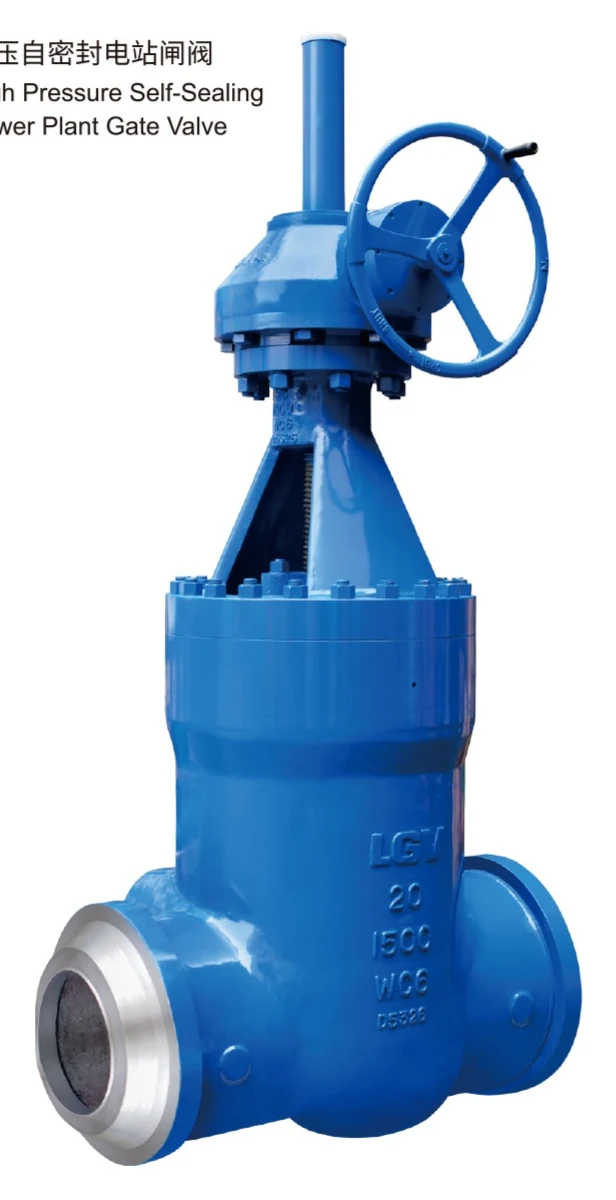
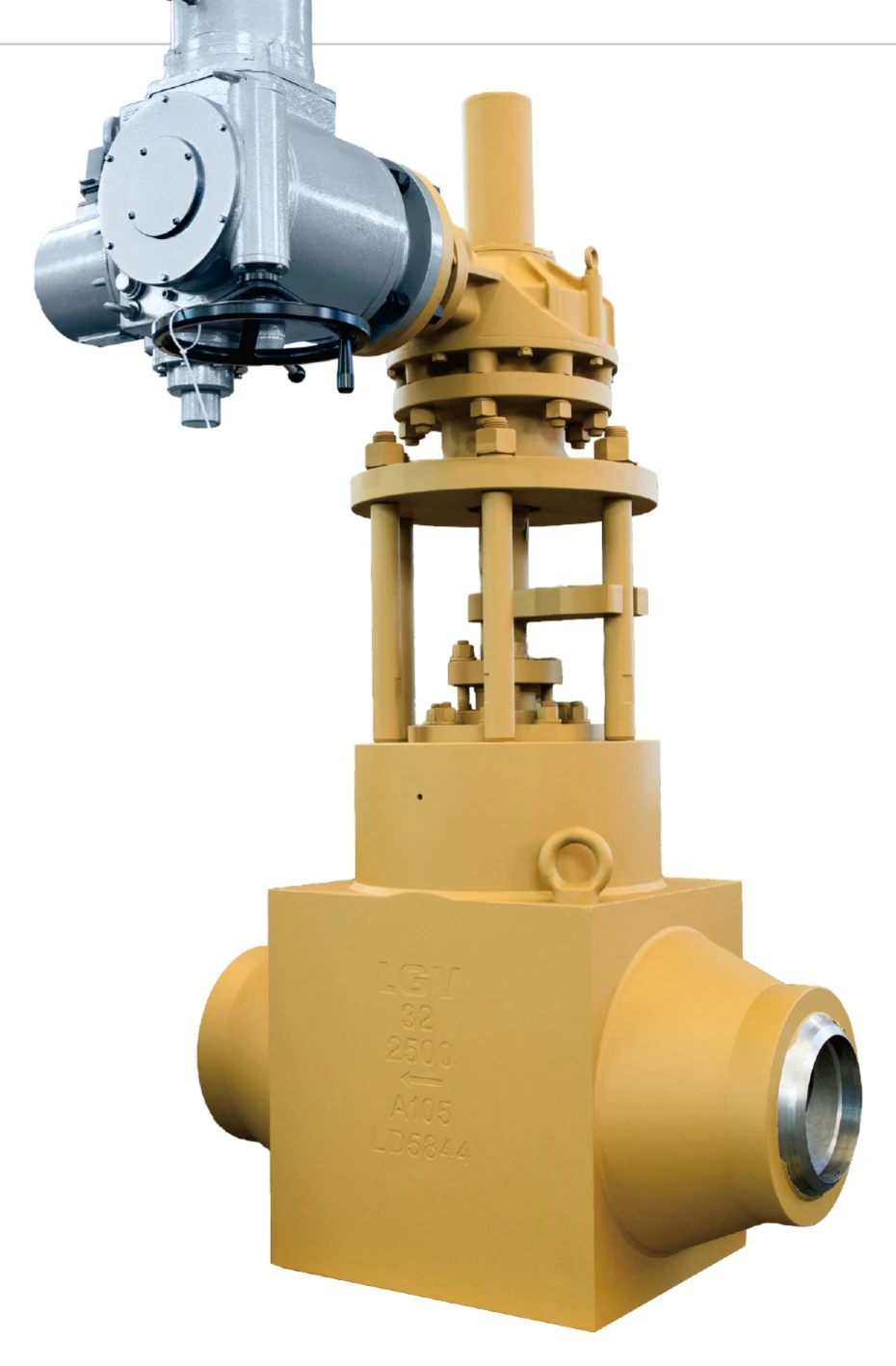
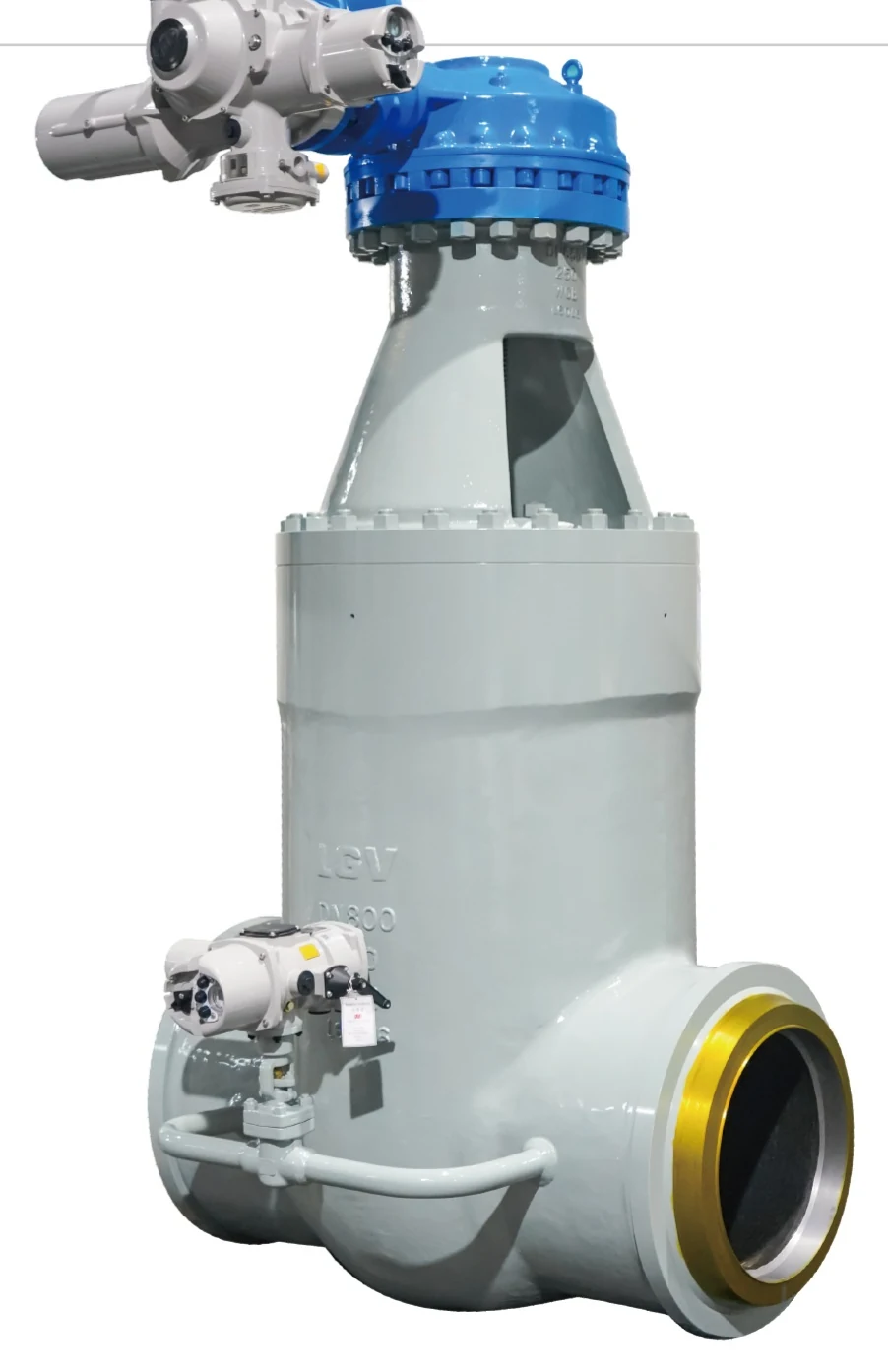
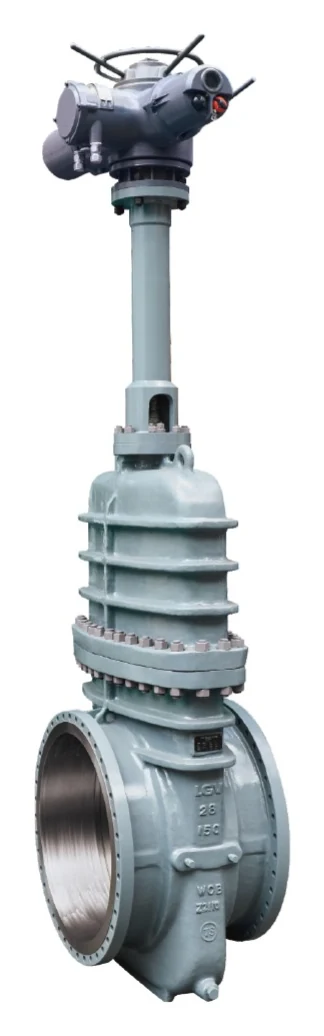
Large-diameter electric gate valve, catalog product image

CHOOSING THE RIGHT GATE CONSTRUCTION

Start with shutoff duty, then choose the gate construction

A gate valve is generally a line-isolation valve, not a routine throttling valve: prolonged partial opening can accelerate local wear and instability. If the duty needs frequent flow modulation, compare a suitable adapté au réglage or control valve instead. For on/off service, the three distinctions below direct your first product search.

Wedge versus slab gate

Start with a wedge-type gate for conventional shutoff where the piping and operating duty allow it. Examine a slab gate when pipeline bore geometry or isolation practice calls for one; a slab label by itself does not establish piggability or a full-bore passage. Confirm those features in the drawing.

Rising versus non-rising stem

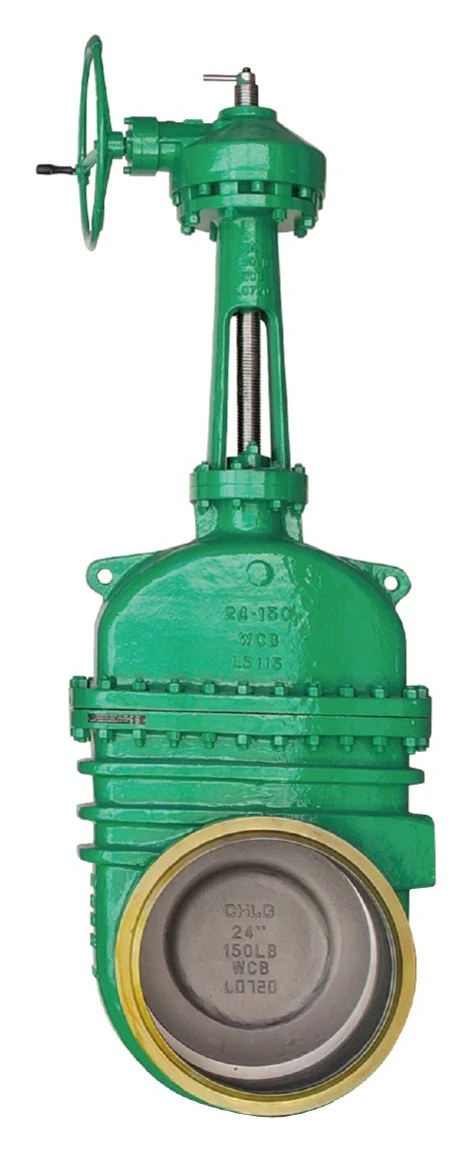
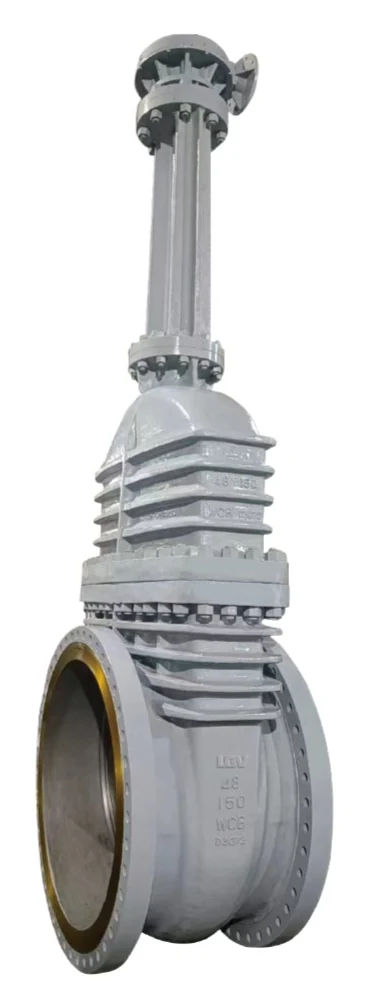
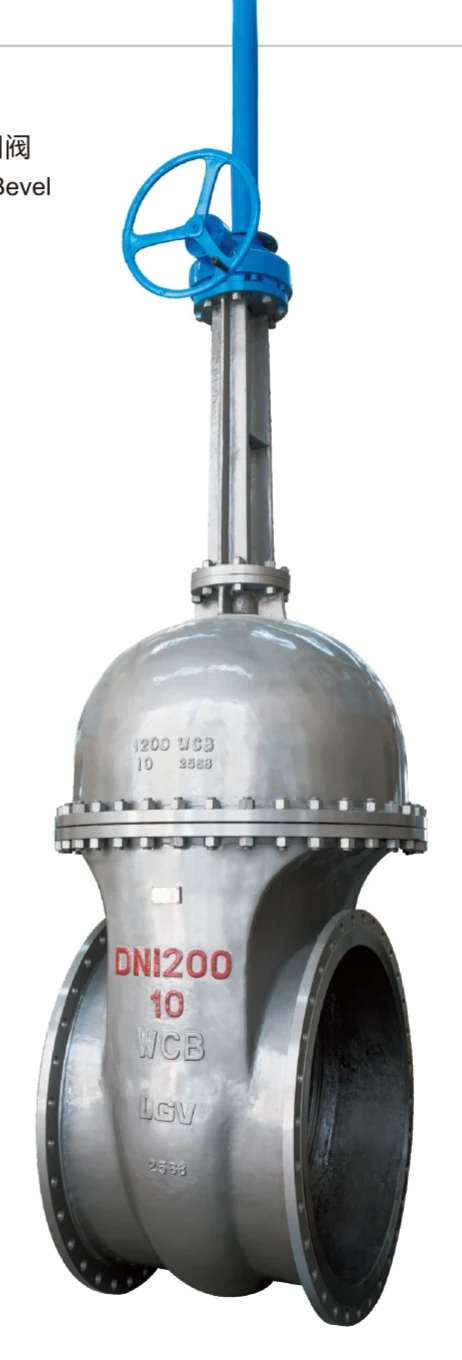
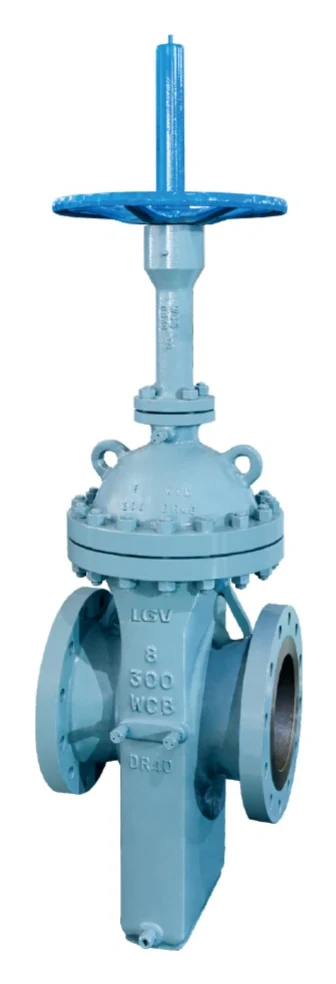
A rising stem gives visible travel indication but needs overhead clearance. A non-rising design reduces the external stroke envelope, while position indication and stem-thread exposure depend on construction. For buried or low-headroom installations, request the exact stem drawing and operating arrangement.

Handwheel, bevel gear or powered

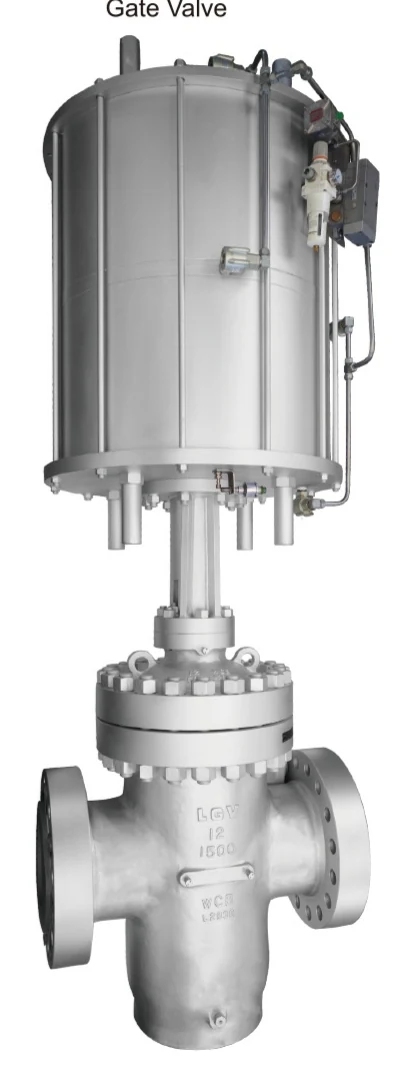
Do not choose electric actuation from nominal diameter alone. Required stem thrust or torque, maximum differential pressure during opening, duty frequency and available power determine the operator. Use manual/gear arrangements when the duty and accessibility permit; use powered actuation where remote operation or defined travel time is necessary.

SERVICE ROUTES

Which service changes the gate valve specification?

The same nominal size may require a different body, wedge, bonnet, stem seal and operator depending on service. These routes help narrow the catalog before comparing product details.

Water distribution and utility shutoff

For water networks, first identify pipe diameter, maximum differential pressure and frequency of operation. Confirm the required seat/lining system, end connection and site access; a generic steel wedge valve is not interchangeable with every resilient-seated or buried-service design.

Pipeline and bore-sensitive isolation

If pig passage or bore continuity is important, investigate slab gate configurations and require an actual bore drawing. For remote or buried operation, specify stem extension, gearing, actuator access and isolation sequence; do not infer these from the product name.

Steam, high pressure and cryogenic service

For high-temperature or high-pressure service, compare pressure-seal or other specified bonnet constructions with the rated material at operating temperature; the pressure class alone is insufficient. For cryogenic duty, discuss bonnet extension, packing temperature, material toughness and the applicable test/document requirements.

SPECIFICATION / RFQ

The minimum data that changes a gate valve quotation

A product entry identifies a design route; it is not a complete specification. Send the known operating case and request confirmation of the design features that affect installation, pressure integrity and operation.

Swipe to read the full table
Domaine de décisionÉléments à fournirCe que cela change
Service and shutoffFluid, solids/cleanliness, required leakage performance, isolation or emergency dutyRules out routine throttling; directs seat, wedge or slab and testing discussion
Pression et températureDesign and operating pressure; minimum, normal and maximum temperatureRequires matching body material and pressure-temperature rating, not class alone
Connections and passageNominal size, flange standard/facing or weld-end prep; bore or pigging requirementAvoids face-to-face, gasket, welding and bore mismatch
Construction and operationWedge/slab, bonnet and stem preference; headroom; manual, gear, pneumatic or electricDefines service fit, operating envelope and actuator sizing inputs
Project verificationApplicable standard and edition; drawings; test, material and inspection records requestedSeparates specification and order acceptance from catalog shorthand

WHAT TO EXPECT IN A TECHNICAL OFFER

A useful gate valve proposal specifies the actual configuration

Before comparing quotations, distinguish documented catalog identity from the offered assembly. The supplier should identify the governing construction, pressure boundary and test/document scope for the selected product—not present a generic catalog photo as a complete datasheet.

Materials and design basis

Compare the proposed body, bonnet, stem, wedge/seat materials, applicable standard and edition. For pressure-bearing valves, verify the allowable pressure at the actual design temperature rather than treating a Class number as a fixed pressure.

Operating envelope and interfaces

Request overall and face-to-face dimensions, end details, stem travel and, where powered, operator sizing basis and electrical/pneumatic interface. Verify required opening/closing time and access constraints before approving the arrangement.

Inspection and shipment documentation

State the required pressure/seat tests, material documents, witness hold points and packing identification in the purchase specification. Ask which records will be supplied for the quoted model and purchase order; a catalog listing is not proof that those records have been issued.

GATE VALVE INQUIRY

Send the duty and receive a configuration review

Send the available pipe and operating data, relevant specification or drawing, and the gate valve entries you are considering. Identify unknown items rather than guessing. VALMORA can then discuss the required construction and quote scope against your request.

Fields marked * are required.