
Categoría de producto industrial
Válvulas industriales de seguridad y alivio
Consulte diseños de catálogo accionados por resorte, equilibrados y pilotados para protección industrial contra sobrepresión. La válvula adecuada se determina por el escenario de alivio creíble, la capacidad requerida, la presión de consigna, el fluido y la contrapresión de descarga—no por una foto del producto ni por el tamaño de entrada únicamente.
Comience aquí: compare a continuación las identidades de producto documentadas y, después, facilite el equipo protegido y la base de diseño del alivio para una consulta técnica específica de la configuración.

Ver productos de válvulas de seguridad y alivio
Estas 13 entradas existentes del catálogo conducen a páginas de producto individuales. Los nombres de modelo identifican una posible familia de diseño; no establecen una capacidad de alivio nominal, una certificación, un grado de material ni la idoneidad de instalación. Utilice la página de producto enlazada como punto de partida para la consulta.


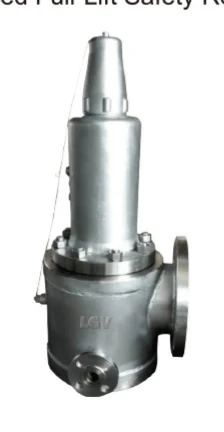
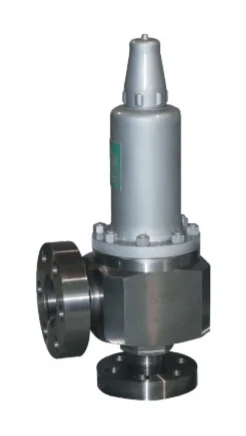
A42Y-420P · Familia de elevación total
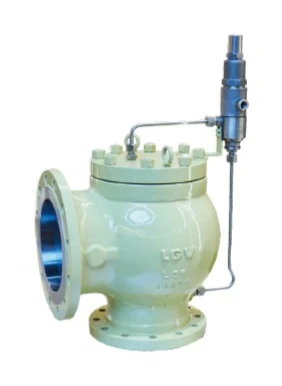
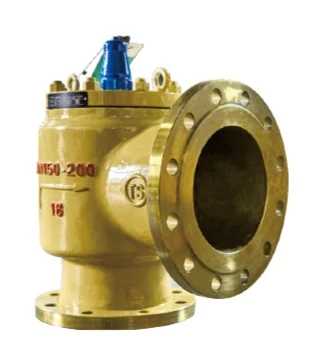
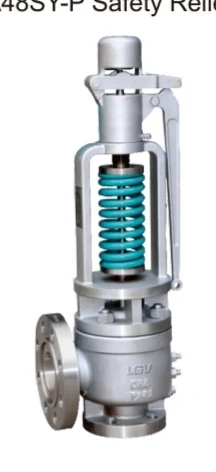
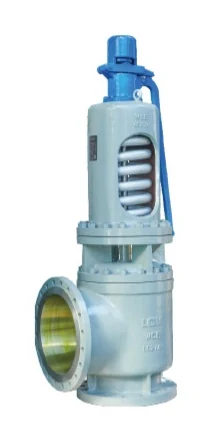
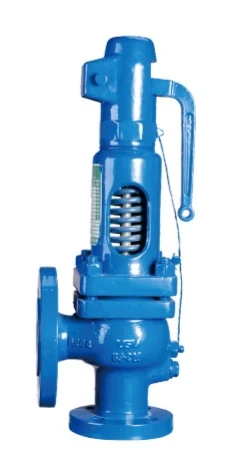
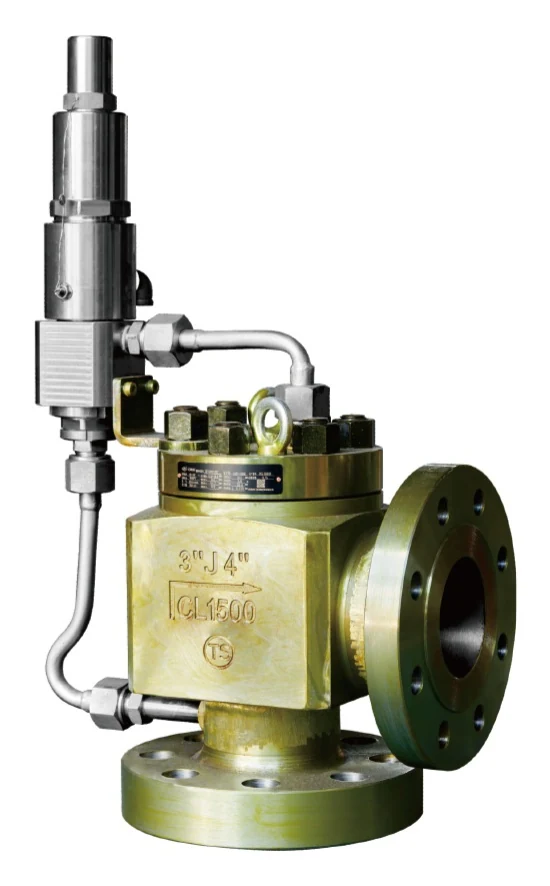
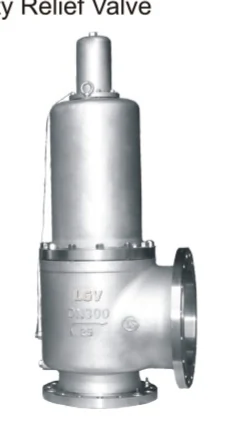
Con camisa · Equilibrada para contrapresión

Engineering pain points
Three cases that need engineering input before quoting
Unknown relieving load: a nominal inlet size or operating pressure cannot replace the required relieving mass or volumetric flow at stated conditions.
Unresolved discharge conditions: if a common header, variable back pressure or return-flow risk is possible, the outlet system and pilot/balanced arrangement must be reviewed together.
Unverified code scope: a catalog label is not an ASME stamp, approved capacity certificate or permission to substitute one valve for another. Obtain the governing design basis and unit-specific evidence before specifying protection.
- No relieving scenario or capacity basis
- Set pressure too close to normal operating pressure without review
- Unknown discharge back pressure
- Unsupported code stamp, certification or approval assumptions
Selection framework
Choose the relief mechanism from the service, not the label
Begin with the overpressure scenarios identified by the responsible protection engineer. Establish the allowable accumulation/overpressure basis and required relieving rate under each controlling case. Only then compare valve construction, sizing, inlet loss, outlet pressure and discharge arrangements.
Conventional or balanced spring-loaded?
A conventional spring-loaded design may be considered when the evaluated outlet conditions permit its opening behavior and capacity. Where superimposed or built-up back pressure changes materially, assess a balanced design, its limits and bonnet vent arrangement instead of assuming a conventional valve is equivalent.
When to consider pilot operation
Pilot-operated designs are a separate route when operating margin, back pressure or system requirements make them worth evaluating. Check sensing and pilot discharge paths, possible fouling, reverse differential and failure behavior against the specific proposed design; the word “pilot” alone does not guarantee stable operation or capacity.
Gas, steam and liquid are not interchangeable sizing cases
Fluid phase, relieving temperature and properties affect the required calculation and valve performance. A gas-rated capacity or nozzle label cannot be reused for liquid or steam without the applicable method and evidence. Mixed-phase or flashing service requires explicit engineering assessment.
Specification and procurement
What makes a safety valve RFQ technically reviewable?
Separate system data supplied by the protection designer from valve information to be evidenced by the supplier. The category cannot certify a sizing calculation. A valve may look mechanically suitable but remain unselectable until relieving capacity and discharge behavior are established.
| Decisión | Project input / required evidence | Consecuencia en la selección |
|---|---|---|
| Protected equipment | Equipment identity, design limit/MAWP where applicable, applicable code and jurisdiction | Determines which protection rules and approvals govern the duty |
| Caso de alivio y capacidad | Credible scenarios, set pressure, relieving pressure/temperature and required mass or volumetric rate with basis | Sets the required capacity; a connection size alone cannot establish it |
| Fluid | Composition, phase, relevant density/thermophysical properties, corrosion/solids risks | Changes sizing method, material and trim assessment |
| Discharge and inlet | Superimposed and built-up back pressure, header cases, inlet losses and outlet destination | Influences opening, capacity, stability, safe routing and installed performance |
| Valve configuration | Proposed model, inlet/outlet ends, effective orifice, applicable spring/pilot/balancing design, dimensions | Supplier must evidence fit and capacity for the stated conditions |
| Approval and deliverables | Required code designation, certified rating evidence, drawing, test/inspection and material documents | Confirm availability and exact scope for the quoted unit before acceptance |
Application intent
The same catalog family can serve different protection duties
A vessel relief case, steam boiler application and back-pressure-sensitive header may need different design rules and evidence. Use the following distinctions to decide what to send with your inquiry.
Pressure vessel or process piping
Have the protection engineer identify controlling events, such as blocked discharge or control failure where credible for the actual process, and quantify the load. Nominal size, operating pressure and generic industry labels are not substitutes for a relief study.
Boiler or steam duty
Confirm the protected equipment type and applicable boiler or pressure-equipment code before choosing a steam safety valve. A pressure-vessel relief device or capacity record should not be presumed acceptable for a boiler simply because its set pressure appears similar.
Relief to a common discharge header
Provide minimum/maximum header pressures, possible simultaneous relieving cases and outlet routing. Evaluate back pressure and inlet losses before choosing between conventional, balanced and pilot configurations; a back-pressure-resistant label does not prove unrestricted capacity.
Arquitectura del producto
Find the right catalog route
Esta página abarca overpressure protection. The existing Pressure Relief Valves series leads to another catalog-level view. For normal downstream pressure regulation rather than emergency relief, use the separate Válvulas reductoras de presión category; these functions are not interchangeable.
Commercial procurement intent
Compare suppliers by the evidence behind the offered valve
A supplier can offer a catalog configuration without proving a particular unit meets a regulated service. Compare responses to the same submitted relieving case, not just a model name or unit price.
Capacity and set-pressure evidence
Ask for rated/certified capacity evidence applicable to the valve, fluid, conditions and required approval scope, together with proposed set pressure and any relevant cold-differential-test-pressure treatment. Do not accept a generic catalog flow number as the protected-system sizing result.
Installed arrangement
Obtain inlet/outlet drawings, orientation, maintenance clearances and the proposed handling of back pressure, bonnet vent or pilot sensing/discharge. The installation engineer remains responsible for line losses, discharge routing and the protected pressure boundary.
Unit-specific documents
Request the datasheet, material and inspection/test records, marking/nameplate details and any required code certificate for the quoted configuration. If documents are not available or their scope is unclear, keep that requirement open rather than treating a supplier statement as a certificate.
Documented evidence and claim limits
What the supplier catalog can substantiate
The original catalog shows named products and physical configurations, including A48SY spring-loaded variants, A42Y models and A46F/A46Y pilot-operated families. It is establecen a pressure rating table, certified relieving-capacity schedule or proof of code-mark authorization for every listed valve.
Product identity and pictures
Catalog photographs may help distinguish external configurations. The two examples pictured here are labeled A48SY-P and A48SY-V in the supplier spread; verify any dimension, spring or trim difference against a model drawing rather than treating the images as interchangeable.
Operating and installation limits
Ask the supplier to confirm material, connection, temperature suitability, rated capacity and allowable back pressure for the precise unit. These attributes cannot be determined from the suffix or visible body shape.
Approvals are product-specific
If ASME certification or another jurisdictional approval is required, verify the current certificate holder, designation and device listing for the proposed model; a catalog page alone makes no approval claim.
Preguntas del comprador
Important questions before a safety valve order
These distinctions can change the valve choice even when two catalog bodies appear similar.
Can any pilot-operated relief valve tolerate high back pressure?
No blanket assumption is valid. Pilot design, sensing and discharge connections, possible reverse differential and manufacturer-specific capacity corrections must be evaluated at the actual header conditions. In some arrangements an additional backflow-protection feature may be required.
Can two valves with the same inlet size be substituted?
Not on size alone. Compare the governing approval, effective orifice and applicable rated capacity, set pressure, fluid, inlet/outlet losses, discharge back pressure and mechanical fit. The protected-system engineer must accept any substitution.
Can one valve protect several connected vessels?
Only after reviewing the actual pressure-boundary connections, isolation states and credible simultaneous scenarios. A shared valve must still provide an available, adequate relief path for every equipment item it is intended to protect; the catalog cannot establish that system arrangement.
Commercial routing
Continue to products, applications or technical inquiry
Use the product hub for other valve functions, industry pages for operating context and the inquiry form below for a specified relief duty. These links do not substitute for the product documentation required by your project.
Ver todos los productos de válvulas
Browse other valve families when the intended duty is regulation, isolation or flow control rather than overpressure protection.
Review industry applications
Explore application context, then identify the exact vessel, piping or steam duty in the relief request.
Inspect manufacturing and quality
See published manufacturing context; ask separately for records and approval scope specific to the safety valve being quoted.
Use technical resources
Read technical background on valve principles and selection without substituting an article for the required project relief calculation.
Consulta técnica
Request a safety and relief valve quotation
Submit the available protection design basis and any preliminary model. If required relieving capacity or the governing code is not yet defined, say so: request an initial catalog discussion, not a confirmed protection selection. Technical suitability remains subject to the responsible engineer’s review and documented supplier response.
- Protected equipment, MAWP/design limit and code or jurisdiction
- Credible relieving scenarios and required capacity with units
- Normal/max operating pressure, set and relieving pressure, operating/relieving temperature
- Fluid, phase, composition and properties at relief
- Inlet piping losses and outlet/header back-pressure cases
- Preferred catalog model, connection and dimensional drawing
- Required approval/marking and certification scope
- Datasheet, material, testing and inspection records requested