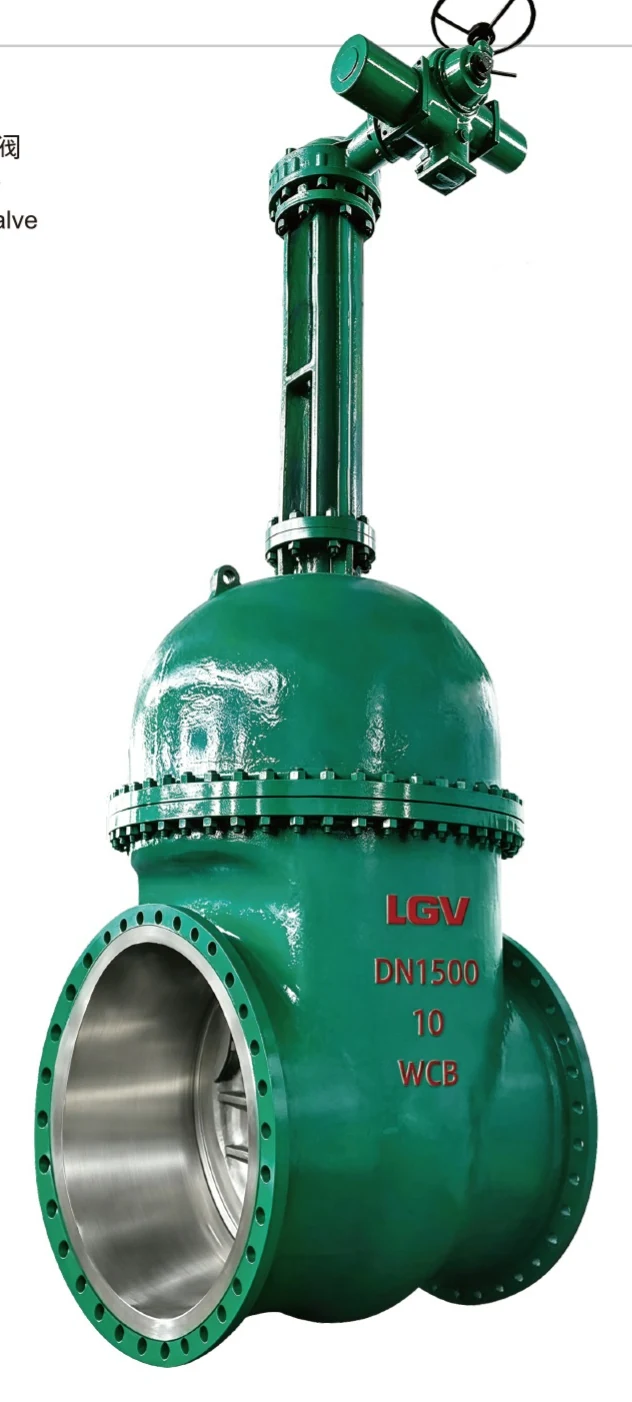
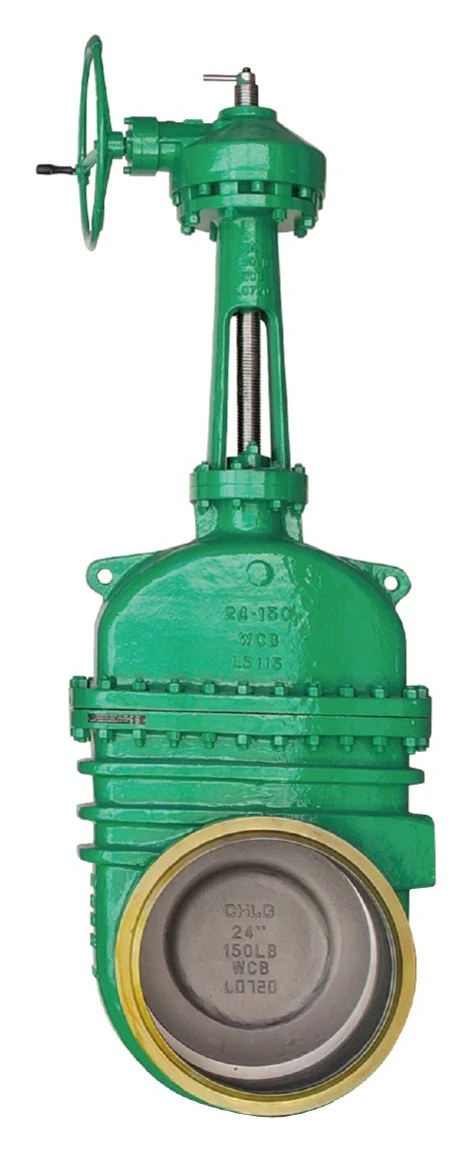
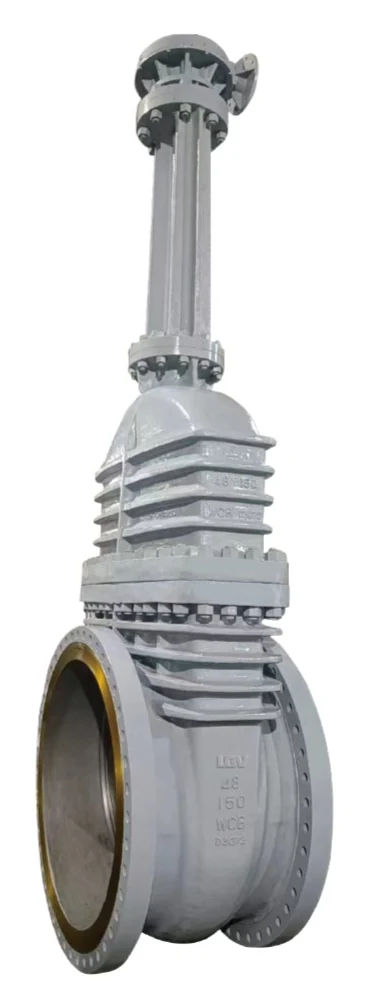
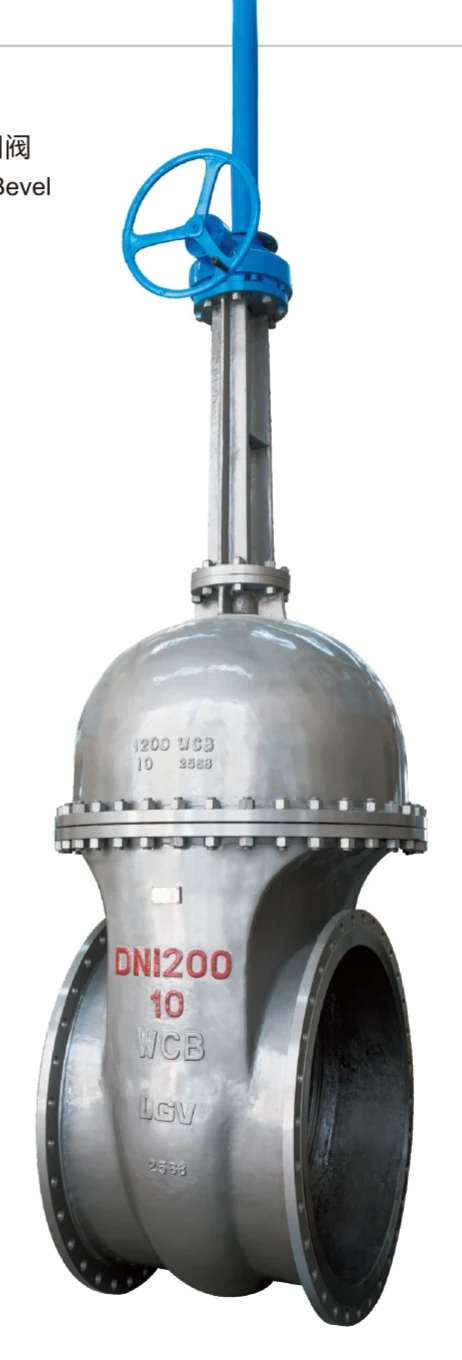
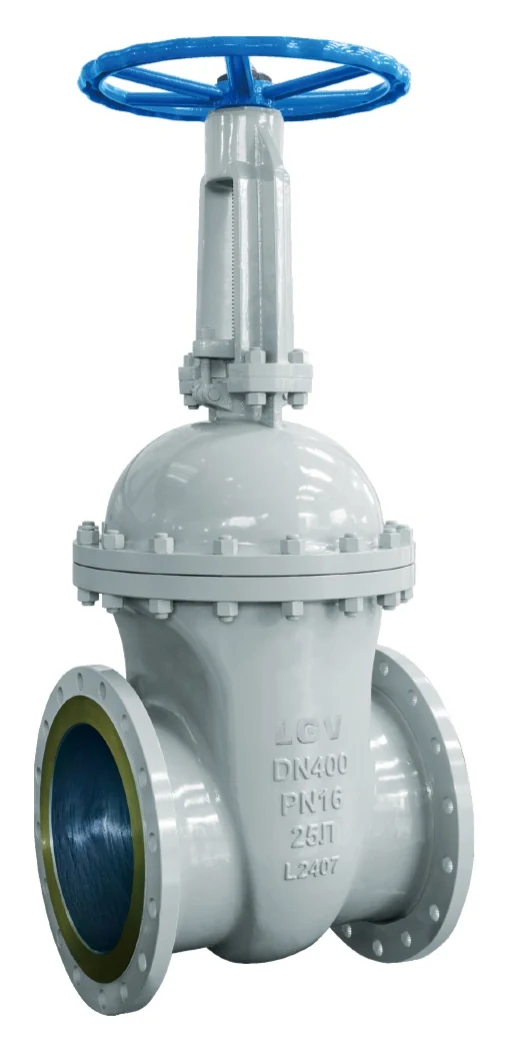
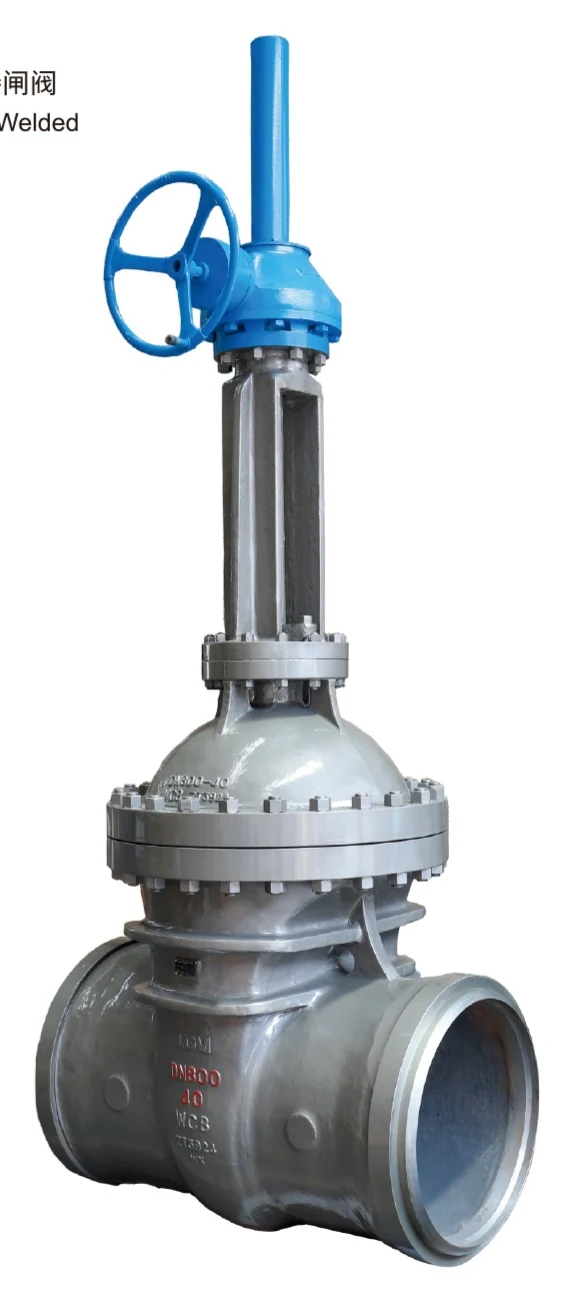
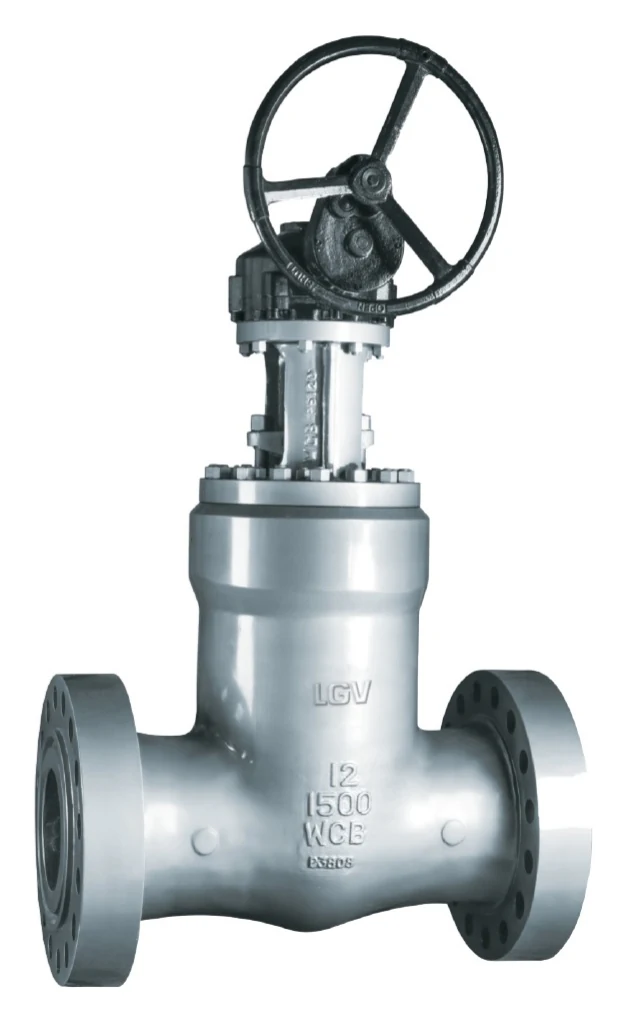
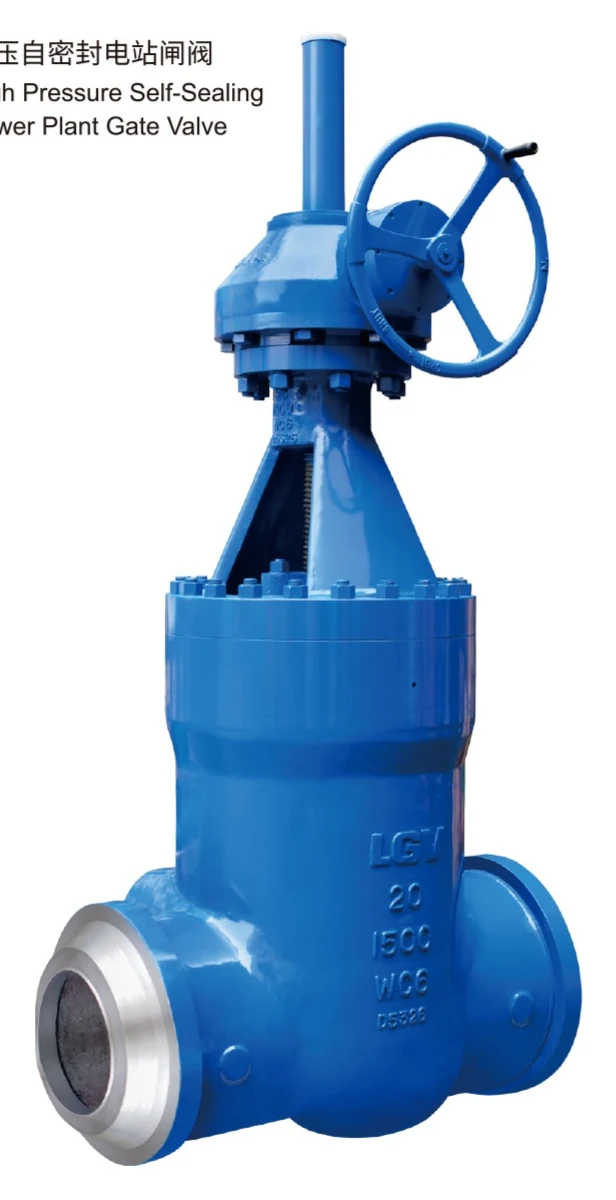
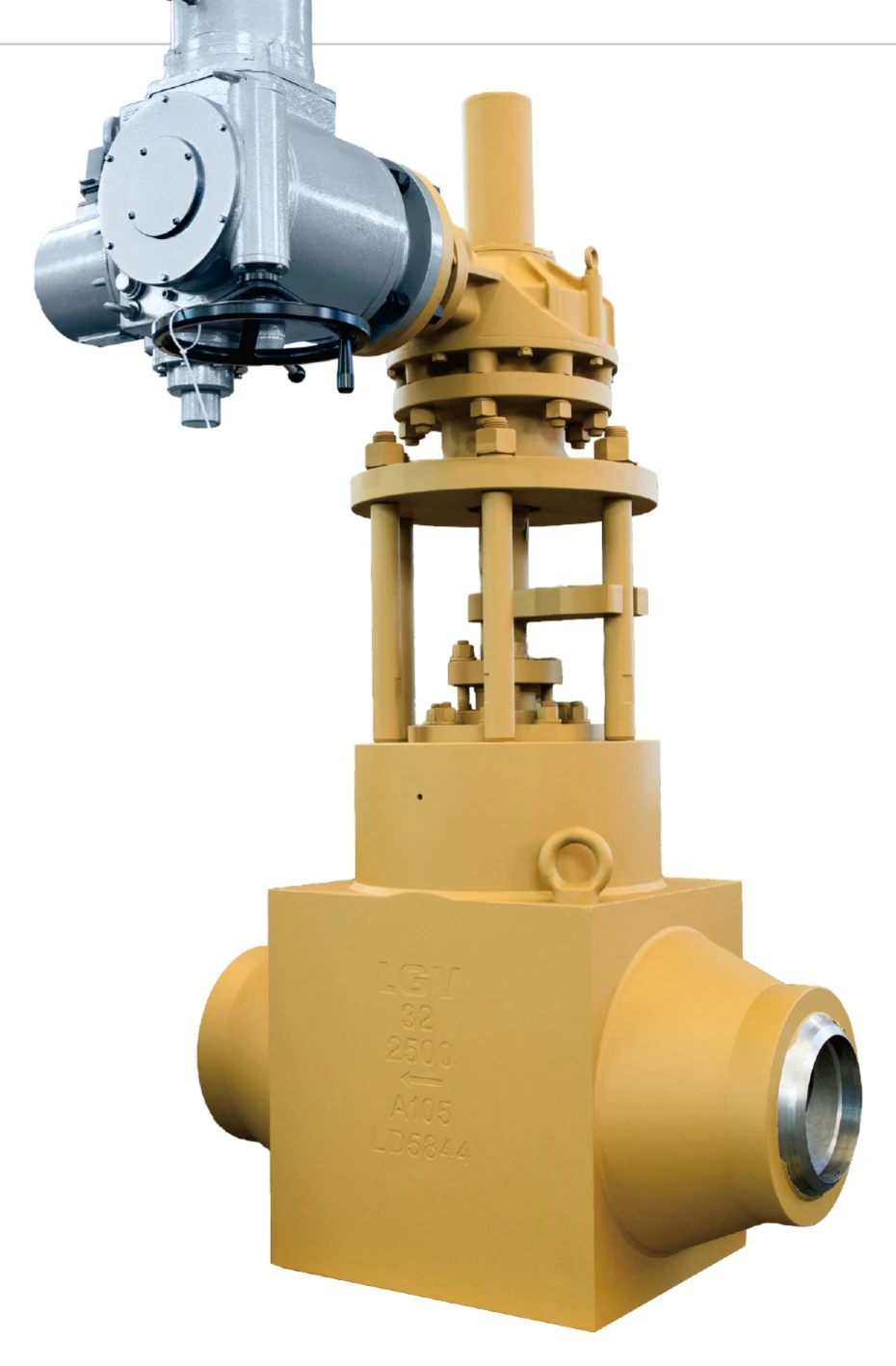
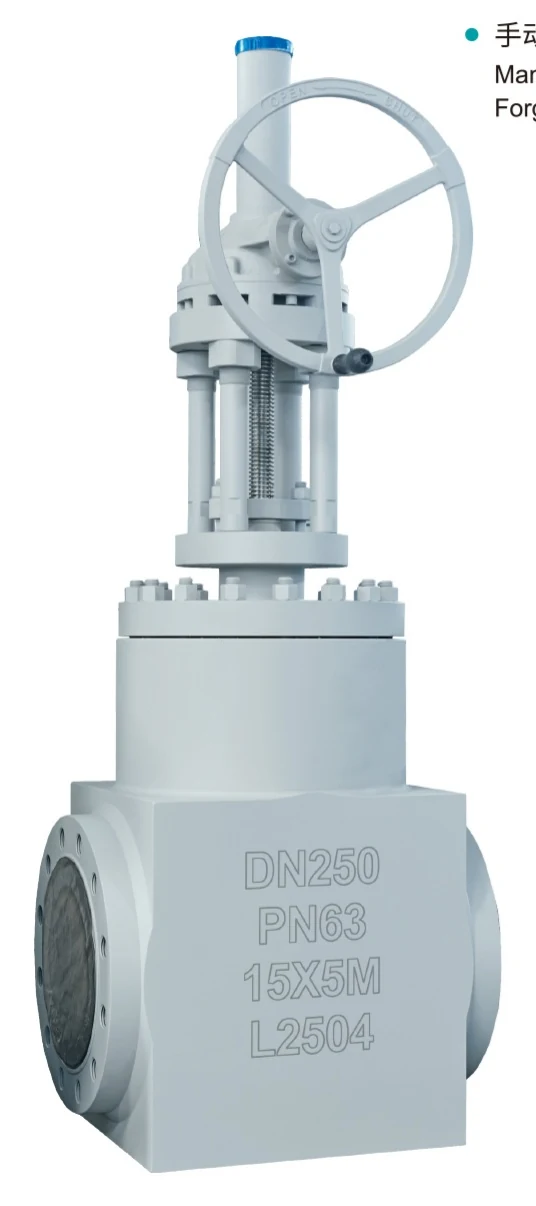
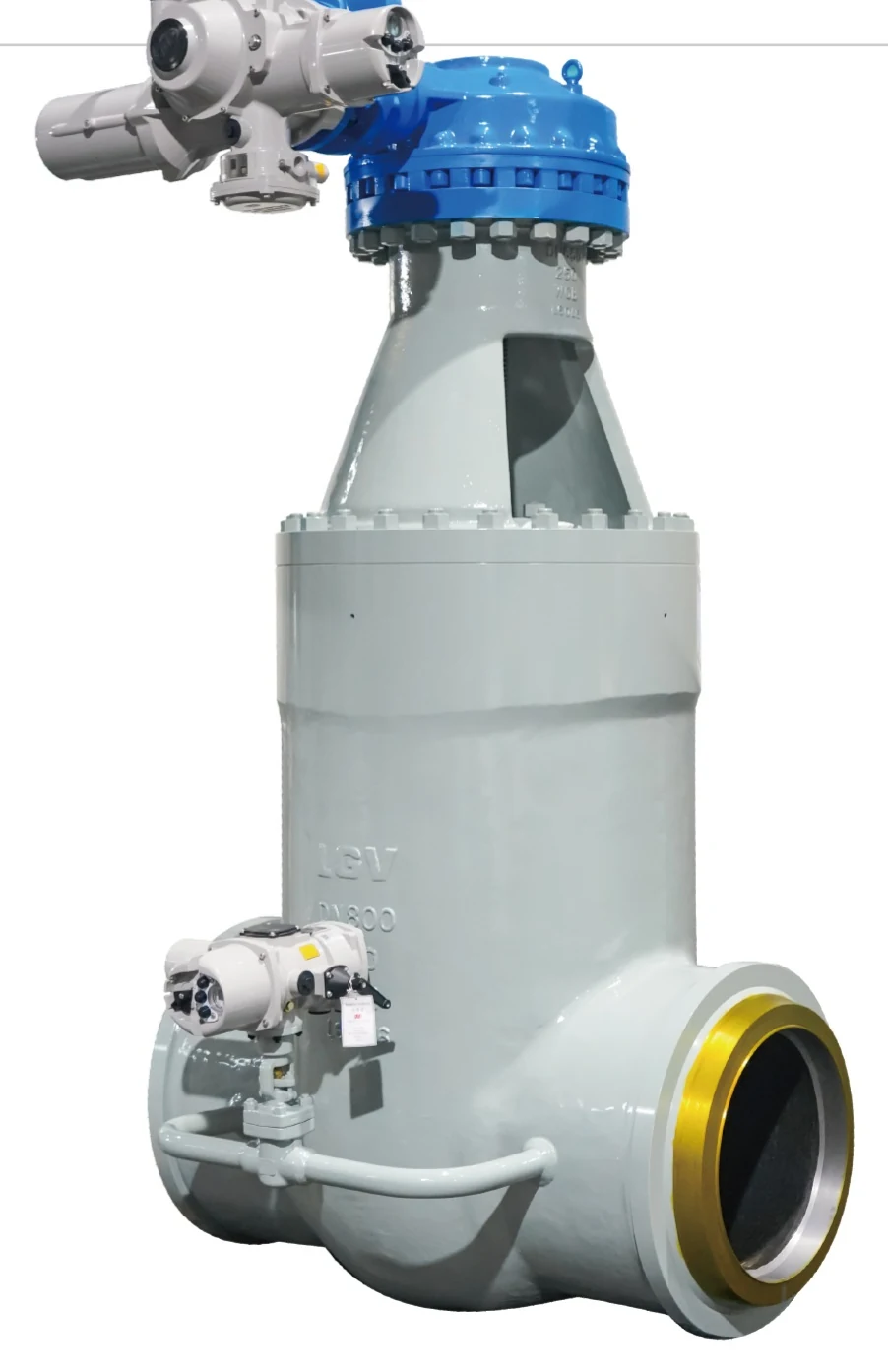
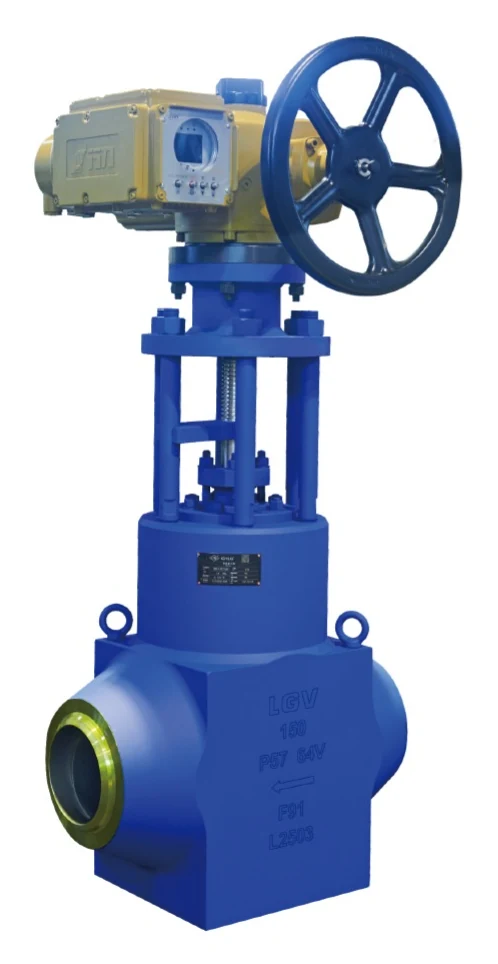
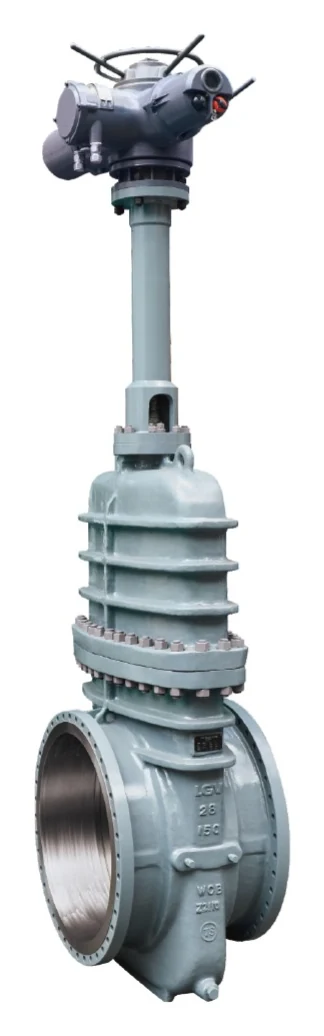
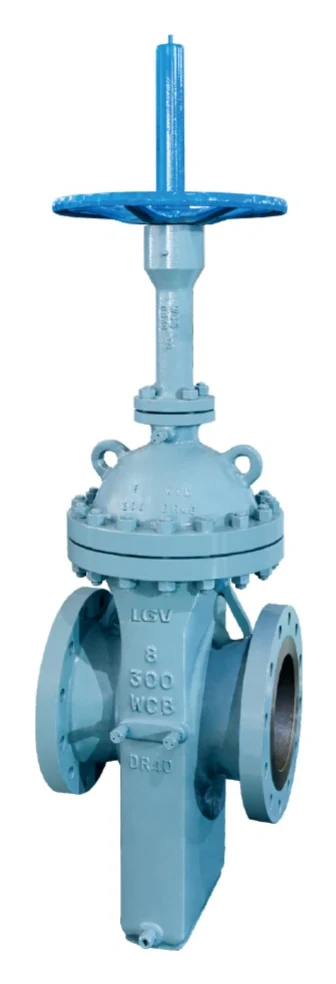
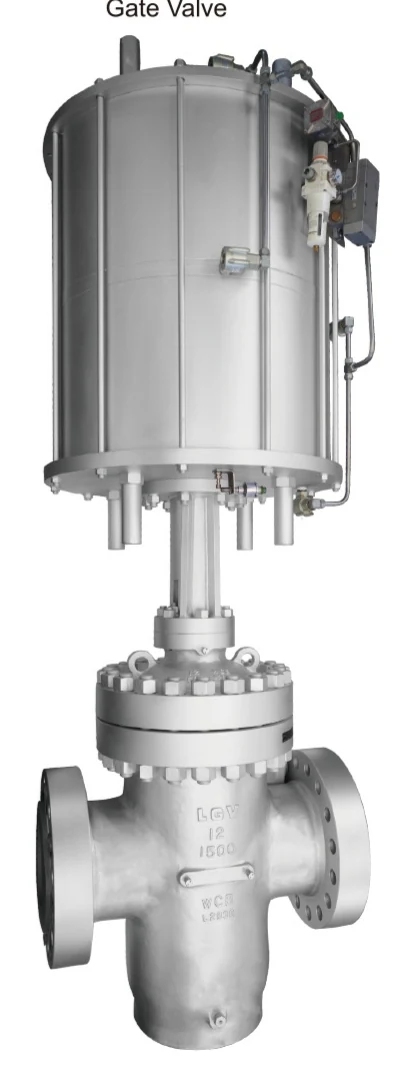
Válvulas de compuerta industriales para aislamiento todo-nada
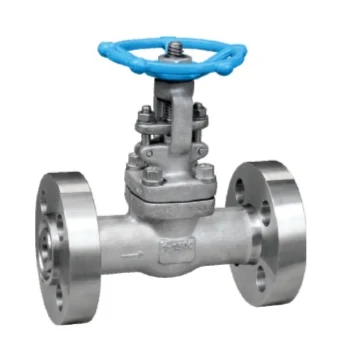
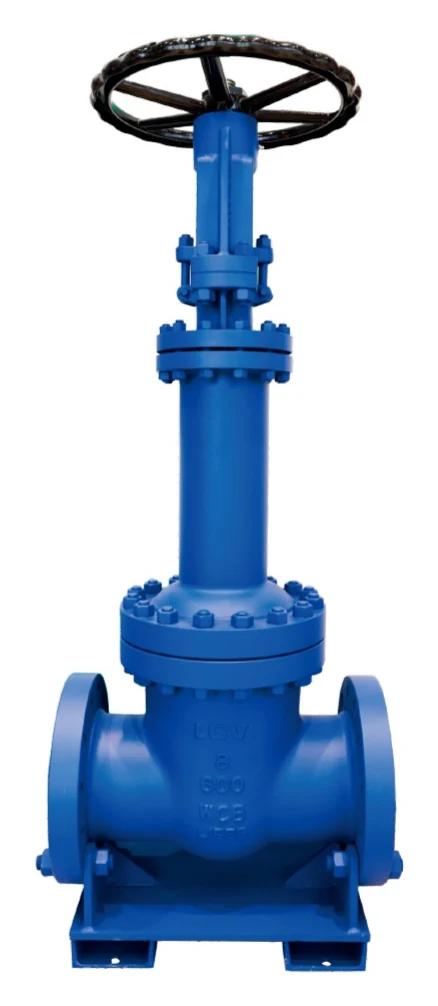
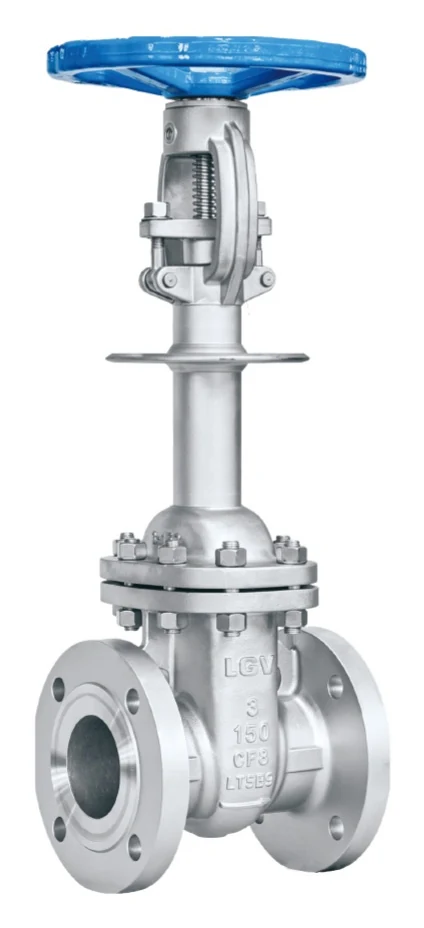
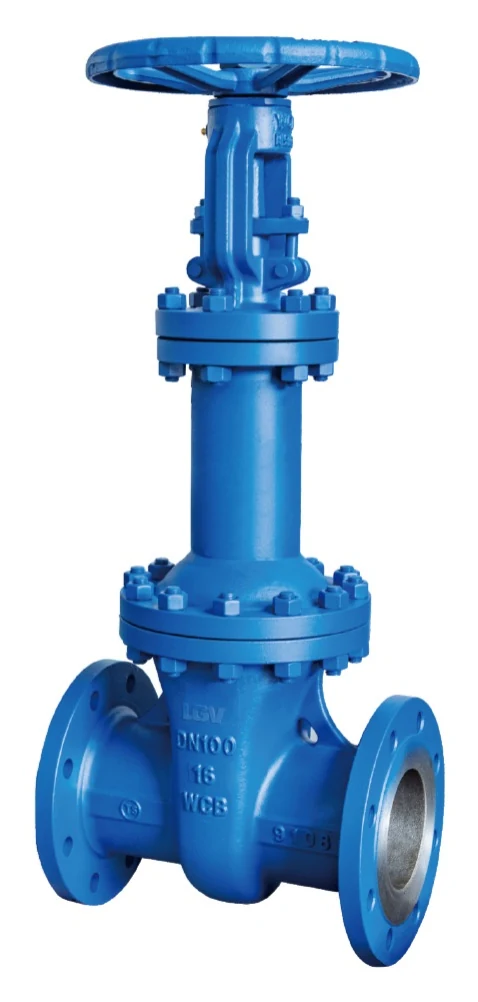
Consulte configuraciones de válvulas de compuerta de cuña, con bonete de presión, con sello de fuelle y de tipo slab para cierre industrial. Comience por el servicio requerido y, a continuación, abra la entrada de producto correspondiente para comprobar su construcción y solicitar una cotización específica para su configuración.
Comience aquí: Para servicio intermitente todo-nada, establezca primero el rango de presión y temperatura, el fluido y las conexiones de extremo. Utilice los grupos de productos a continuación para acotar la construcción, la disposición del vástago y la actuación.
Consultar configuraciones de válvulas de compuerta
Seleccione por construcción o requisito de operación. Los nombres de producto enlazan a entradas individuales del catálogo; las medidas, materiales, clasificaciones de presión-temperatura y ensayos disponibles deben confirmarse para la configuración solicitada.
Aislamiento general: accionamientos, extremos y disposiciones del vástago
Compare las conexiones de extremo, la holgura del vástago y las disposiciones de operación antes de elegir un diseño de cierre específico; el nombre del catálogo no establece una clasificación universal.
Diseños de sello de presión, para centrales eléctricas y de alta presión
El bonete de sello de presión es una elección de construcción, no una clasificación de presión universal. Verifique el material nominal, las condiciones de diseño, el operador y la especificación aplicable.
Variantes criogénicas, con fuelle de sellado y de materiales especiales
Low-temperature construction, stem sealing and special alloys address different service conditions. Select the individual entry according to temperature, fluid and required documents.
These names originate from control-related catalog entries. Confirm the actual closure element, drawing and operating sequence before specifying isolation service.
Start with shutoff duty, then choose the gate construction
A gate valve is generally a line-isolation valve, not a routine throttling valve: prolonged partial opening can accelerate local wear and instability. If the duty needs frequent flow modulation, compare a suitable clasificada para estrangulamiento or control valve instead. For on/off service, the three distinctions below direct your first product search.
Wedge versus slab gate
Start with a wedge-type gate for conventional shutoff where the piping and operating duty allow it. Examine a slab gate when pipeline bore geometry or isolation practice calls for one; a slab label by itself does not establish piggability or a full-bore passage. Confirm those features in the drawing.
Rising versus non-rising stem
A rising stem gives visible travel indication but needs overhead clearance. A non-rising design reduces the external stroke envelope, while position indication and stem-thread exposure depend on construction. For buried or low-headroom installations, request the exact stem drawing and operating arrangement.
Handwheel, bevel gear or powered
Do not choose electric actuation from nominal diameter alone. Required stem thrust or torque, maximum differential pressure during opening, duty frequency and available power determine the operator. Use manual/gear arrangements when the duty and accessibility permit; use powered actuation where remote operation or defined travel time is necessary.
SERVICE ROUTES
Which service changes the gate valve specification?
The same nominal size may require a different body, wedge, bonnet, stem seal and operator depending on service. These routes help narrow the catalog before comparing product details.
Water distribution and utility shutoff
For water networks, first identify pipe diameter, maximum differential pressure and frequency of operation. Confirm the required seat/lining system, end connection and site access; a generic steel wedge valve is not interchangeable with every resilient-seated or buried-service design.
Pipeline and bore-sensitive isolation
If pig passage or bore continuity is important, investigate slab gate configurations and require an actual bore drawing. For remote or buried operation, specify stem extension, gearing, actuator access and isolation sequence; do not infer these from the product name.
Steam, high pressure and cryogenic service
For high-temperature or high-pressure service, compare pressure-seal or other specified bonnet constructions with the rated material at operating temperature; the pressure class alone is insufficient. For cryogenic duty, discuss bonnet extension, packing temperature, material toughness and the applicable test/document requirements.
SPECIFICATION / RFQ
The minimum data that changes a gate valve quotation
A product entry identifies a design route; it is not a complete specification. Send the known operating case and request confirmation of the design features that affect installation, pressure integrity and operation.
Swipe to read the full table
Área de decisión
Qué datos debe proporcionar
Qué modifica
Service and shutoff
Fluid, solids/cleanliness, required leakage performance, isolation or emergency duty
Rules out routine throttling; directs seat, wedge or slab and testing discussion
Presión y temperatura
Design and operating pressure; minimum, normal and maximum temperature
Requires matching body material and pressure-temperature rating, not class alone
Connections and passage
Nominal size, flange standard/facing or weld-end prep; bore or pigging requirement
Avoids face-to-face, gasket, welding and bore mismatch
Construction and operation
Wedge/slab, bonnet and stem preference; headroom; manual, gear, pneumatic or electric
Defines service fit, operating envelope and actuator sizing inputs
Project verification
Applicable standard and edition; drawings; test, material and inspection records requested
Separates specification and order acceptance from catalog shorthand
WHAT TO EXPECT IN A TECHNICAL OFFER
A useful gate valve proposal specifies the actual configuration
Before comparing quotations, distinguish documented catalog identity from the offered assembly. The supplier should identify the governing construction, pressure boundary and test/document scope for the selected product—not present a generic catalog photo as a complete datasheet.
Materials and design basis
Compare the proposed body, bonnet, stem, wedge/seat materials, applicable standard and edition. For pressure-bearing valves, verify the allowable pressure at the actual design temperature rather than treating a Class number as a fixed pressure.
Operating envelope and interfaces
Request overall and face-to-face dimensions, end details, stem travel and, where powered, operator sizing basis and electrical/pneumatic interface. Verify required opening/closing time and access constraints before approving the arrangement.
Inspection and shipment documentation
State the required pressure/seat tests, material documents, witness hold points and packing identification in the purchase specification. Ask which records will be supplied for the quoted model and purchase order; a catalog listing is not proof that those records have been issued.
RELATED VALVE ROUTES
Explore adjacent valve families and application guidance
Need regulation rather than isolation? Explore válvulas de globo. Handling slurry or fibrous solids? Compare the separate knife gate valve family before returning to this catalog.
Send the available pipe and operating data, relevant specification or drawing, and the gate valve entries you are considering. Identify unknown items rather than guessing. VALMORA can then discuss the required construction and quote scope against your request.
Duty and fluid (including solids, phase and composition)
Design pressure and operating differential pressure
Minimum, normal and maximum fluid temperature
Nominal size, face/end standard and bore requirement
Wedge/slab, stem access and frequency of operation