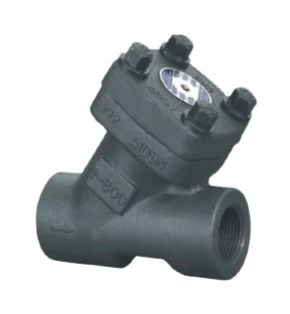
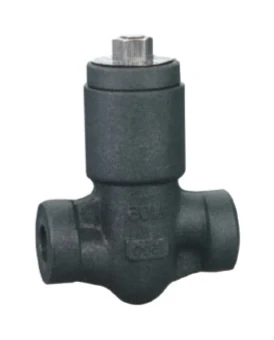
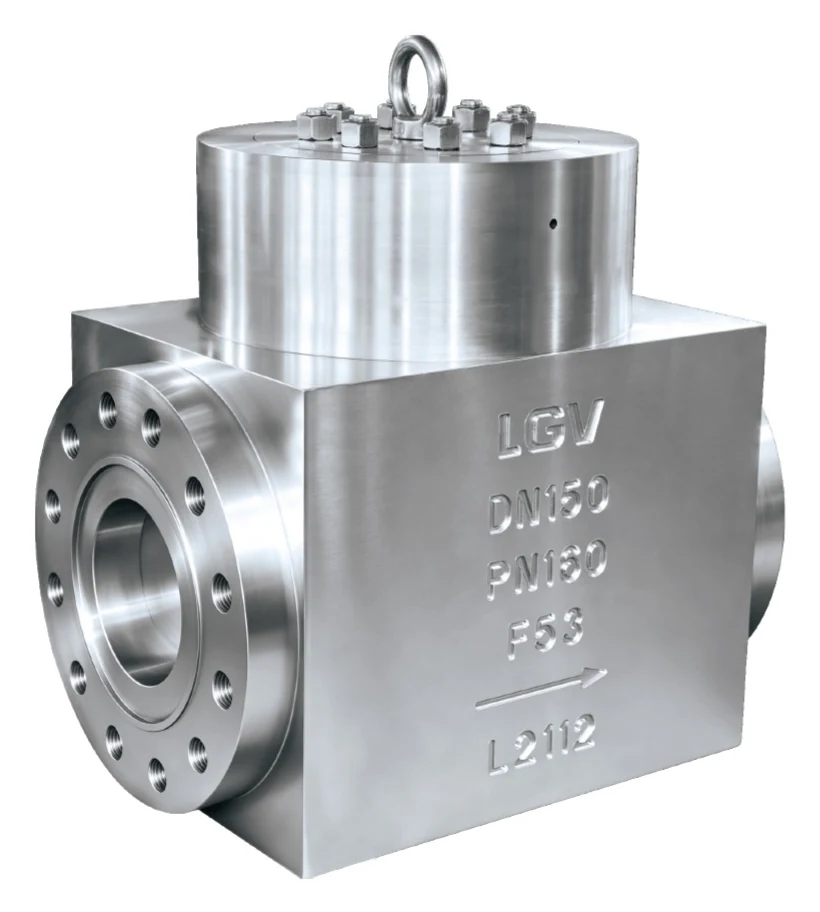
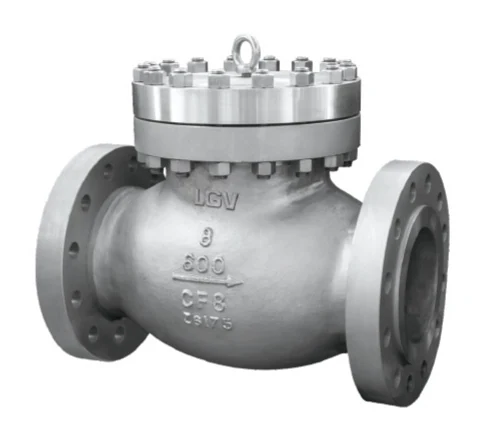
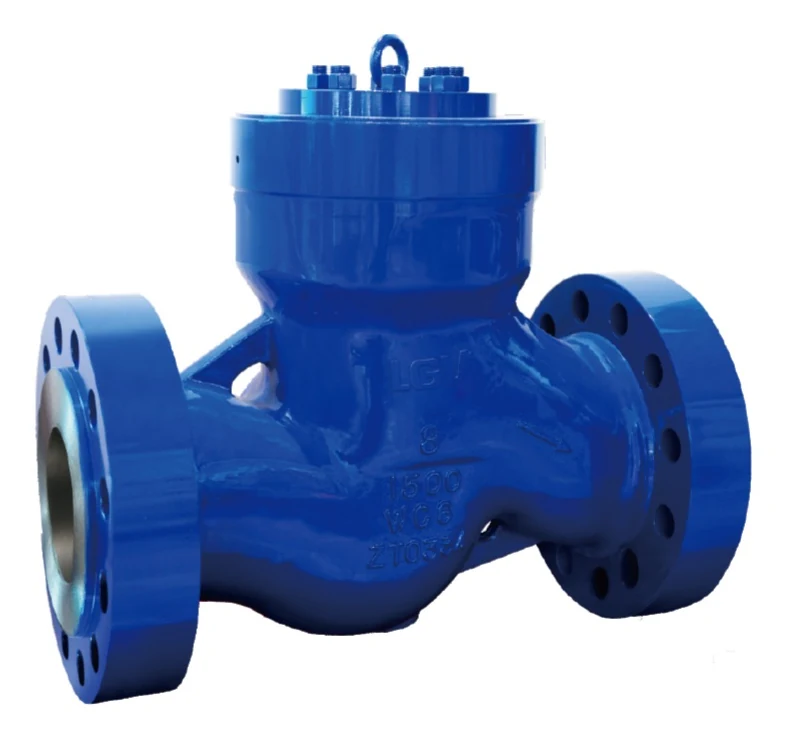
Industrielle Rückschlagventile
Industrielle Rückschlagventile für den Schutz vor Rückströmung
Für Leitungen mit gleichmäßiger Strömung beginnen Sie mit Schwenk- oder geführten Hub-Ausführungen. Bei Pumpenausfall, kurzen Schaltzyklen oder schneller Rückströmung prüfen Sie stattdessen federunterstützte, geräuscharme oder konstruktiv schnellschließende Ausführungen. Die richtige Wahl hängt außerdem von Mindestdurchfluss, zulässigem Druckverlust, Einbaurichtung und Medium ab.
Beginnen Sie mit den vier Ventilbaureihen unten. Informieren Sie sich in den einzelnen Katalogeinträgen über Bauformen, Werkstoff- oder Einsatzvarianten; senden Sie Betriebsbedingungen zur Konfigurationsprüfung.
Schließmechanismus wählen
Die vier Rückschlagventil-Baureihen entdecken
Wählen Sie die Schließfunktion passend zum Betriebsfall. Die verlinkten Baureihenseiten grenzen den Konstruktionsweg ein; die einzelnen Katalogprodukte unten decken Werkstoff-, Anschluss- und projektspezifische Varianten ab.
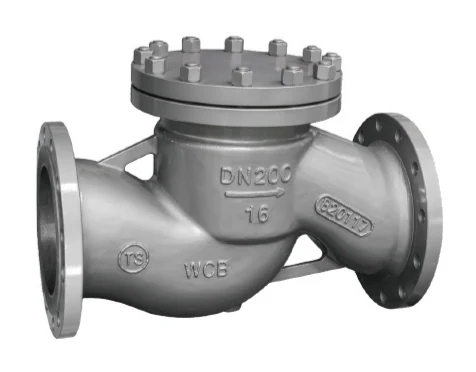
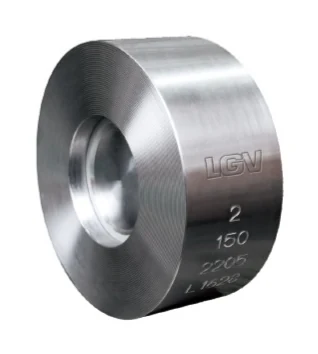
Hub-Rückschlagventile
Eine geführte Scheibe hebt bei Vorwärts-Differenzdruck vom Sitz ab. Eine sinnvolle Auswahl für saubere Medien, wenn der zusätzliche Strömungswiderstand und die zulässige Einbaulage akzeptabel sind.
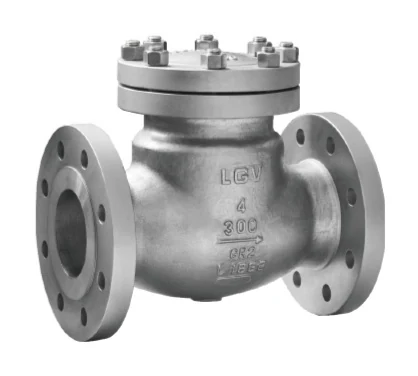
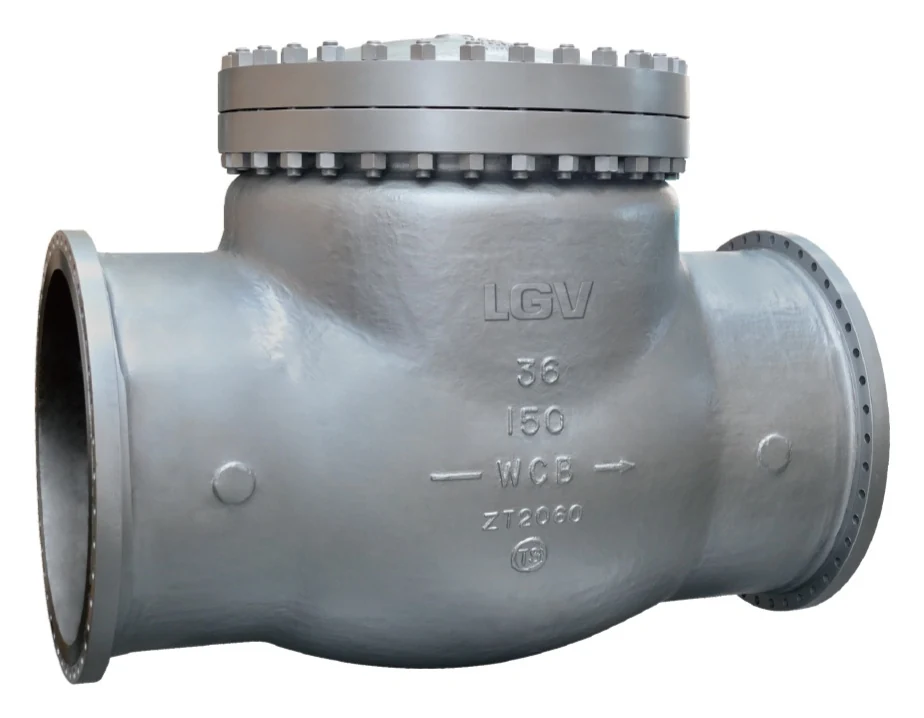
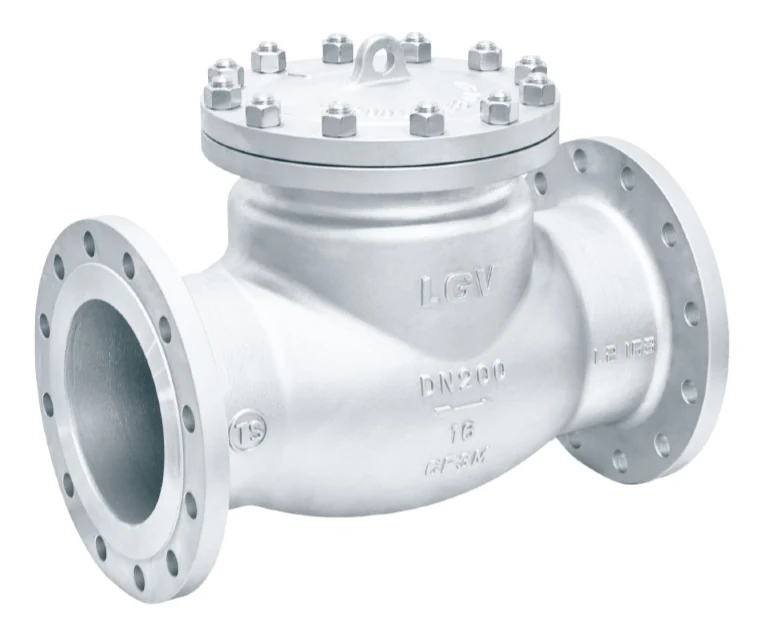
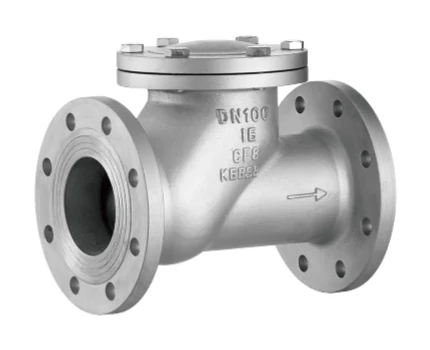
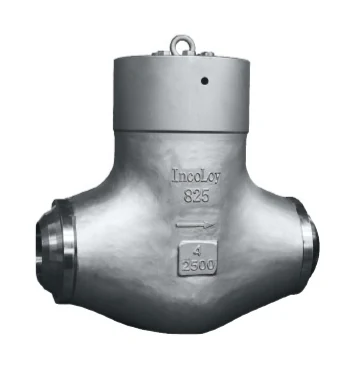
Rückschlagventile (Schwenkklappe)
Eine angelenkte Scheibe eignet sich für relativ gleichmäßige Vorwärtsströmung, wenn der Druckverlust wichtig ist. Prüfen Sie die zulässige Einbaurichtung und das Risiko von Druckschlägen beim Pumpenstillstand.
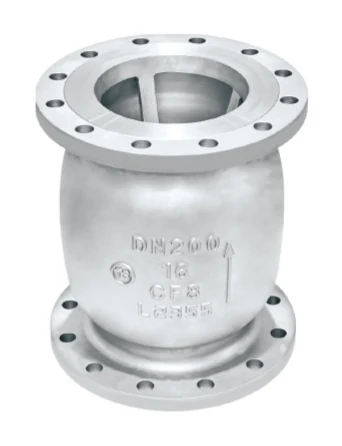
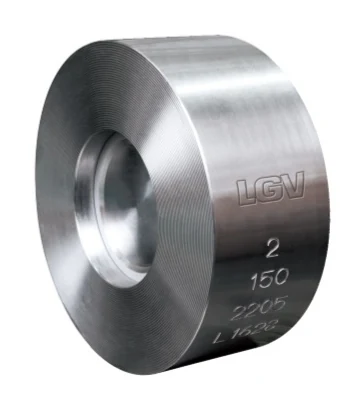
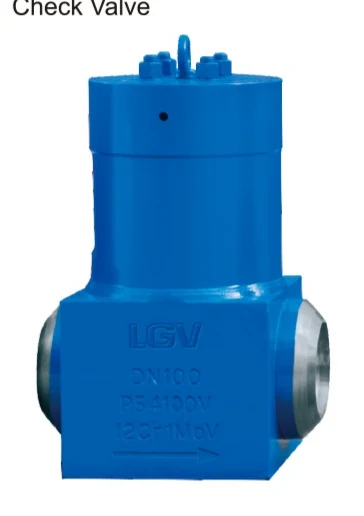
Rückschlagventile mit geräuscharmem Schließverhalten
Federunterstütztes Schließen kann bei geeigneten Pumpeneinsätzen die Rückströmgeschwindigkeit vor dem Aufsetzen verringern. Prüfen Sie Öffnungsdruck, Mindestdurchfluss und dynamisches Verhalten; “geräuscharm” ist keine Garantie gegen Druckstöße.
Rückschlagventil-Baureihe
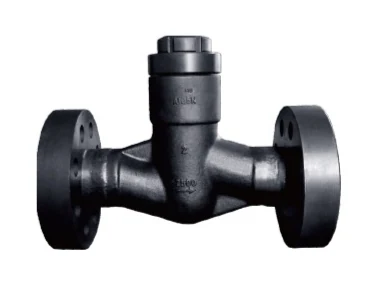
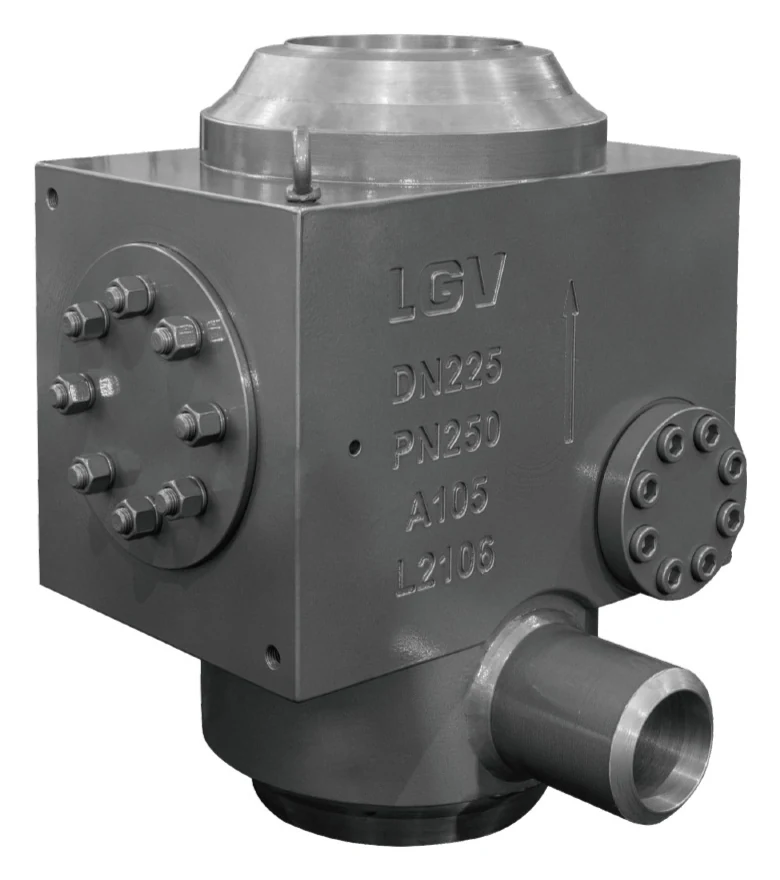
Schnellschließende Rückschlagventile
Für schnelles Absperren oder gesteuerte Pumpenausfall-Aufgaben vergleichen Sie Gegengewicht, Stellantrieb-unterstützte und andere Katalogkonzepte mit dem tatsächlichen Transienten- und Steuerungsablauf.
23 Rückschlagventil-Produkteinträge durchsuchen
Nutzen Sie diesen durchsuchbaren Katalog, um eine bestimmte Bauform, Anschlussart, Werkstoff- oder Einsatzvariante zu finden. Die Produktseiten zeigen die verschiedenen Ausführungen; fordern Sie die konfigurationsspezifischen Nennwerte, Zeichnungen und Prüfdokumente an, die für ein Angebot erforderlich sind.
Ausführung mit gesteuertem Schließvorgang
Auswahl nach Betriebsverhalten
Welche Rückschlagventil-Bauart passt zur Aufgabe?
Ein Rückschlagventil öffnet bei positivem Differenzdruck und schließt, wenn die Strömung abnimmt oder umkehrt. Für eine verlustarme, gleichmäßige Leitung kann eine Schwenkklappenbauart geeignet sein; bei schnell wechselnder Pumpenförderung ist zu bewerten, wie schnell die gewählte Bauart schließt bevor sich eine wesentliche Rückströmgeschwindigkeit aufbaut. Allein anhand der Ventilgröße oder Druckstufe lässt sich diese Frage nicht beantworten.
Steady flow: swing versus guided lift
Swing checks can provide a relatively open passage when flow is sustained. A guided lift check may be considered for smaller, clean-fluid service, but its flow path can cause greater head loss. If minimum flow is low, verify that either disc remains fully and stably open instead of choosing only by nominal pipe size.
Pump trip: silent or engineered closing
When reverse flow can accelerate after a pump trip, consider spring-assisted silent or qualified quick-closing arrangements and ask for their closure behavior at the actual deceleration rate. Rapid closure is not automatically safer: system transients and the possibility of column separation still require review.
Orientation and medium can rule out a type
Gravity-assisted lift checks usually require a permitted position to reseat; swing and spring-loaded types also have model-specific mounting limits. Solids, viscosity and fouling can make guided or tight-clearance internals unsuitable. Do not specify downward vertical flow without explicit approval for that design.
RFQ decision variables
The data that changes a check valve recommendation
Share the flow cases that matter, not only DN and Class. The selection review can then compare stable opening, pressure loss and closure response without assigning unverified universal ratings to the catalog entries.
| Operating case | Recommended direction | Zu prüfen |
|---|---|---|
| Steady clean-liquid flow | Shortlist a swing check if low resistance matters; compare a guided lift design when a controlled lifting path is desirable. | Minimum stable open flow, pressure-drop curve, seat leakage and permitted mounting position. |
| Pump stop or fast reversal | Evaluate silent spring-assisted or engineered quick-closing systems before choosing a gravity-return unit. | Pump trip/deceleration, reverse velocity, closure characteristics and piping surge analysis. |
| Low differential or variable flow | Do not select a heavily spring-loaded or oversized valve solely from line size. | Available opening differential, cracking pressure and disc stability at minimum flow. |
| Dirty or solids-bearing liquid | Shortlist a suitable ball or other debris-tolerant check arrangement only if its actual trim and service limits permit. | Particle load, clearance, abrasion, maintenance access and body/seat material. |
| Vertical piping | Eliminate designs without explicit approval for the actual upward or downward flow direction. | Body flow arrow, spring/gravity return and installation manual for selected model. |
Common duty cases
Where does the closing problem occur?
Two installations with the same pipe diameter can need different check valves if their flow-decay rate, solids or line elevation differ.
Pump discharge
A swing design can suit stable, low-loss duty; for a pump that trips rapidly or a high head, compare controlled or spring-assisted closing against the transient scenario. An air-release valve serves a different air-management function; it is not automatically a substitute for reverse-flow protection.
Compressor or gas line
Check pulsation, minimum flow, reverse-pressure case and leakage requirement. A fast-acting closure that chatters at low load may be worse than a properly sized alternative.
Solids-bearing service
A ball or clear-passage configuration may be worth examining where particles could bind a guided disc. Review solids concentration, seat wear and access rather than inferring slurry suitability from the word “ball.”
Technical quotation
Request a check valve configuration review
Send the intended valve type or catalog link if known, plus the flow conditions. For pump protection, include the stop/reversal case; for other lines, the mounting direction and minimum available differential may be decisive. Drawings and required test documentation can be specified in the inquiry.
- Medium, solids content or gas composition
- Nominal size, end connection and flow direction
- Minimum / normal / maximum flow and available differential pressure
- Operating and design pressure / temperature
- Pump trip, reverse-flow or pulsation scenario (if relevant)
- Installation orientation and available envelope
- Required material, seat leakage and project standards
- Requested drawings, inspection/tests and document package