
Qualitätskontrolle
Ventil-Qualitätskontrolle: Prüfung, Rückverfolgbarkeit & Dokumentation
VALMORA unterstützt industrielle Ventilkäufer dabei, Inspektions- und Prüfanforderungen für die zu bestellenden Ventile zu definieren. Beginnen Sie mit der Produktspezifikation und den Abnahmekriterien und legen Sie dann fest, welche Material-, Prüf- und Freigabeunterlagen mit dieser Lieferung einhergehen müssen.
Bei Absperrschiebern, Kugelhähnen, Absperrklappen und anderen Ventiltypen hängen die erforderlichen Prüfungen und Dokumente von Konstruktion, Einsatzfall und Bestellung ab – nicht von einer einzigen allgemeingültigen Prüfaussage.
QUALITÄTSANFORDERUNGEN
Machen Sie die Qualitätsanforderungen zum Bestandteil der Ventil-Anfrage
Ein Prüfzeugnis ist nur dann aussagekräftig, wenn es sich auf das angebotene Ventil und die vereinbarte Abnahmegrundlage bezieht. Definieren Sie die folgenden drei Punkte, bevor Sie Angebote vergleichen.
Die gelieferte Konfiguration identifizieren
Geben Sie Ventiltyp, Nennweite, Druckklasse bzw. Nenndruck, Gehäuse- und Trim-Werkstoffe, Sitz, Anschlüsse, Stellantrieb und etwaige Projektkennzeichnung an. Eine katalogmäßige Beschreibung auf Baureihenebene kann den Prüfumfang nicht für jede Konfiguration festlegen.
Prüfungen und Abnahme festlegen
Benennen Sie die anzuwendende Produkt- und Prüfnorm, ggf. die Ausgabe, Druckgrenz- und Sitzprüfungen, Leckageabnahme, Prüfmedium und etwaige zusätzliche Funktionsprüfungen.
Vereinbaren, wer dokumentiert und beiwohnt
Prüfstufe, Aufzeichnungsformat und Abnahmepunkte des Käufers oder Dritter festlegen, sofern erforderlich. Ein Foto der Ausrüstung ist kein unterzeichnetes Ergebnis für ein bestimmtes Ventil.
BESTELLQUALITÄTSPLAN
Welche Prüfungen sollten in der Bestellung enthalten sein?
Verwenden Sie einen Prüf- und Testplan (ITP) auf Basis der Bestellung, um jede geforderte Prüfung einem Abnahmekriterium und einem Nachweis zuzuordnen. Die folgenden Aktivitäten sind Beispiele für Festlegungen – keine Aussage, dass jedes Ventil jede Prüfung erhält.
| Prüfstufe | In der Anfrage / im ITP festlegen | Anzufordernde Nachweise |
|---|---|---|
| Werkstoffe und Identität | Güte, Schmelze/Charge und rückverfolgbare kritische Teile | Anwendbare Werkstoffnachweise, verknüpft mit geliefertem Artikel oder Charge |
| Abmessungen und Montage | Zeichnungsrevision, Hauptmaße, Kennzeichnung und Stellantriebsumfang | Vereinbartes Maß- oder Montageprüfprotokoll |
| Druck und Funktion | Anwendbare Gehäuse-/Sitzprüfungen, Prüfverfahren und Abnahmekriterien; Stellantriebs-/Funktionstests soweit relevant | Ventil- oder chargenbezogener Prüfbericht mit Bedingungen und Ergebnis |
| Endprüfung und Freigabe | Beschichtung/Zustand, Kennzeichnungen, Schutz, Abweichungen und Dokumentenliste | Freigabeprotokoll und vereinbarte Versanddokumentation |
LIEFERANTEN-KATALOGBILDER
Beispiele für Mess-, Prüf- und Testeinrichtungen
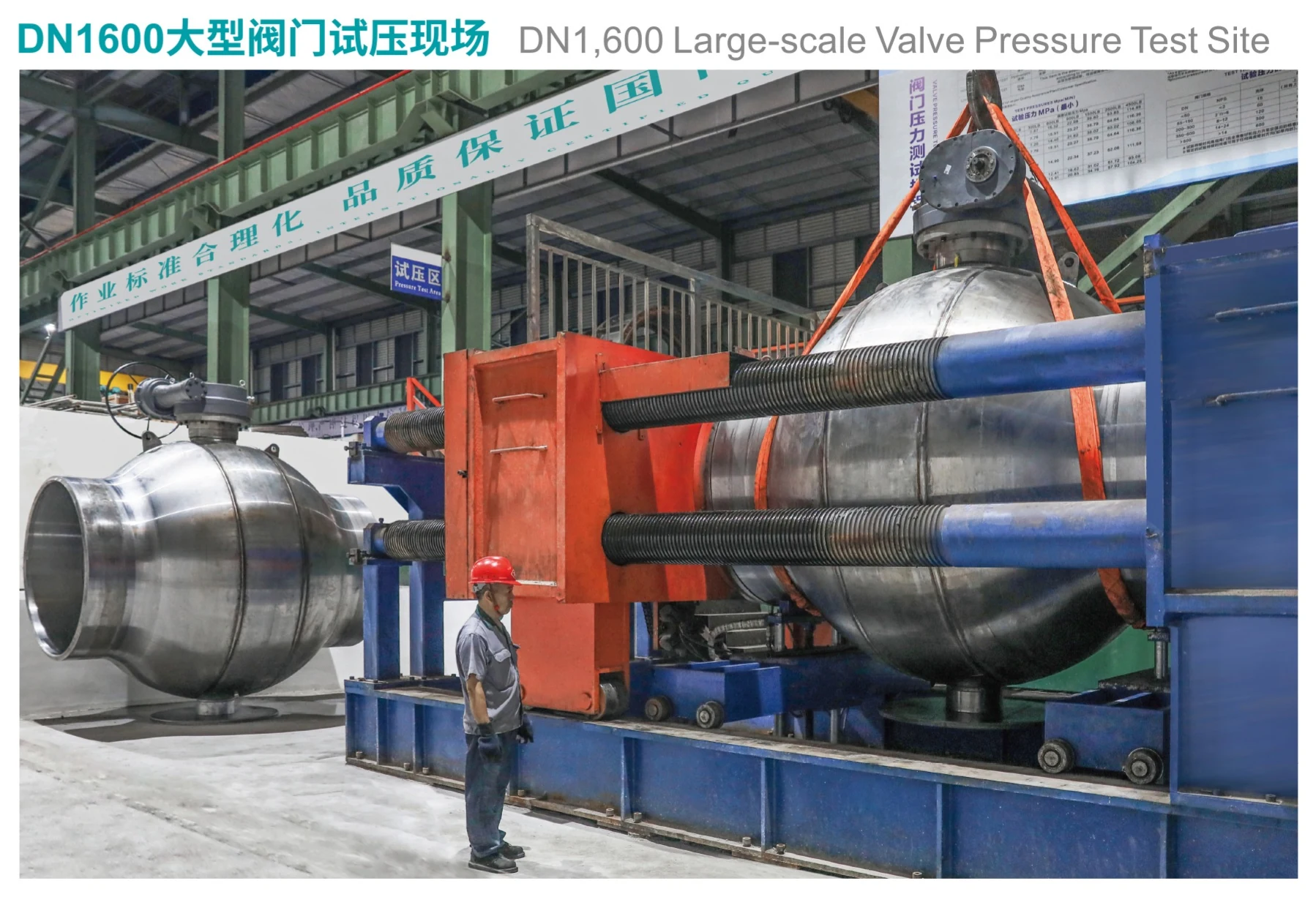
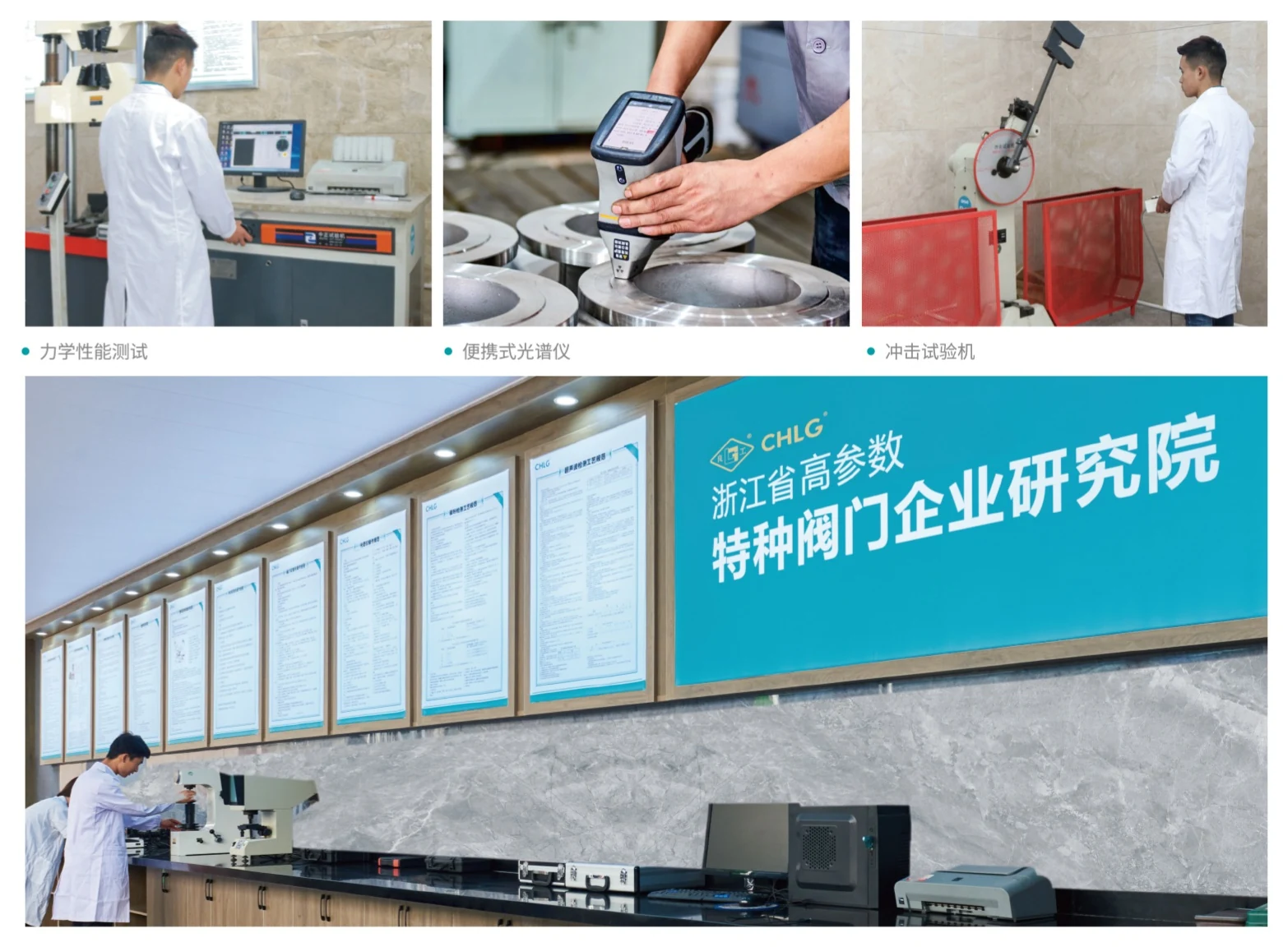
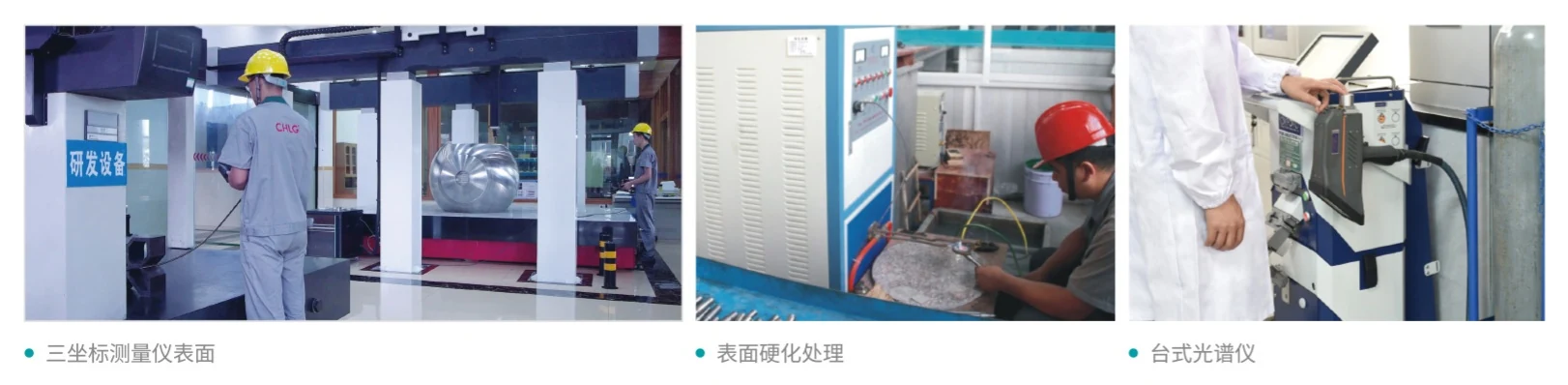
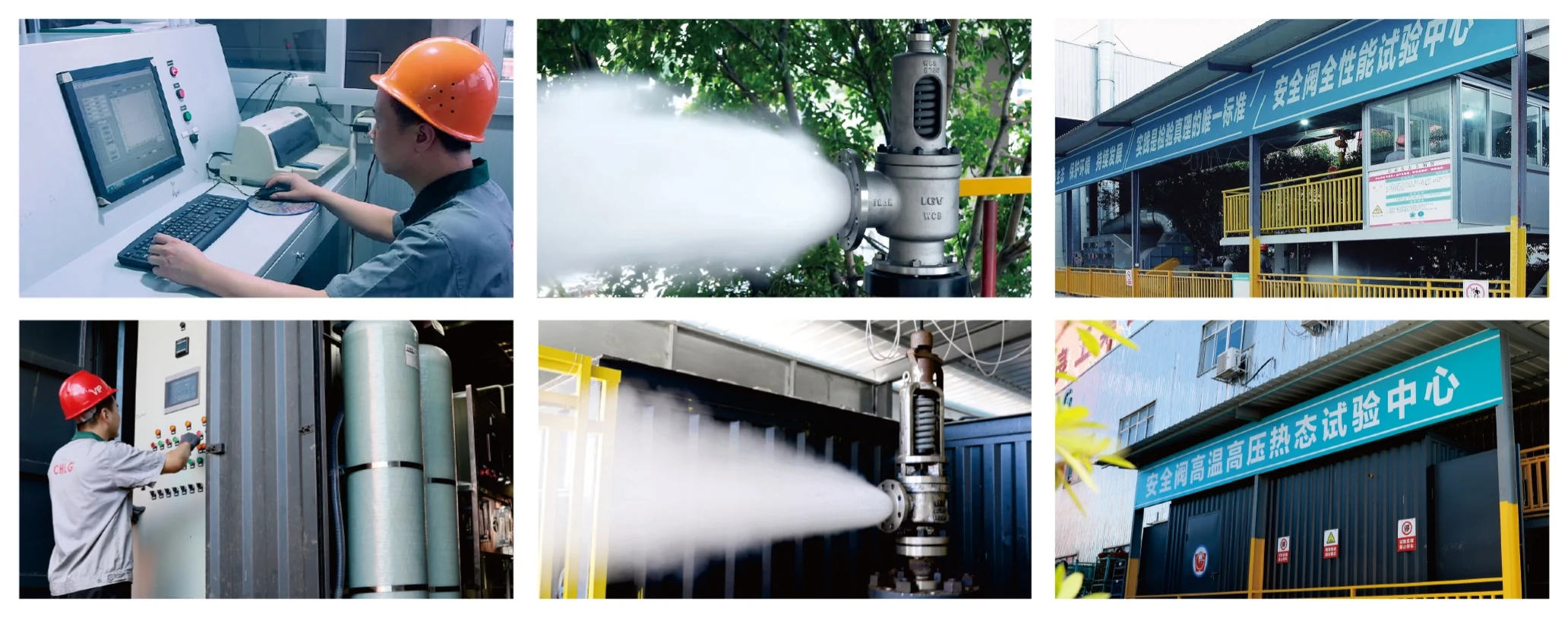
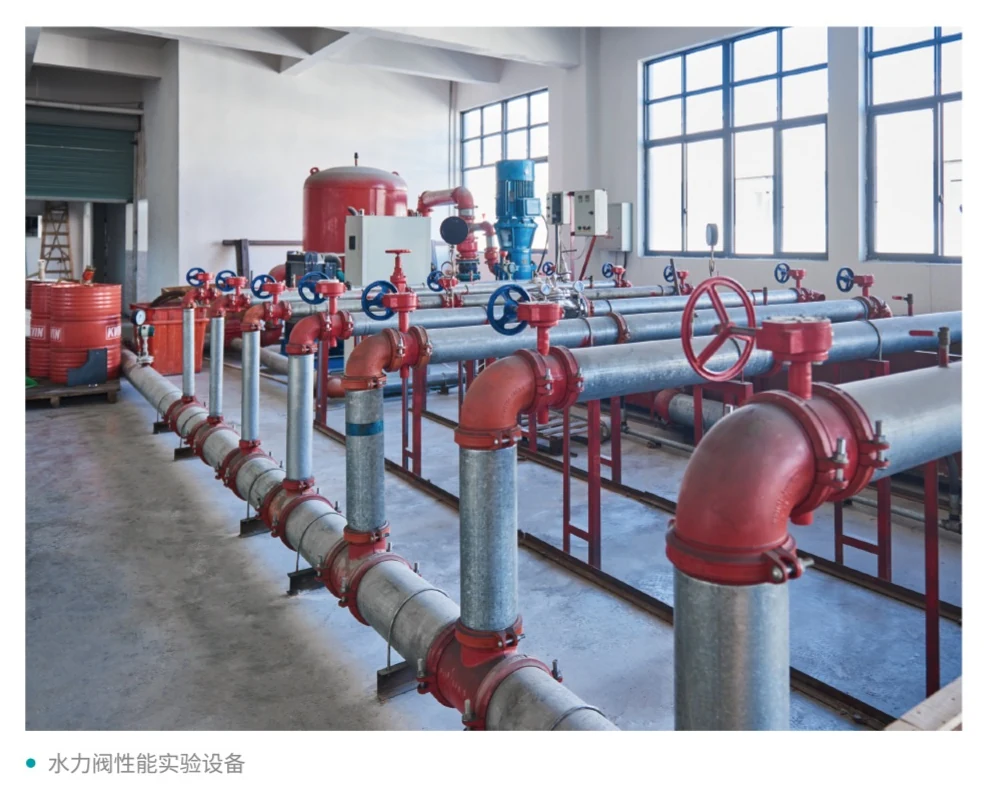
Diese vorhandenen Bilder stammen aus dem Lieferantenkatalog von Lianggong: Messaktivitäten, ein Prüf- und Inspektionszentrum, Prozesskontrollen und ein Ventilprüfstand. Sie veranschaulichen den verfügbaren lieferantenseitigen Kontext, nicht das Eigentum von VALMORA an den abgebildeten Einrichtungen oder die Ergebnisse eines bestimmten VALMORA-Auftrags.
ANWENDBARKEIT VON PRÜFNORMEN
Wählen Sie eine Prüfgrundlage, die das Ventil tatsächlich abdeckt
The design standard, the product category and the purchase specification determine which production tests apply. Quoting a standard number alone does not define the acceptance criteria for an unidentified valve.
API 598: common isolation valves
API 598 covers inspection and pressure testing for specified gate, globe, plug, ball, check and butterfly valves, including different seat constructions. Confirm that the offered design and product standard call for it, then specify any purchaser-selected supplemental tests.
ISO 5208 / EN 12266-1: metallic valves
These address pressure and closure testing of industrial metallic valves. Apply them together with the relevant product standard; product-specific requirements can take precedence. EN 12266-1 does not cover safety devices.
Control, safety and specialty valves
A control valve may need actuator and travel checks or a specified seat-leakage performance test. Safety and relief valves require their own applicable inspection and setting requirements. Do not transfer an isolation-valve protocol to these products without confirming applicability.
MATERIAL IDENTIFICATION
Link material documents to the parts being supplied
A material certificate can support grade and inspection results for an identified material lot; it is not a certificate that the assembled valve passed its pressure test. Agree the required traceability level and documentation type before the order.
- Identify pressure-containing and other specified critical materials in the drawing or bill of materials.
- Ask how heat/lot numbers on components or records connect to the supplied valves.
- Specify the EN 10204 document type only where applicable to the purchased metallic products.
- For type 3.1 or 3.2 requests, confirm issuer, validation and the material/inspection scope before ordering.
- Keep valve pressure-test reports separate from material inspection certificates.
INSPECTION & WITNESS POINTS
Decide when the buyer needs to be present
Purchaser inspection, hold points and third-party witnessing are order conditions, not automatic features of every shipment. Agree feasibility, location, notice and access before production scheduling.
1. Set the inspection plan
Identify mandatory checks, applicable procedures, inspection stage and whether each point is review, witness or hold.
2. Schedule notice
Agree who will be notified, at what stage and with what lead time; do not assume a witness can attend without scheduling.
3. Confirm test conditions
Review test medium, pressure, duration and leakage acceptance against the agreed applicable specification; no single values fit every valve.
4. Release the hold point
Record witnessed results and any accepted deviations before release, according to the purchase-order inspection arrangement.
DOCUMENT PACKAGE
What belongs in a reviewable valve quality file?
Match the document list to the order and identify which items are required at quotation, before production, before dispatch or with shipment. Availability and issue format must be confirmed for the exact supply.
Approved technical identification
Agreed datasheet and drawing revisions, product description, valve tag or line number and applicable material/pressure-rating information.
Material and inspection records
Specified material reports, heat/lot mapping, dimensional records and any required examination results, linked to the relevant component or inspection lot.
Test results and acceptance
A report should identify the test subject, procedure, pressure or test conditions where relevant, result, acceptance basis and authorizing record—not merely state “tested.”
Release and exceptions
Include the agreed final inspection status, approved concessions or nonconformances if any, and a document register matching the latest approved revisions.
WHEN RESULTS DO NOT MATCH
Handle deviations before shipment, not in the catalog copy
If a material report, dimension or test result falls outside the agreed basis, identify the affected valve and isolate the issue from unrelated orders. Shipment disposition should follow the contractually agreed approval process.
Identify the affected items
Record the item/tag/lot, failed check, required value or acceptance criterion, actual result and drawing or procedure revision.
Agree a corrective route
Define rework, retest, replacement or a proposed concession as appropriate. A supplier proposal is not automatically a purchaser approval.
Close with traceable evidence
Retain the follow-up test report or written disposition, approval where required and updated release/document status.
COMMON PROCUREMENT QUESTIONS
Three distinctions that prevent document surprises
These questions clarify what an order-specific quality request should establish, without implying that a supplier catalog photo or a generic certificate is product acceptance evidence.
Is a photo of pressure testing enough for acceptance?
No. Ask for an identified valve or lot, the required test procedure, conditions, acceptance limit and authorized results record. A photo is supplementary context at most.
Is an EN 10204 3.1 certificate a finished-valve test report?
Not by itself. The document type describes specific product/material inspection documentation and its validation. A valve pressure test needs its own applicable evidence unless that requirement is explicitly covered by the agreed document package.
Can I request third-party witnessing?
Yes, request it in the inquiry with the valve identity, inspection points, inspector role and required notice. Availability, cost, access and scope must be agreed before the order is placed.
CONTINUE YOUR REVIEW
Move from quality requirements to the right source
Use the product pages for configuration, manufacturing for process context, downloads for published files and the RFQ for order-specific inspection and document requirements.
Find the valve configuration
Browse valve families and identify type, materials, end connections and actuation before defining tests.
Understand manufacturing context
View the separate manufacturing page for available process information; facility images are not product test reports.
Review published downloads
Check existing catalog or technical downloads, then request the documents required for your particular order.
Submit inspection requirements
Send the proposed valve specification, test standard, witness needs and required quality documents.
WHAT THE IMAGES DOCUMENT
Visible supplier facilities are context, not an order result
The source catalog identifies test and inspection areas and shows a large-scale valve pressure-test setup, material checks and process-inspection scenes. VALMORA uses this supplier documentation to discuss inspection options for relevant supply. The photos do not establish facility ownership, current capacity, accredited laboratory status or an individual valve’s passed tests.
Large valve test setup
The catalog labels a large-scale pressure-test station (physical p. 22). Its pictured size label describes the supplier photograph, not a size or test capability promised for this RFQ.
Inspection and measurement
Physical p. 24 shows a testing and inspection center with metrology and material-check images. Request the actual procedures and reports needed for your order.
Process and functional-test scenes
Physical p. 25 shows process checks and valve-related test equipment. Product-specific acceptance still depends on the agreed plan and records.
Image source: Lianggong Valve Product Catalog EN, physical pages 22, 24 and 25 (supplier publication). Photos show supplier-catalog context, not independent certification of VALMORA facilities or delivery.
ORDER-SPECIFIC QUALITY SUPPORT
Ask for the inspections and records your valve order needs
Send the valve type or datasheet, size/rating, materials, service conditions, required standard/edition, test acceptance criteria and document list. Add any purchaser hold points or third-party witness request so feasibility and scope can be reviewed before quotation or order confirmation.