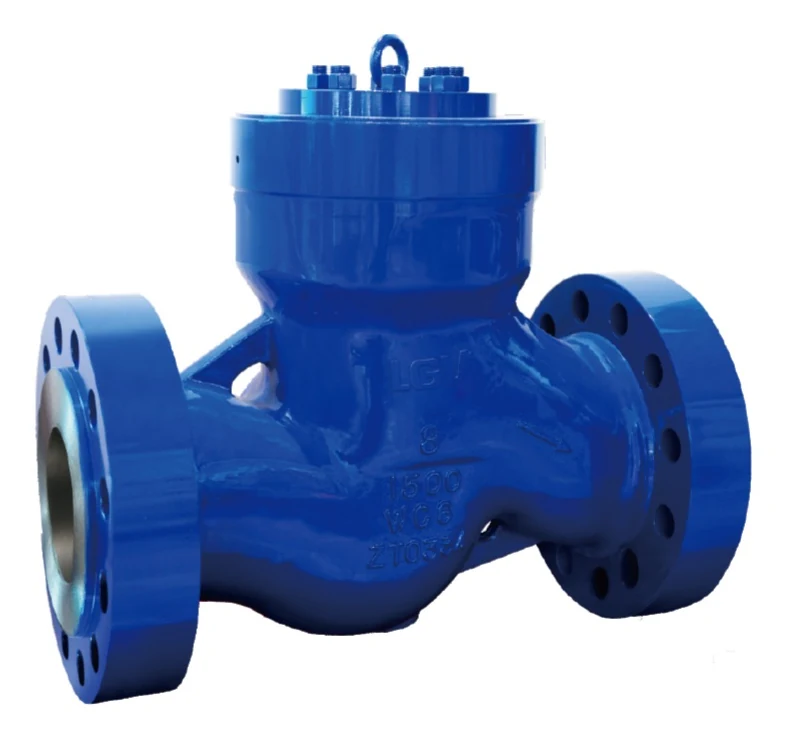
صمامات عدم رجوع صناعية
صمامات عدم رجوع صناعية للحماية من التدفق العكسي
بالنسبة لخطوط التدفق المستقر، ابدأ بتصاميم الصمام البوابي أو الرفع الموجّه. أما في حالات توقف المضخة أو التشغيل المتقطع القصير أو التدفق العكسي السريع، فافحص بدلاً من ذلك التصاميم المساعدة بنابض الصامتة أو سريعة الإغلاق المصممة هندسياً. يعتمد الاختيار الصحيح أيضاً على الحد الأدنى للتدفق وفقدان الضغط المسموح به واتجاه التركيب ونوع المائع.
ابدأ بسلسلات الصمامات الأربع أدناه. تصفح إدخالات الكتالوج المحددة للاطلاع على خيارات التصميم أو المواد أو الخدمة؛ وأرسل ظروف التشغيل لمراجعة التكوين.
اختر آلية الإغلاق
استكشف سلسلات صمامات عدم الرجوع الأربع
اختر آلية الإغلاق المناسبة لحالة التشغيل. تُضيّق صفحات السلسلات المرتبطة مسار التصميم؛ وتغطي منتجات الكتالوج الفردية أدناه خيارات المواد والتوصيلات والمتغيرات الخاصة بالمشروع.
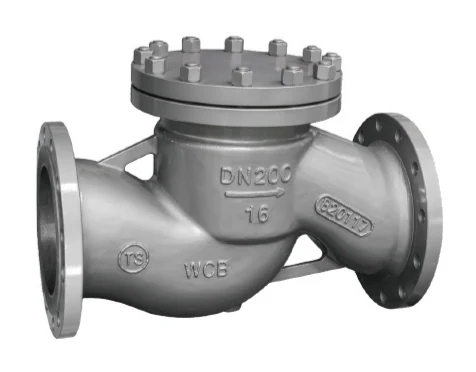
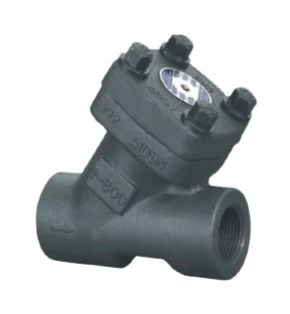
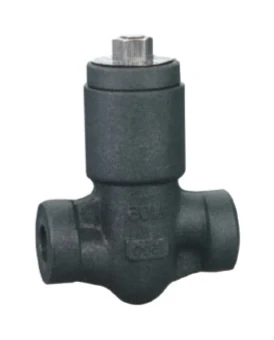
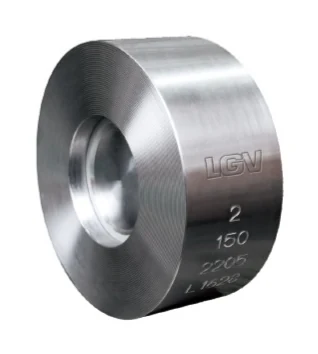
صمامات عدم رجوع رفعية
يرتفع القرص الموجّه عن مقعده تحت ضغط تفاضلي أمامي. وهو مسار استفسار مناسب لخدمات الموائع النظيفة حيث يكون فقدان التدفق الإضافي واتجاه التركيب المسموح به مقبولين.
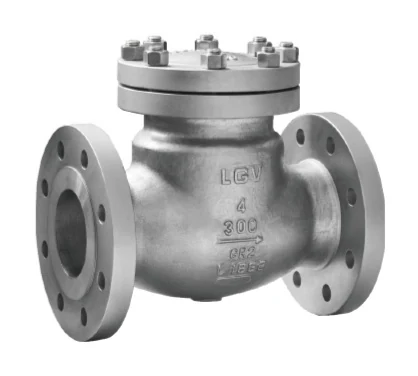
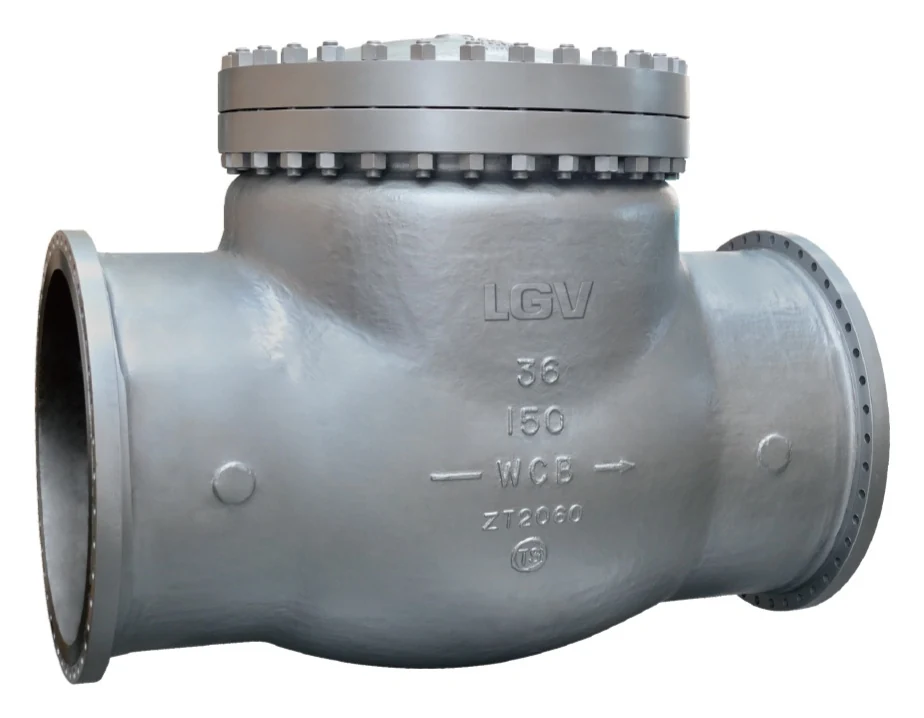
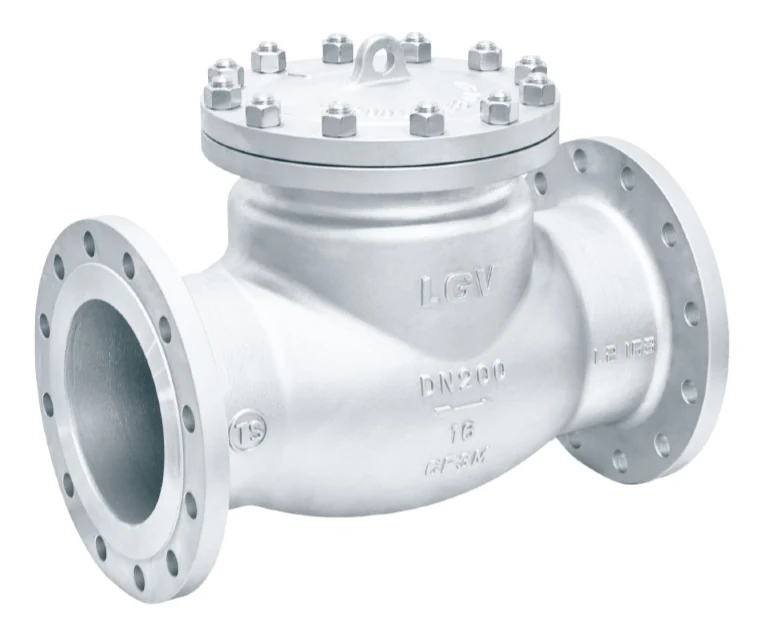
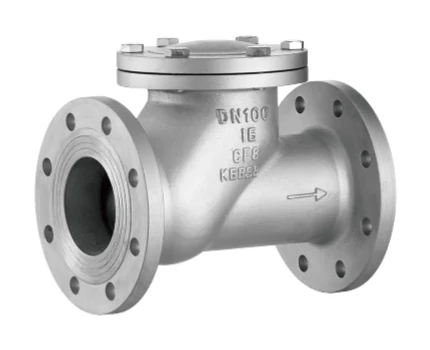
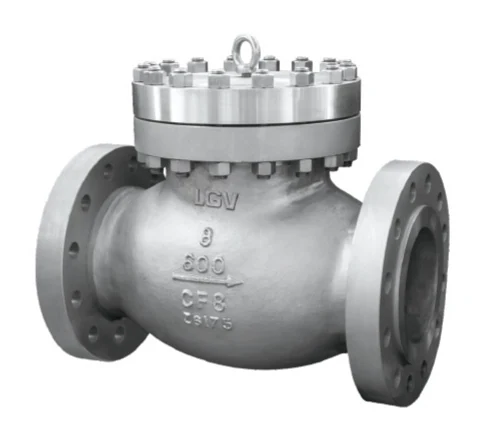
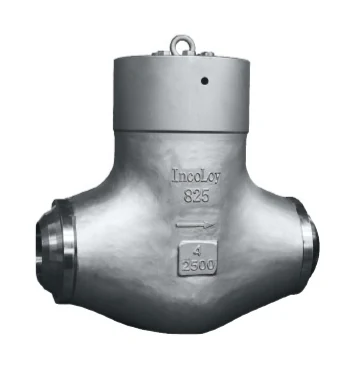
صمامات عدم رجوع بقرص متأرجح
يناسب القرص المفصلي التدفق الأمامي المستقر نسبياً عندما يكون فقدان الضغط مهماً. تحقق من اتجاه التركيب المعتمد وخطر الطرق عند توقف المضخة.
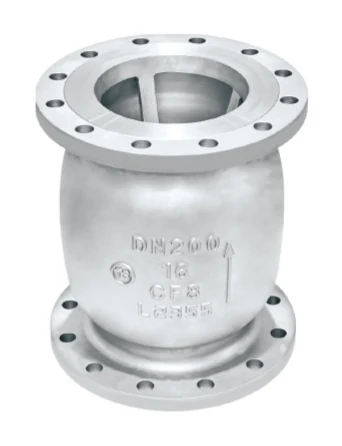
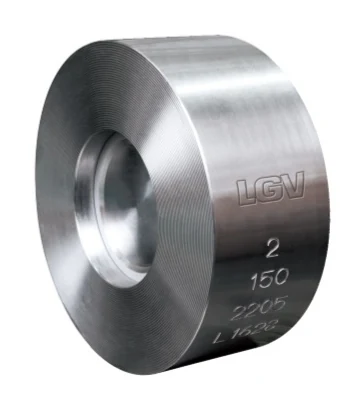
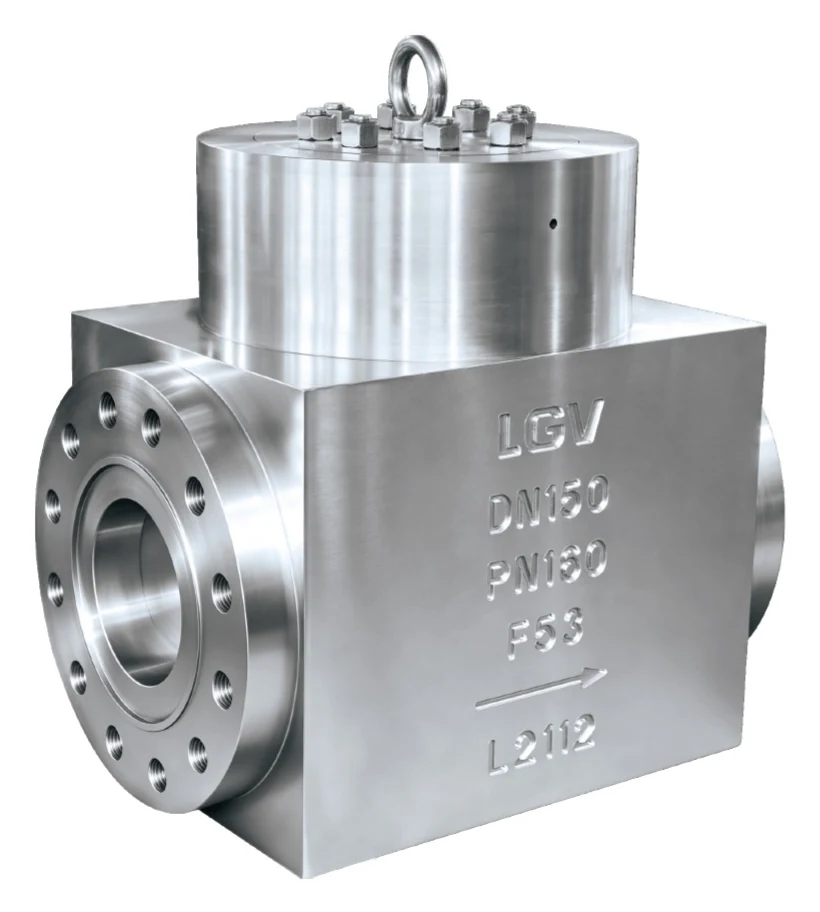
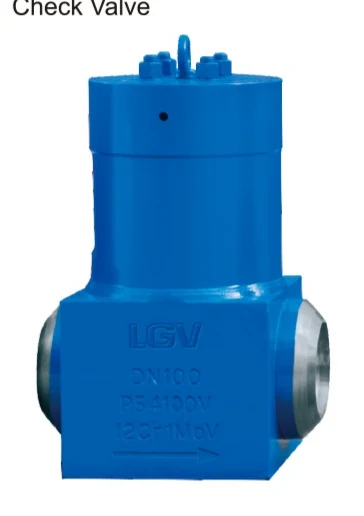
صمامات عدم رجوع صامتة
يمكن للإغلاق المساعد بنابض أن يقلل السرعة العكسية قبل الاستقرار على المقعد في خدمات المضخات المناسبة. تحقق من ضغط الفتح والحد الأدنى للتدفق والاستجابة الديناميكية؛ فوصف “صامت” ليس ضماناً ضد التموجات.
سلسلة صمامات عدم الرجوع
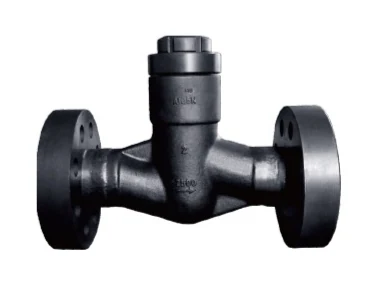
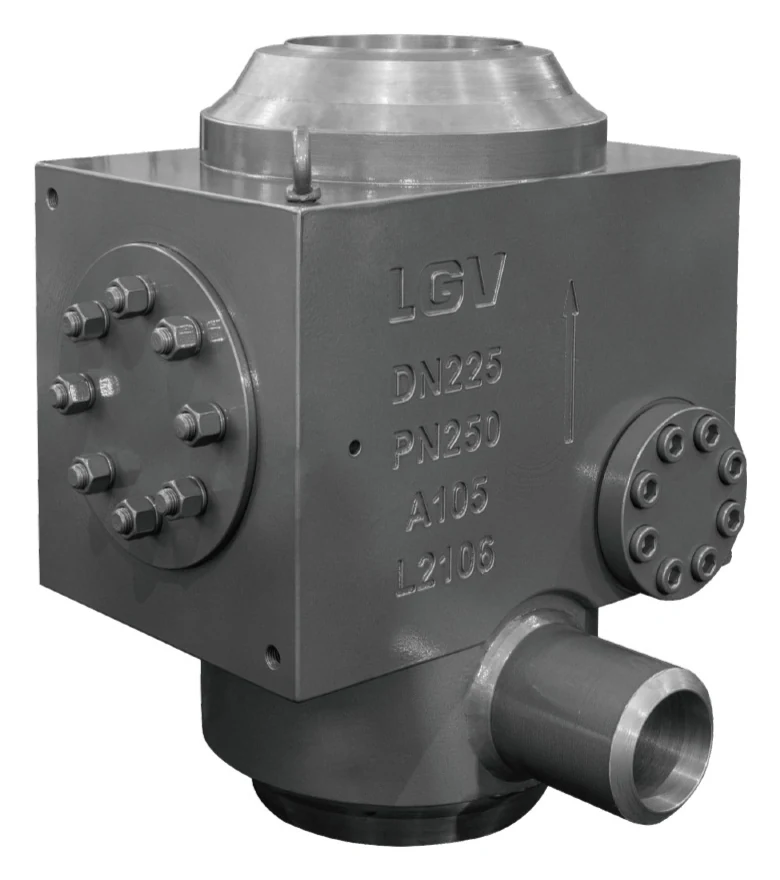
صمامات عدم رجوع سريعة الإغلاق
لخدمات الإغلاق السريع أو خدمات فصل المضخة المُتحكَّم بها، قارن بين المفاهيم المدرجة في الكتالوج مثل الثقل الموازن والصمامات المساعدة بالمشغل وغيرها مقابل السلوك العابر وتسلسل التحكم الفعلي.
تصفح 23 من مدخلات منتجات صمامات عدم الرجوع
استخدم هذا الكتالوج القابل للبحث للوصول إلى تصميم إنشائي أو وصلة أو مادة أو نسخة خدمة محددة. تعرض صفحات المنتجات الأنماط المختلفة؛ اطلب التصنيفات والرسومات ووثائق الاختبار الخاصة بالتهيئة المطلوبة للحصول على عرض سعر.
الاختيار حسب سلوك التشغيل
أي تصميم لصمام عدم الرجوع يناسب ظروف الخدمة؟
يفتح صمام عدم الرجوع تحت ضغط تفاضلي أمامي ويغلق مع تلاشي التدفق أو انعكاسه. لخط ثابت منخفض الفقدان، قد يكون تصميم الصمام القلاب مناسبًا؛ أما عند التغير السريع في تدفق المضخة، فقيّم مدى سرعة إغلاق التصميم المختار قبل أن تتراكم سرعة انعكاسية كبيرة. لا يمكن لمجرد مقاس الصمام أو فئة الضغط الإجابة عن ذلك.
التدفق الثابت: التصميم القلاب مقابل الرفع الموجّه
Swing checks can provide a relatively open passage when flow is sustained. A guided lift check may be considered for smaller, clean-fluid service, but its flow path can cause greater head loss. If minimum flow is low, verify that either disc remains fully and stably open instead of choosing only by nominal pipe size.
Pump trip: silent or engineered closing
When reverse flow can accelerate after a pump trip, consider spring-assisted silent or qualified quick-closing arrangements and ask for their closure behavior at the actual deceleration rate. Rapid closure is not automatically safer: system transients and the possibility of column separation still require review.
Orientation and medium can rule out a type
Gravity-assisted lift checks usually require a permitted position to reseat; swing and spring-loaded types also have model-specific mounting limits. Solids, viscosity and fouling can make guided or tight-clearance internals unsuitable. Do not specify downward vertical flow without explicit approval for that design.
RFQ decision variables
The data that changes a check valve recommendation
Share the flow cases that matter, not only DN and Class. The selection review can then compare stable opening, pressure loss and closure response without assigning unverified universal ratings to the catalog entries.
| Operating case | Recommended direction | ما يجب التحقق منه |
|---|---|---|
| Steady clean-liquid flow | Shortlist a swing check if low resistance matters; compare a guided lift design when a controlled lifting path is desirable. | Minimum stable open flow, pressure-drop curve, seat leakage and permitted mounting position. |
| Pump stop or fast reversal | Evaluate silent spring-assisted or engineered quick-closing systems before choosing a gravity-return unit. | Pump trip/deceleration, reverse velocity, closure characteristics and piping surge analysis. |
| Low differential or variable flow | Do not select a heavily spring-loaded or oversized valve solely from line size. | Available opening differential, cracking pressure and disc stability at minimum flow. |
| Dirty or solids-bearing liquid | Shortlist a suitable ball or other debris-tolerant check arrangement only if its actual trim and service limits permit. | Particle load, clearance, abrasion, maintenance access and body/seat material. |
| Vertical piping | Eliminate designs without explicit approval for the actual upward or downward flow direction. | Body flow arrow, spring/gravity return and installation manual for selected model. |
Common duty cases
Where does the closing problem occur?
Two installations with the same pipe diameter can need different check valves if their flow-decay rate, solids or line elevation differ.
Pump discharge
A swing design can suit stable, low-loss duty; for a pump that trips rapidly or a high head, compare controlled or spring-assisted closing against the transient scenario. An air-release valve serves a different air-management function; it is not automatically a substitute for reverse-flow protection.
Compressor or gas line
Check pulsation, minimum flow, reverse-pressure case and leakage requirement. A fast-acting closure that chatters at low load may be worse than a properly sized alternative.
Solids-bearing service
A ball or clear-passage configuration may be worth examining where particles could bind a guided disc. Review solids concentration, seat wear and access rather than inferring slurry suitability from the word “ball.”
Technical quotation
Request a check valve configuration review
Send the intended valve type or catalog link if known, plus the flow conditions. For pump protection, include the stop/reversal case; for other lines, the mounting direction and minimum available differential may be decisive. Drawings and required test documentation can be specified in the inquiry.
- Medium, solids content or gas composition
- Nominal size, end connection and flow direction
- Minimum / normal / maximum flow and available differential pressure
- Operating and design pressure / temperature
- Pump trip, reverse-flow or pulsation scenario (if relevant)
- Installation orientation and available envelope
- Required material, seat leakage and project standards
- Requested drawings, inspection/tests and document package