
سلسلة صمامات عدم الرجوع الصناعية
صمامات عدم رجوع رفعية
تستخدم صمامات عدم الرجوع الرفعية قرصًا أو سدادة موجّهة تُفتح تحت ضغط التدفق الأمامي وتتحرك عائدةً نحو مقعدها مع انخفاض التدفق أو انعكاسه. يعتمد التصميم المناسب على اتجاه الأنبوب، ونطاق التدفق، وفقدان الضغط المقبول، وسرعة تطور التدفق العكسي.
استعرض نوعين من صمامات عدم الرجوع الرفعية GB المدرجة في الكتالوج أدناه. تُعرّف أسماؤها وصور الكتالوج المنتجات؛ ويلزم الحصول على ورقة بيانات مؤكدة ورسم تركيب قبل تحديد حدود التشغيل.
القرار الأول: هل الخط أفقي أم رأسي، وهل تُدار الغلقة بالجاذبية أم بنابض أم بكليهما؟ لا تفترض أن نفس تصميم صمام عدم الرجوع الرفعي يعمل في كل وضع.
مسارات المنتجات المدرجة في الكتالوج
مدخلان لصمام عدم الرجوع الرفعي في الكتالوج
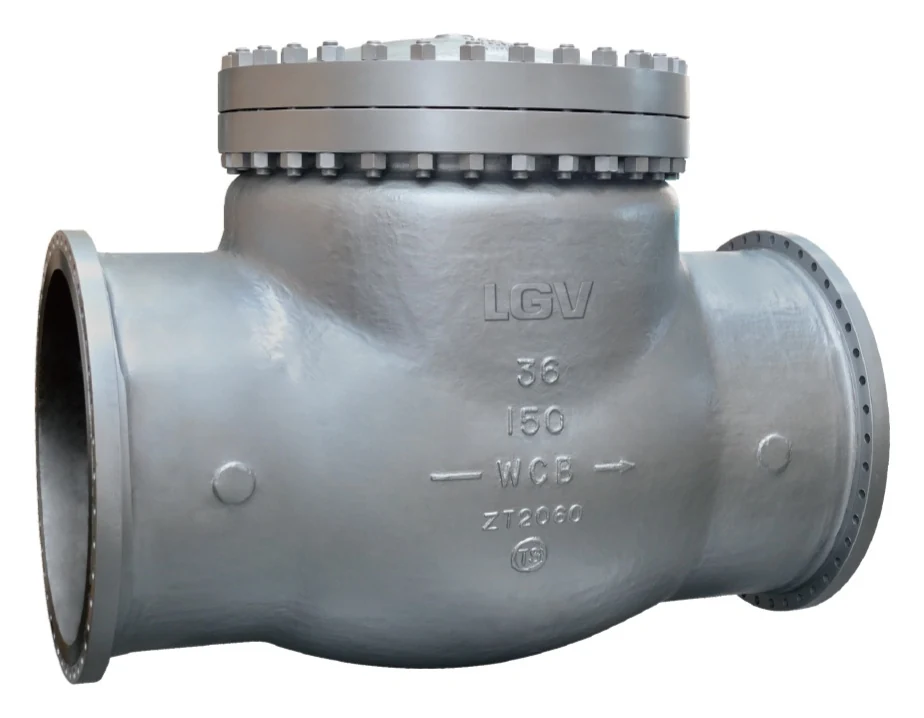
يحدد كتالوج المصدر صمام عدم رجوع رأسي رفعي GB في الصفحة المادية 82 و صمام عدم رجوع رفعي من الصلب المصبوب وفق GB في الصفحة 83. هذه هويات كتالوجية وليست مواصفة مشتركة مؤكدة: وضع التركيب، وآلية رجوع القرص، وأبعاد الأطراف، والدرجات، وتصنيفات الضغط-الحرارة تتطلب مستندات المنتج المعروض المحددة.
الكتالوج ص. 82. العنصر المصوَّر مُعنون صمام عدم رجوع رفعي عمودي وفق GB. لا يعني “العمودي” في اسم المنتج الإذن بتركيبه في كل ترتيب عمودي أو بتدفق نحو الأسفل؛ احصل على تعليمات الاتجاه واتجاه التدفق الخاصة بالطراز.
الكتالوج ص. 83. يحدد الكتالوج صمام عدم رجوع رفعي من الصلب المصبوب وفق GB. أكّد درجة المادة المعروضة، ووصلة الطرف، وتصنيف الضغط-الحرارة، ورسم التركيب. اطلب صورة مطابقة للمنتج أو رسمًا أبعاديًا عند مراجعة عرض السعر.
مصدر الكتالوج · الهويات المصوَّرة ليست أوراق بيانات فنية
مبدأ التركيب والتشغيل
تركيب صمام عدم الرجوع الرفعي الأفقي مقابل العمودي
مع صمام عدم رجوع رفعي تقليدي بنمط مستقيم ورجوع بالجاذبية، يوضع الغطاء عادةً في الأنابيب الأفقية أعلى الخط حتى يتمكن القرص من الرفع والرجوع عموديًا. وقد يعمل التصميم المخصص لأنبوب عمودي مع التدفق نحو الأعلى، لكن هذا يتطلب ترتيب قرص مُعتمدًا وتعليمات تركيب من المُصنّع. قد تكون للمنتجات المدعومة بنابض اتجاهات تركيب مسموحة مختلفة؛ ويجب التحقق من وجود النابض أو عدمه، لا افتراضه من المظهر.
مسار أنبوب رأسي ليس الشيء نفسه كحركة قرص رأسية. بالنسبة لفرع تدفق نازل، فإن صمام عدم رجوع رفعي بالرجوع بالجاذبية غير مُعتمد هو ليس خيارًا افتراضيًا. تحقق من سهم التدفق والأجزاء الداخلية الفعلية والاتجاه المعتمد قبل تثبيت تخطيط الأنابيب.
تصميم الرجوع بالجاذبية
يرفع فرق الضغط الأمامي عضو الإغلاق؛ ويساعده وزنه وفرق الضغط المتغير على الرجوع. يحدد اتجاه التركيب ما إذا كانت الجاذبية تساعد على الإغلاق على المقعد. حدد وضع تركيب متوافقًا مع الرسم المقدم.
تصميم مدعوم بنابض
يمكن للنابض أن يؤثر على عتبة الفتح واستجابة الإغلاق، لكن ليس كل موديلات صمام عدم الرجوع الرفعي تتضمن نابضًا. اطلب تفاصيل النابض والاتجاه المعتمد؛ لا تفترض ملاءمة رأسية عامة أو إغلاقًا دون ارتطام.
حد التدفق الأدنى
يشير ضغط بدء الفتح إلى فرق الضغط اللازم لـ بدء الفتح. وهو لا يحدد التدفق اللازم لإبقاء القرص مفتوحًا بالكامل وبثبات. إذا كان النظام يعمل لفترات طويلة عند تدفق منخفض، فاطلب إرشادات التدفق المستقر ومنحنى هبوط الضغط للمقاس الدقيق.
اختيار هندسي
Choose by stable opening, head loss and shutdown response
Start with the lowest normal operating flow. If a proposed valve cannot remain stably open there, selecting by nominal pipe size alone may produce disc chatter and accelerated seat wear. At normal and peak flow, compare its documented differential pressure or flow coefficient with the system’s allowable head loss. Finally, review pump-trip or rapid reversal behavior: gravity-return lift and spring-assisted designs do not share one guaranteed closing time.
| ظرف التشغيل | قرار عملي | Ask for |
|---|---|---|
| Horizontal pipe, steady flow | A conventional lift check may be evaluated if the disc is oriented to return to its seat and the pressure loss is acceptable. | Installation drawing; pressure-drop data at normal and peak flow. |
| Vertical pipe | Only evaluate a model expressly approved for the intended upward or downward flow. The product name alone is insufficient. | Flow arrow; permitted orientation; gravity/spring return details. |
| Long periods at low flow | Exclude or resize a configuration that cannot stay stably open; nominal diameter and cracking pressure alone will not settle this. | Minimum stable-flow or velocity guidance; flow profile. |
| Fast pump trip or surge-sensitive line | Compare the actual closure response with axial/silent or quick-closing alternatives; no check valve is a universal water-hammer cure. | Transient case, pump coast-down, reverse-flow conditions and closing data. |
Where the selection changes
Three situations where lift check selection needs care
These are engineering selection scenarios, not claims about completed customer installations. The final product choice depends on the actual piping and operating data.
Pump discharge with a fast shutdown
If flow reverses rapidly after a pump trip, checking only non-return function is insufficient. Review pump coast-down and surge consequences; an axial/silent check valve or a quick-closing design may merit evaluation. Compare measured or calculated closing behavior rather than a “no water hammer” claim.
Process line with restricted pressure budget
A lift check has a flow path and moving closure that can impose a meaningful pressure loss. Compare the product-specific ΔP–flow curve at normal and maximum rate. If head loss dominates the choice, also assess a swing check valve, while accounting for its closure characteristics.
Vertical piping or variable low flow
For a vertical leg, obtain written orientation approval for the offered construction, including whether flow must be upward. For turndown service, validate disc stability at minimum flow. If neither is documented, keep the selection open rather than treating “vertical lift” as an installation certificate.
Quote-level specification
What the supplier must document for the selected valve
The catalog confirms two product names, but it does not establish a shared size range, nominal pressure, temperature limit, material grade, test standard or flow coefficient for this series. Review those values on the offered datasheet and drawing rather than deriving them from cast markings or a photograph.
Configuration and interfaces
Request the exact model or catalog identifier, valve size, end connection, face-to-face and mating dimensions, and installation orientation with flow direction. Check whether the disc is guided and whether a spring is included.
Operating and hydraulic data
Match the offered material and seat/trim construction to the medium and pressure-temperature cases. Ask for opening characteristics, stable flow guidance, pressure loss at your flow rates and any available closure-response data.
Purchase and inspection documents
Identify the applicable design, inspection and leakage-test requirements in the project specification. Request the relevant drawings and records for the order; a catalog picture does not demonstrate an individual valve has passed a particular test or certification.
Compare adjacent check valve designs
When a different check valve is a better starting point
Lift: assess disc guidance, mounting orientation and stable opening, alongside pressure loss. Swing: often worth comparing where a relatively open flow path is valuable, but closure depends on hinge dynamics and operating conditions. Axial/silent: evaluate for short-travel, spring-influenced response where reverse-flow acceleration matters. Quick-closing: compare when the project has a defined rapid-shutdown or surge-control objective. None can be chosen by family name alone.
Other site routes: all products, industry contexts و technical resources.
Check Valve Categories
Return to the full check-valve family when the required closing mechanism has not yet been selected.
صمامات عدم رجوع بقرص متأرجح
Compare flow-path resistance and disc swing on relatively steady liquid service; verify reverse-flow conditions and orientation.
Silent / Axial Check Valves
Compare spring-assisted short-travel closure where pump-trip reversal and slam risk influence the choice.
صمامات عدم رجوع سريعة الإغلاق
Assess separately when closing response is specified for an abrupt operating event; obtain design-specific data.
Technical RFQ
Send the flow and installation conditions for a lift check valve quote
Identify the GB Vertical Lift or GB Cast Steel Lift catalog route, or ask for help comparing them. State the installation and operating conditions first; VALMORA can then review a proposed configuration and the documents required for quotation. Unavailable product values should remain open questions, not assumed specifications.
- Requested catalog identity and required quantity
- Fluid or gas, composition, solids and service temperature
- Minimum, normal and maximum flow, and duty cycle
- Pipe size, connection type, line orientation and flow direction
- Normal/design pressures, temperature limits and allowable pressure drop
- Pump stop or reversal scenario; permitted surge if applicable
- Required installation drawing, test basis and purchase records
- Specify which dimensions, grades and performance values need supplier confirmation