
Серия промышленных обратных клапанов
Обратные клапаны подъёмного типа
Обратные клапаны подъёмного типа используют направляемый диск или золотник, который открывается под давлением прямого потока и возвращается к седлу при снижении или реверсировании потока. Правильная конфигурация зависит от ориентации трубопровода, диапазона расхода, допустимых потерь давления и скорости развития обратного потока.
Ниже представлены два типа подъёмных обратных клапанов GB из каталога. Их названия и изображения в каталоге идентифицируют продукцию; для определения рабочих пределов необходимы подтверждённый паспорт и монтажный чертёж.
Первое решение: Трубопровод горизонтальный или вертикальный, и закрытие обеспечивается гравитацией, пружиной или обоими факторами? Не предполагайте, что одна и та же конструкция подъёмного обратного клапана работает в любом положении.
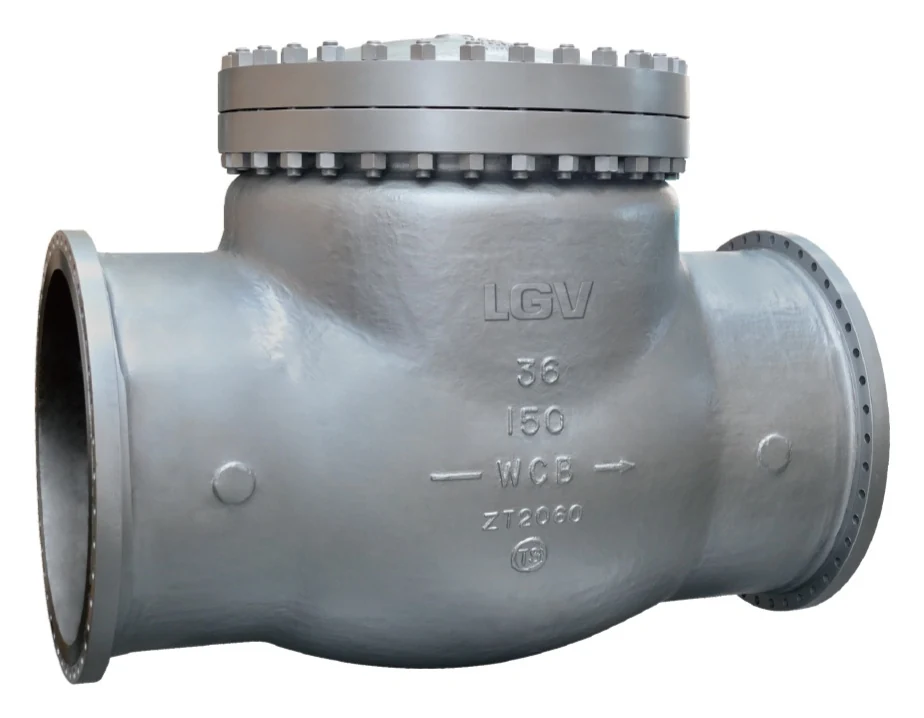
Маршруты продукции из каталога
Две позиции обратных клапанов подъёмного типа в каталоге
В исходном каталоге указан Вертикальный обратный клапан подъёмного типа GB на странице 82 и Задвижка обратная подъемная из литой стали GB на странице 83. Это каталожные обозначения, а не подтвержденная общая спецификация: положение при монтаже, механизм возврата диска, присоединительные размеры, марки материалов и параметры давление-температура требуют изучения документов на конкретно предлагаемое изделие.
Каталог, стр. 82. На фотографии изделие обозначено как вертикальный подъемный обратный клапан GB. Слово “вертикальный” в названии изделия не дает права устанавливать его в любом вертикальном или нисходящем трубопроводе; получите инструкцию по ориентации и направлению потока для конкретной модели.
Каталог, стр. 83. В каталоге указан подъемный обратный клапан из литой стали GB. Уточните предлагаемую марку материала, присоединение, параметры давление-температура и монтажный чертеж. При рассмотрении коммерческого предложения запросите соответствующую фотографию изделия или размерный чертеж.
Источник: каталог · фотографии изделий не являются техническими паспортами
Установка и принцип работы
Горизонтальная и вертикальная установка подъемного обратного клапана
При обычном прямоточном подъемном обратном клапане с гравитационным возвратом в горизонтальном трубопроводе крышка обычно располагается сверху, чтобы диск мог подниматься и садиться в седло вертикально. Конструкция, предназначенная для вертикального трубопровода, может работать при восходящем потоке, но для этого требуется подтверждённая конфигурация диска и инструкция изготовителя по монтажу. У изделий с пружиной допустимые ориентации могут отличаться; наличие или отсутствие пружины необходимо проверять, а не определять по внешнему виду.
Вертикальный участок трубопровода — это не то же самое, что вертикальный ход диска. Для участка с нисходящим потоком неподтверждённый обратный клапан подъёмного типа с гравитационным возвратом не является выбором по умолчанию. Перед окончательным выбором компоновки трубопровода проверьте стрелку направления потока, фактическое внутреннее устройство и утверждённую ориентацию.
Конструкция с гравитационным возвратом
Прямой перепад давления поднимает запорный элемент; его вес и изменяющийся перепад способствуют возврату. Ориентация определяет, помогает ли гравитация посадке. Указывайте монтажное положение, соответствующее предоставленному чертежу.
Конструкция с пружиной
Пружина может влиять на порог открытия и скорость закрытия, но она есть не во всех моделях обратных клапанов подъёмного типа. Запросите данные по пружине и утверждённую ориентацию; не делайте выводов об универсальной пригодности для вертикального монтажа или безударном закрытии.
Ограничение по минимальному расходу
Давление начала открытия указывает на перепад, необходимый для начала открытия. Оно не определяет расход, необходимый для того, чтобы диск был полностью и устойчиво открыт. Если система длительно работает при низком расходе, запросите рекомендации по устойчивому расходу и кривую потери давления для точного типоразмера.
Инженерный подбор
Choose by stable opening, head loss and shutdown response
Start with the lowest normal operating flow. If a proposed valve cannot remain stably open there, selecting by nominal pipe size alone may produce disc chatter and accelerated seat wear. At normal and peak flow, compare its documented differential pressure or flow coefficient with the system’s allowable head loss. Finally, review pump-trip or rapid reversal behavior: gravity-return lift and spring-assisted designs do not share one guaranteed closing time.
| Operating condition | Практическое решение | Ask for |
|---|---|---|
| Horizontal pipe, steady flow | A conventional lift check may be evaluated if the disc is oriented to return to its seat and the pressure loss is acceptable. | Installation drawing; pressure-drop data at normal and peak flow. |
| Vertical pipe | Only evaluate a model expressly approved for the intended upward or downward flow. The product name alone is insufficient. | Flow arrow; permitted orientation; gravity/spring return details. |
| Long periods at low flow | Exclude or resize a configuration that cannot stay stably open; nominal diameter and cracking pressure alone will not settle this. | Minimum stable-flow or velocity guidance; flow profile. |
| Fast pump trip or surge-sensitive line | Compare the actual closure response with axial/silent or quick-closing alternatives; no check valve is a universal water-hammer cure. | Transient case, pump coast-down, reverse-flow conditions and closing data. |
Where the selection changes
Three situations where lift check selection needs care
These are engineering selection scenarios, not claims about completed customer installations. The final product choice depends on the actual piping and operating data.
Pump discharge with a fast shutdown
If flow reverses rapidly after a pump trip, checking only non-return function is insufficient. Review pump coast-down and surge consequences; an axial/silent check valve or a quick-closing design may merit evaluation. Compare measured or calculated closing behavior rather than a “no water hammer” claim.
Process line with restricted pressure budget
A lift check has a flow path and moving closure that can impose a meaningful pressure loss. Compare the product-specific ΔP–flow curve at normal and maximum rate. If head loss dominates the choice, also assess a swing check valve, while accounting for its closure characteristics.
Vertical piping or variable low flow
For a vertical leg, obtain written orientation approval for the offered construction, including whether flow must be upward. For turndown service, validate disc stability at minimum flow. If neither is documented, keep the selection open rather than treating “vertical lift” as an installation certificate.
Quote-level specification
What the supplier must document for the selected valve
The catalog confirms two product names, but it does not establish a shared size range, nominal pressure, temperature limit, material grade, test standard or flow coefficient for this series. Review those values on the offered datasheet and drawing rather than deriving them from cast markings or a photograph.
Configuration and interfaces
Request the exact model or catalog identifier, valve size, end connection, face-to-face and mating dimensions, and installation orientation with flow direction. Check whether the disc is guided and whether a spring is included.
Operating and hydraulic data
Match the offered material and seat/trim construction to the medium and pressure-temperature cases. Ask for opening characteristics, stable flow guidance, pressure loss at your flow rates and any available closure-response data.
Purchase and inspection documents
Identify the applicable design, inspection and leakage-test requirements in the project specification. Request the relevant drawings and records for the order; a catalog picture does not demonstrate an individual valve has passed a particular test or certification.
Compare adjacent check valve designs
When a different check valve is a better starting point
Lift: assess disc guidance, mounting orientation and stable opening, alongside pressure loss. Swing: often worth comparing where a relatively open flow path is valuable, but closure depends on hinge dynamics and operating conditions. Axial/silent: evaluate for short-travel, spring-influenced response where reverse-flow acceleration matters. Quick-closing: compare when the project has a defined rapid-shutdown or surge-control objective. None can be chosen by family name alone.
Other site routes: all products, industry contexts и technical resources.
Check Valve Categories
Return to the full check-valve family when the required closing mechanism has not yet been selected.
Обратные клапаны поворотные
Compare flow-path resistance and disc swing on relatively steady liquid service; verify reverse-flow conditions and orientation.
Silent / Axial Check Valves
Compare spring-assisted short-travel closure where pump-trip reversal and slam risk influence the choice.
Быстрозакрывающиеся обратные клапаны
Assess separately when closing response is specified for an abrupt operating event; obtain design-specific data.
Technical RFQ
Send the flow and installation conditions for a lift check valve quote
Identify the GB Vertical Lift or GB Cast Steel Lift catalog route, or ask for help comparing them. State the installation and operating conditions first; VALMORA can then review a proposed configuration and the documents required for quotation. Unavailable product values should remain open questions, not assumed specifications.
- Requested catalog identity and required quantity
- Fluid or gas, composition, solids and service temperature
- Minimum, normal and maximum flow, and duty cycle
- Pipe size, connection type, line orientation and flow direction
- Normal/design pressures, temperature limits and allowable pressure drop
- Pump stop or reversal scenario; permitted surge if applicable
- Required installation drawing, test basis and purchase records
- Specify which dimensions, grades and performance values need supplier confirmation