
Katalogla eşleşen basınç contalı sürgülü vana
ASME Paslanmaz Çelik Kendinden Sızdırmaz Yüksek Basınçlı Sürgülü Vana
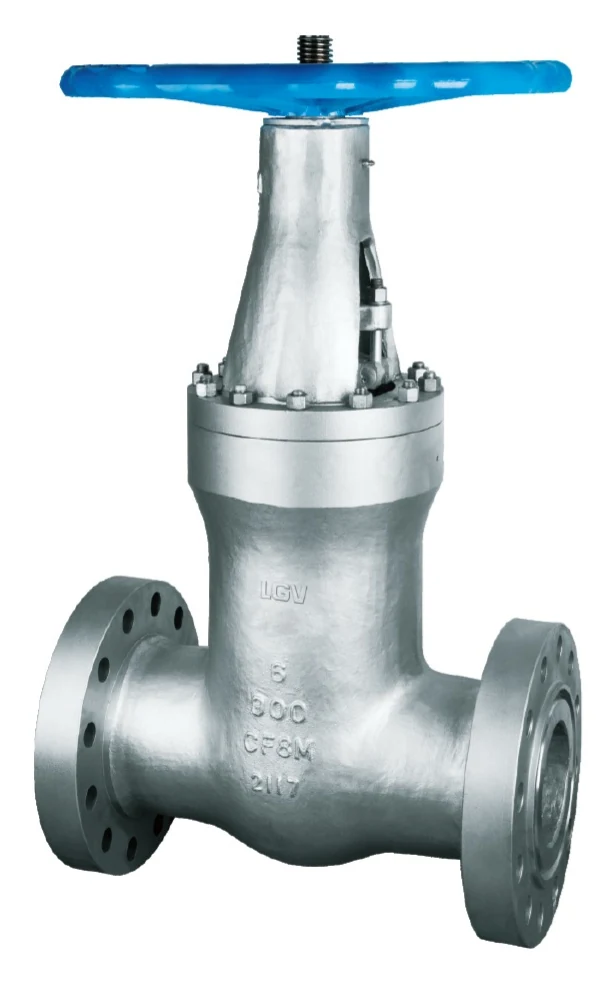
Katalogda, projeye özgü izolasyon değerlendirmesi için basınç contalı kapak yapısına sahip bir ASME Paslanmaz Çelik Kendinden Sızdırmaz Yüksek Basınçlı Sürgülü Vana, listelenmektedir. Basınç destekli gövde-kapak birleşimi, bir basınç sınıfı veya oturma ya da mil sızdırmazlığı garantisi değildir. Bu vanayı belirtmeden önce, önerilen malzemeleri ve basınç-sıcaklık sınıfını tam çalışma koşuluyla eşleştirin; ardından kapak contası ayrıntılarını, çalışma fark basıncını ve gerekli test belgelerini inceleyin.
- Kapak: basınçla kendinden sızdırmaz (katalog tanımı)
- Malzeme: paslanmaz çelik (gövde ve iç aksam kaliteleri kesinleşmemiştir)
- Basınç: yüksek basınç etiketi, atanmış ASME Class değil
- Standartlar: katalogda ASME belirtilmiştir; uygunluk ve baskılar doğrulanmalıdır
Kapak konstrüksiyonu
Basınç contalı kapağın değiştirdiği ve değiştirmediği noktalar
Basınç contalı kapak, bir gövde-kapak birleşim tasarımıdır. İç basınç, bu birleşimde sızdırmazlık temasına yardımcı olur; gerçek davranışı conta, temas yüzeyleri ve montaja bağlıdır. Özellikle ilk çalıştırma, durdurma veya termal çevrimler birleşimdeki basıncı değiştirdiğinde, sürgü oturmaları ve mil salmastrasından ayrı olarak değerlendirilmelidir.
Basınç destekli gövde-kapak birleşimi
Basınç contalı bir düzenlemede, iç basıncın artması kapak contasında sıkıştırma yükü oluşturabilir. Düşük basınçta, termal geçişler boyunca ve bakım sonrasında uygunluk hâlâ gerçek bağlantı tasarımına ve montaj prosedürüne bağlıdır.
Üç bağımsız sızıntı yolu
Kapak contası sızıntısı, gövde sızdırmazlık elemanı (salma) sızıntısı ve oturma yüzeyi üzerinden sızıntının farklı sızdırmazlık arayüzleri vardır. Basınç contalı kapak seçimi, gövde sızdırmazlık elemanı emisyon performansını veya oturma yüzeyi sızıntı sınıflandırmasını ortaya koymaz.
Kataloğun tanımladığı
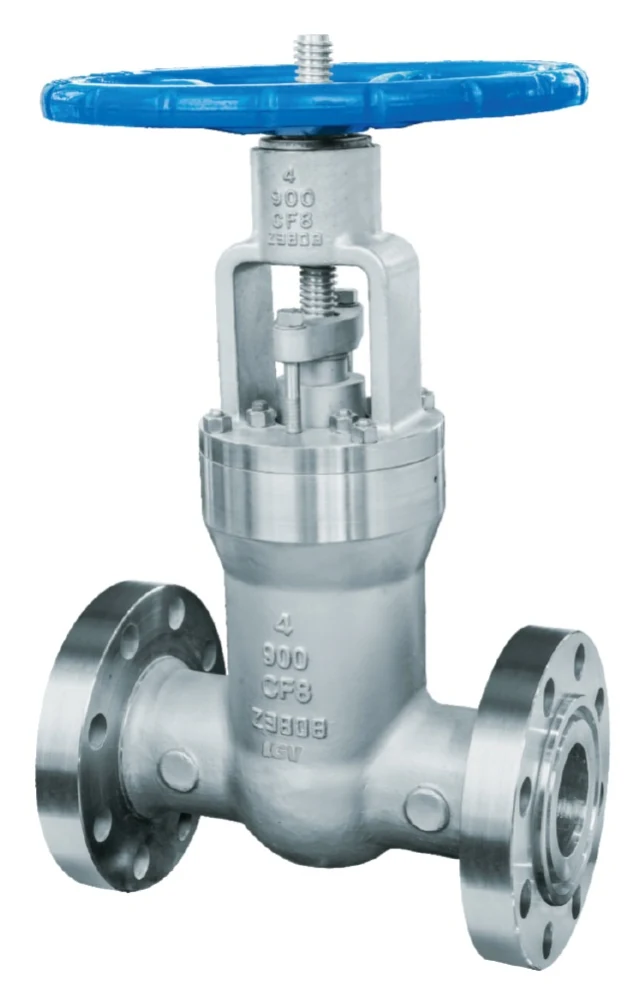
Lianggong İngilizce vana kataloğu, fiziksel PDF sayfa 76, basılı sayfa 141: bu tam ürün başlığı altında iki bitişik görünüm. Görseller katalog gruplamasını ve görünümü ortaya koyar; malzemelerin sınıfını, vana boyutlarını veya nitelikli bir basınç sınıfını değil.
Katalog bilgileri
Katalog kimliği ile sipariş edilebilir spesifikasyonlar
Orijinal katalog bir ürün adı ve yapı tanımlayıcıları ortaya koyar, ancak bu giriş için siparişe hazır boyut, basınç sınıfı, sıcaklık, sızdırmazlık malzemesi veya test kabul kriterleri çizelgesi sunmaz. Aşağıdaki ayrımlar, katalog ifadesinin doğrulanmış bir veri sayfasıyla karıştırılmasını önler.
| Alan | Katalog ifadesi | Belirlenenler |
|---|---|---|
| Vana ailesi | Sürgülü vana | Ürün tipi adlandırılmış; konfigürasyon belirtilmemiş |
| Gövde–kapak yapısı | Basınç kendinden sızdırmazlı | Yapı adlandırılmış; bağlantı çizimi ve conta detayı verilmemiş |
| Malzeme tanımı | Paslanmaz çelik | Yalnızca tanımlayıcı; gövde, kapak ve iç aksam sınıfları doğrulanmamış |
| Basınç tanımı | Yüksek basınç | Yalnızca açıklayıcıdır; sayısal Class veya basınç–sıcaklık derecelendirmesi içermez |
| Standart tanımı | ASME | Başlıkta yer alır; belirli bir standart, baskı veya uygunluk kanıtı belirtilmez |
| Katalog bölümü | Sürgülü Vana Serisi | Basılı katalog gruplaması, model spesifikasyonu değildir |
| Kaynak konumu | PDF sayfa 76; basılı sayfa 141 | Her iki eşleşen görünüm bu katalog başlığının altında yer alır |
Bu katalog kaydında belirtilmemiştir: sertifikalı malzeme listesi, sıcaklıkta izin verilen basınç, gerçek uç bağlantı ölçüleri, kapak contası spesifikasyonu veya test kaydı. Satın alma öncesinde teklif edilen bir veri sayfası ve onaylı genel yerleşim çizimi talep edin.
Kanıtlar ve açık gereksinimler
Neler teyit edilmiştir ve neler teklif çizimi gerektirir?
Katalog, belirtilen sürgülü vana ailesini, basınç contalı konstrüksiyon tanımını, paslanmaz çelik tanımını ve iki eşleşen fotoğrafı destekler. Teklif, gerçek malzemeleri, tasarım koşullarını ve çalıştırma donanımını belirtmelidir. Katalog başlığından hiçbir basınç sınıfı, sıcaklık sınırı veya standart uygunluğu çıkarılmaz.
Katalogla teyit edilen tanımlayıcılar
- Gate valve: product family named in the catalog
- Pressure self-sealing: bonnet construction descriptor only
- Stainless steel: material descriptor, without a specified grade
- High pressure: wording in title, not a published rating
- ASME: title reference, not a conformity or certification statement
Supplier data to approve before ordering
- Pressure–temperature rating for exact materials and maximum design temperature
- Pressure-seal gasket, retaining parts, seating surfaces and assembly requirements
- Body, bonnet, gate, seats, stem, packing and any hardfacing material grades
- Nominal size, end type, face-to-face dimensions and mating piping details
- Service fluid, corrosion/erosion exposure and minimum operating temperature
- Opening differential, actuator load and any pressure-locking mitigation
- Body/bonnet pressure tests, seat-leakage basis and applicable standards/editions
- Approved drawing, material traceability, inspection records and service access
Configuration selection
How to qualify this pressure-seal gate valve for an RFQ
Start with the full isolation duty rather than the words “high pressure.” A pressure-seal bonnet may be considered where body–bonnet joint integrity matters, but the complete offered valve must be rated for the pressure, temperature, medium and operating conditions. If the offered material-specific pressure–temperature rating falls below a required design condition, do not approve that configuration, even if its catalog name contains “ASME.”
Pressure and temperature: the first exclusion test
Request the pressure–temperature rating for the proposed body and bonnet materials, with the applicable code and edition. Check design pressure at the highest required design temperature, minimum temperature and credible transient conditions. A nominal Class label is not a constant permissible pressure at every temperature.
Bonnet gasket and joint assembly
Ask for the pressure-seal gasket/ring material, mating-surface requirements, retainer arrangement and documented assembly procedure. Pressure assistance at the joint does not remove the need for initial sealing contact or qualification through low-pressure operation and thermal cycling. No gasket composition is confirmed for this item.
Stainless steel, seats and packing
Specify body and bonnet grades separately from gate, seating surfaces, stem, packing and pressure-seal gasket. Fluid chemistry, chlorides, temperature and corrosion or galling risk can change the acceptable combination. “Stainless steel” alone does not identify a compatible grade or seal material; request a parts/material list and the material certificates required by the purchase specification.
Isolation function and opening loads
Use a gate valve primarily for open/closed isolation; routine throttling needs another valve selection. Confirm maximum differential pressure on opening, required stem thrust/torque and operating frequency. Where large differential pressure, heating of trapped fluid or thermal binding is credible, request the proposed equalization or bypass strategy—none is proven by these catalog photos.
Acceptance and traceable documents
Before award, agree on the specific design, material, examination and pressure/seat test standards and editions, together with acceptance criteria. Request the approved drawing, pressure-boundary and seat-leakage test records, material certificates, marking/traceability and any required witness points. These are RFQ requirements, not claims that records already exist for WP263.
Service and installation conditions
Conditions that can change the offered valve
The body–bonnet seal is only one part of pressure containment. A suitable offer must also address process chemistry, thermal transients, load on the closure element and the space available to operate or service the valve.
Fluid chemistry and sealing compatibility
Provide medium composition, concentration, solids, cleaning chemicals and expected upset conditions. Confirm compatibility separately for pressure-boundary metal, gate/seat surfaces, stem packing and bonnet gasket. Do not assume an unspecified stainless steel resists the complete service.
Heat-up, shutoff and trapped pressure
During startup or shutdown, trapped fluid and temperature changes may affect the gate opening load and the bonnet joint. If the line can experience large operating differential or thermal cycling, have the supplier document the pressure-locking/thermal-binding review and the proposed operating sequence before fixing the operator.
Connections and maintenance clearance
Use the offered dimensioned drawing to verify ends, mating connections, face-to-face, installation orientation, stem travel and room to dismantle the bonnet/gasket. Catalog photos are not dimensional evidence, and the final supplied end connection is not established by the image alone.
Verified catalog photos
Two catalog views matched to this product
Both views are printed under the exact “ASME Stainless Steel Self-Sealing High Pressure Gate Valve” caption on catalog page 141. They document the appearance of catalog examples, not the specified pressure rating, seal materials, dimensions or final ordered design.
Alternative valve routes
Compare the bonnet type before changing size or actuation
For a closer pressure-seal comparison, see the ASME Kendinden Sızdırmaz Yüksek Basınçlı Sürgülü Vana ve ASME Kendinden Sızdırmaz Yüksek Sıcaklık ve Yüksek Basınçlı Sürgülü Vana. Those catalog names do not establish interchangeability. The existing routes below cover other large-diameter or electric arrangements; evaluate each against its own offered drawing and rating.
Büyük Çaplı Elektrikli Sürgülü Vana
Consider only when the project calls for a separately specified large-diameter and powered arrangement. Confirm size, operator load and pressure–temperature capability rather than assuming equivalence.
ASME Büyük Çaplı Elektrikli Sürgülü Vana
An ASME-labeled electric large-diameter route, not a proven substitute for this pressure-seal construction. Compare actuation, ends, joint design and approved ratings.
ASME Büyük Çaplı Sürgülü Vana
Another catalog route for large-diameter isolation. Check exact body–bonnet construction and material-specific rating before using it as an alternative.
Technical buyer questions
Pressure-seal gate valve: buyer questions
Use these answers to separate a catalog construction label from the performance that must be demonstrated by the offered configuration.
Does a pressure-seal bonnet eliminate all valve leakage?
No. The pressure-assisted seal concerns the body–bonnet joint. Stem packing and the gate/seat shutoff are different leakage paths. The selected gasket and joint also need to seal under the required pressure and temperature cycling conditions.
Does “ASME” in the name prove ASME B16.34 compliance or a pressure Class?
No. “ASME” is part of the catalog designation, not a certification or assigned pressure Class. Request the specified code and edition, design and test records, and the pressure–temperature rating of the exact offered materials.
Can the stainless steel label identify the bonnet gasket or trim materials?
No. It does not define body or bonnet grade, wedge and seat materials, stem packing or pressure-seal gasket composition. These must be listed separately on the approved material schedule and checked against the fluid and temperature.
What data should accompany a quotation request?
Give the isolation duty, fluid, design and operating pressure/temperature, nominal size, end connections, maximum opening differential, actuation preference, quantity and required drawings, material certificates and pressure/leakage tests. Request a configuration-specific offer.
Teknik teklif isteyin
Request the material, bonnet-seal and rating review
Referans WP263 / CCE-R2-0042 in the inquiry. Include what is known and specify the records needed for approval; the team can discuss the proposed configuration without treating the catalog photos or name as a certified datasheet.
- Isolation service, medium, operating/design pressure and temperature
- NPS/DN, desired pressure Class, end connections and piping requirements
- Required pressure-seal gasket, body/bonnet/trim/packing materials or review criteria
- Opening differential, operator preference and expected thermal cycling
- Quantity and requested drawing, certificates, examination and test documents